
The graduated column
The cubits were read on it, and sixteen meant the Nile had kept faith and the canals opened.
Wael Mostafa — CC BY-SA 4.0 · Mohamed abdelzaher — CC BY-SA 4.0 · Mohamed abdelzaher — CC BY-SA 4.0 · Prof. Mortel — CC BY 2.0
An octagonal well sunk at the tip of Rhoda Island, with a graduated marble column at its centre against which the Nile flood was measured each year — one of the oldest surviving Islamic buildings in Egypt, dating from 861. Its purpose was fiscal rather than scientific. The height of the flood determined the year's harvest, and the harvest determined the tax, so the reading was announced across the city and the levy was set by it. Sixteen cubits was the magic number: below it famine, above it ruin, and at it the Nile had kept faith — the canals were opened and the city celebrated. Visitors descend a stone stair to the floor of the well around the column. The walls carry carved Kufic inscriptions, and three channels once let river water in. The conical wooden roof above is far younger, rebuilt in the nineteenth century, and is not original. The visit is short — half an hour is enough — and does not justify a trip of its own. It makes complete sense combined with Old Cairo and the Hanging Church on the opposite bank, and with the Manasterly Palace next door. It is quiet and little visited, and descending into an eleven-hundred-year-old shaft has its own effect.
The cubits were read on it, and sixteen meant the Nile had kept faith and the canals opened.
Carved into the shaft walls, among the oldest Kufic epigraphy surviving in Egypt.
An Ottoman palace adjoining on the riverbank, visited alongside.
Southern tip of Rhoda Island, Old Cairo
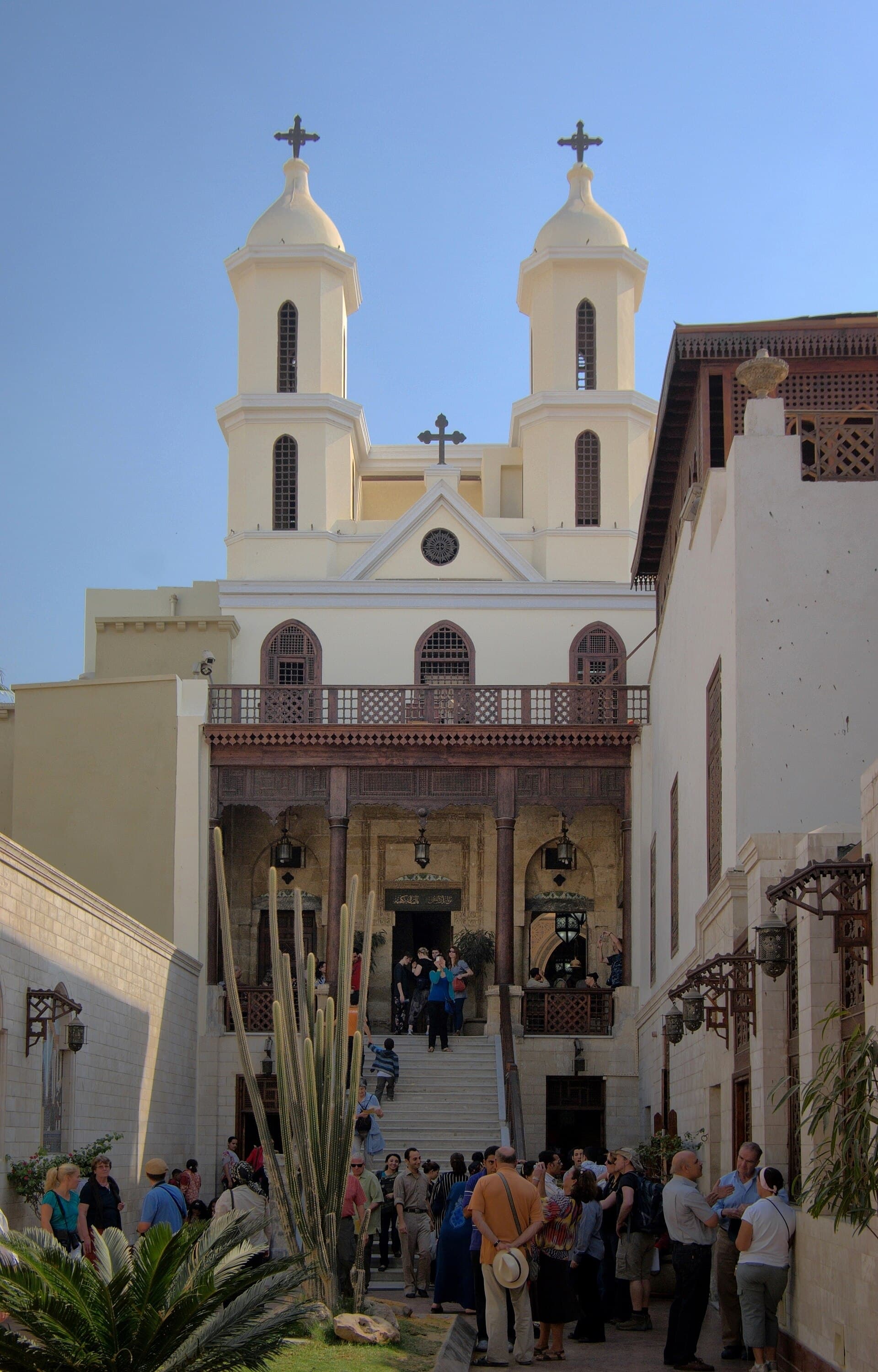 Hanging ChurchThe best known of Egypt's Coptic churches, called hanging because it was built o7 minutes walk4.8
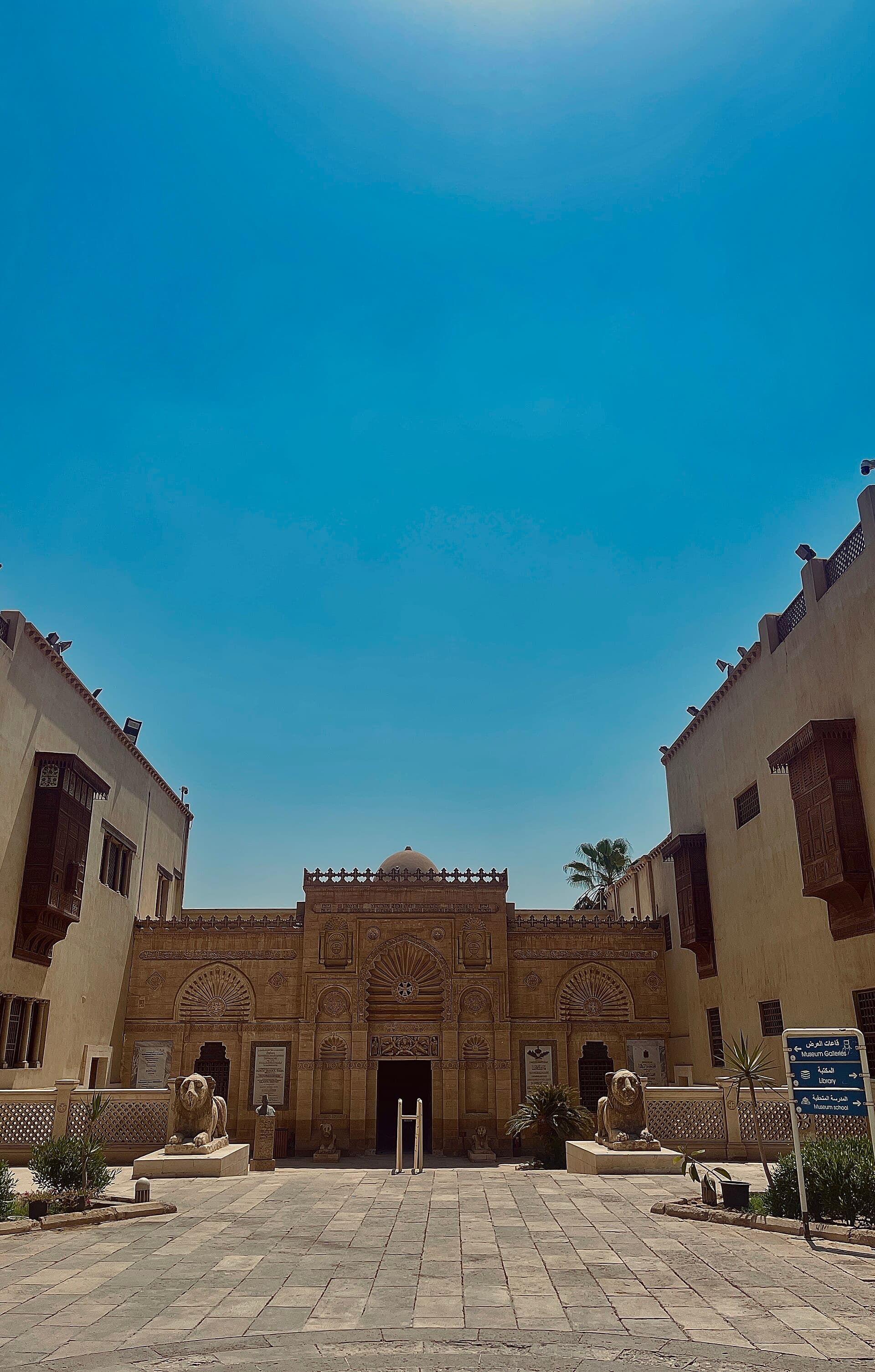 Coptic MuseumIt holds the largest collection of Coptic antiquities in the world, in the heart7 minutes walk4.4
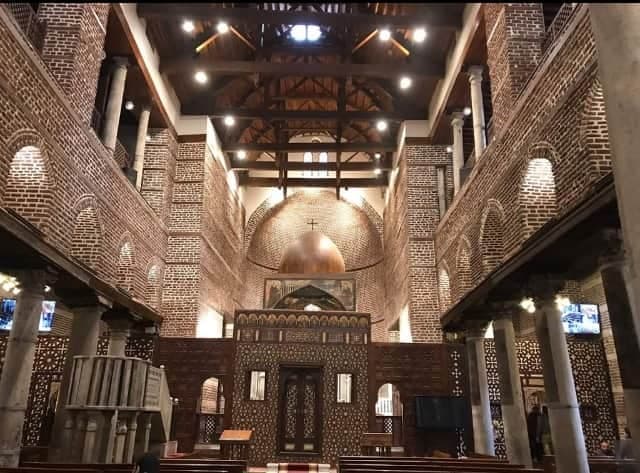 Church of Abu Serga (Saints Sergius and Bacchus)One of the oldest churches in Egypt, the Church of Saints Sergius and Bacchus, k7 minutes walk4.6
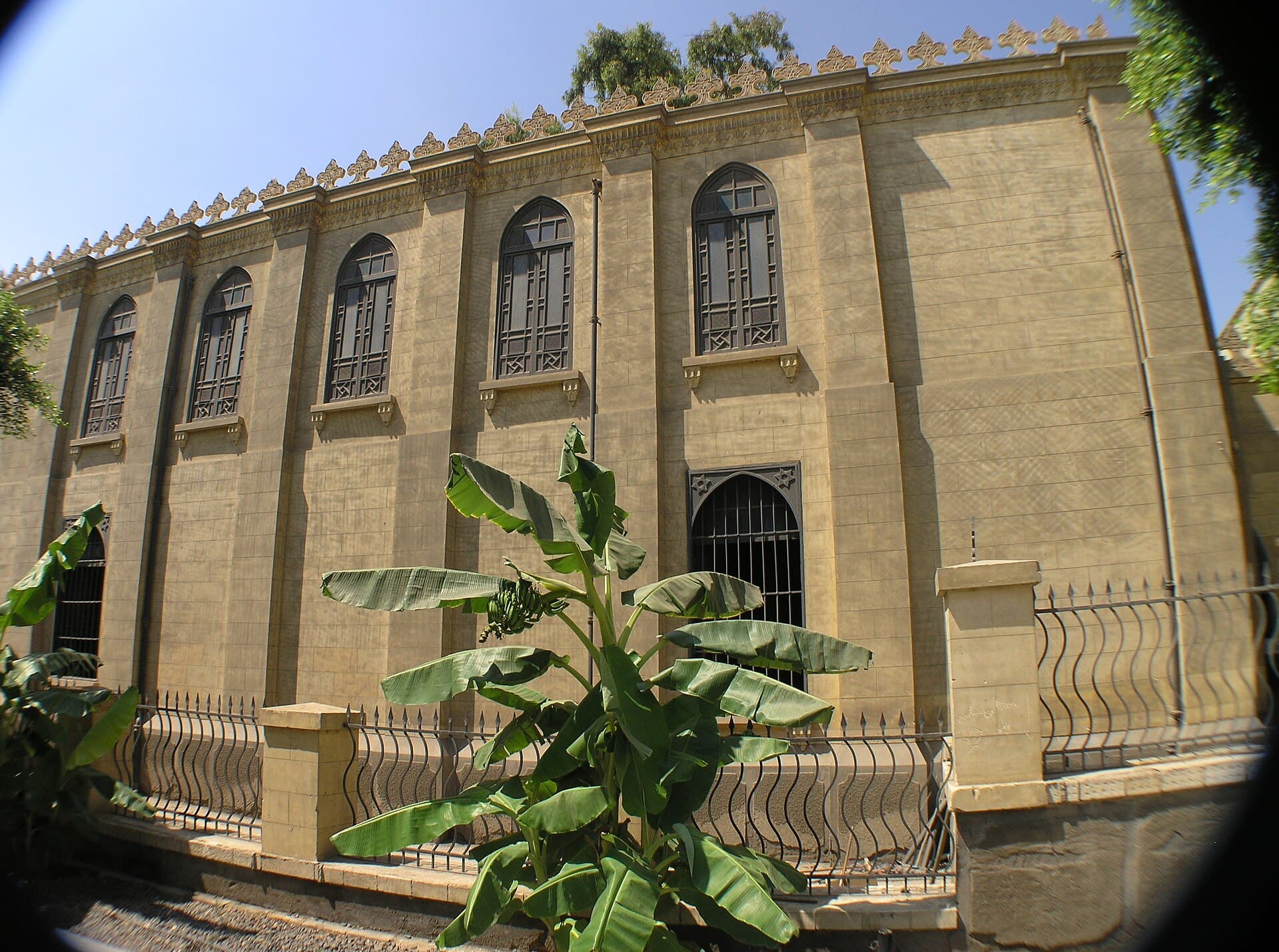 Ben Ezra SynagogueThe oldest synagogue in Cairo, in the Religions Complex of Old Cairo among the C7 minutes walk4.3
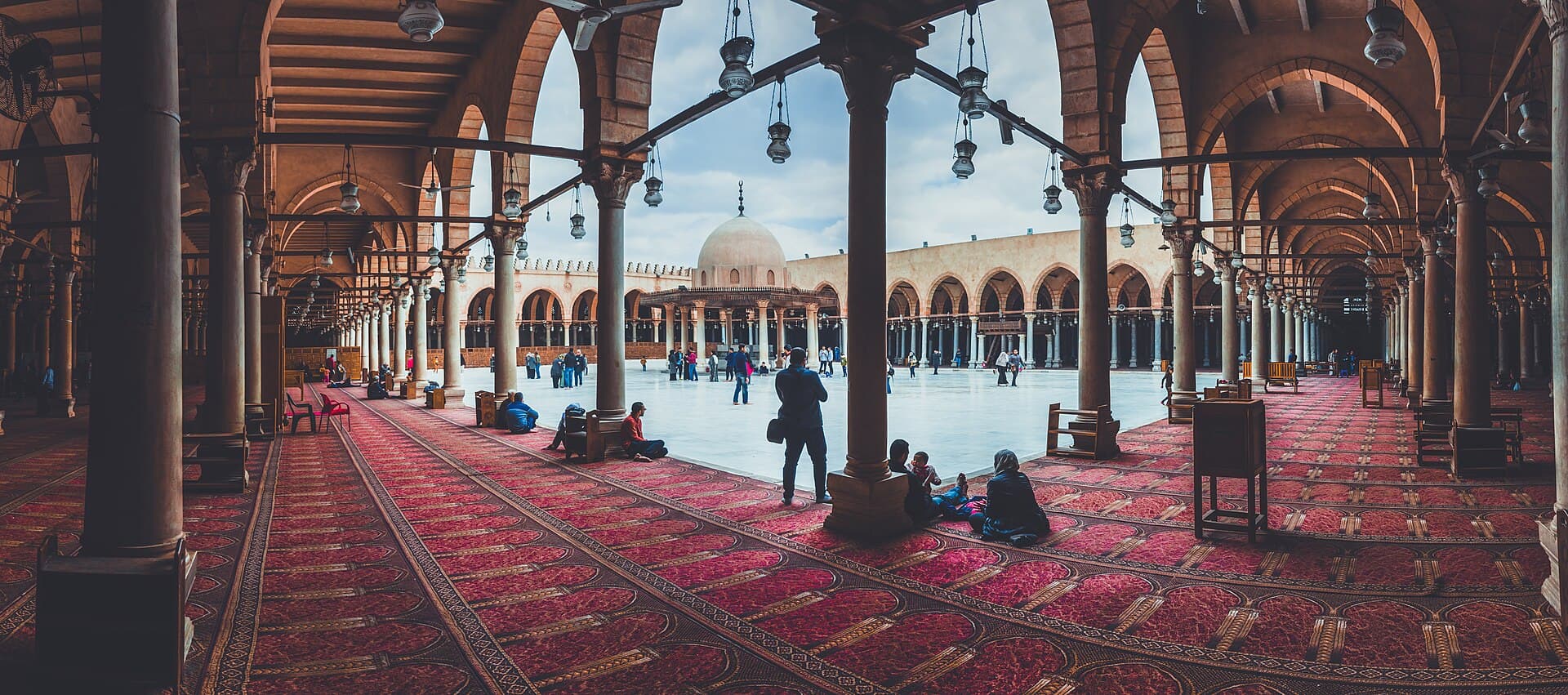 Mosque of Amr ibn al-AsThe first mosque built in Egypt and in Africa, founded by the commander Amr ibn 11 minutes walk4.7
On its own, no. As part of a day in Old Cairo with the Hanging Church and the Coptic Museum across the water, yes — it adds half an hour to a day you are already spending and explains something nothing else does: how the Nile was managed as a fiscal system rather than a river.
The flood reaching sixteen cubits on the gauge — the level that watered the land without drowning it. At that reading the news was proclaimed, the canals were cut open and a festival was held that was for centuries one of Cairo's great seasons, until the High Dam ended the flood itself.