
Wooden balconies
In the Indian style.
Moongateclimber — Public domain · Ronyyz — CC BY-SA 4.0 · Ronyyz — CC BY-SA 4.0
One of Stone Town's most beautiful buildings, a tall building whose facade is decorated with finely carved Indian-style wooden balconies, stained glass and stucco ornament. It was built between 1887 and 1894 by Tharia Topan, an Ismaili Indian merchant and one of Zanzibar's richest traders, as a charitable hospital. The project was never completed as first planned, so the building became a dispensary and a place to receive patients, which gave it its name. It decayed over time until the Aga Khan Trust for Culture restored it in the 1990s. The facade shows the blend of Indian and European architecture that marked late nineteenth-century Stone Town: slender columns, arches, balconies screened with pierced woodwork, and a small clock at the top. It stands on the port road, so you see it when you arrive by ferry from Dar es Salaam or on a walk along the waterfront. Viewing it from outside is free, and it photographs best in the morning, when the sun lights the facade.
In the Indian style.
And stucco ornament.
The first sight on arrival.
Mizingani Road, near the port, Stone Town
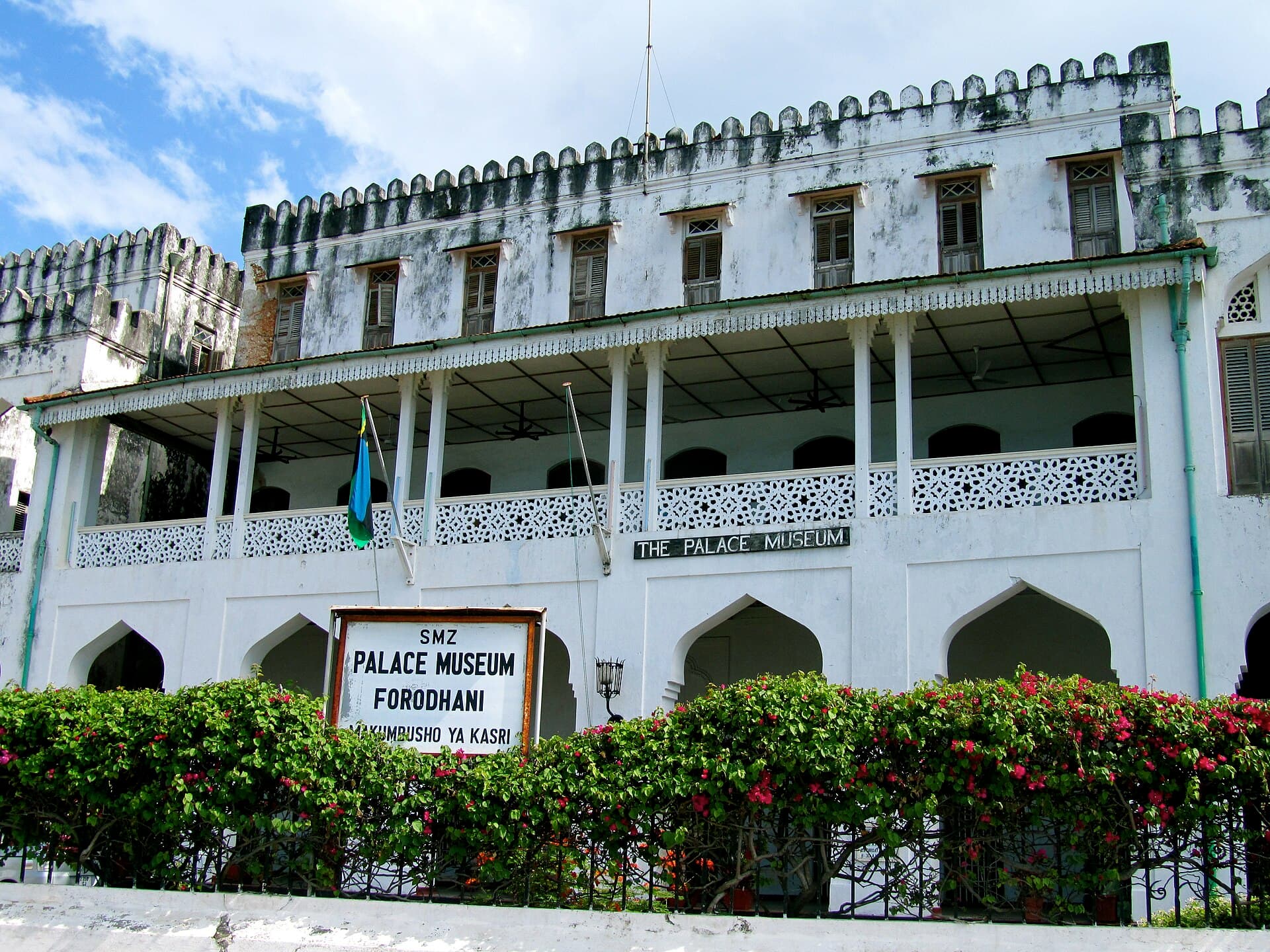 Palace Museum (Beit al-Sahel)A white palace with crenellated walls on the Stone Town waterfront, home to the 4 minutes walk3.9
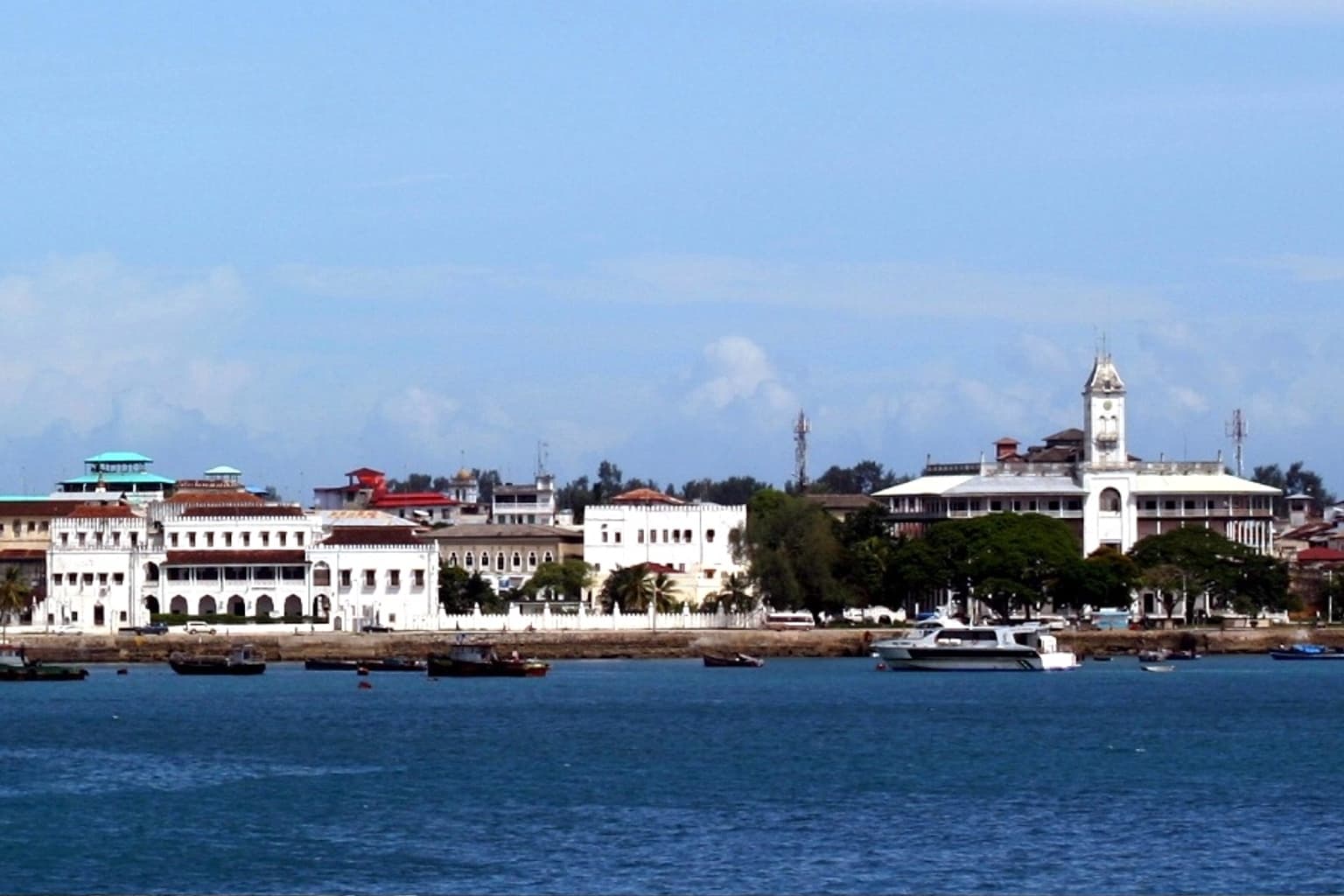 Stone TownZanzibar's old town, a maze of narrow lanes and coral-stone houses blending Oman6 minutes walk
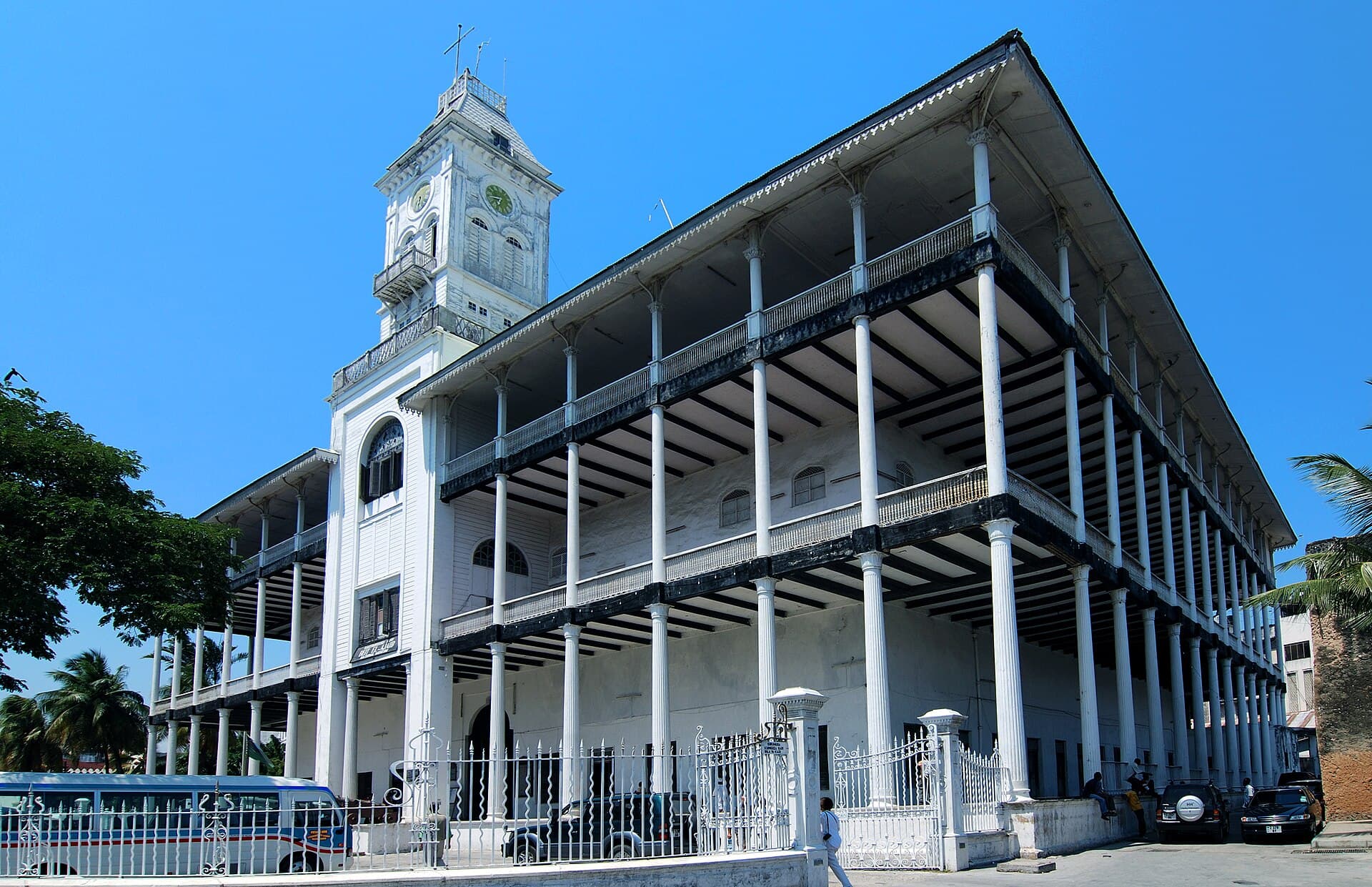 House of Wonders (Beit al-Ajaib)Stone Town's most famous and tallest building, a ceremonial palace built by Sult6 minutes walk3.8
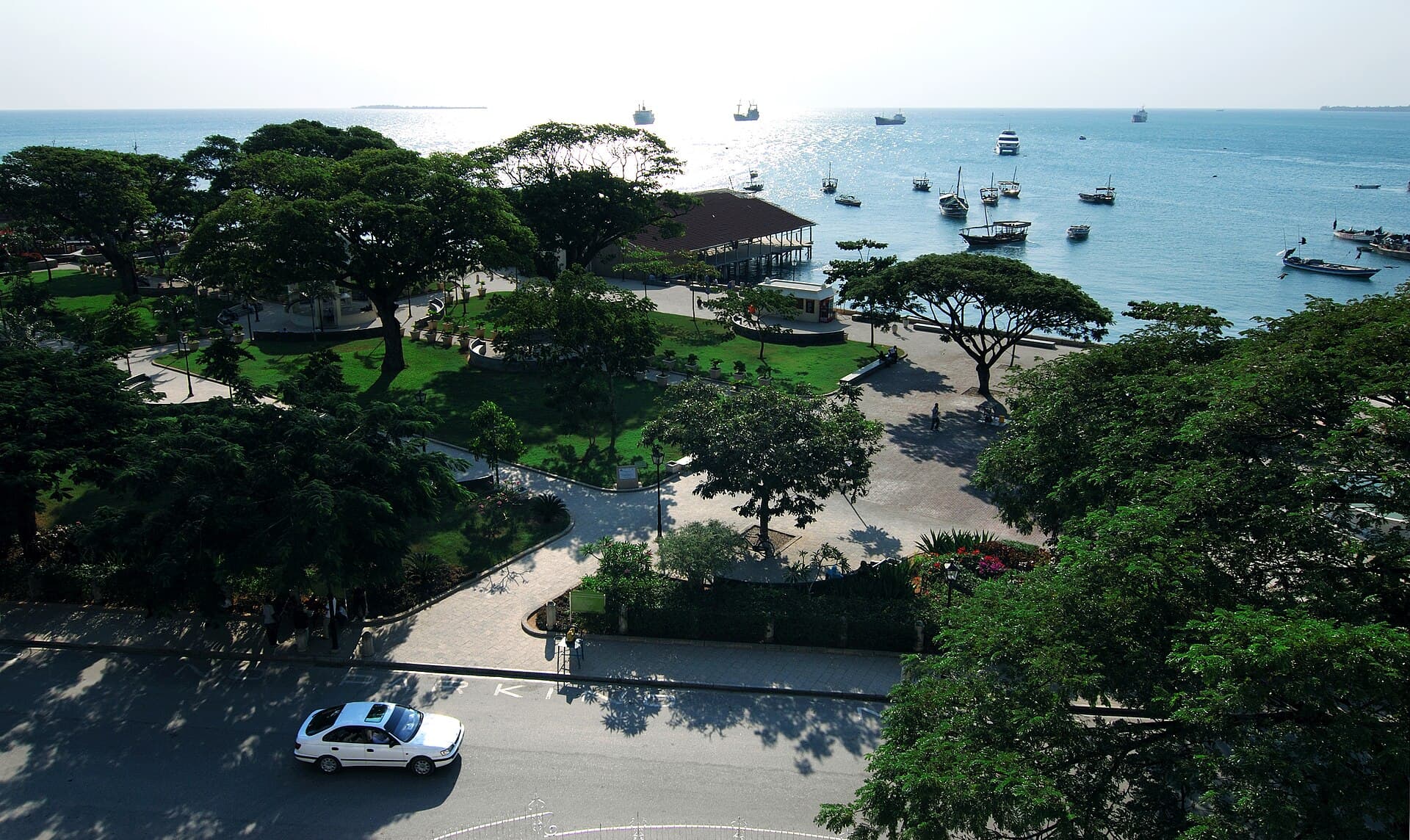 Forodhani Gardens and Night MarketA seafront garden in front of the Old Fort and the House of Wonders, Stone Town'6 minutes walk4.3
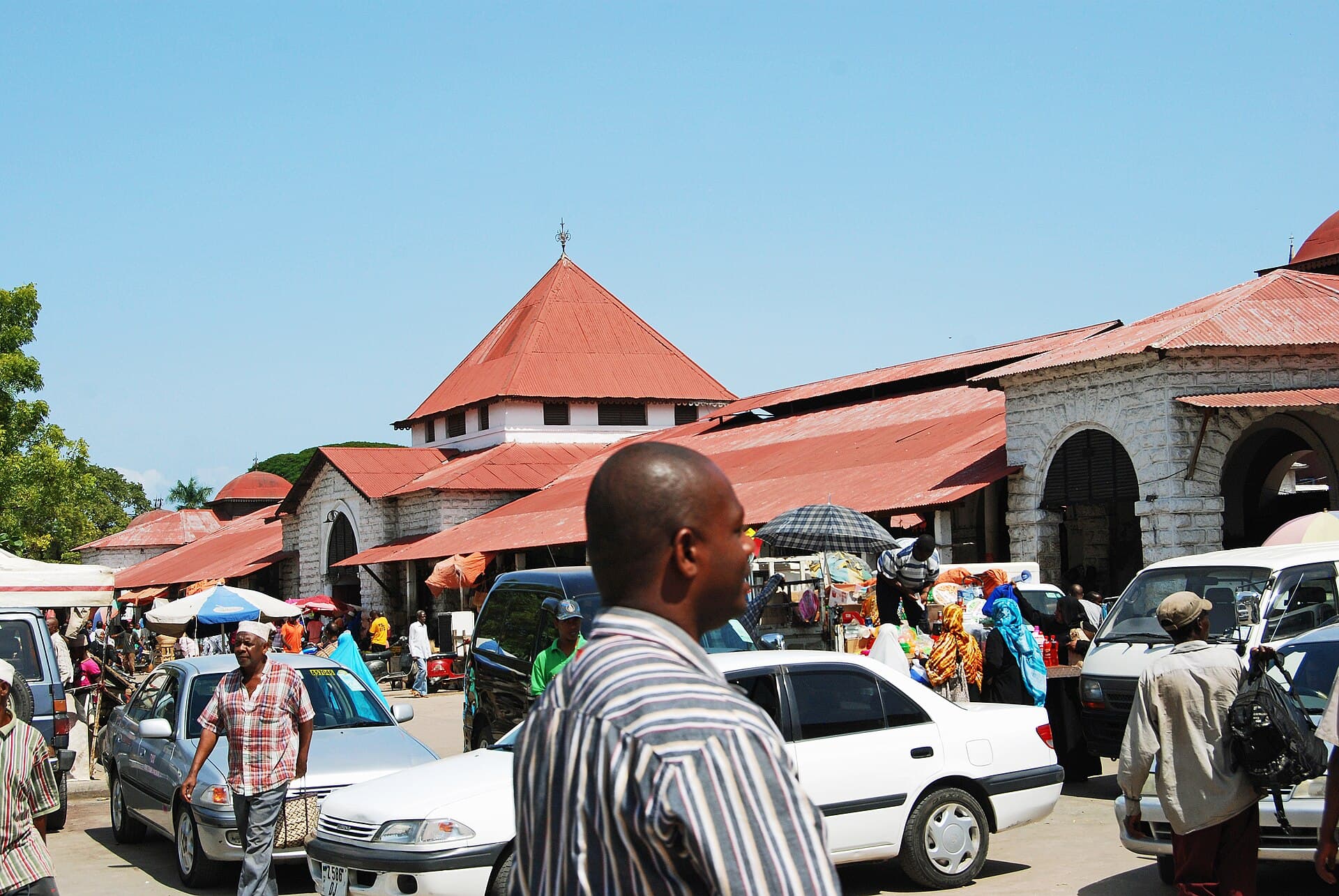 Darajani MarketZanzibar's main market and its liveliest place, at the eastern edge of Stone Tow6 minutes walk4.4
The Ismaili Indian merchant Tharia Topan, between 1887 and 1894, as a charitable hospital.