
The original floor
Twenty-eight kinds of stone in a complex geometric pattern, not a reconstruction.
DimiTalen — CC0 · Brentel, Friedrich (1580?-1651). Engraver Merian, Matthaüs (1593-1650). Engraver La Hière, Jean de (15..-16..). Engraver La Ruelle, Claude de (15..-16..). Draftsman German School — Public domain · Fred Romero from Paris, France — CC BY 2.0 · Ad Meskens You are free to use this picture for any purpose as long as you credit its author, Ad Meskens. Example: © Ad Meskens / Wikimedia Commons If you use this work outside of the Wikimedia projec — CC BY-SA 4.0
The remains of an eighteenth-century palace built by Charles Alexander of Lorraine, governor of the Austrian Netherlands, now a department of the Royal Library open on limited days. What survives is five rooms of the state apartment, the outstanding feature being the mosaic floor made from twenty-eight kinds of marble and stone arranged in a complex geometric pattern. This is not a reconstruction but the original floor. Charles of Lorraine was an unusual figure among rulers: more interested in science, chemistry and the arts than in politics, and his palace was a centre for his experiments and collections. The rooms display furniture and scientific pieces of the period. One decisive practical point: the palace opens on very few days a week and for narrow hours, and it is an annexe of the Royal Library rather than an independent museum. Do not plan around it without checking the hours first.
Twenty-eight kinds of stone in a complex geometric pattern, not a reconstruction.
Charles of Lorraine cared more for chemistry and science than for politics.
What survives of the state apartment, so the visit is short by nature.
Place du Musée, Mont des Arts, Brussels
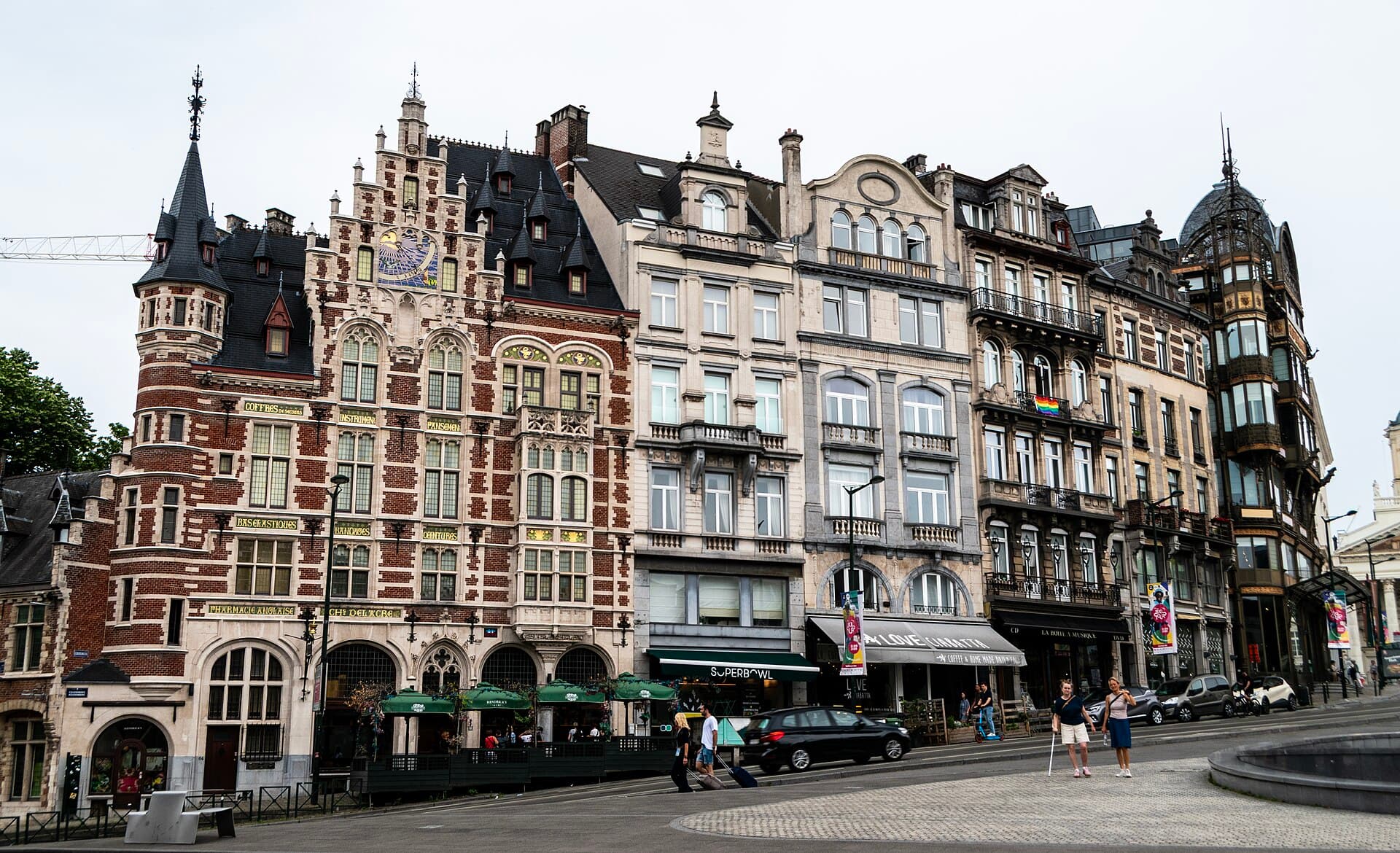 Coudenberg PalaceCoudenberg is Brussels' lost palace: on the hill of the Place Royale stood for c1 minute walk4.4
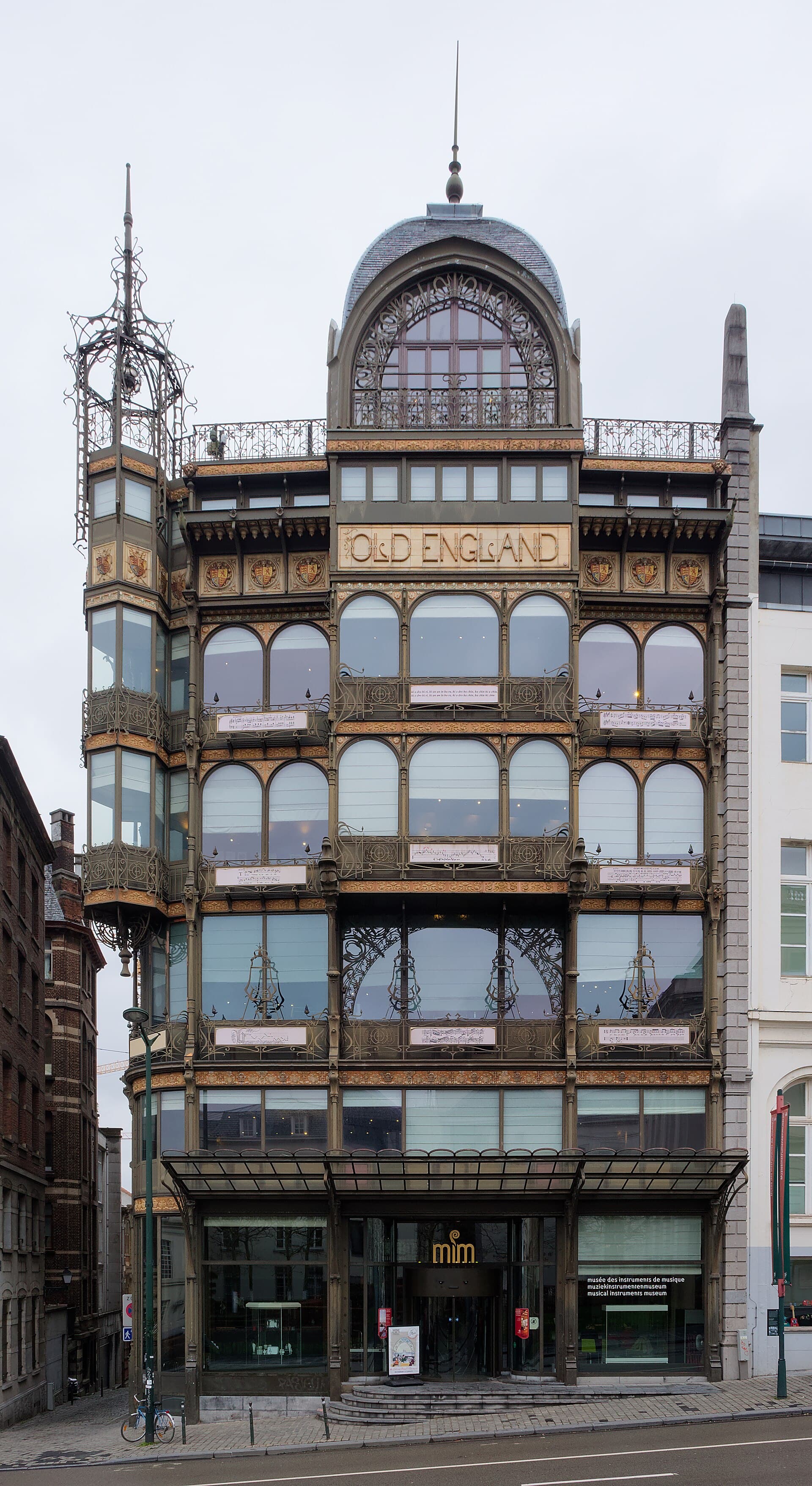 Musical Instruments Museum (MIM)The Musical Instruments Museum is among the world's most important instrument mu2 minutes walk4.3
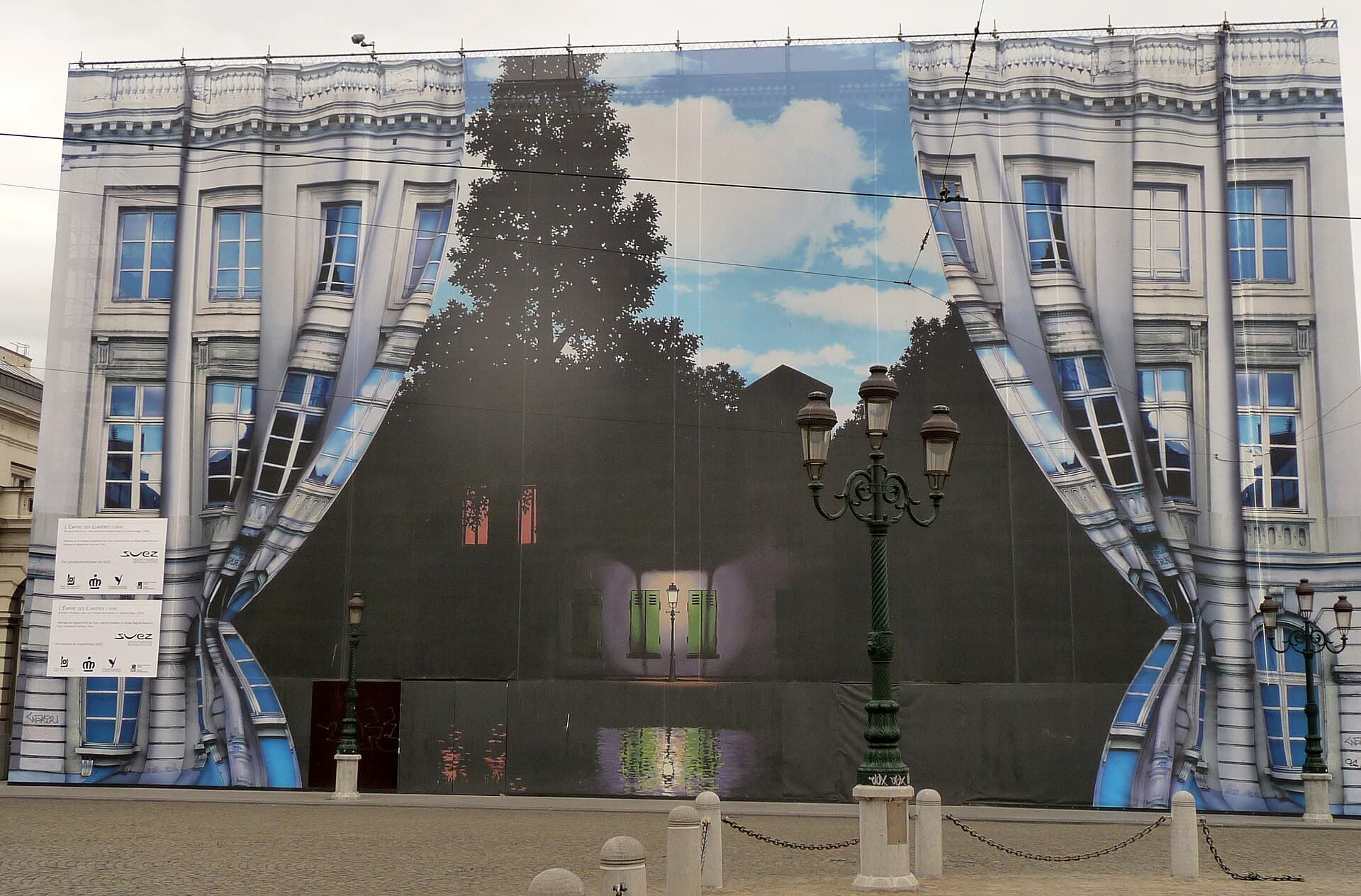 Magritte MuseumThe Magritte Museum holds the world's largest collection of René Magritte, Belgi2 minutes walk4.4
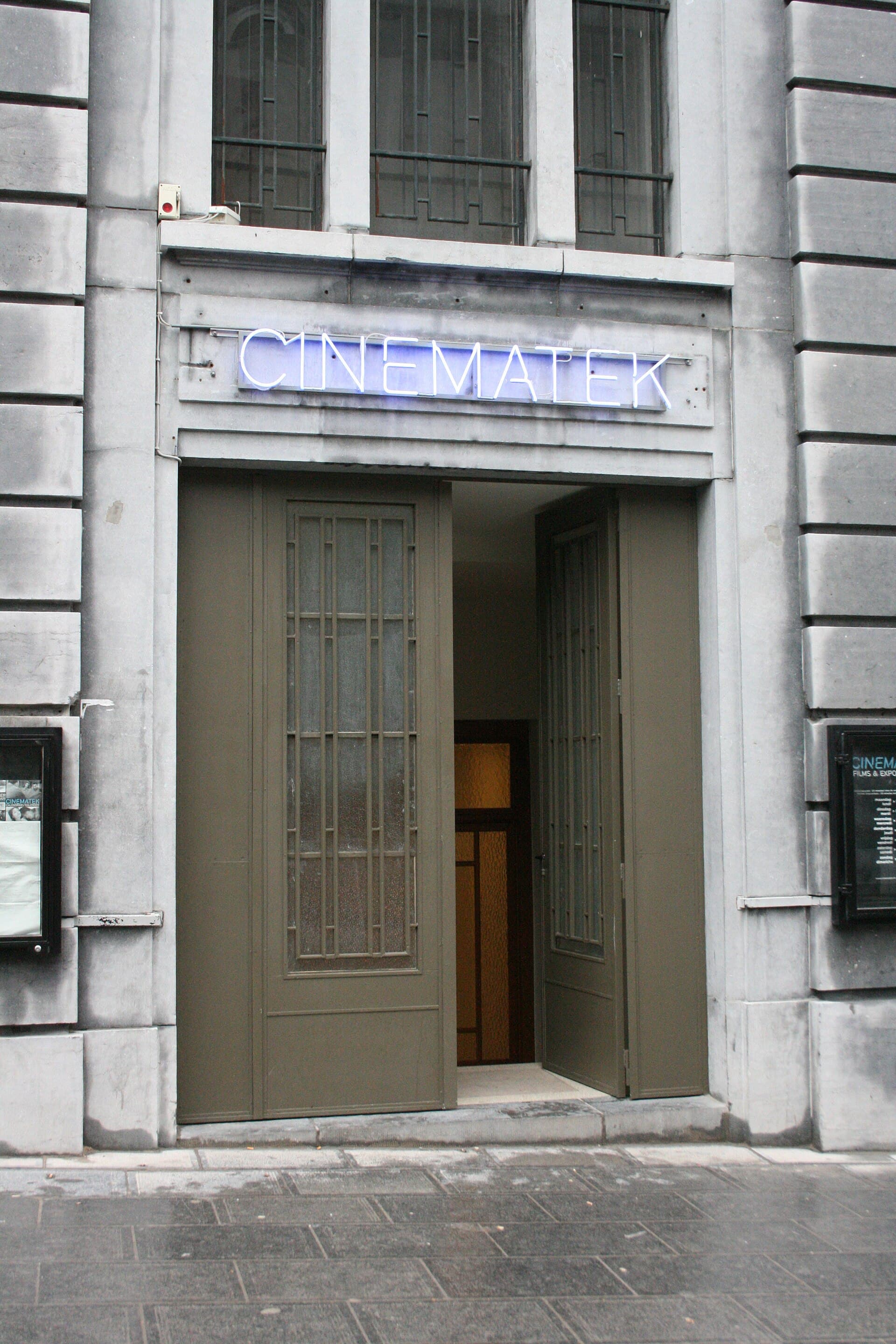 CINEMATEKBelgium's royal film archive, housed inside the BOZAR building. It preserves one2 minutes walk4.7
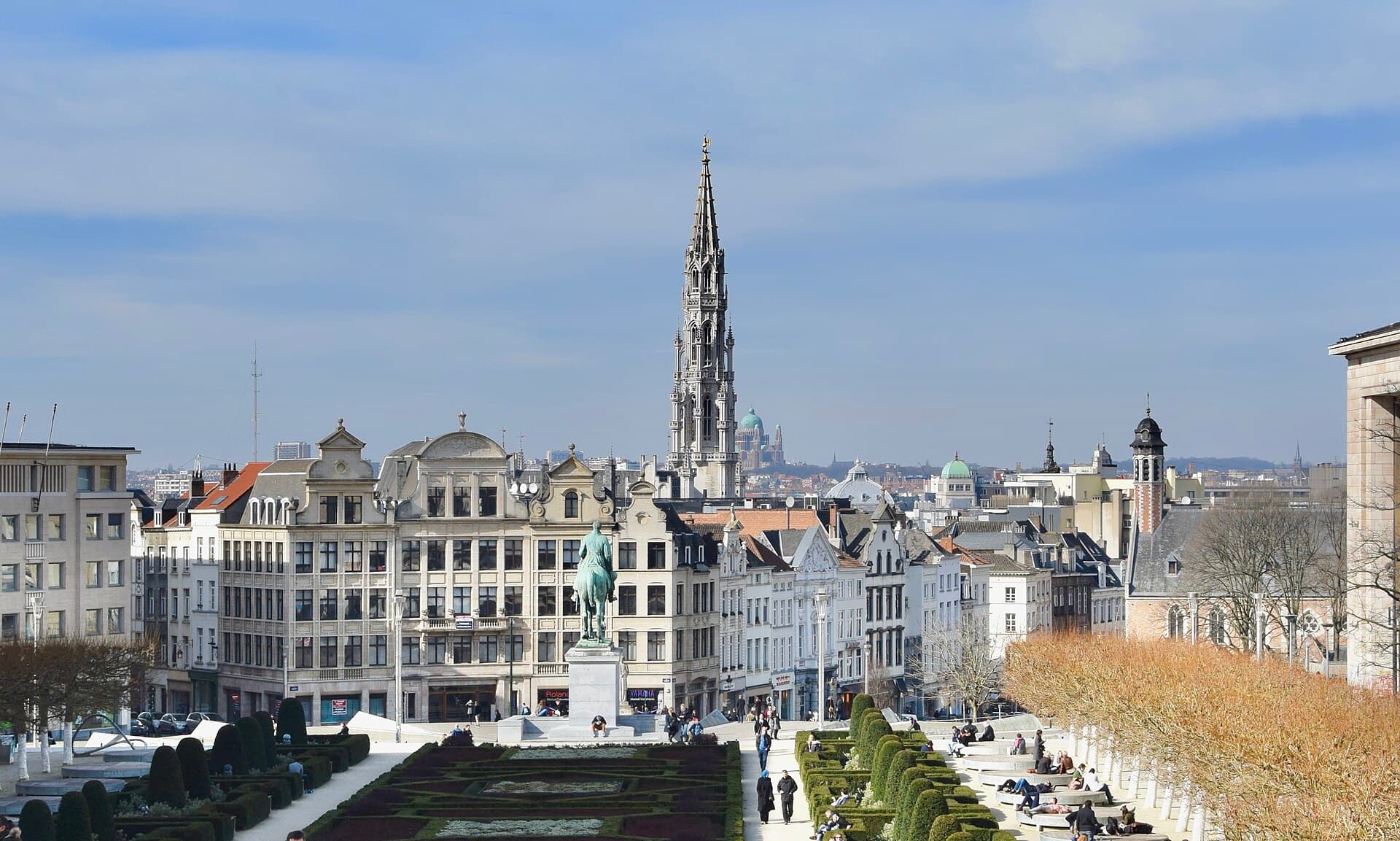 Mont des ArtsMont des Arts is the terraced garden linking the lower town (Grand-Place) to the2 minutes walk4.7
Very few days a week and for narrow hours, because it is an annexe of the Royal Library rather than a standalone museum with full staffing. That is the single most important thing to know: check the hours on the Royal Library's site before planning, since arriving on a closed day is common.
The KBR museum in the Royal Library itself, plus the Royal Museums of Fine Arts, the Magritte Museum and the Coudenberg site, all on the Mont des Arts within a short walk. The area is the densest museum cluster in Brussels.