Roman mosaics
In the villas.
Nikodem Nijaki — CC BY-SA 3.0 · Максим Улитин — CC BY 3.0 · Максим Улитин — CC BY 3.0 · Alan Samuel from Cardiff, Wales — CC BY 2.0 · Jules Verne Times Two — CC BY-SA 4.0 · Seriy.truchin — CC BY 4.0 · Ziegler175 — CC BY-SA 3.0 · Bukvoed — CC BY 4.0
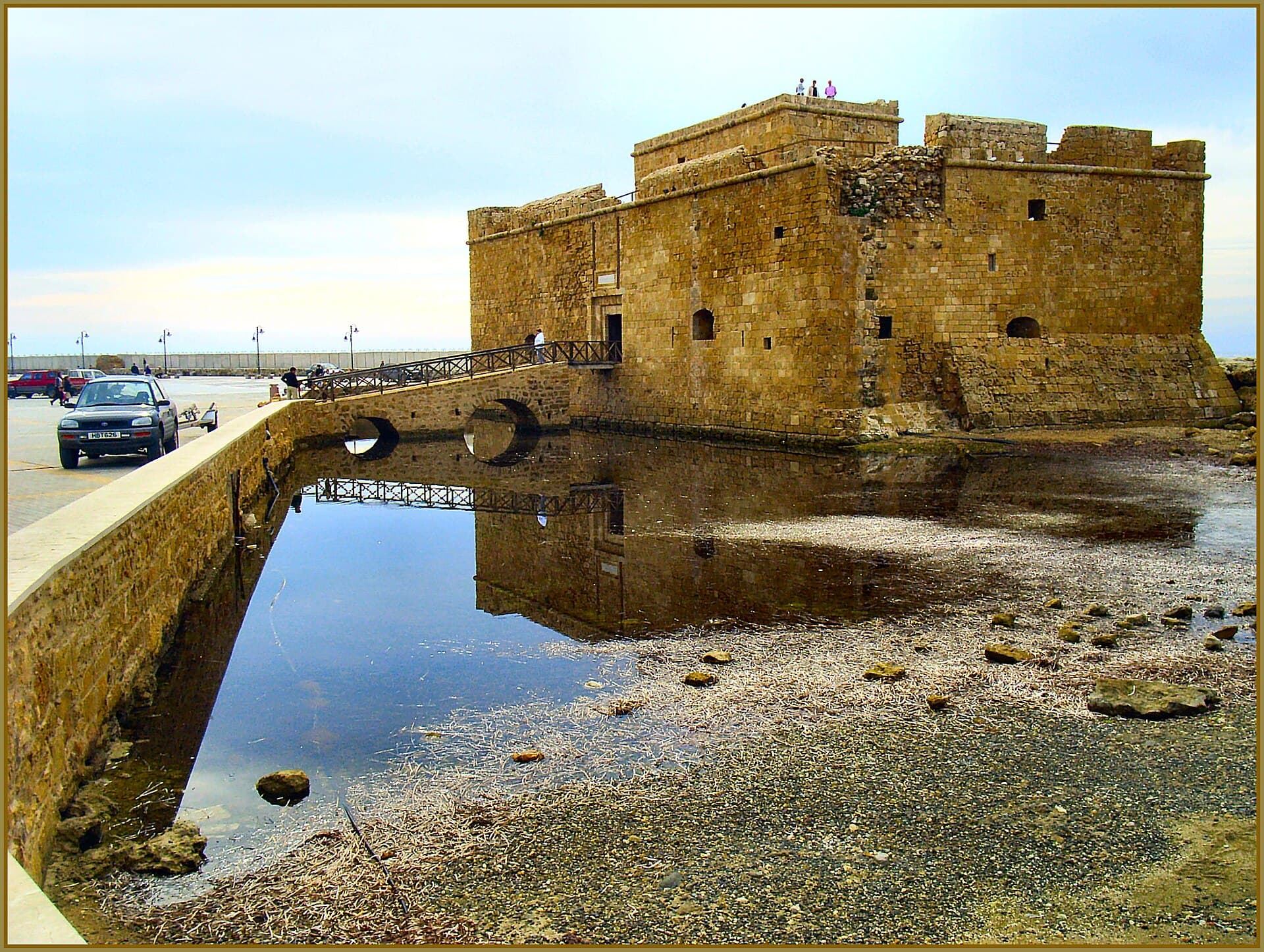
A large seaside archaeological site in Kato Paphos with the remains of Nea Paphos, founded in the late fourth century BC. It was the island's capital for much of the Ptolemaic and Roman periods and a major trading port of the eastern Mediterranean, and it has been a UNESCO World Heritage Site since 1980. Its fame rests on the mosaic floors of its Roman villas, among them the Houses of Dionysos, Theseus, Aion and Orpheus, counted among the finest surviving mosaics in the Mediterranean, with intricate geometric patterns and scenes from Greek mythology. The site also has a small odeon still in use, the agora, the sanctuary of Asklepios, the Byzantine fort of Saranda Kolones («Forty Columns»), the remains of an Early Christian basilica and a modern white lighthouse looking over it all. The site is open to the sun, so go in the morning with a hat and water. Shelters cover the main mosaic floors, and the entrance is a few minutes from the harbour and Paphos Castle.
In the villas.
Still in use.
A Byzantine fort.
Kato Paphos, by the harbour
The Roman mosaic floors of the Houses of Dionysos, Theseus, Aion and Orpheus, among the finest surviving mosaics in the Mediterranean.