
The baobab
Since 1910.
Joelkaula — CC BY-SA 4.0 · RaphaelHolanda19 — CC BY-SA 4.0 · GLandovsky — CC BY-SA 4.0 · GLandovsky — CC BY-SA 4.0 · GLandovsky — CC BY-SA 4.0 · ErikaMarinho — CC BY-SA 4.0 · David Moraes — CC BY-SA 3.0
The Praça dos Mártires, known as the Passeio Público, is the oldest square in Fortaleza, looking out to sea and shaded by century-old trees, most famously a baobab planted by Senator Pompeu in 1910. The city council fixed its present name on 11 January 1879. It is called the Martyrs' Square because revolutionaries of the Confederation of the Equator, among them Azevedo Bolão and Feliciano Carapinima, were executed there in 1825. It was built in 1890 in neoclassical style and remodelled in 1940 on the model of Rio de Janeiro's Passeio Público. The state's first football matches were played here between sailors from ships in port, resident Englishmen and local young men, and it was listed by the national heritage institute in 1965. After years of neglect in the 1990s it was restored and handed back to the public on 6 October 2007, bringing families back along with cafés and restaurants. It makes a short stroll among the trees of the historic centre, near the Estação das Artes.
Since 1910.
From the square.
Martyrs' Square.
Historic centre of Fortaleza, Ceará
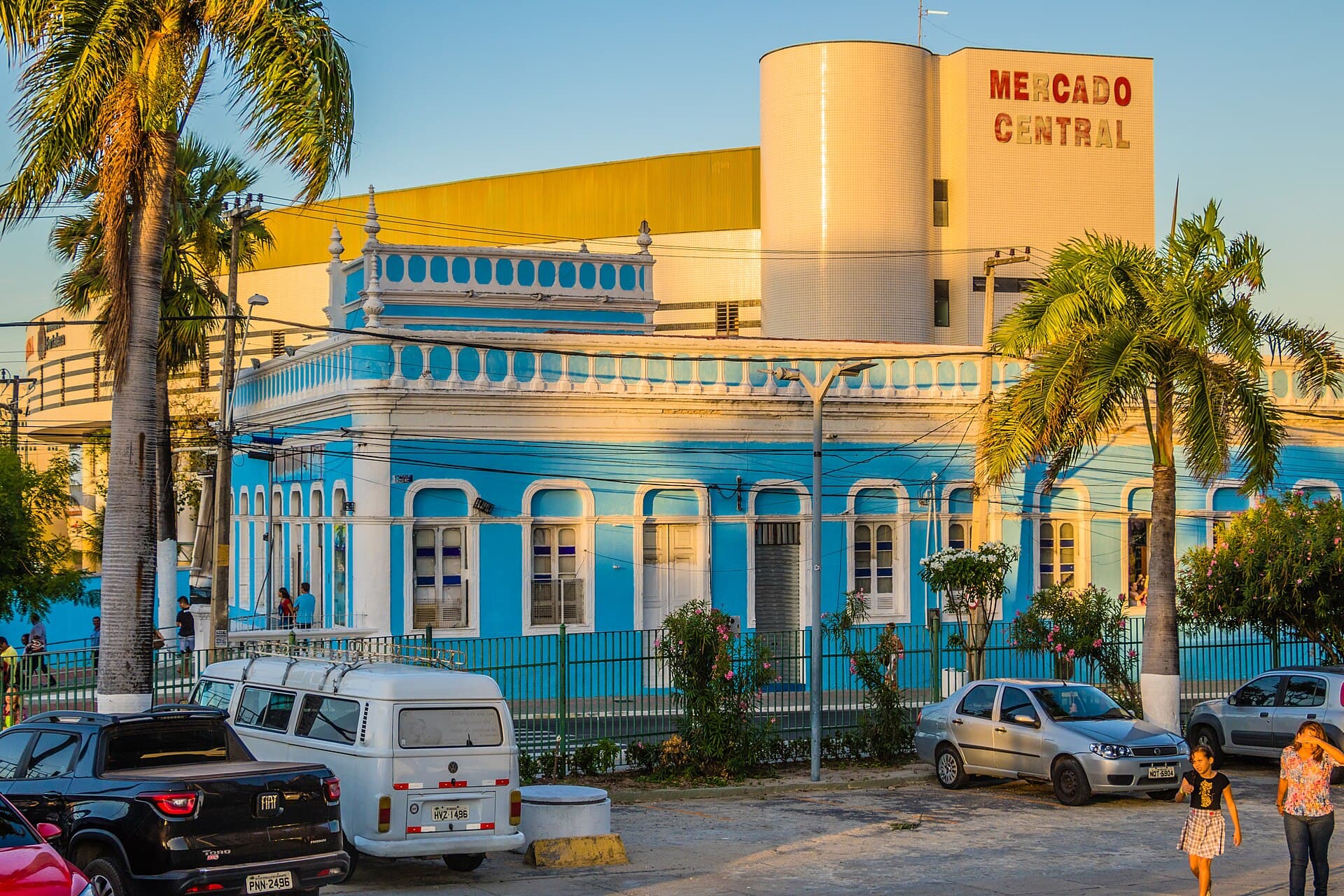 Mercado Central, FortalezaThe Mercado Central is Fortaleza's biggest handicraft market, in the city centre3 minutes walk4.3
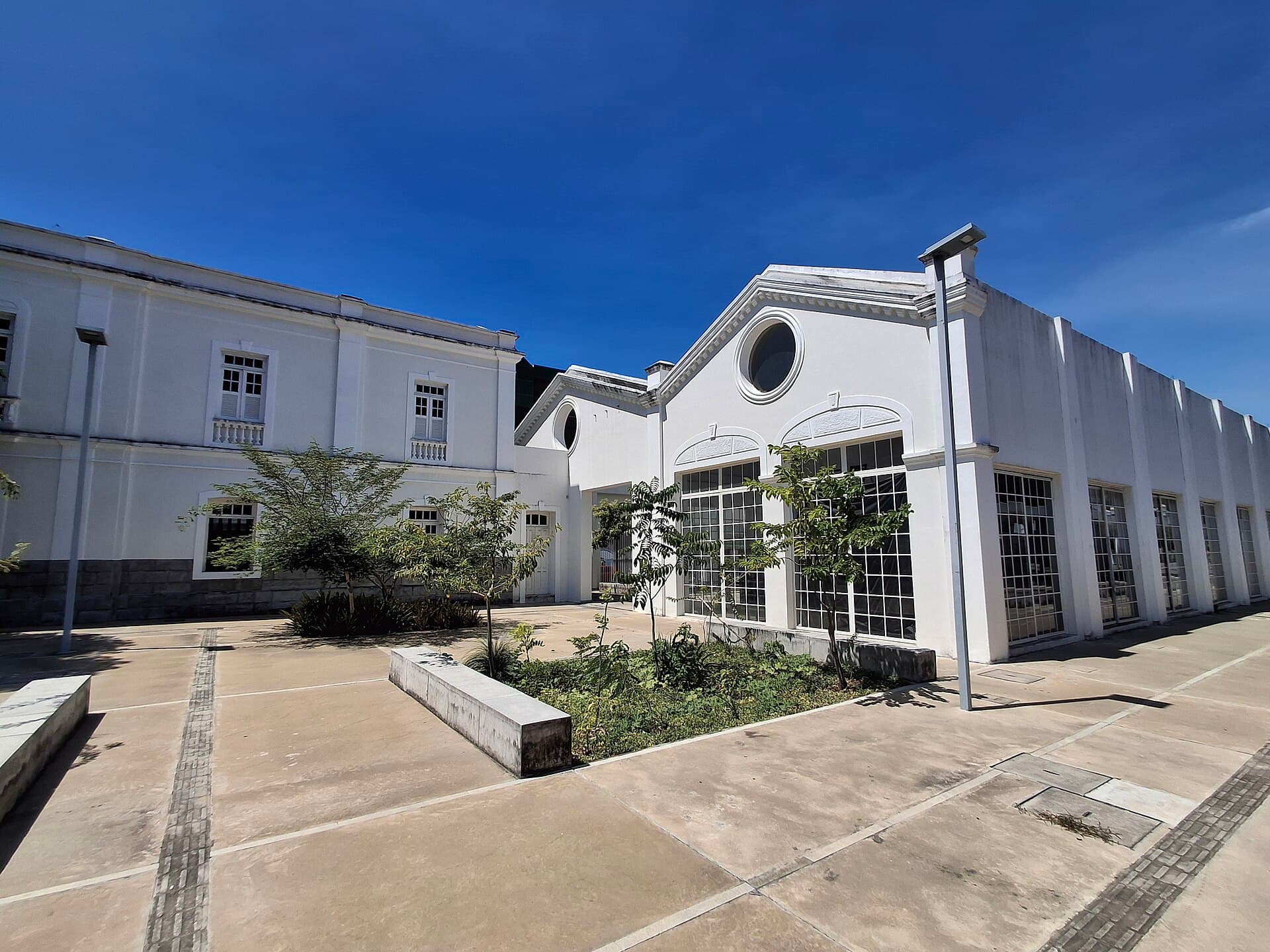 Estação das Artes BelchiorThe Estação das Artes Belchior cultural complex, known as the Estação das Artes,5 minutes walk4.9
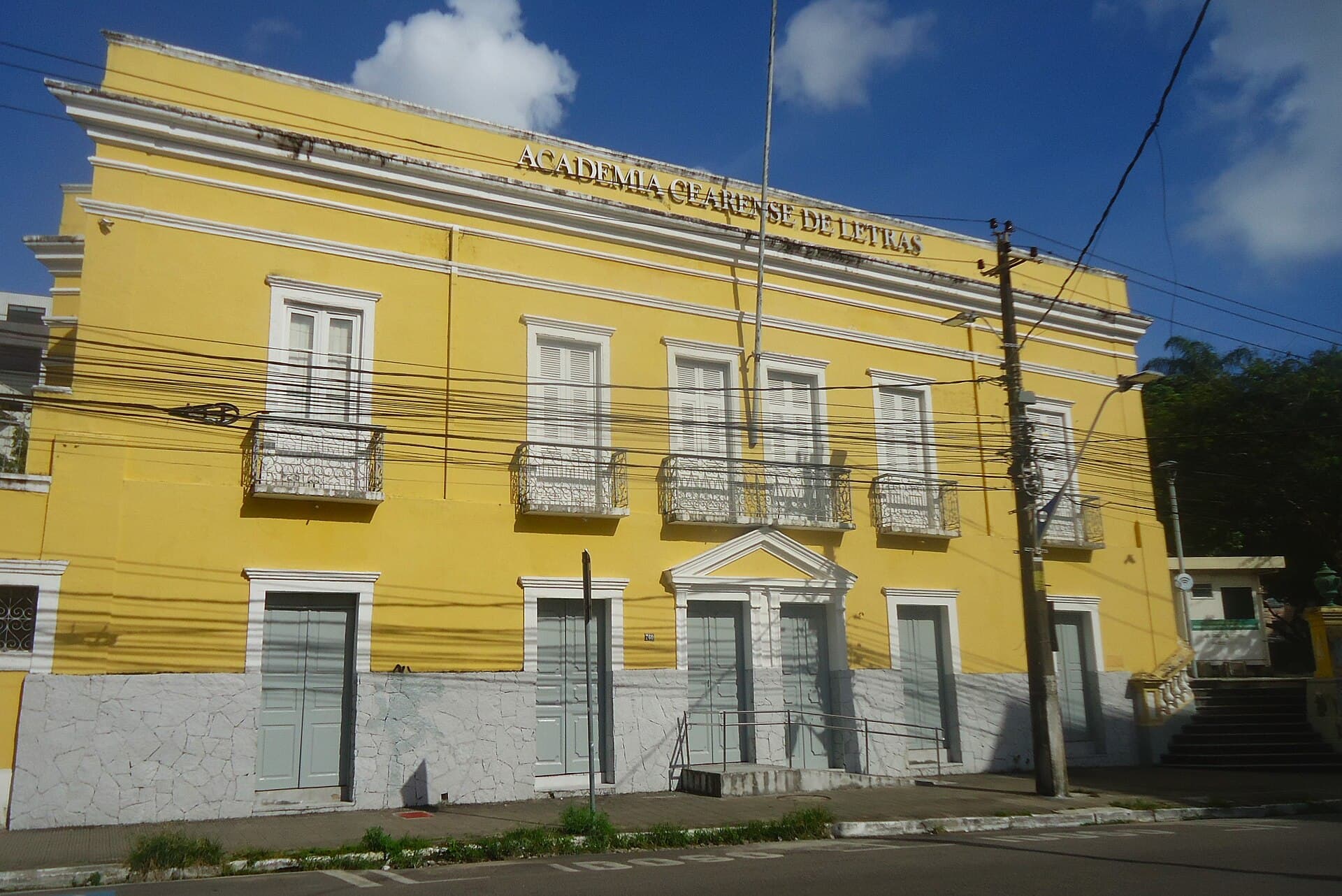 Palácio da Luz (Fortaleza)The Palácio da Luz is a historic building in central Fortaleza that was the seat7 minutes walk4.6
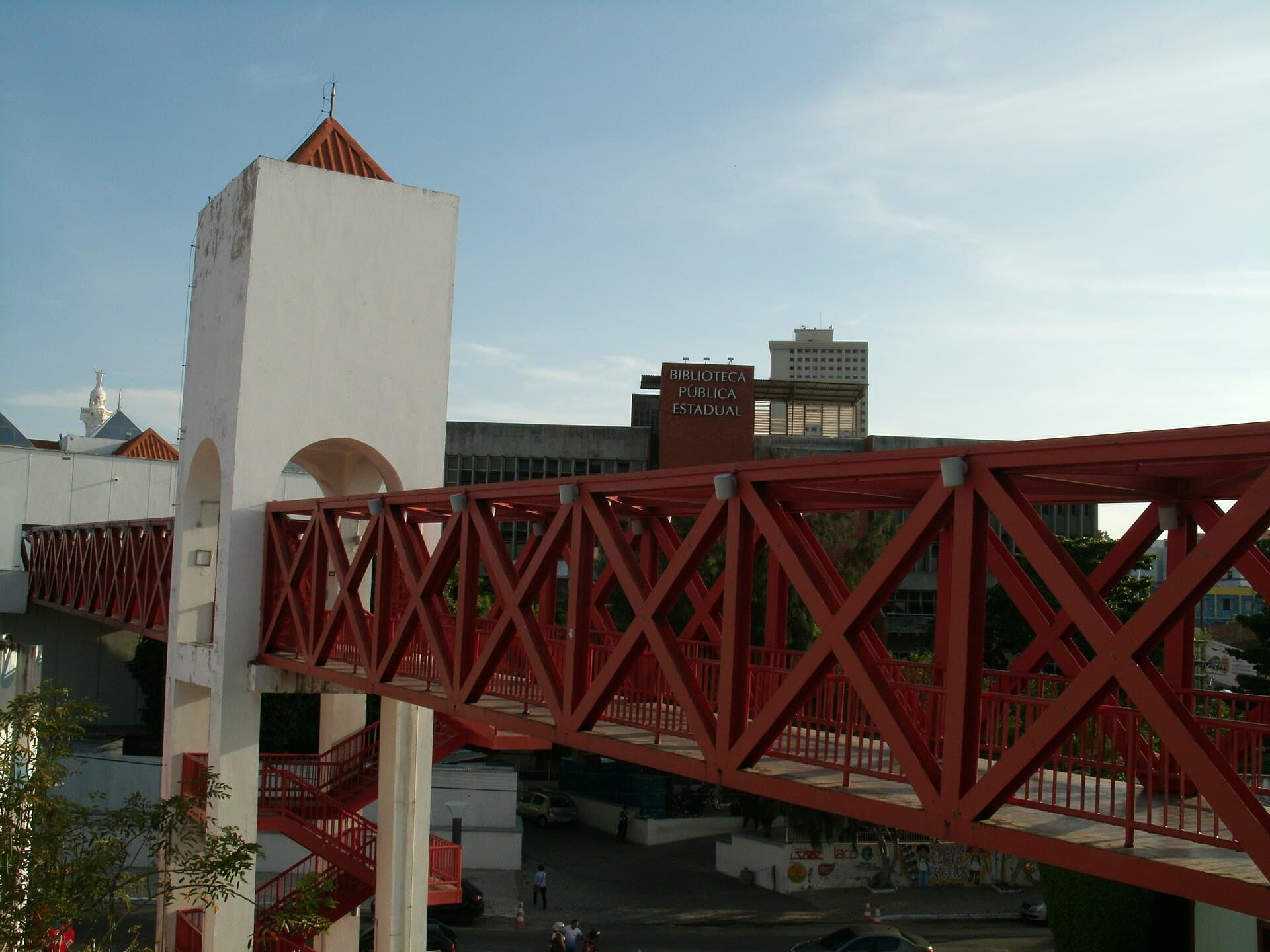 Dragão do Mar Centre of Art and CultureThe Dragão do Mar Centre is a large cultural complex of 30,000 square metres in 9 minutes walk4.4
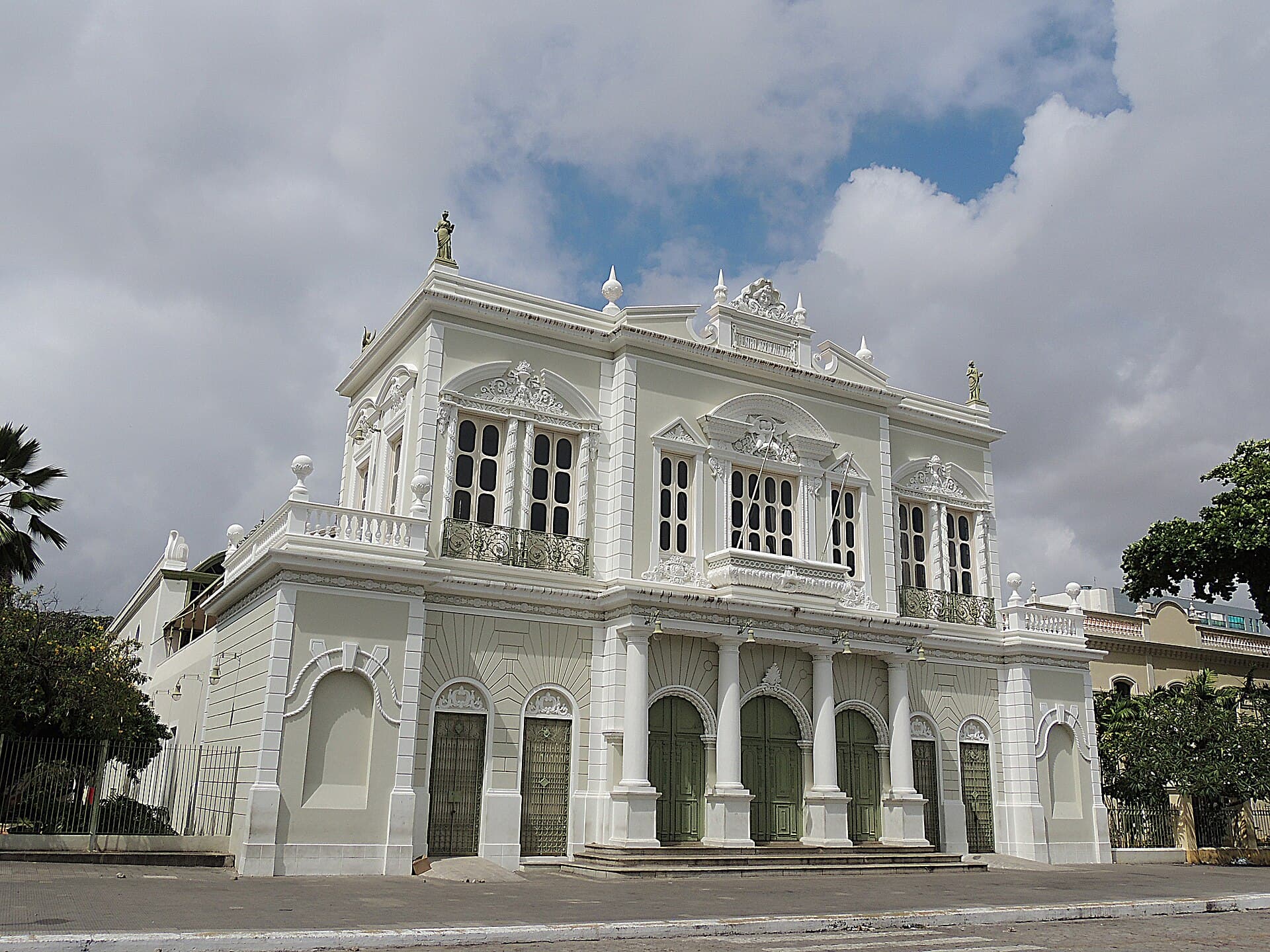 Theatro José de AlencarThe Theatro José de Alencar is the most beautiful of Fortaleza's historic buildi10 minutes walk4.6
Revolutionaries of the Confederation of the Equator were executed here in 1825.