
The square
Palms and statues.
WeHaKa — CC BY-SA 4.0 · Apincheira — CC BY-SA 3.0 · Apincheira — CC BY-SA 3.0 · Falk2 — CC BY-SA 4.0
Santiago's heart since its founding in 1541, when the Spanish captain Pedro de Valdivia laid out the city's streets from this square. Today it is a broad plaza shaded by palms and pines, ringed by the old capital's most important buildings. Around it stand the Metropolitan Cathedral with its stone façade and twin towers, the Central Post Office, the Real Audiencia palace, home to the National History Museum, which tells Chile's story from colonial times to the twentieth century, and the city hall. At its centre are a statue of Valdivia on horseback, a fountain and a monument to the indigenous peoples. The square buzzes all day: chess players under awnings, painters, vendors and street musicians. Pedestrian streets lead off to the Central Market and to the government quarter and La Moneda Palace. Go by day, as the area quietens in the evening. Watch for pickpockets and phone snatching in crowded spots, as in any big city.
Palms and statues.
Chile's story.
Under the awnings.
Historic centre of Santiago, Plaza de Armas metro station
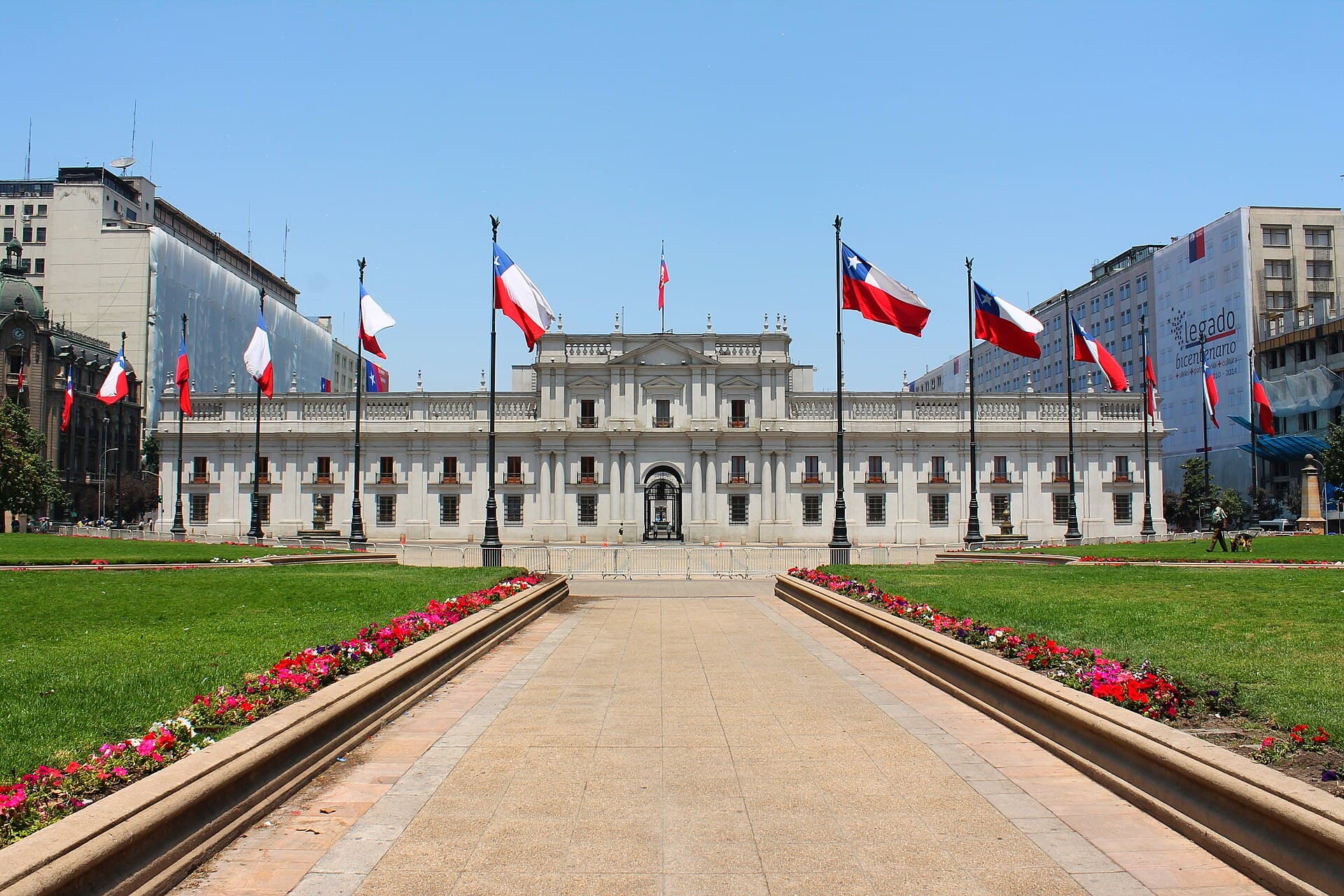 La Moneda PalaceChile's presidential seat, a broad white neoclassical palace designed by the Ita7 minutes walk4.7
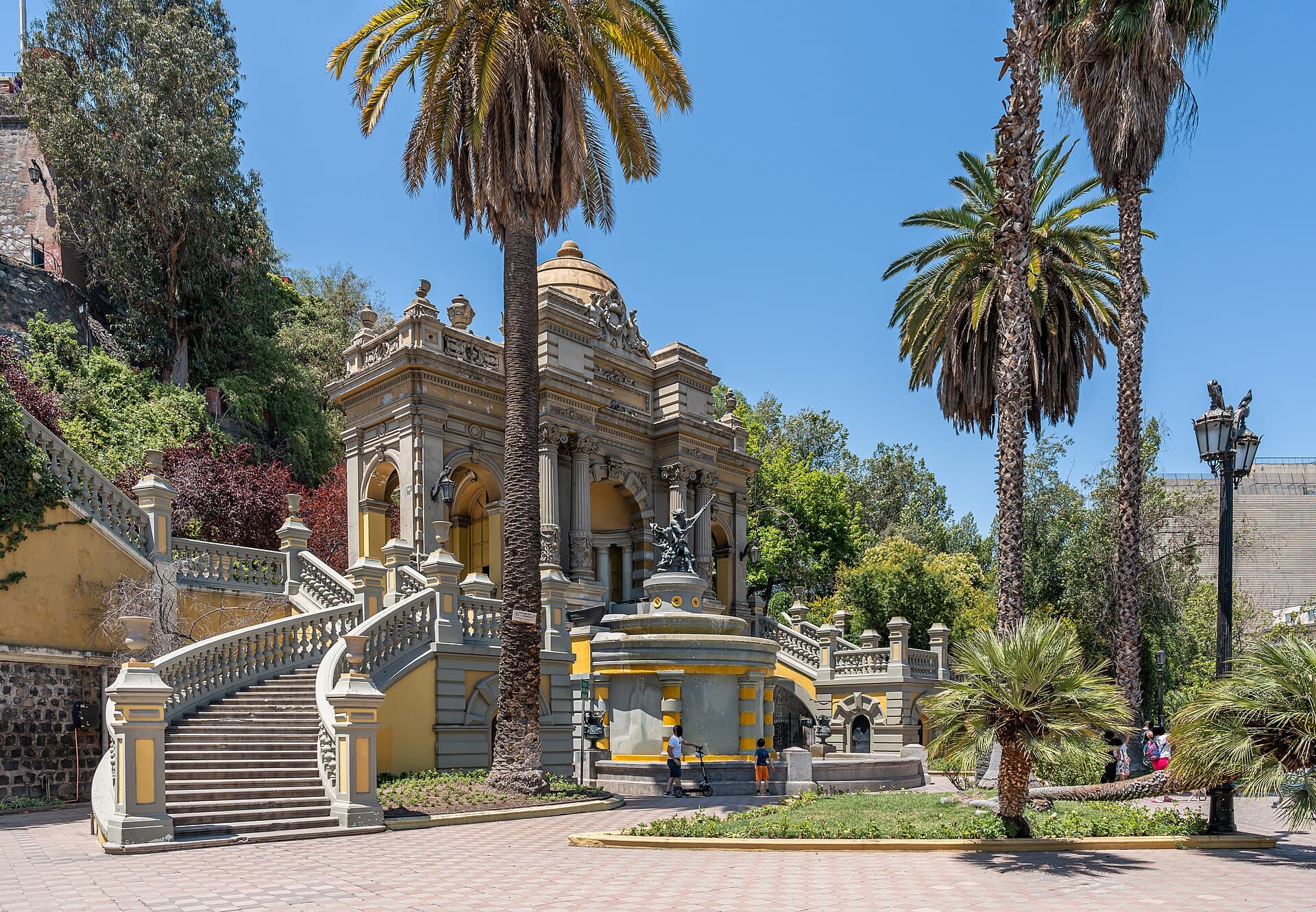 Cerro Santa LucíaA small rocky hill in central Santiago, called Huelén in Mapudungun, at whose fo9 minutes walk4.5
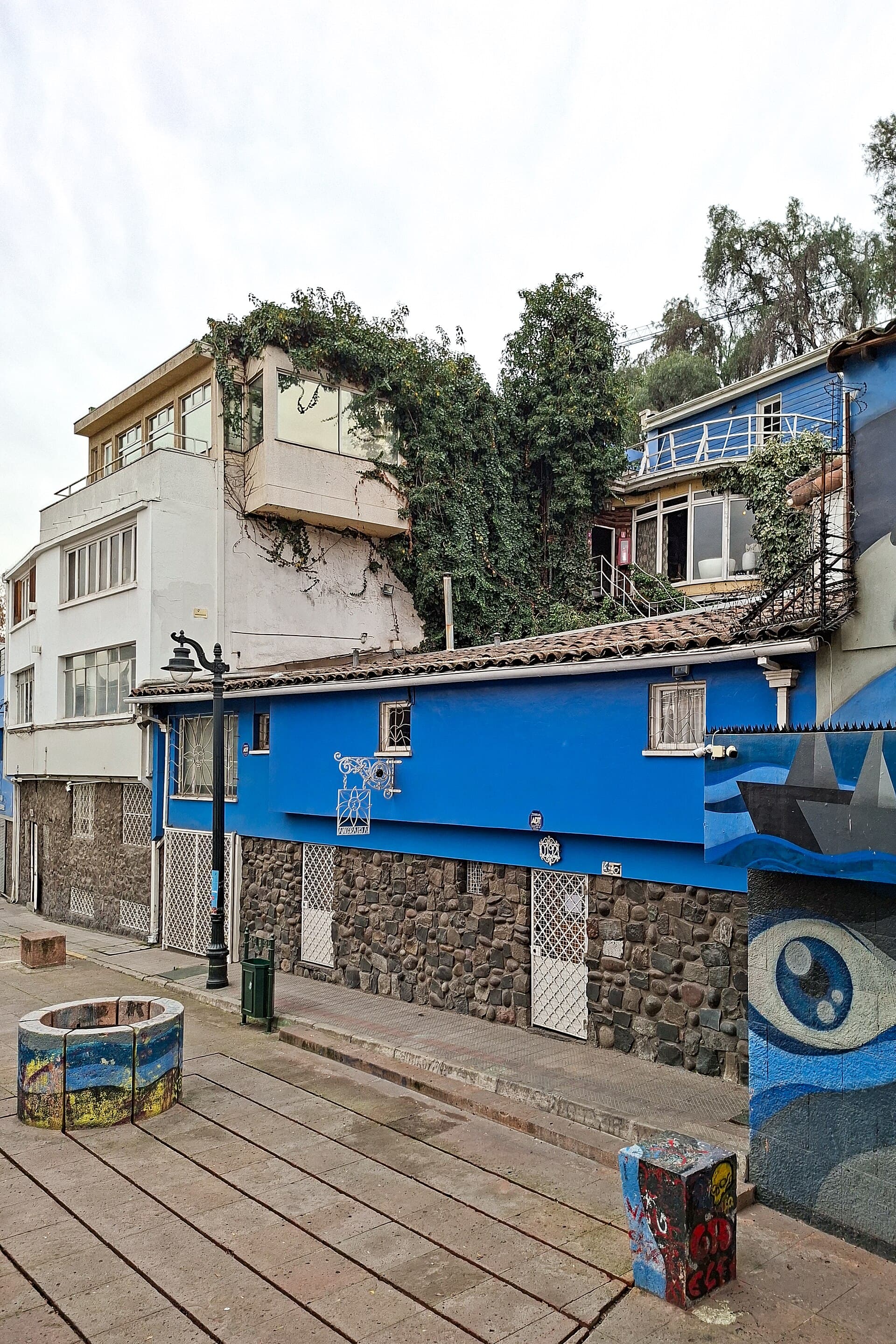 La Chascona, Neruda's HouseThe house of the Chilean poet Pablo Neruda, winner of the 1971 Nobel Prize in Li21 minutes walk4.7
Busy and fairly safe by day with police around, but watch for pickpockets and phone snatching, and avoid it late at night.