Government Palace
Classical façade.
Parallelepiped09 — CC BY-SA 4.0 · Dimitry B. from London — CC BY 2.0 · Mario Falcetti — CC BY 4.0
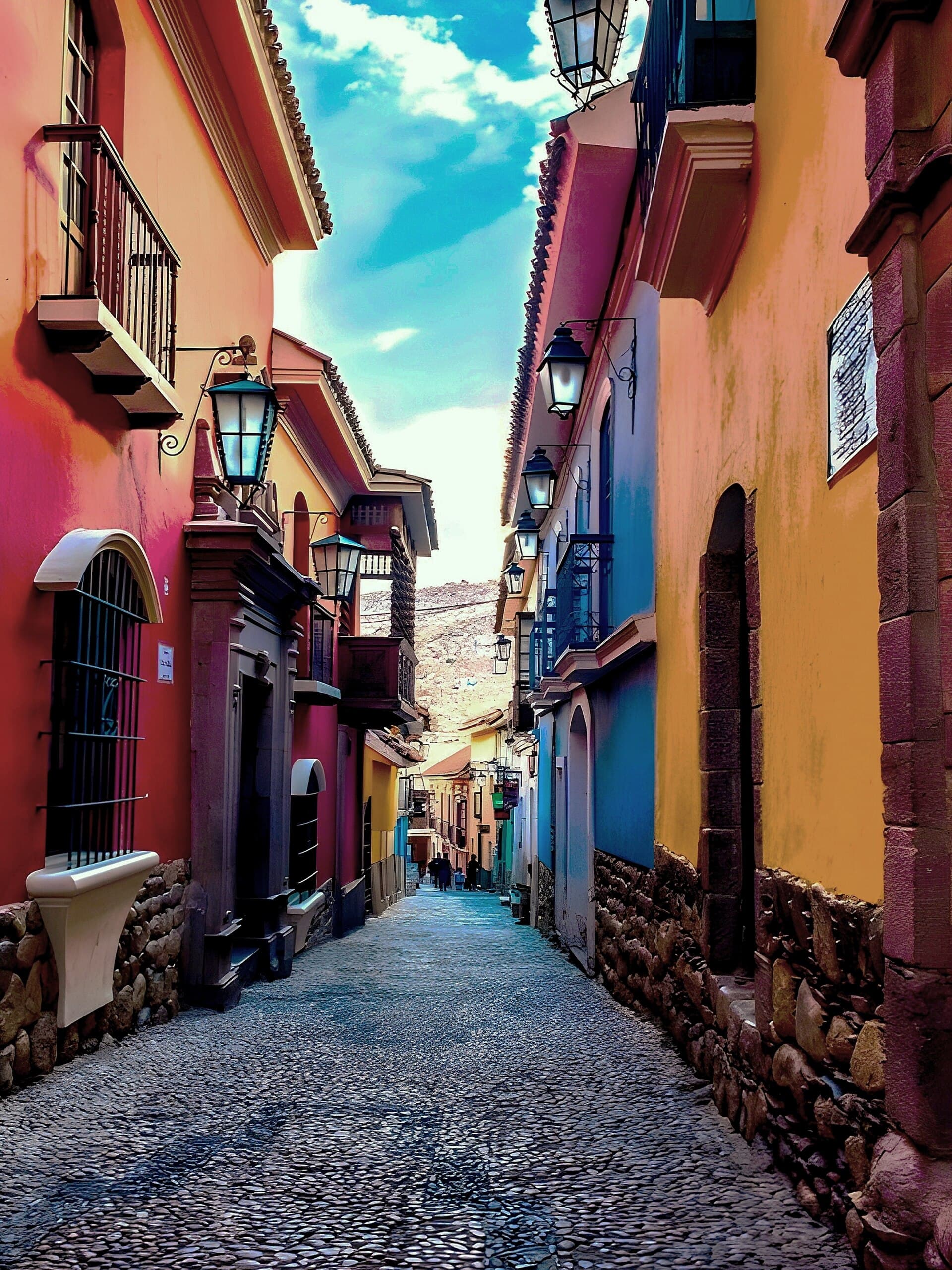
La Paz's main square and the heart of Bolivian political life, named after Pedro Domingo Murillo, a nineteenth-century independence hero, whose statue stands on a monument at its centre amid a garden of trees, fountains and benches. Around it stand the country's key buildings: the old Government Palace with its classical façade, the modern presidential seat in a tall tower behind it, the Legislative Palace with its dome and clock, and the stone cathedral. Honour guards in traditional uniforms stand before the palaces. The square is busy all day with residents, vendors and flocks of pigeons fed by children, and steep streets of the old city branch off to museums, markets and colonial Calle Jaén. Being the political centre, the area can see protests and demonstrations, so steer clear if crowds gather. La Paz sits at about 3,600 metres, so take your first days slowly and drink plenty of water. Bolivia is under a state of emergency with protests and road blockades, so check road conditions and your government's travel advice before the trip.
Classical façade.
Dome and clock.
Traditional uniforms.
Historic centre of La Paz
Busy and fairly safe by day, but as the political centre it can see protests, so keep away from any crowds.