
Goya you do not see at the Prado
Two self-portraits, The Burial of the Sardine, and a group of small dark panels made outside his commissioned work.
Carlos Delgado — CC BY-SA 3.0 · MaGrc — CC BY-SA 4.0 · MaGrc — CC BY-SA 4.0 · MaGrc — CC BY-SA 4.0
The Real Academia de Bellas Artes de San Fernando, founded by royal decree in 1752, fills an eighteenth-century palace at the Puerta del Sol end of Calle de Alcalá, five minutes' walk from the square. Part of it is a museum; the rest is a working academy. The facade is plain, and most people walk past without knowing what is inside. The reason to come is Goya. The academy holds around a dozen of his paintings: two self-portraits, The Burial of the Sardine, and small dark panels made outside his commissioned work. Alongside him hang Zurbarán, Murillo, Ribera and one Arcimboldo. Honestly: with two days in Madrid, do the Prado and the Thyssen and skip this. If you have done the Prado and want more Goya with no queues or timed entry, this is the largest concentration of his work in Madrid outside the Prado. Ten euros covers the temporary exhibitions and the Goya print cabinet; the permanent collection alone is free from 13:30 to closing on non-holiday weekdays. Timing matters most: Tuesday to Sunday until 3pm only, closed Mondays and all August, peak season for many Gulf visitors.
Two self-portraits, The Burial of the Sardine, and a group of small dark panels made outside his commissioned work.
The Calcografía Nacional, in the same building, holds the 228 copper plates Goya etched himself. Since the Gabinete Goya was rebuilt they are shown in full — Caprichos, Desastres, Tauromaquia, Disparates — stripped back to bare copper, and the general ticket covers them.
No timed tickets and no line: you walk in off the street and see Zurbarán, Murillo, Ribera and Arcimboldo in near-empty rooms.
Calle de Alcalá 13, 28014 Madrid, Spain
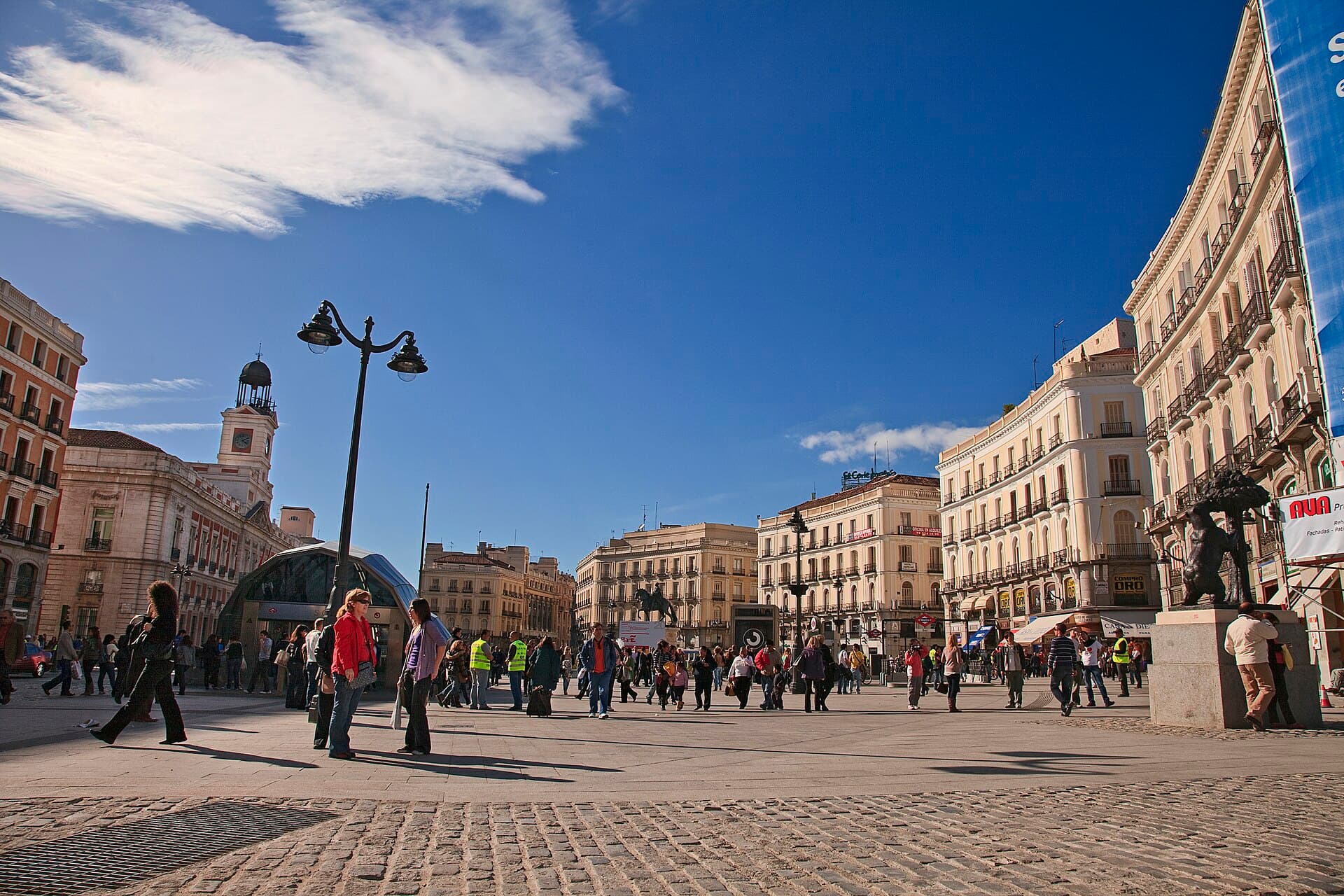 Puerta del SolThe Puerta del Sol is Spain's literal point zero: the Kilometre Zero plaque befo3 minutes walk4.7
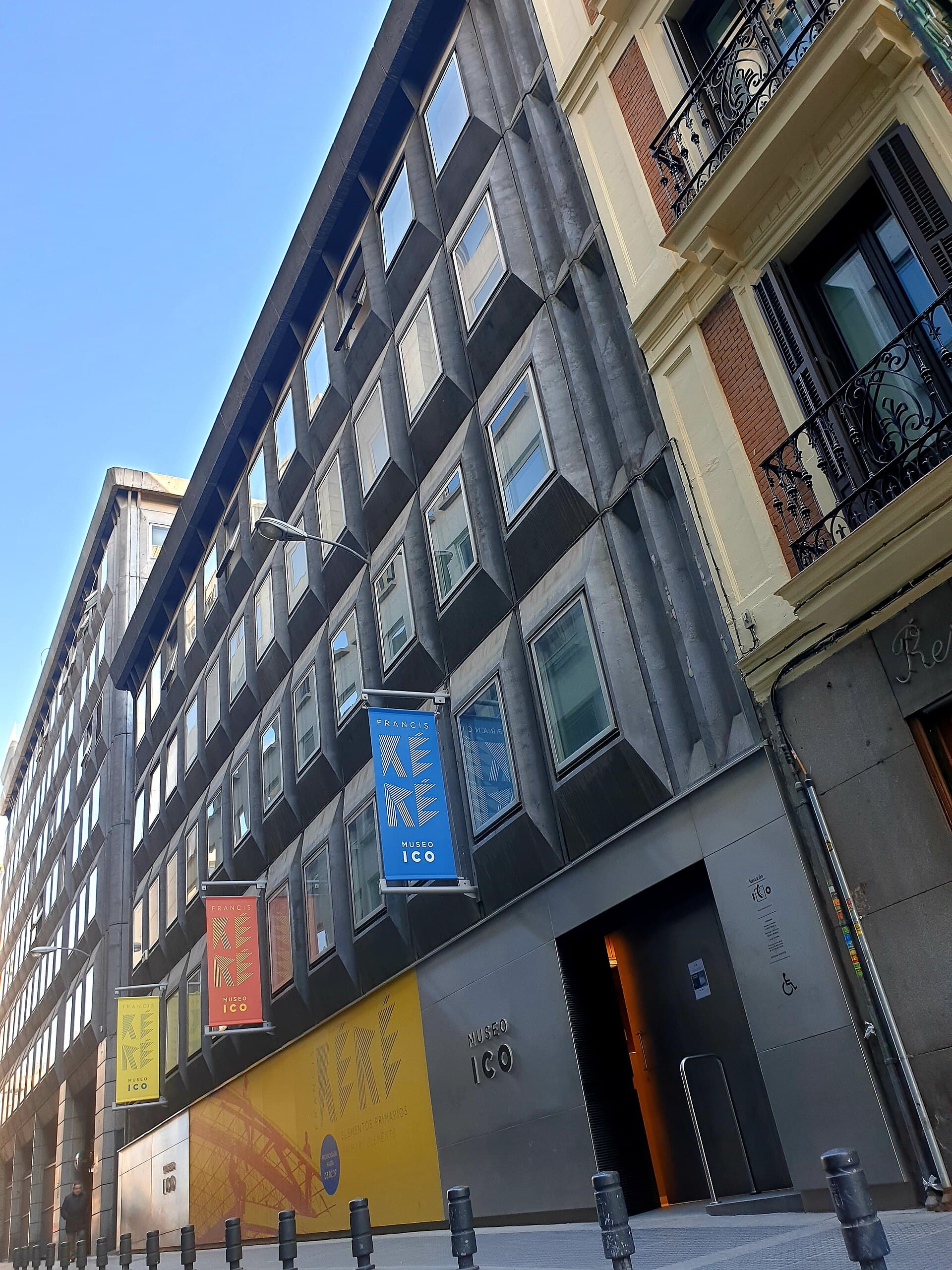 Museo ICOOn a quiet side street alongside the Cortes building, a short walk from Madrid's3 minutes walk4.6
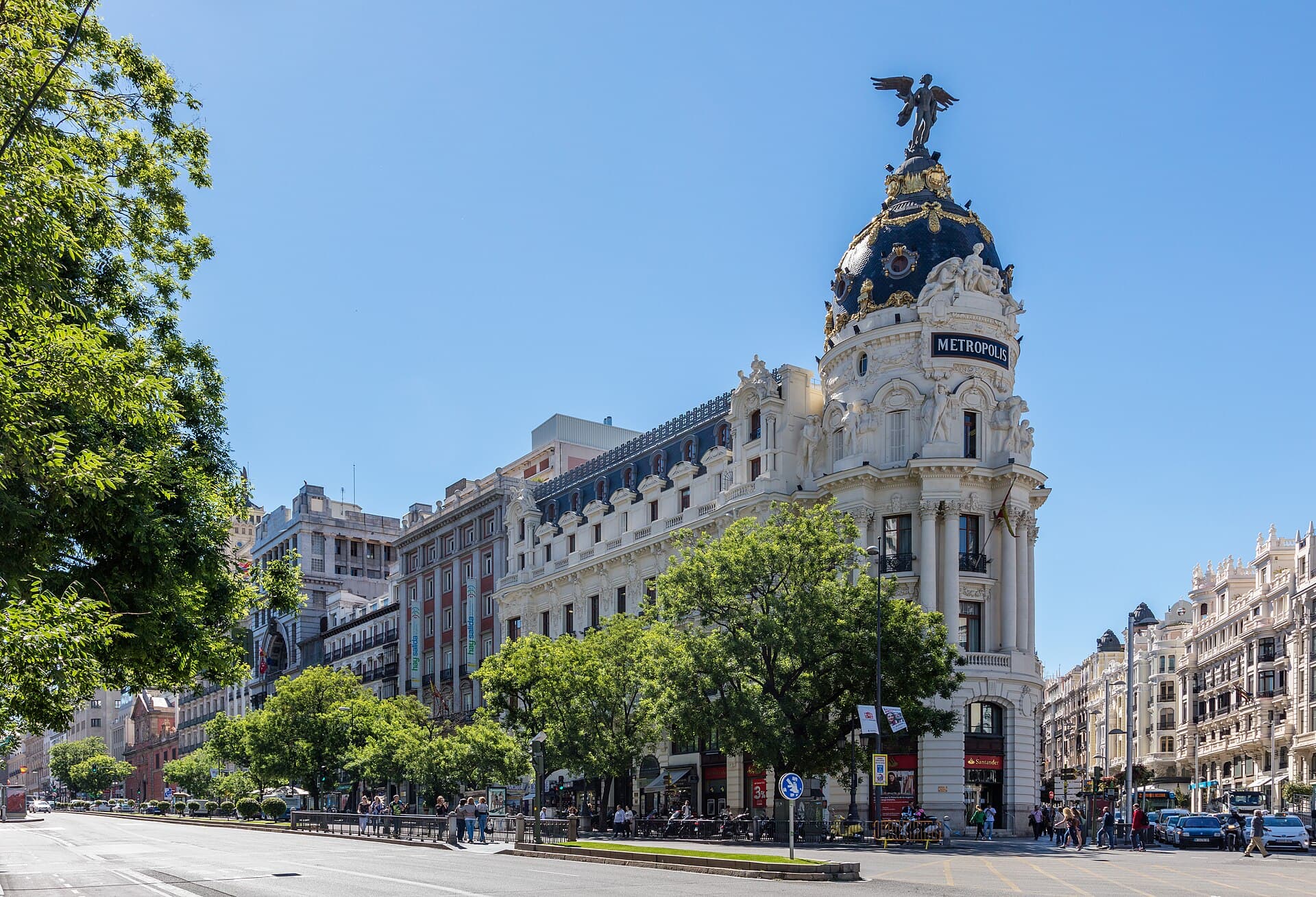 Metropolis BuildingMetropolis Building stands on the corner where Calle de Alcalá runs into the sta4 minutes walk4.8
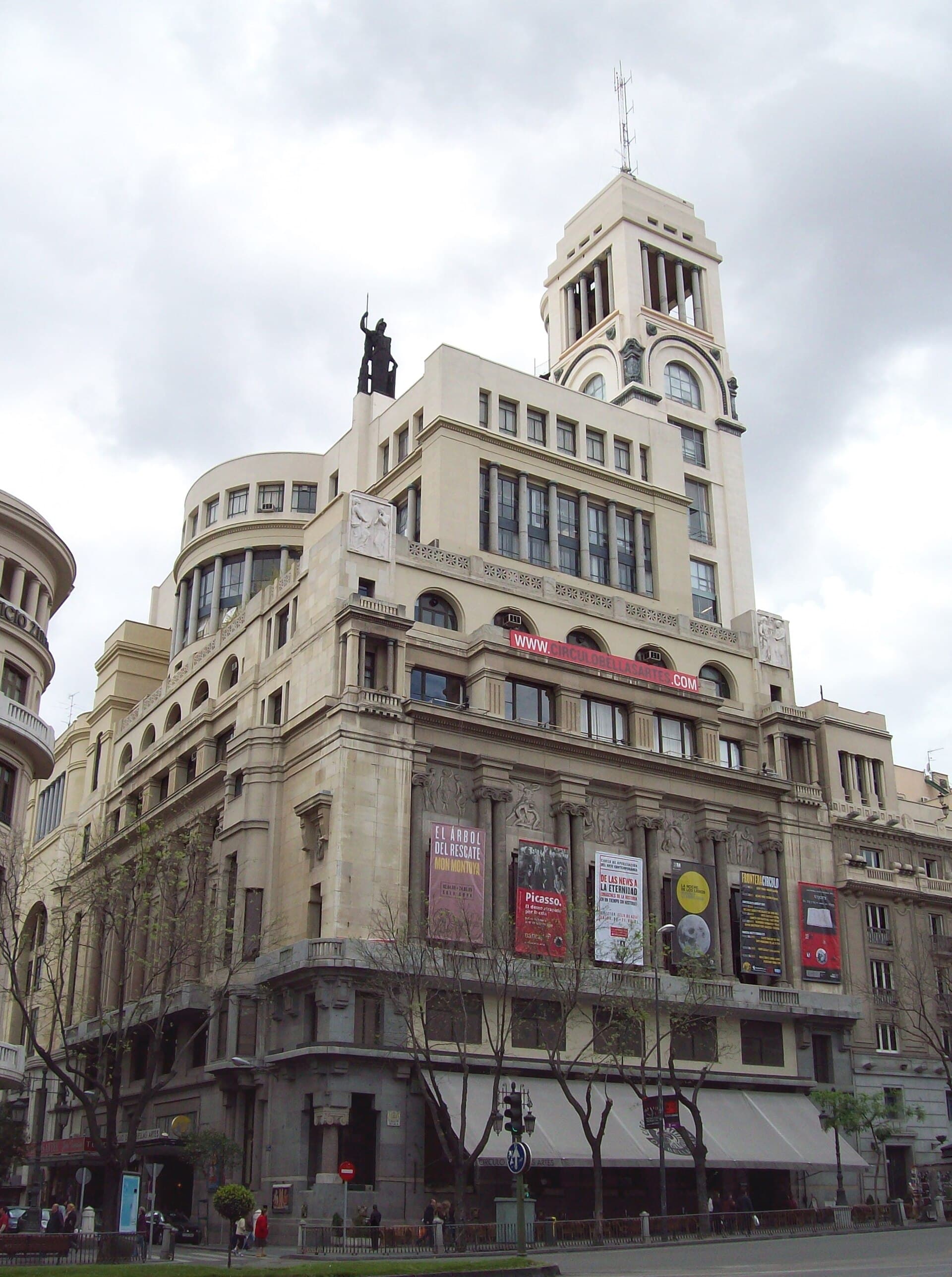 Círculo de Bellas ArtesA heavy 1920s block on Calle de Alcalá, designed by Antonio Palacios for a priva4 minutes walk4.3
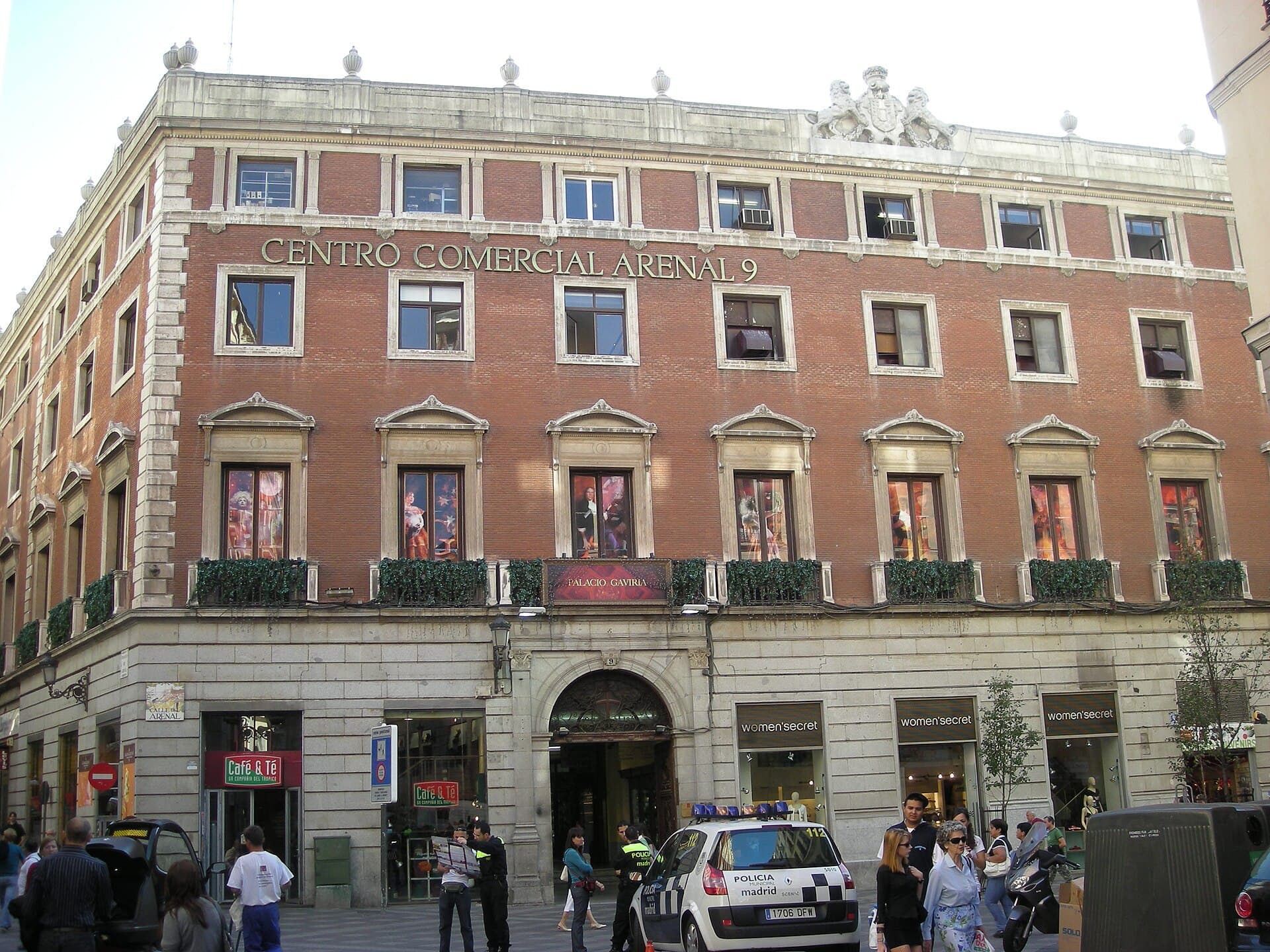 Palacio de GaviriaPalacio de Gaviria is a mid-19th-century mansion built for a wealthy banker on C6 minutes walk4.4
If Goya specifically interests you, yes: what is here is different from what hangs in the Prado, and the rooms are quiet. But if you only have two or three days in Madrid, the Prado, the Thyssen and the Reina Sofía come first, and this is one for a second trip.
It does not open in August at all, which matters for Gulf travellers because that is when most of them travel. The rest of the year it opens Tuesday to Sunday from 10am to 3pm and closes on Mondays, so it has to be a morning visit. An hour to ninety minutes is enough.
Metro Sol (lines 1, 2 and 3) and Sevilla (line 2) are both about five minutes away on foot. The building stands at the start of Calle de Alcalá, a short walk up from Puerta del Sol toward Cibeles, in an area full of restaurants and cafes, so it folds easily into a walk that also takes in Plaza Mayor or Cibeles.