
Eight locks
Worked by hand.
Bobak Ha'Eri — CC BY-SA 2.5 · John.B.Codrington — CC BY-SA 4.0 · Jeangagnon — CC BY-SA 4.0 · Timothyclethbridge — CC BY-SA 4.0
A historic waterway opened in 1832, running 202 kilometres from Ottawa to Kingston on Lake Ontario, counted as the oldest continuously operated canal system in North America and listed by UNESCO as a World Heritage Site in 2007. The canal begins in downtown Ottawa at the Ottawa Locks, a flight of eight locks in a row that lower boats to the Ottawa River beside Parliament Hill, still worked by hand with the old cranks in summer, a sight that draws onlookers. On both banks in the city run tree-shaded walking and cycling paths, with tour boats in summer. In winter the canal freezes into one of the world's largest naturally frozen skating rinks, nearly eight kilometres long, where people even skate to work, lined with stands selling the famous BeaverTails pastry. Walking the banks and watching the locks are free, and boat trips charge. The skating rink is free and usually opens between January and February depending on the ice, though in some recent mild winters it opened only briefly or not at all. The Winterlude festival is held in February.
Worked by hand.
Winter on the canal.
On the ice.
Ottawa Locks beside Parliament Hill, downtown Ottawa
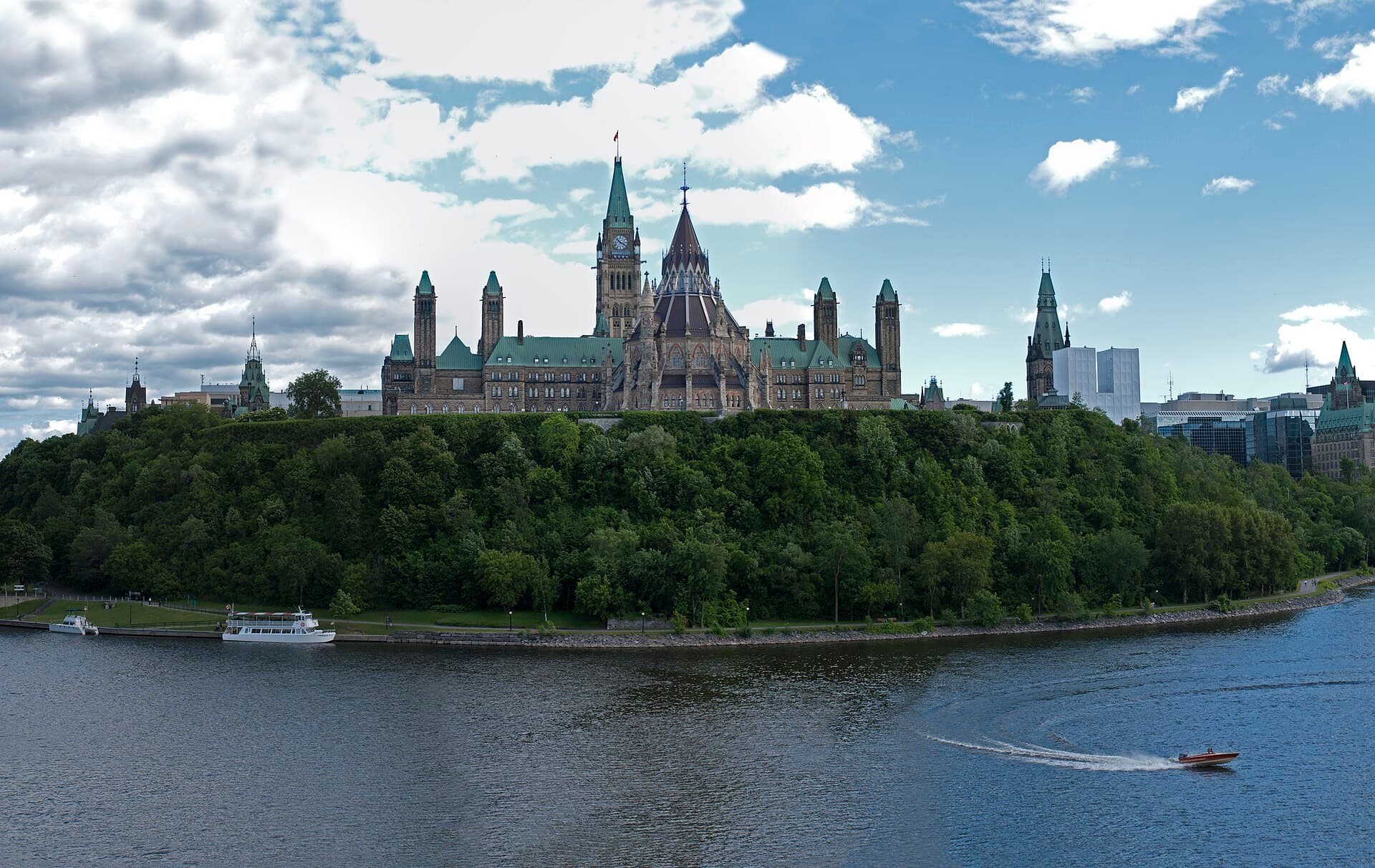 Parliament HillThe heart and symbol of Canada's capital, a group of Gothic Revival stone buildi6 minutes walk4.8
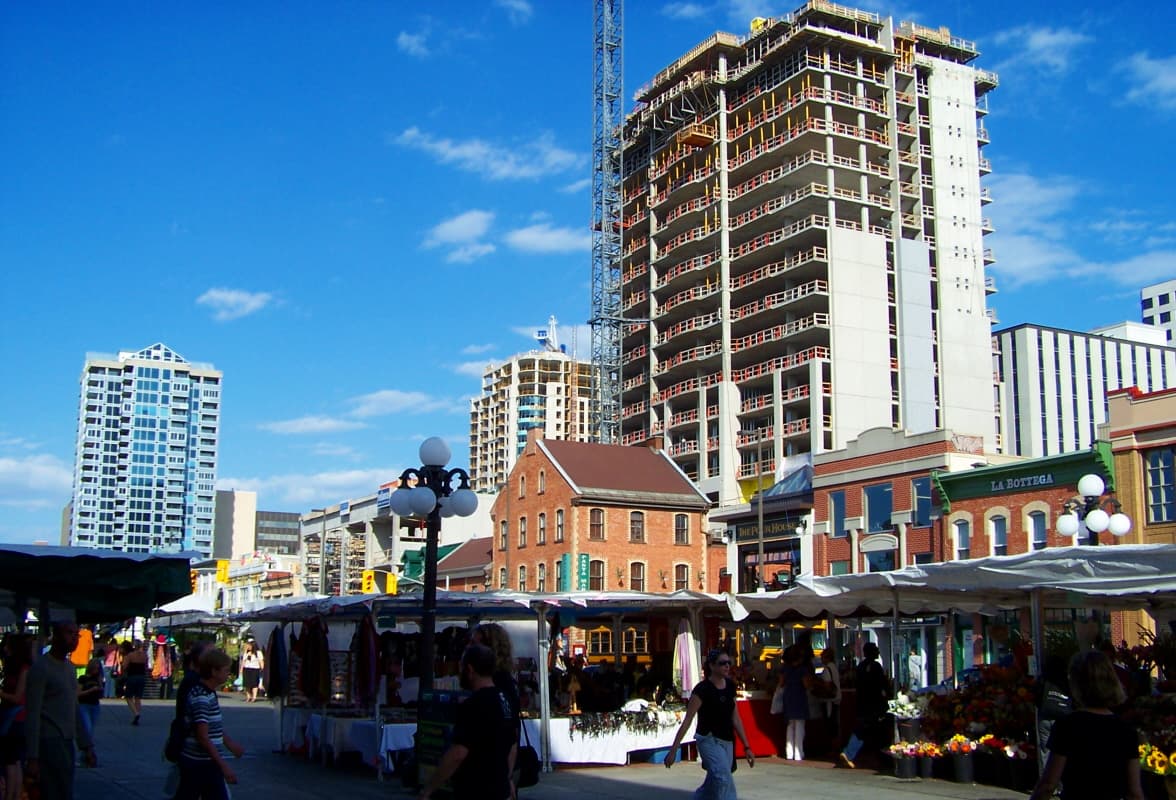 ByWard MarketOttawa's oldest and liveliest shopping district, which grew from a farmers' mark7 minutes walk
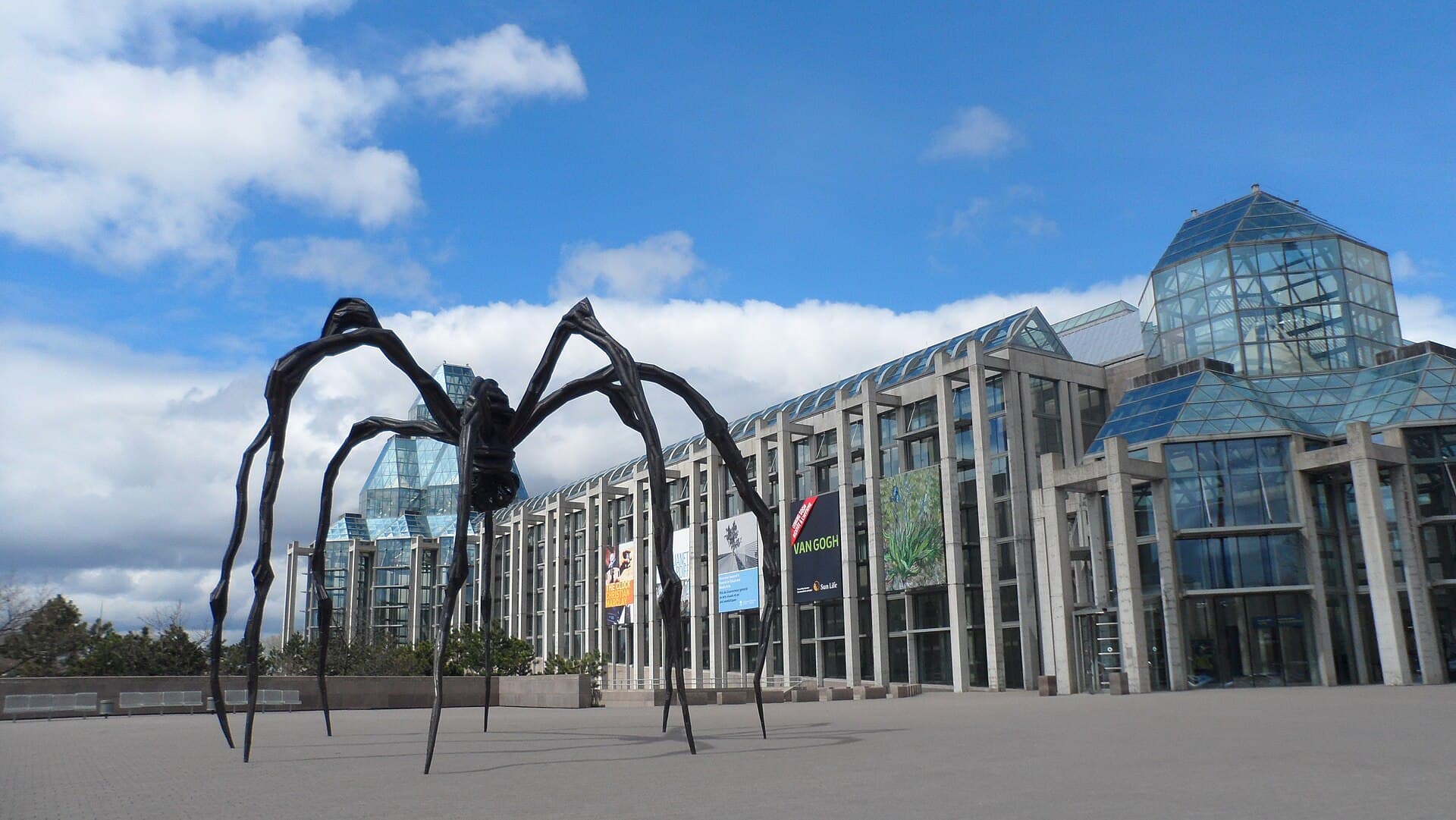 National Gallery of CanadaCanada's largest art museum, in a striking glass-and-granite building by the arc8 minutes walk4.6
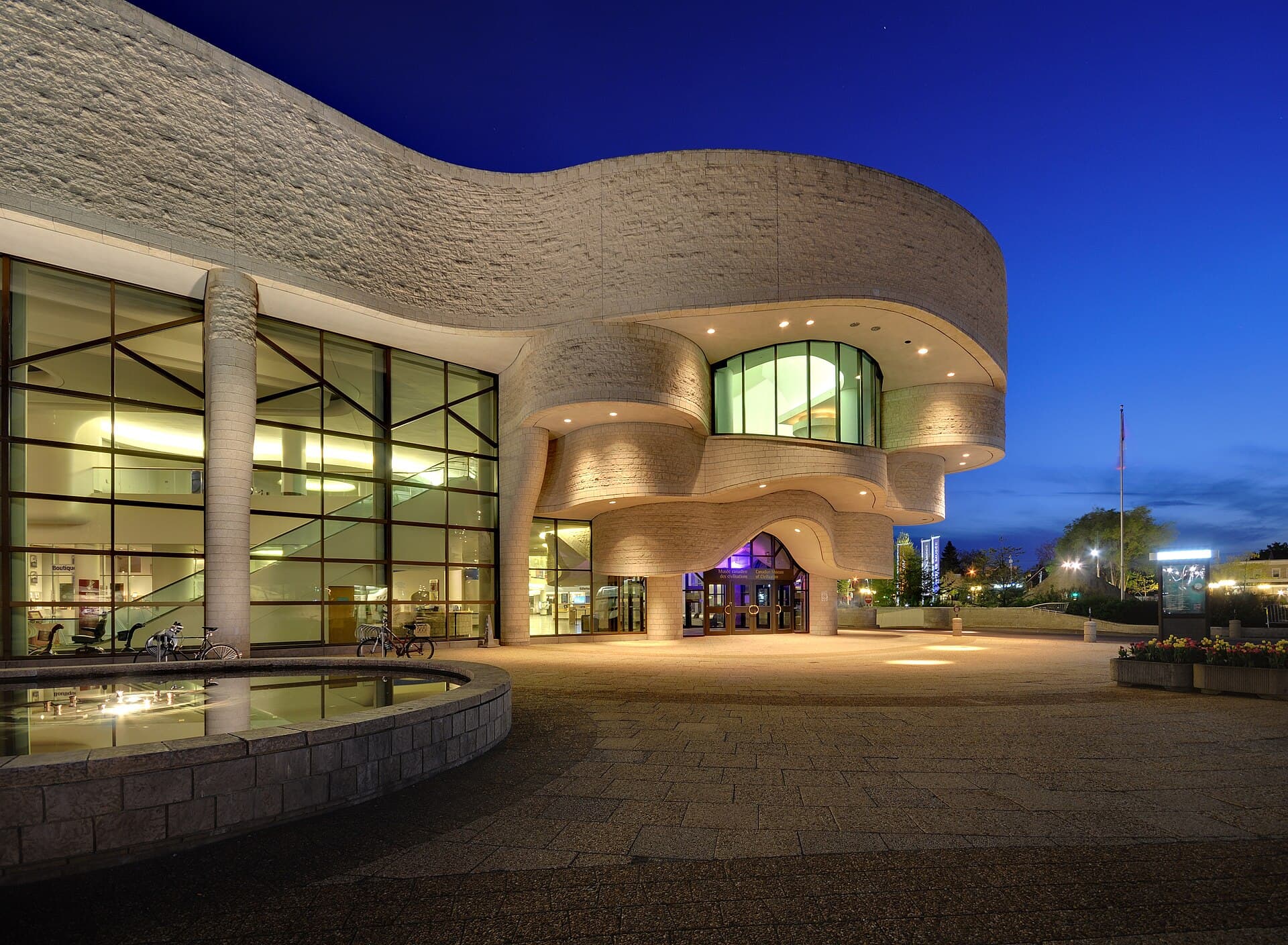 Canadian Museum of HistoryCanada's most visited museum, on the north bank of the Ottawa River in Gatineau,15 minutes walk4.6
Usually between January and February once the ice is thick enough; skating is free, though in some mild winters it has not opened.