
The stepped gables
Three stepped gables side by side that have become the symbol of Frankfurt, and the city's most photographed sight.
Thomas Wolf, www.foto-tw.de — CC BY-SA 3.0 de · Thomas Wolf (Der Wolf im Wald) — CC BY-SA 3.0 · Woelle ffm — CC BY-SA 3.0 · This image is a work by Wikipedia and Wikimedia Commons user C.Suthorn. When reusing, credit me as described in the Licensing information below. I would appreciate being notified (wikimail, talk page, — CC BY-SA 4.0
The Römer has been Frankfurt's city hall since 1405, and its three stepped gables are among the most recognisable images of Germany. It stands on Römerberg, the old square that was destroyed entirely in the Second World War and whose timber-framed houses were then rebuilt as they had been. The building still works as a city hall, and many civil weddings take place in it. Its best-known room is the Kaisersaal, the Imperial Hall, hung with fifty-two portraits of Holy Roman Emperors. The hall opens to visitors when it is not in official use.
Three stepped gables side by side that have become the symbol of Frankfurt, and the city's most photographed sight.
A long hall hung with fifty-two imperial portraits, where the coronation banquets were held.
The row of timber-framed houses opposite, rebuilt after the war in their original form.
Römerberg 27, 60311 Frankfurt
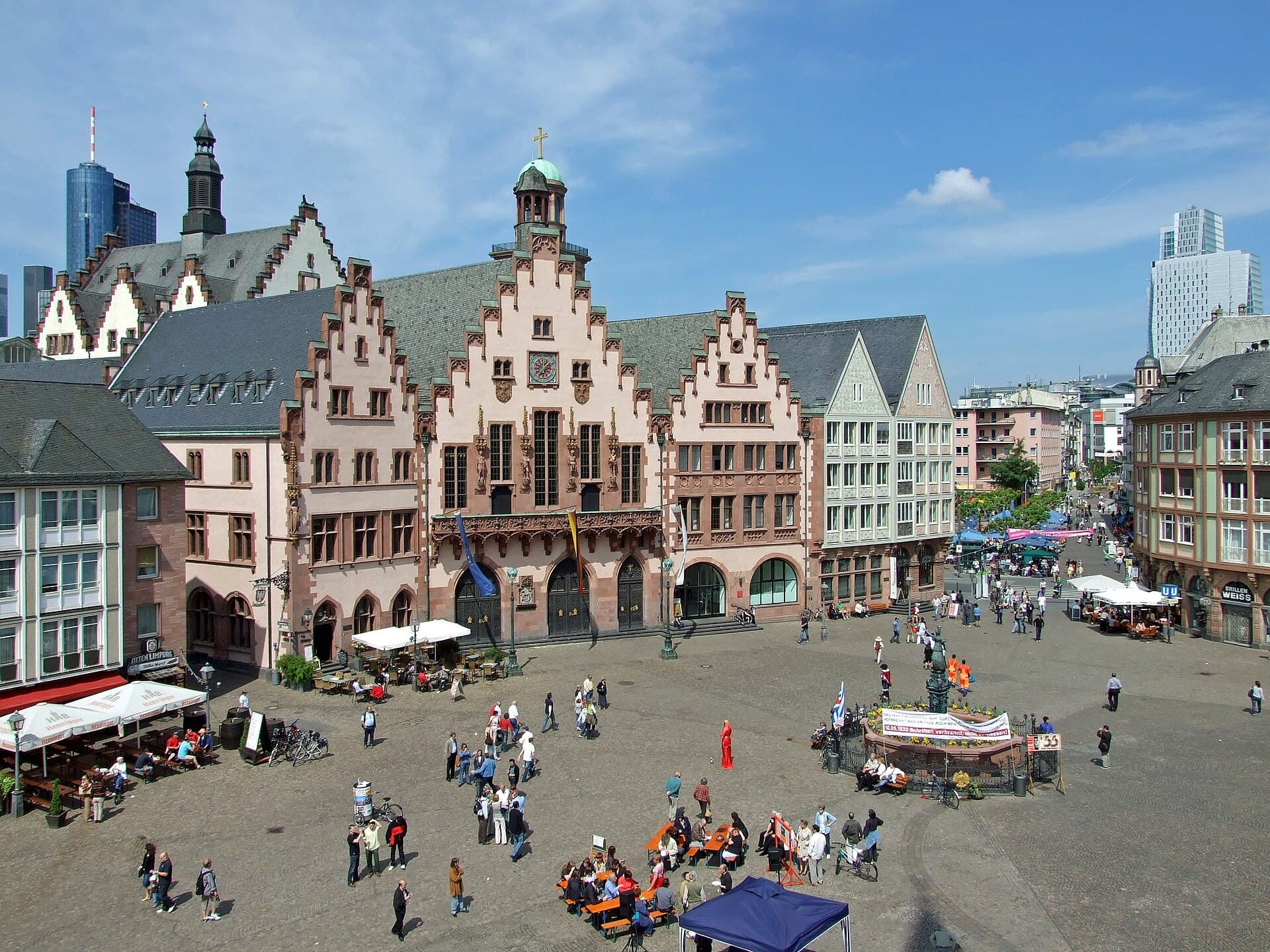 RömerbergThe Römerberg is the Frankfurt picture you know before you arrive: the square of1 minute walk4.7
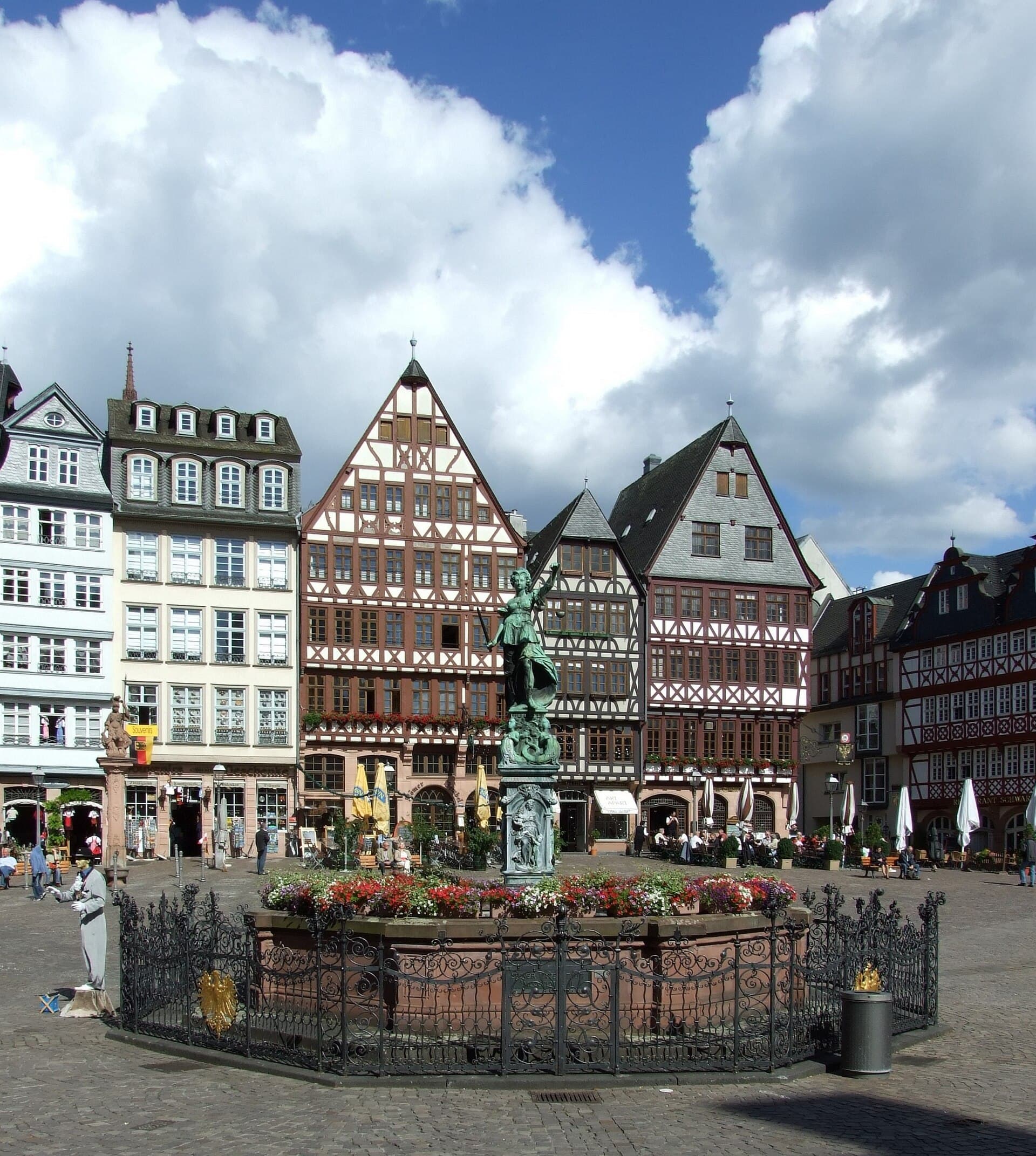 Fountain of JusticeThe Fountain of Justice stands at the centre of Römerberg in front of the Römer,1 minute walk4.8
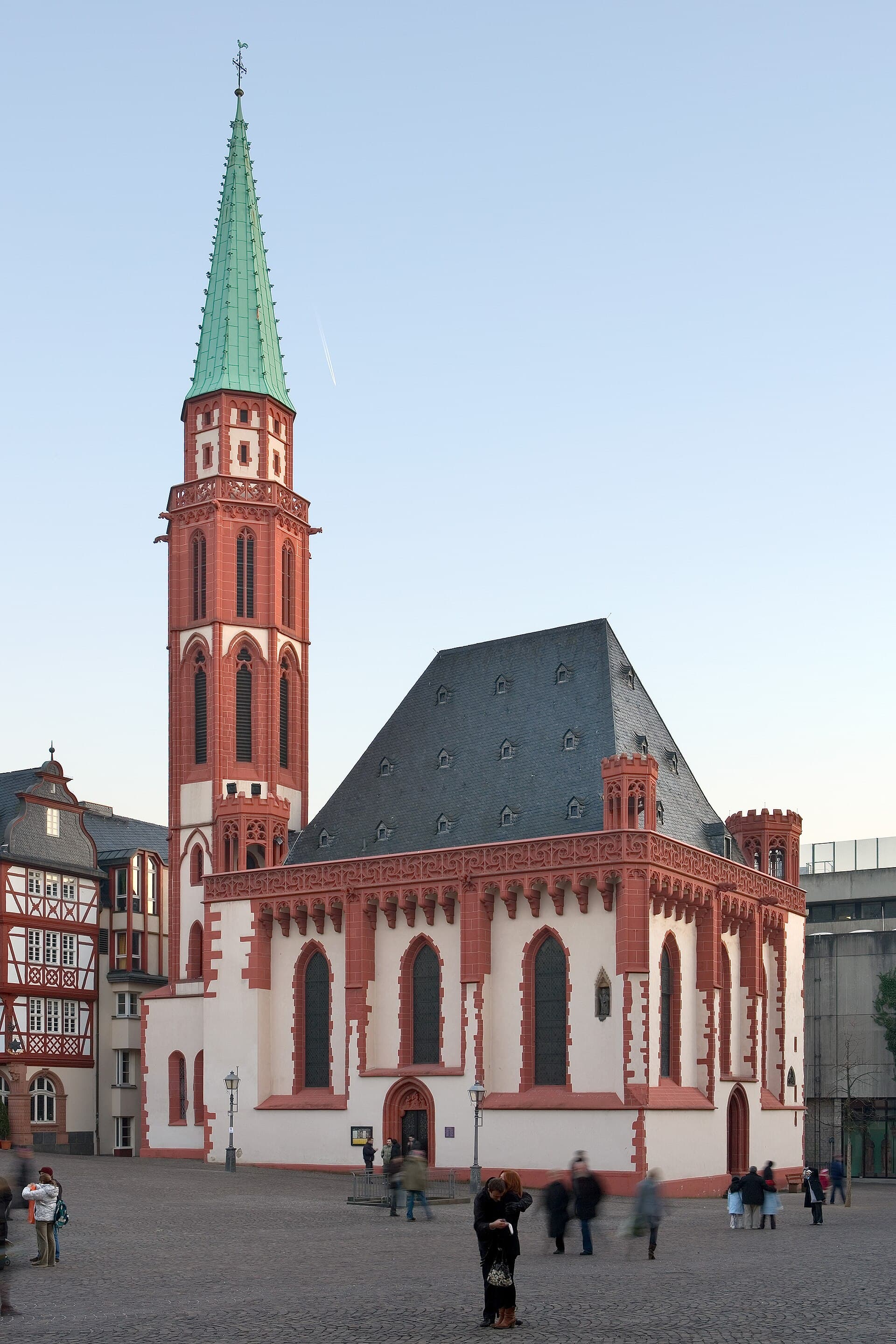 Old St Nicholas ChurchThe small red-roofed church on the south side of the Roemerberg is older than th1 minute walk4.7
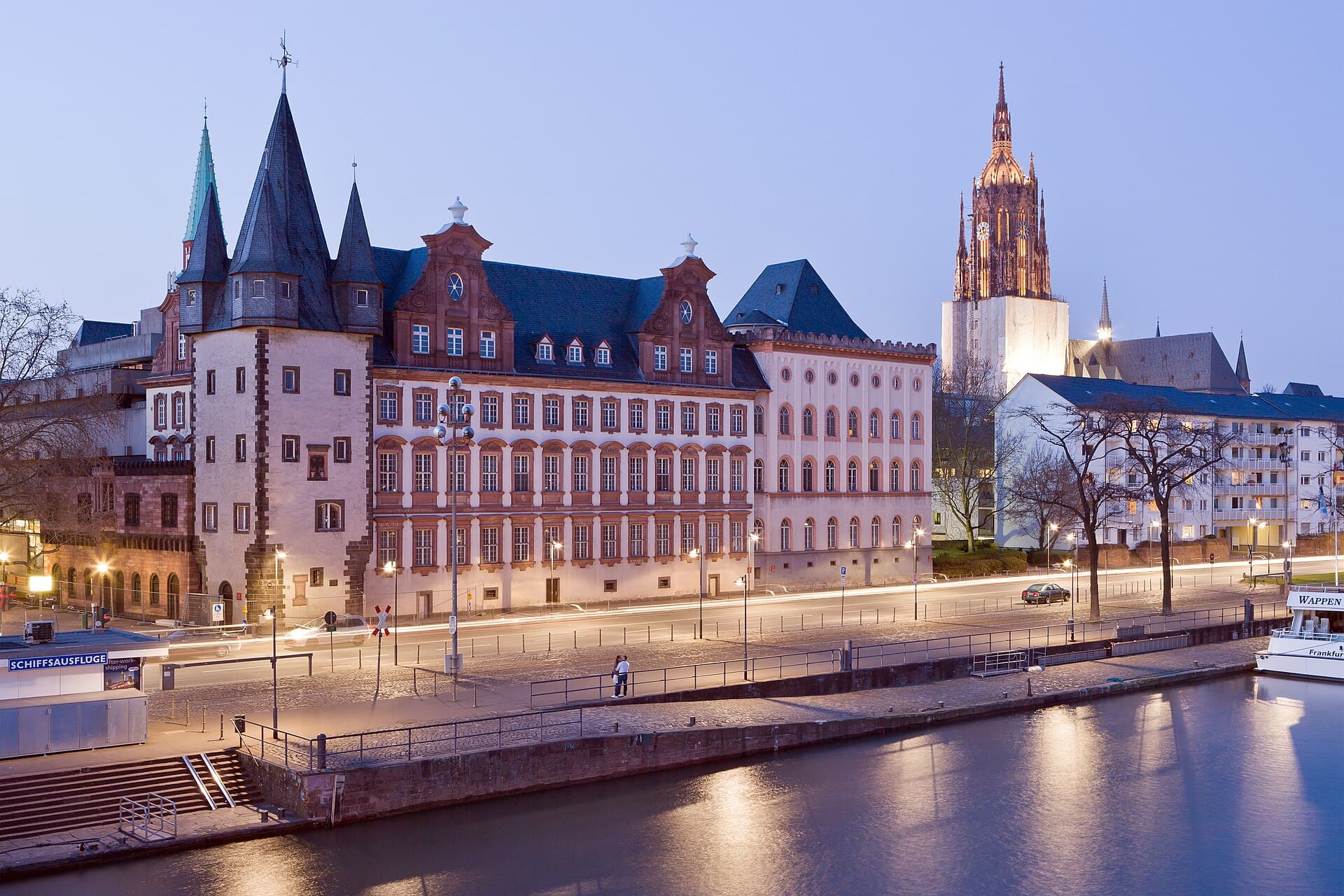 Historical Museum FrankfurtThe Historical Museum Frankfurt tells the city's story from the Middle Ages to t1 minute walk4.2
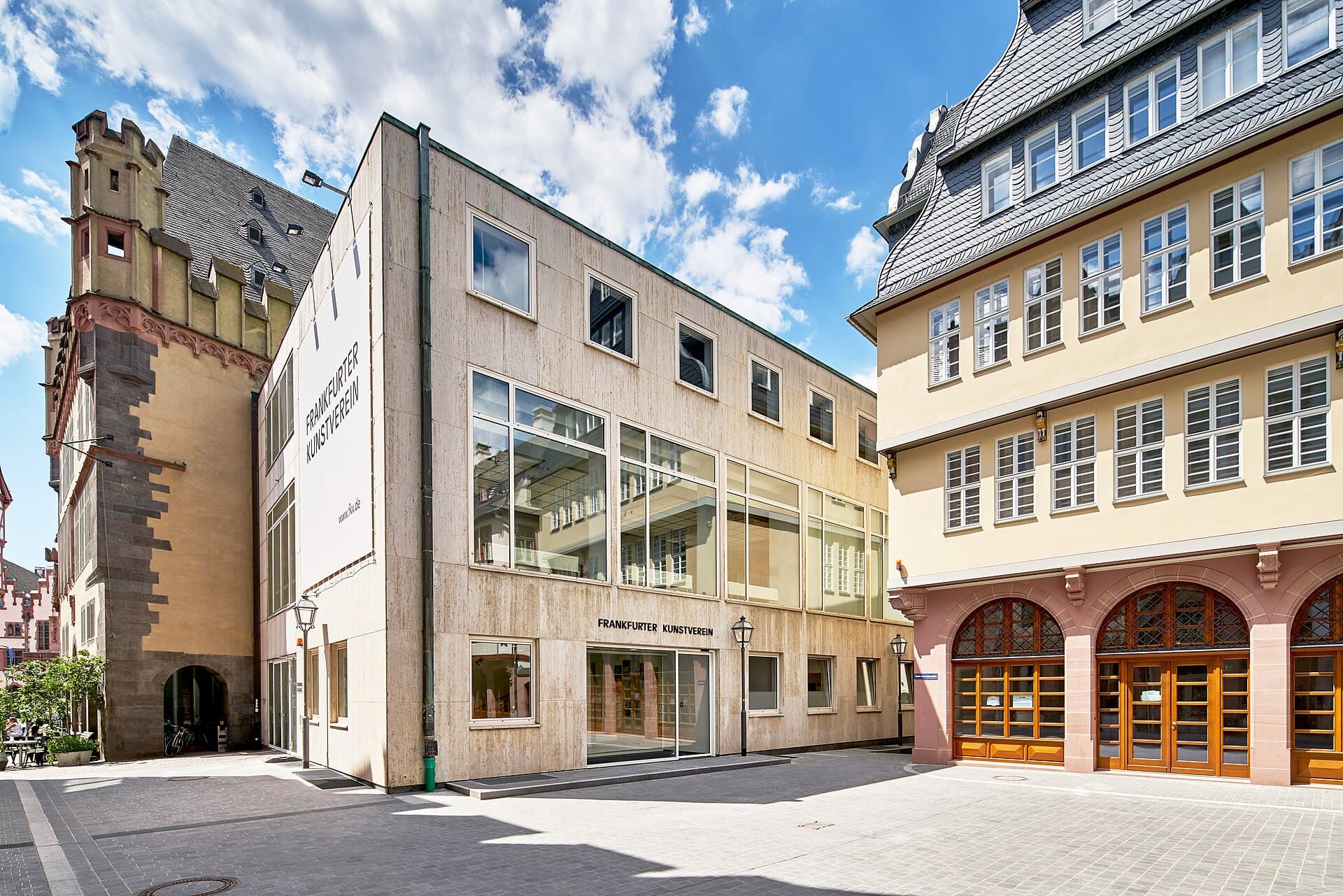 Frankfurter KunstvereinThe Frankfurter Kunstverein is a contemporary art institution in the Steinernes 1 minute walk4.4
Partly. It is a working city hall, not a museum, and what visitors can see is the Kaisersaal when it is free. Check at the door or on the city website, since it may be closed for an official event on the day you come.
No. Römerberg was completely destroyed in the bombing of 1944, and the timber-framed houses you see were rebuilt in the 1960s and 1980s in their original form. That does not make them less handsome, but it is worth knowing.
Early morning is quieter and better for photographs. December is the most beautiful because of the Christmas market but by far the most crowded. The square is always open, so no timing is needed.