Sabah's peoples
Dress, tools and beliefs of the indigenous peoples.
CEphoto, Uwe Aranas — CC BY-SA 3.0 · Suyash Dwivedi — CC BY-SA 4.0 · Suyash Dwivedi — CC BY-SA 4.0 · Suyash Dwivedi — CC BY-SA 4.0
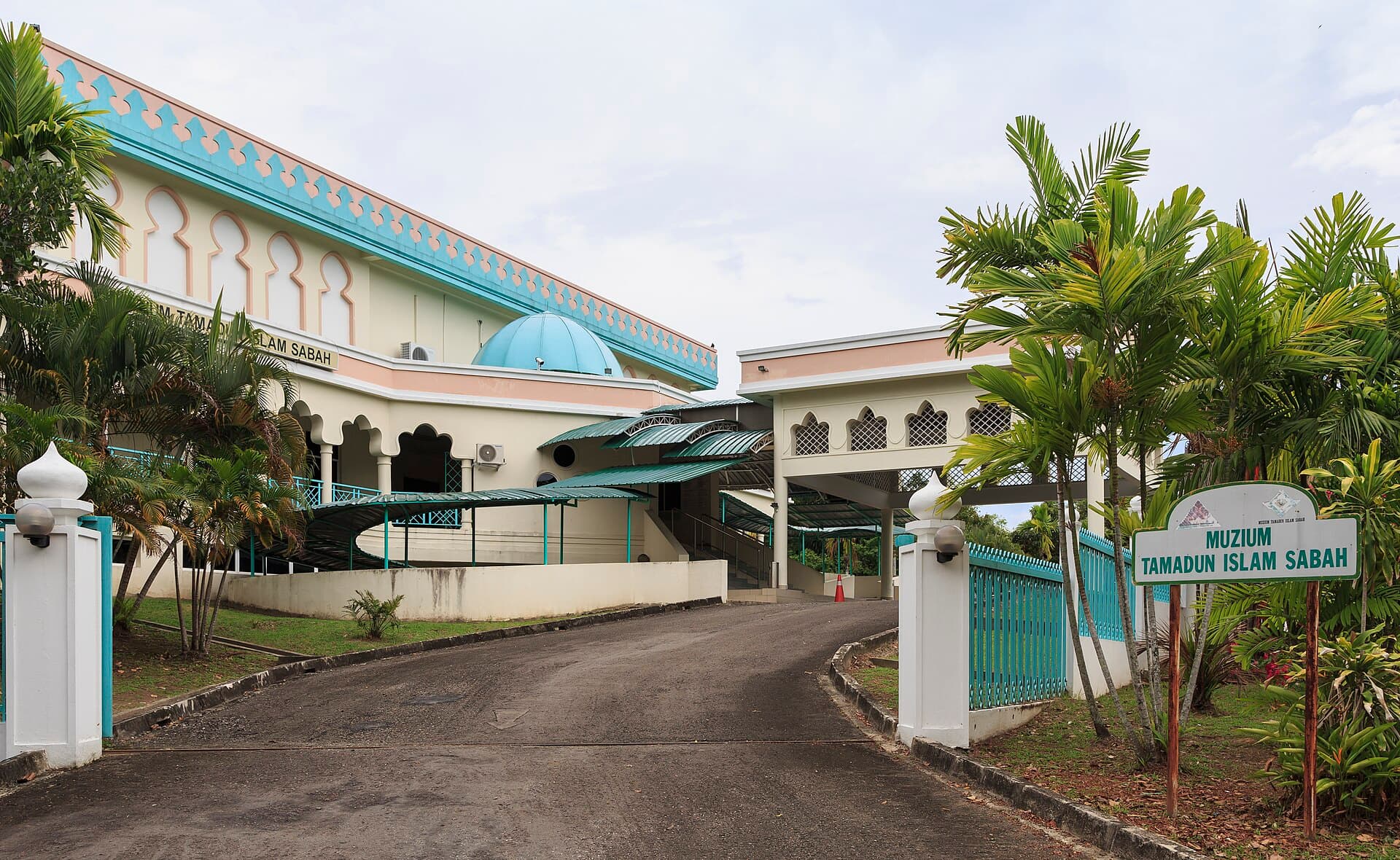
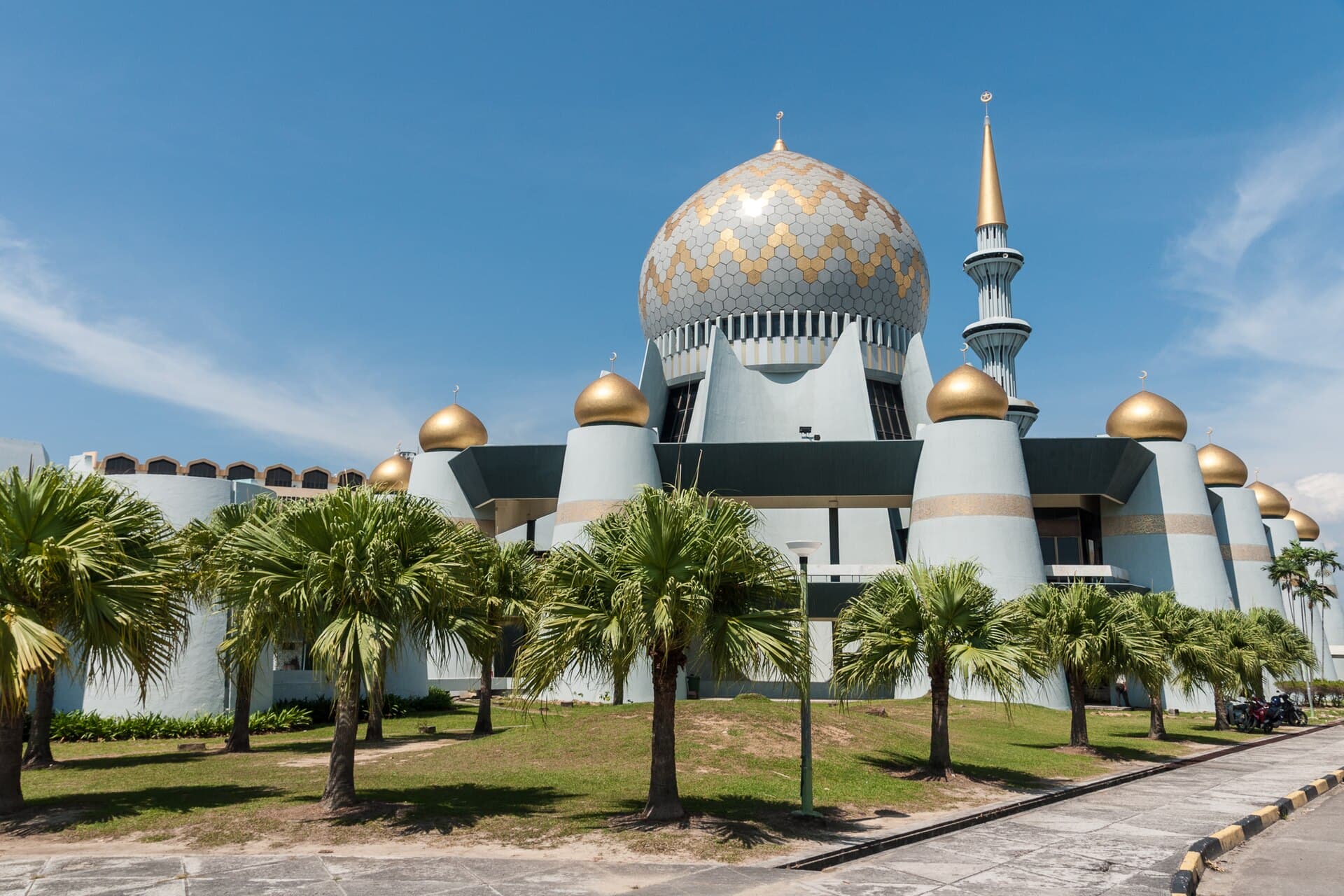
The state museum of Sabah, on Old Palace Hill south of the city centre, in a complex of about seventeen hectares. It began in 1965 in a small shophouse on Gaya Street and moved into its present home in 1984, a building inspired by the traditional longhouses of Sabah's peoples, so that it looks like part of the collection itself. Inside are galleries on Sabah's indigenous peoples, their dress, tools and beliefs, alongside archaeology and history, natural history, old ceramics and brassware, and an art gallery. It is the best introduction to Sabah's diversity before you head out to the islands, mountains and villages. Outside is a heritage village of traditional houses from several of Sabah's peoples set among the trees, which you can walk into to see how they were built and lived in, and a garden of local plants used for food and medicine. The complex therefore needs two hours at least. Entry is about fifteen ringgit for non-Malaysians, and the museum opens daily from nine to five. The Sabah State Mosque is a few steps away and the Islamic Civilisation Museum close by, so combine the three in one outing.
Dress, tools and beliefs of the indigenous peoples.
Real traditional houses to walk into among the trees.
Architecture inspired by traditional longhouses.
Old Palace Hill (Bukit Istana Lama), about 2 km south of the city centre
Yes, it is an excellent and cheap introduction. A cultural village is a living experience with shows and a meal; the museum gives you the historical background, and the two complement each other.