The grand staircase
A baroque ascent built to awe the arrival before meeting the margrave.
Carsten Steger — CC BY-SA 4.0 · Willy Pragher — CC BY 4.0 · Baden de — CC BY 3.0 · Baden de — CC BY 3.0
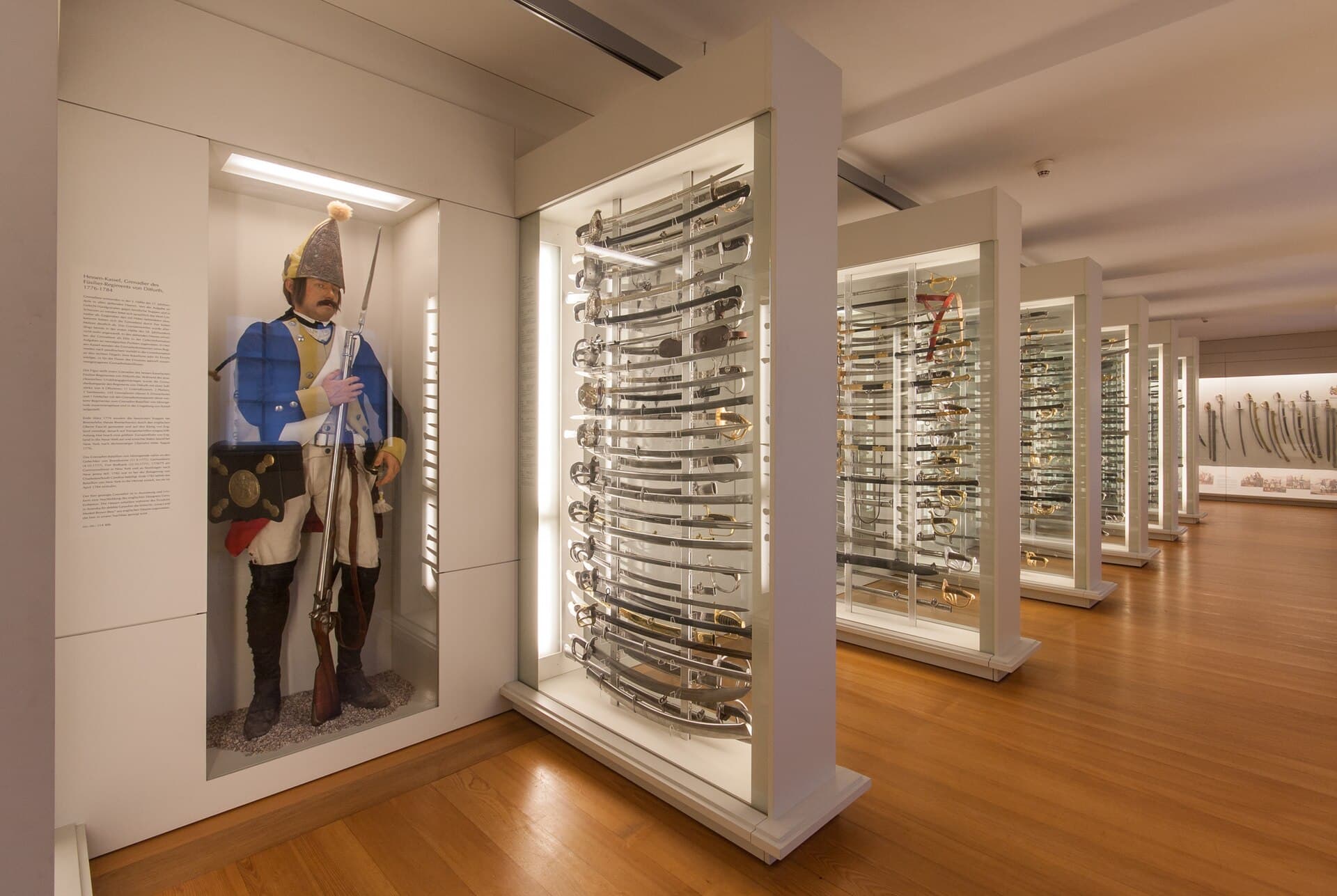
Rastatt was the first great German palace built on Versailles' model: raised around 1700 by "Türkenlouis" — Margrave Ludwig Wilhelm, commander of the Ottoman wars — as a seat worthy of his glory, its red-and-white front running three hundred metres under a golden rooftop figure. The interior is complete baroque splendour, and original: a stately grand staircase, an ancestral hall painted with the commander and his victories, and gilded apartments in which husband and wife competed — his wing against hers. The side wing holds two free museums: of German liberty (the 1848 revolution's spark flew here) and of military history. With nearby Favorite it completes a palace day from Baden-Baden; choosing one: this for formal grandeur, that for personal strangeness.
A baroque ascent built to awe the arrival before meeting the margrave.
Türkenlouis's victories painted overhead in the hall of glory.
Twin competing splendours — his wing facing hers.
1848 and German democracy's cradle memory — free.
Herrenstrasse 18-20, 76437 Rastatt
Rastatt saw the German revolution's last act flare and die — the constitution-and-unity fighters besieged in its fortress, their leaders executed here. Hence the palace houses the free 'Memorial of Freedom' museum, a moving telling of German democracy's roots.
Smaller than those, but rare in authenticity: never burned, never bombed, its interior is the real eighteenth century, not its restoration. And for anyone drawn to Ottoman-European war history, the house of its most famous commander is a document in itself.
Morning at formal Rastatt with tour and free museums, lunch in little Rastatt town, afternoon at personal Favorite and its park — back to Baden-Baden for dinner. A car eases it; buses link all three at reasonable intervals.