
Yap Ah Loy
A founder of Kuala Lumpur.
Chainwit. — CC BY-SA 4.0 · Chainwit. — CC BY-SA 4.0 · Chainwit. — CC BY-SA 4.0 · Foryou42686 — CC0 · Chainwit. — CC BY-SA 4.0
The oldest Taoist temple in Kuala Lumpur, built in the 1860s by Yap Ah Loy, the Chinese leader counted among the city's founders in its tin-mining days, in honour of two deities he believed had guided him in the Selangor Civil War. One of them is the Chinese leader Seng Meng Lee, killed in a dispute over tin mines in 1860 and afterwards worshipped by his followers. The temple also keeps a statue of Yap Ah Loy himself, and townspeople come to pray for luck and success. The temple is small and hidden behind shophouses down a narrow lane, set at an angle to the street for feng shui reasons, with roofs topped by ceramic figures and an entrance hung with lanterns. Entry is free; it is a working place of worship, so keep your voice down. It is a few steps from Central Market and Petaling Street, so stop by on a Chinatown walk with the Guan Di Temple and Kwai Chai Hong.
A founder of Kuala Lumpur.
Built to feng shui.
Behind the shophouses.
Lebuh Pudu, near Central Market, Kuala Lumpur
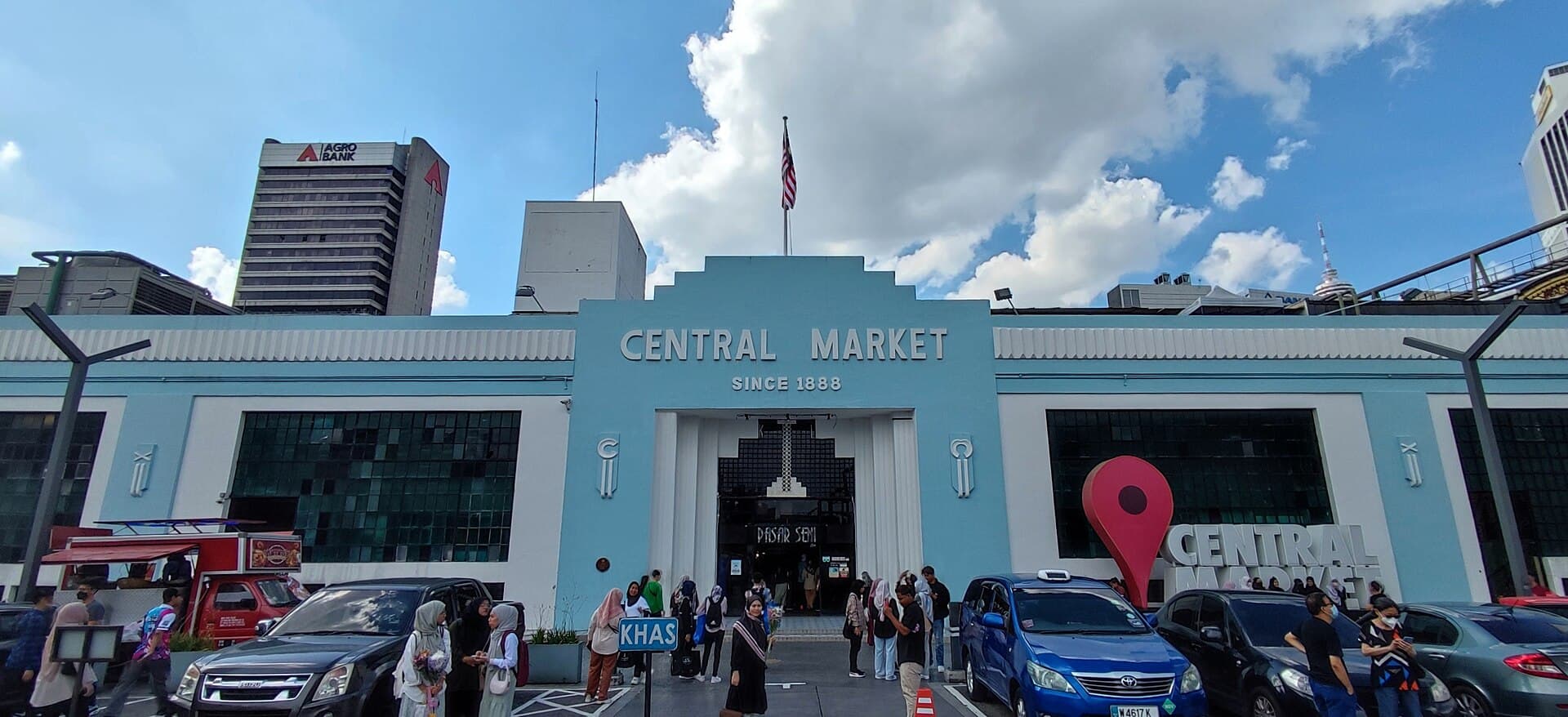 Central Market (Pasar Seni)A pale-blue Art Deco building from 1937 that was once the city's fish and vegeta2 minutes walk4.5
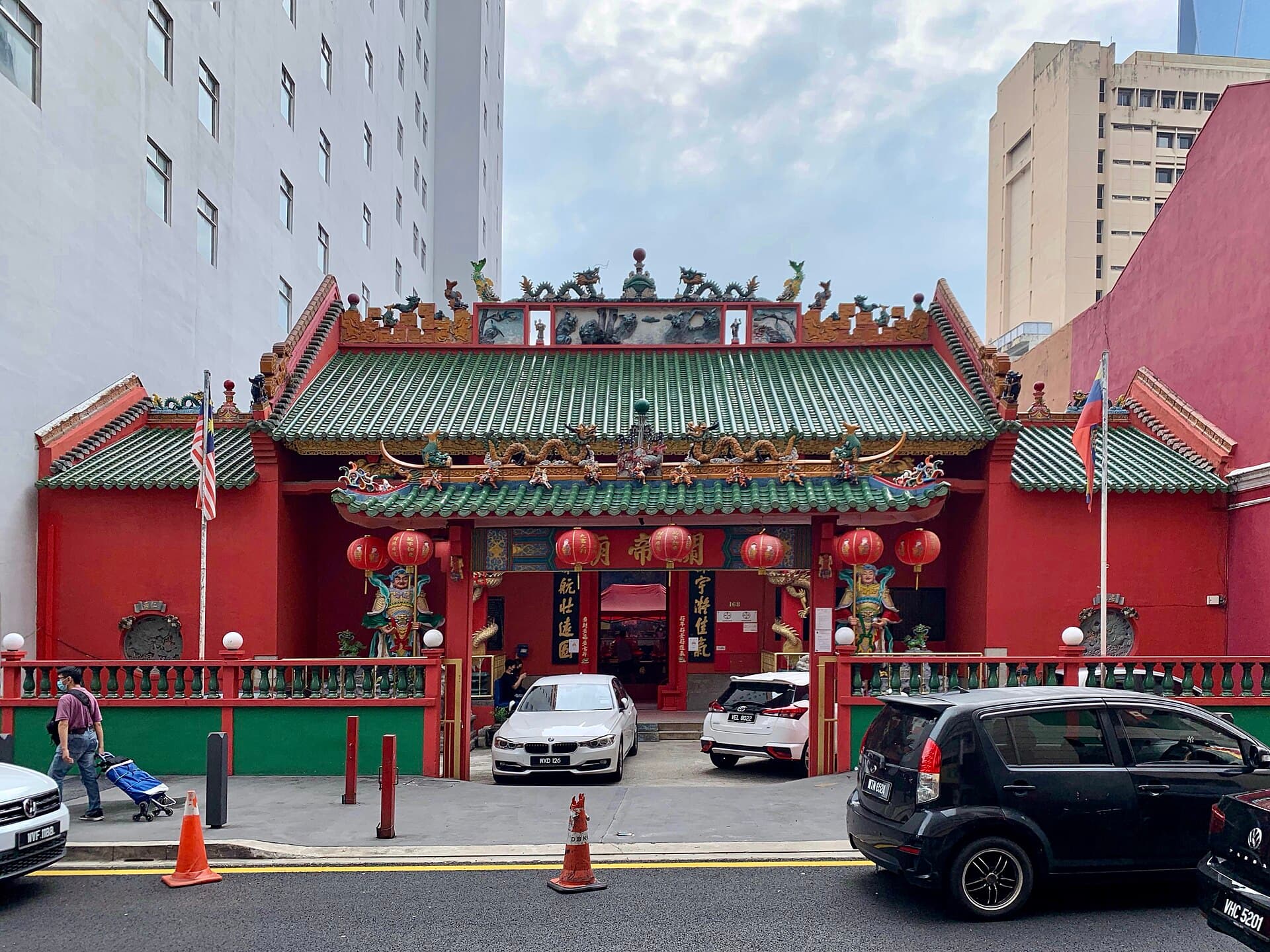 Guan Di TempleOne of the oldest Chinese temples in Kuala Lumpur, founded by the Cantonese Kwon2 minutes walk
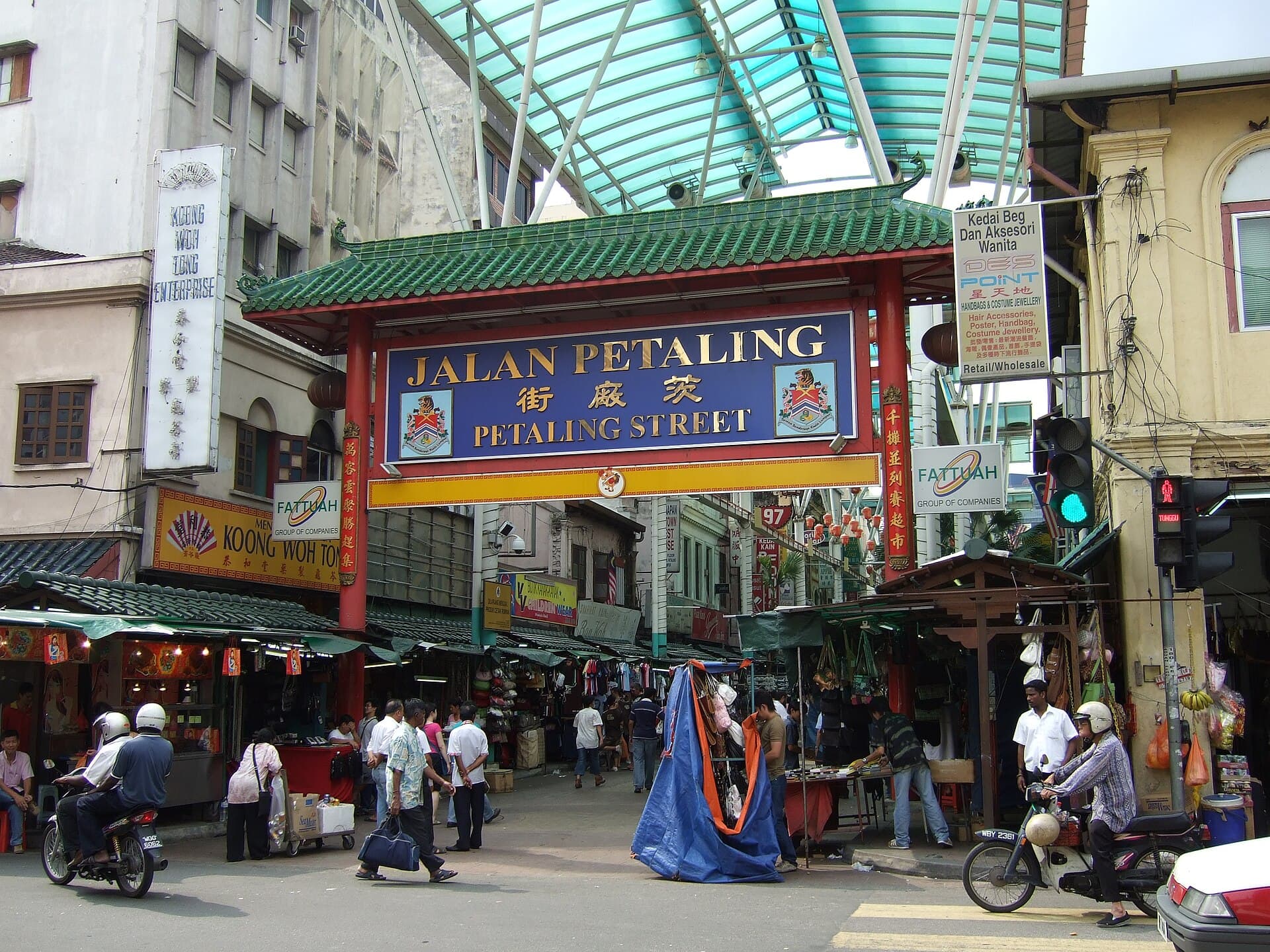 Petaling Street (Chinatown)A street under a long green canopy, lined with stalls of bags, watches, clothes 2 minutes walk4.0
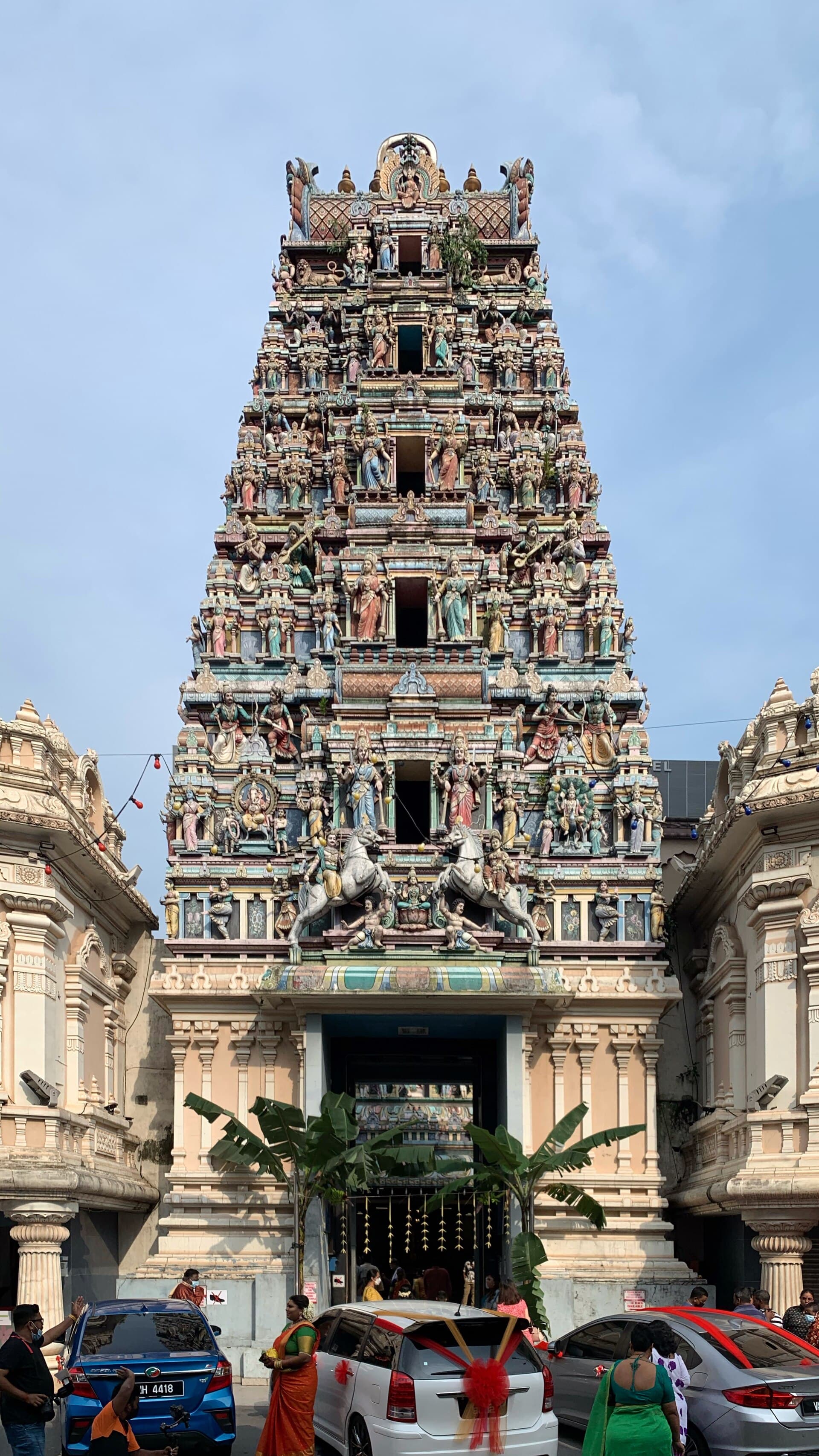 Sri Maha Mariamman TempleA twenty-two-metre gateway tower covered in hundreds of painted carved figures r3 minutes walk4.5
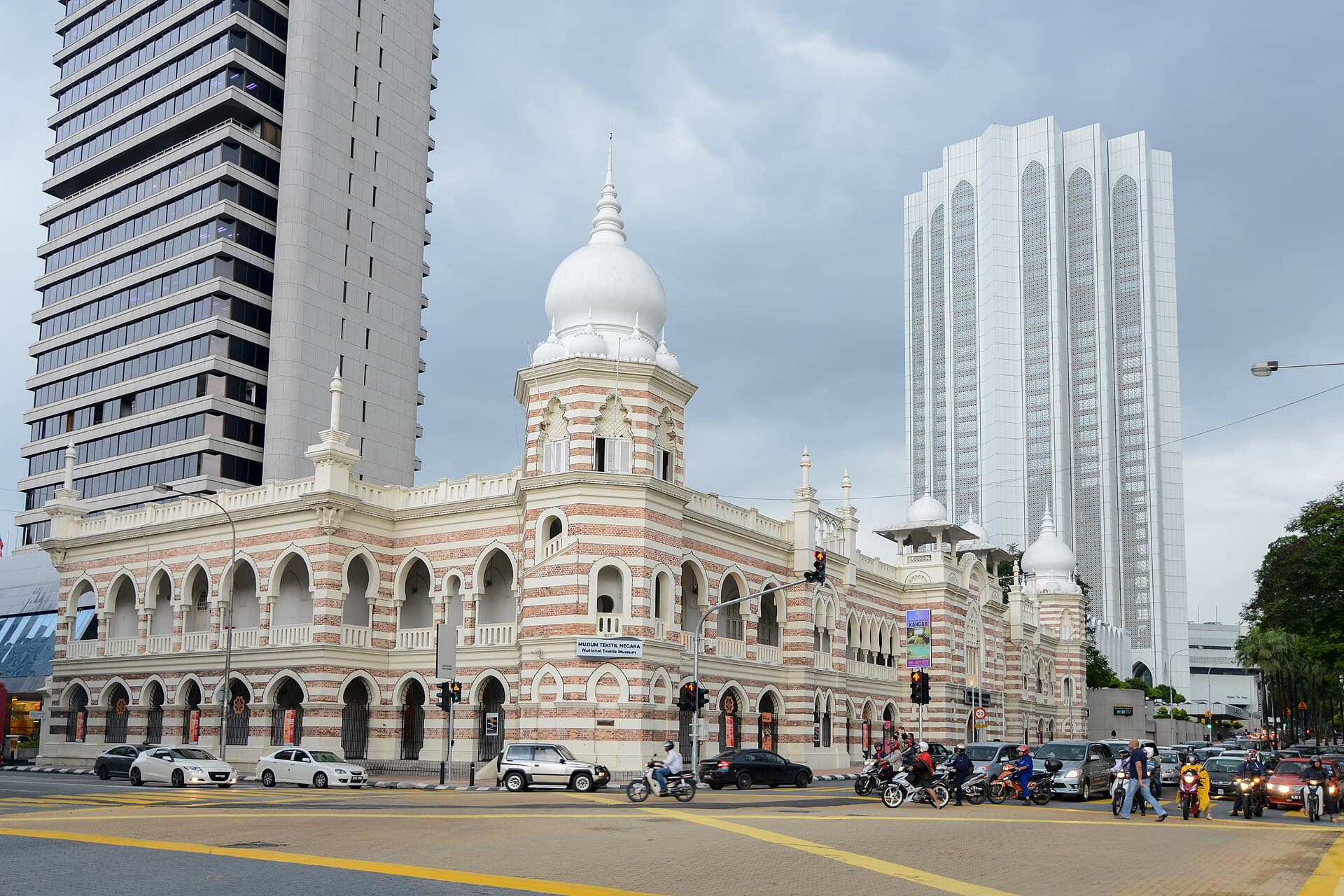 National Textile MuseumA museum of Malaysian textiles in a handsome historic building beside the Sultan4 minutes walk
A nineteenth-century Chinese leader who played a large part in founding and rebuilding Kuala Lumpur in its tin-mining days, and whose memory lives on in the city's streets and landmarks.