Syrian Hajj route
A station on the pilgrim road.
amanderson2 — CC BY 2.0 · Stigolo — CC BY-SA 4.0 · Heritage Commission — CC BY-SA 4.0 · Stigolo — CC BY-SA 4.0 · Ashashyou — CC BY-SA 4.0
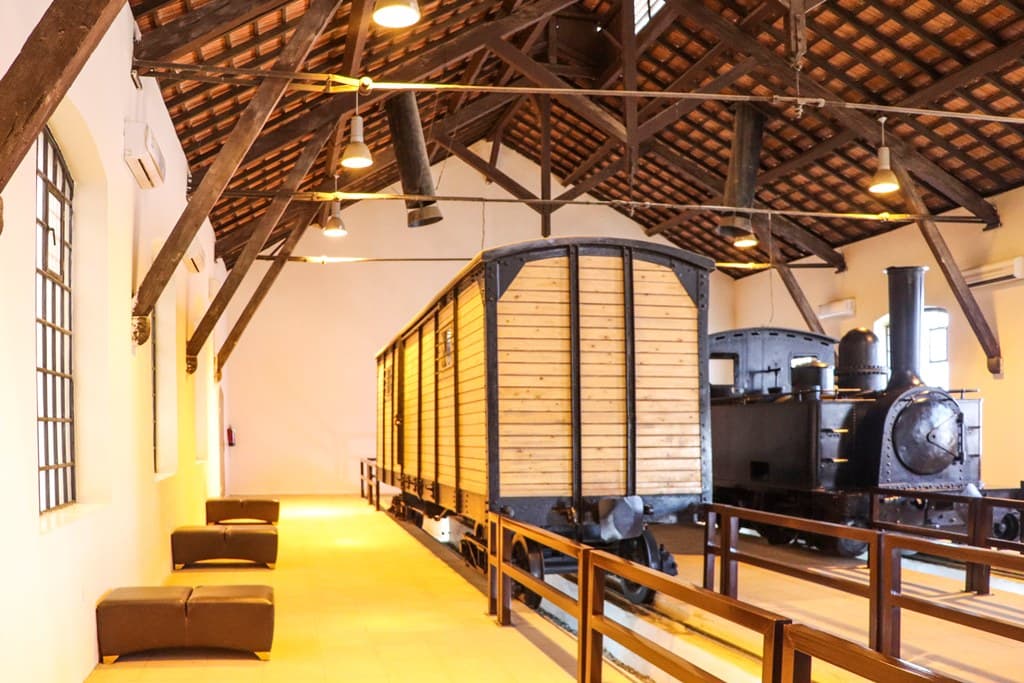
A historic castle in central Tabuk; the present building dates from 1559, in the Ottoman period. It was built to guard the water station and served as a watch and security post, and as one of the stations on the Syrian Hajj route linking the Levant with Medina. The castle was restored under Sultan Mehmed IV (1648-1687), when decorative ceramic tiles, still visible at the entrance, were added. A major renovation followed in 1844 under Sultan Abdülmecid I, recorded by an inscription in the mihrab of its mosque; it was restored again in 1950 and thoroughly renovated in 1992. The castle has two storeys joined by a staircase, with a mosque and several rooms, and an open-air mosque on the upper floor. It now works as a museum open to visitors; among its displays is a panel on the Syrian pilgrimage road in the Ayyubid, Mamluk and Ottoman eras. The castle stands near Tabuk's Hejaz Railway station, so the two make an easy pair. Check opening times locally before you go.
A station on the pilgrim road.
At the entrance.
On the upper floor.
Old town, central Tabuk
The present building dates from 1559, in the Ottoman era, as a station on the Syrian Hajj route; it has been restored several times, most recently in 1992.