The coin hall
Coins struck in Tarsus itself, from Alexander the Great to Umayyad, Abbasid and Seljuk dinars, drawn from a store of more than 28,000 pieces.
CeeGee — CC BY-SA 4.0 · Dosseman — CC BY-SA 4.0 · Dosseman — CC BY-SA 4.0 · Dosseman — CC BY-SA 4.0
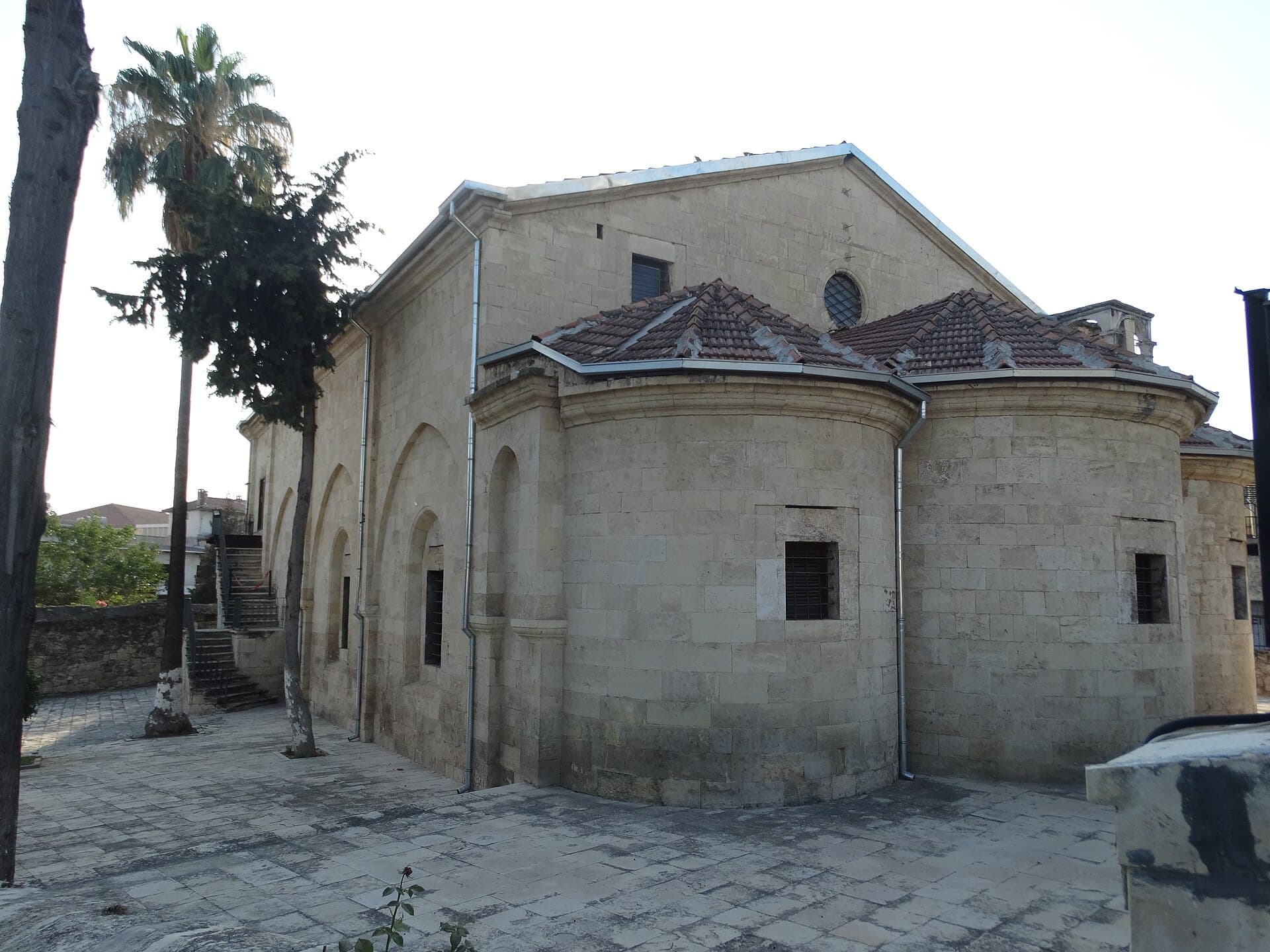
For nearly sixty years this building handed down verdicts: completed in 1950, it served as the Tarsus courthouse from 1954 until 2013. Turkey's Ministry of Culture and Tourism then restored it and reopened it on 22 December 2020 as the newest home of a collection that had already migrated from the Ottoman Kubat Paşa medrese to a modern culture centre. The result is a small-town museum punching above its weight: roughly two thousand objects on show from a store of more than 35,000 (most of them coins), covering 7,000 years of a city that was the Roman capital of Cilicia and the birthplace of St Paul. The ground floor is the deep past: seals and pottery from the Gözlükule mound, the oldest settled spot in Tarsus, running up to the Hellenistic age, then a themed hall along the corridor of Roman and Byzantine statuary, glass, oil lamps and sarcophagi, including small children's coffins that say a great deal about burial customs of the age. The courtyard holds heavier sarcophagi and an inscribed statue base for the emperor Septimius Severus. Upstairs is where the museum is strongest: the coin hall, with pieces struck in Tarsus itself, from Alexander the Great through Umayyad, Abbasid and Seljuk dinars, then the Islamic centuries up to the Republic, and the ethnography section with its silicone figures and dioramas of a Bronze Age house, a Tarsus kitchen and the cave of the Seven Sleepers, plus the weaving, copperwork and dress of Yörük life in the Taurus mountains. Be realistic: this is not the Istanbul Archaeology Museums. An hour does it, ninety minutes if you read every panel. Its real value is that it organises what you will see next on the street: Cleopatra's Gate, St Paul's Well, the roofed Roman road and the Grand Mosque are all within ten minutes on foot. The building is air-conditioned and family-friendly, with a lift, a baby-care room, a prayer room, a café and a gift shop, and it is a welcome refuge from the suffocating humidity of the Çukurova plain in July and August. Getting there from Mersin is easy: about 30 km east on the D-400 or the motorway, 30 to 40 minutes by car, with parking near the museum. The Mersin-Adana regional train stops at Tarsus roughly every half hour, a ride of about 25 minutes, then a ten-minute walk from the station to the centre. Minibuses from Mersin are frequent and cheap too. Treat the museum as the opening act of a full day in old Tarsus rather than the destination itself.
Coins struck in Tarsus itself, from Alexander the Great to Umayyad, Abbasid and Seljuk dinars, drawn from a store of more than 28,000 pieces.
Massive Roman coffins and an inscribed statue base for the emperor Septimius Severus, displayed in the open air.
Silicone figures and dioramas of a Bronze Age house, a Tarsus kitchen and the Seven Sleepers' cave, which children enjoy far more than the pottery downstairs.
Atatürk Caddesi No. 28, Kızılmurat Mahallesi, Tarsus
No. An hour of antiquities does not justify an hour there and back, but old Tarsus does: make the museum your first stop, then walk to Cleopatra's Gate, St Paul's Well, the Roman road and the Grand Mosque in a single half day.
Reasonably so: there is a lift, a baby-care room, air conditioning and a café, and the mannequins upstairs hold their attention. Do not expect more than 45 minutes of patience, though.