
A 1907 building
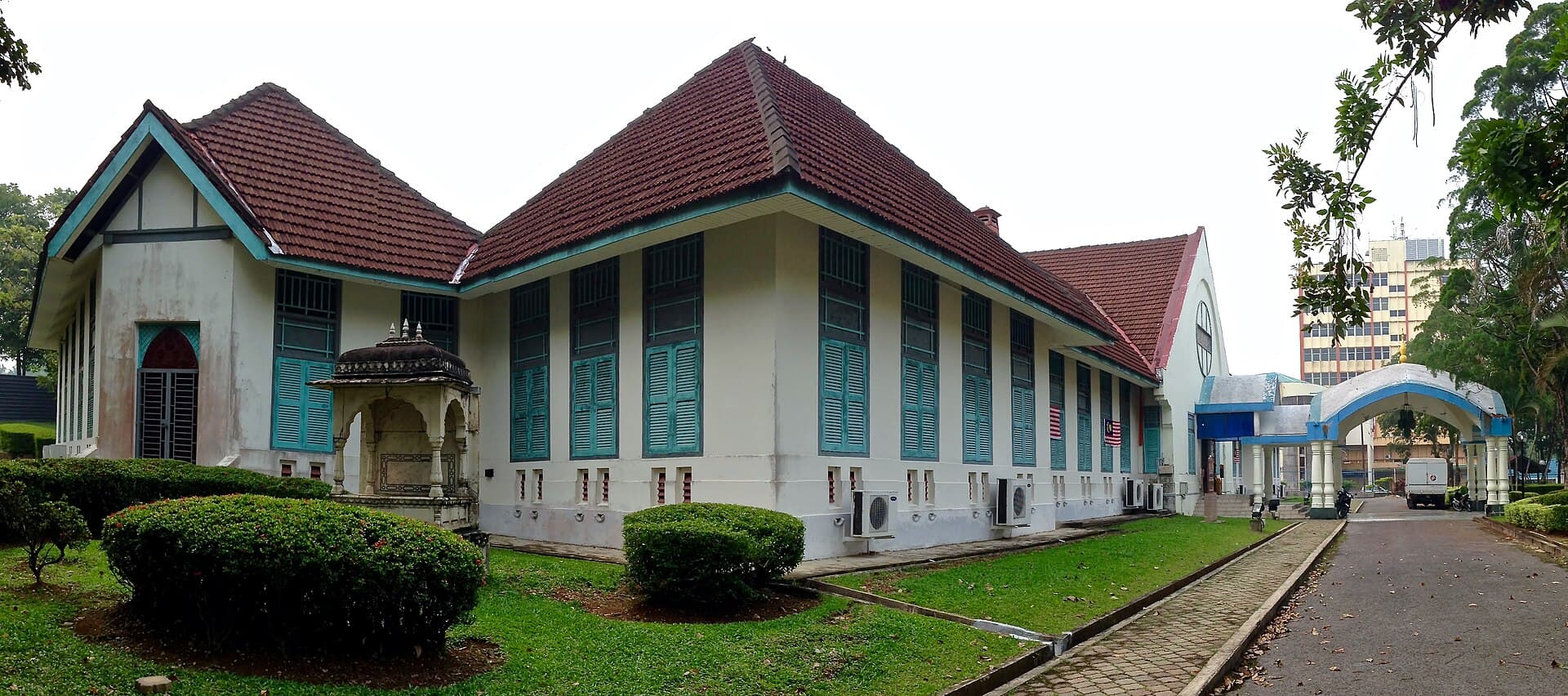
The colonial Pavilion Building.
Yeo Jiun Tzen — CC BY-SA 4.0 · Thomas Quine — CC BY 2.0 · Thomas Quine — CC BY 2.0 · Thomas Quine — CC BY 2.0
A small, elegant museum in the Pavilion Building, a three-storey colonial building put up in 1907 as a medical centre, later home to Sarawak's education department, and turned into a textile museum in 2000. It stands in the heart of old Kuching, a few steps from the waterfront. On its upper two floors the museum shows the textiles, traditional costumes and jewellery of Sarawak's many peoples, among them hand-woven Iban cloths with their symbolic motifs, Malay songket woven with gold thread, and beadwork. It explains the stages of textile making, from thread to finished piece. Entry is free. It opens Monday to Friday from nine to quarter to five, and at weekends from ten to four. The museum is air-conditioned and quiet, and half an hour to an hour is enough. Make it a stop on a walk through the old centre with the Borneo Cultures Museum and the waterfront; it suits anyone interested in traditional dress and crafts.
The colonial Pavilion Building.
Hand-woven cloth with symbolic motifs.
Cloth woven with gold thread.
The Pavilion Building, near the Old Courthouse, city centre
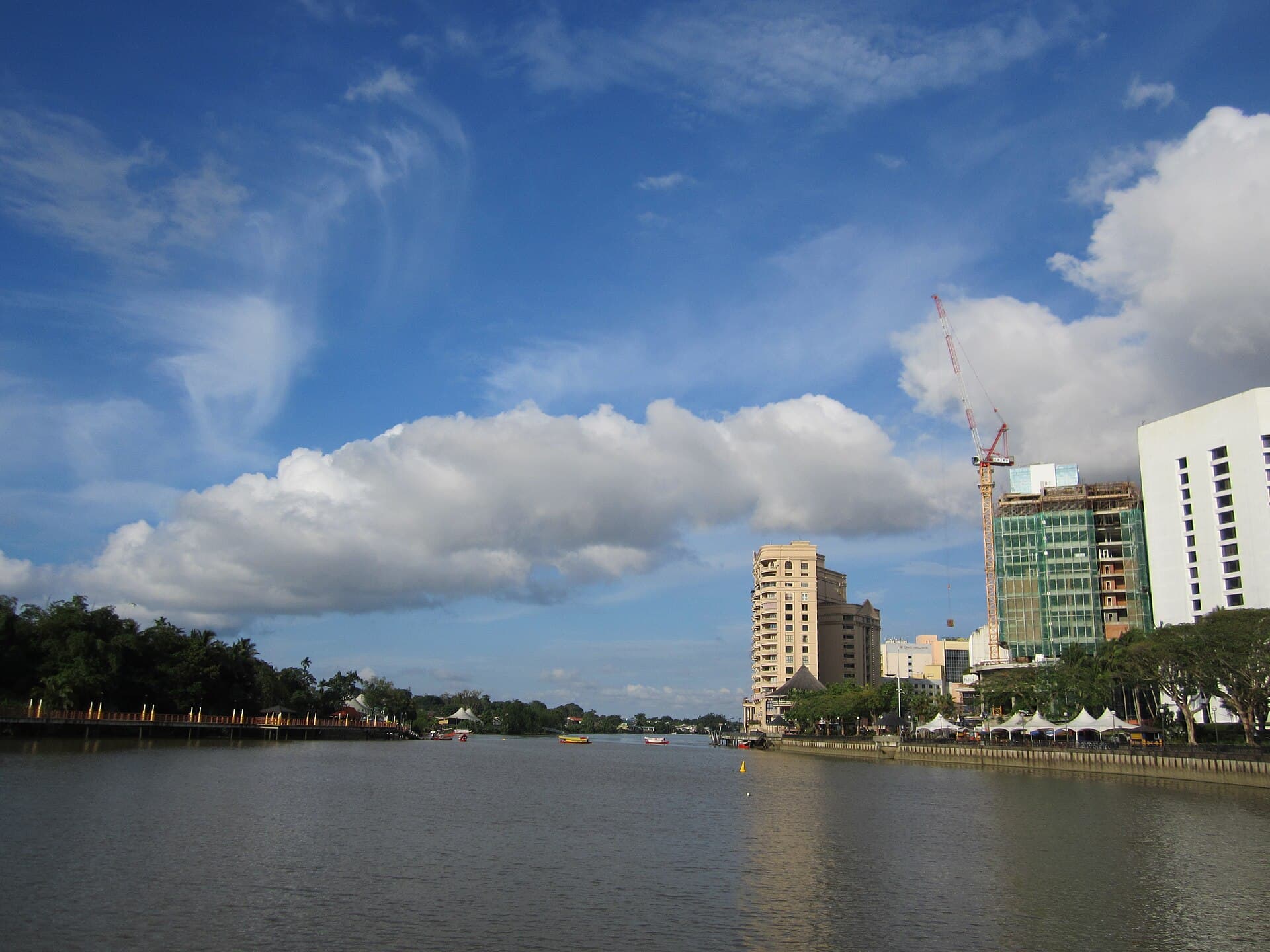 Kuching Waterfront and Darul Hana BridgeThe waterfront is the heart of Kuching and its loveliest part: a promenade of ab3 minutes walk
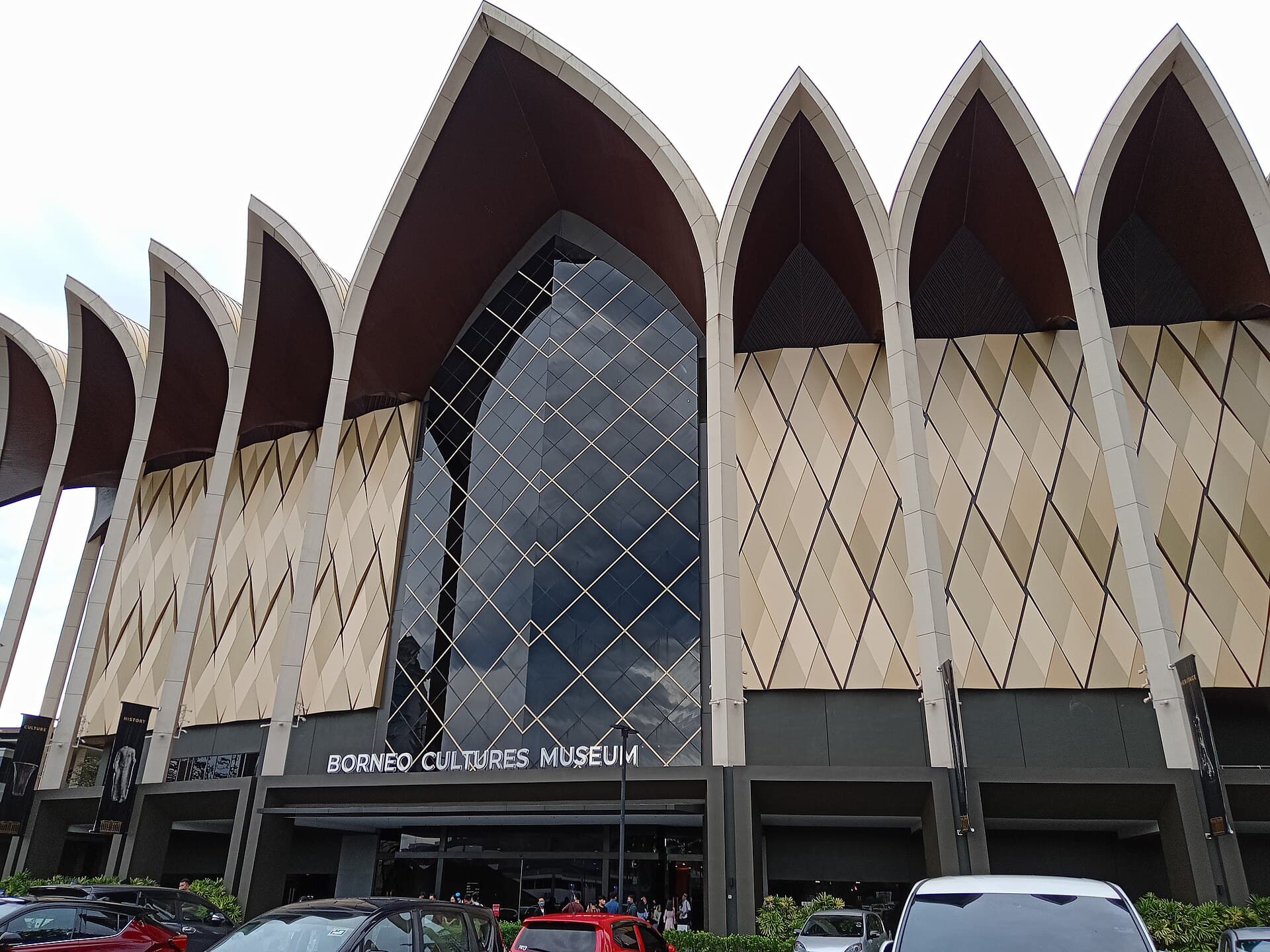 Borneo Cultures MuseumThe largest museum in Malaysia and the second largest in Southeast Asia, opened 5 minutes walk
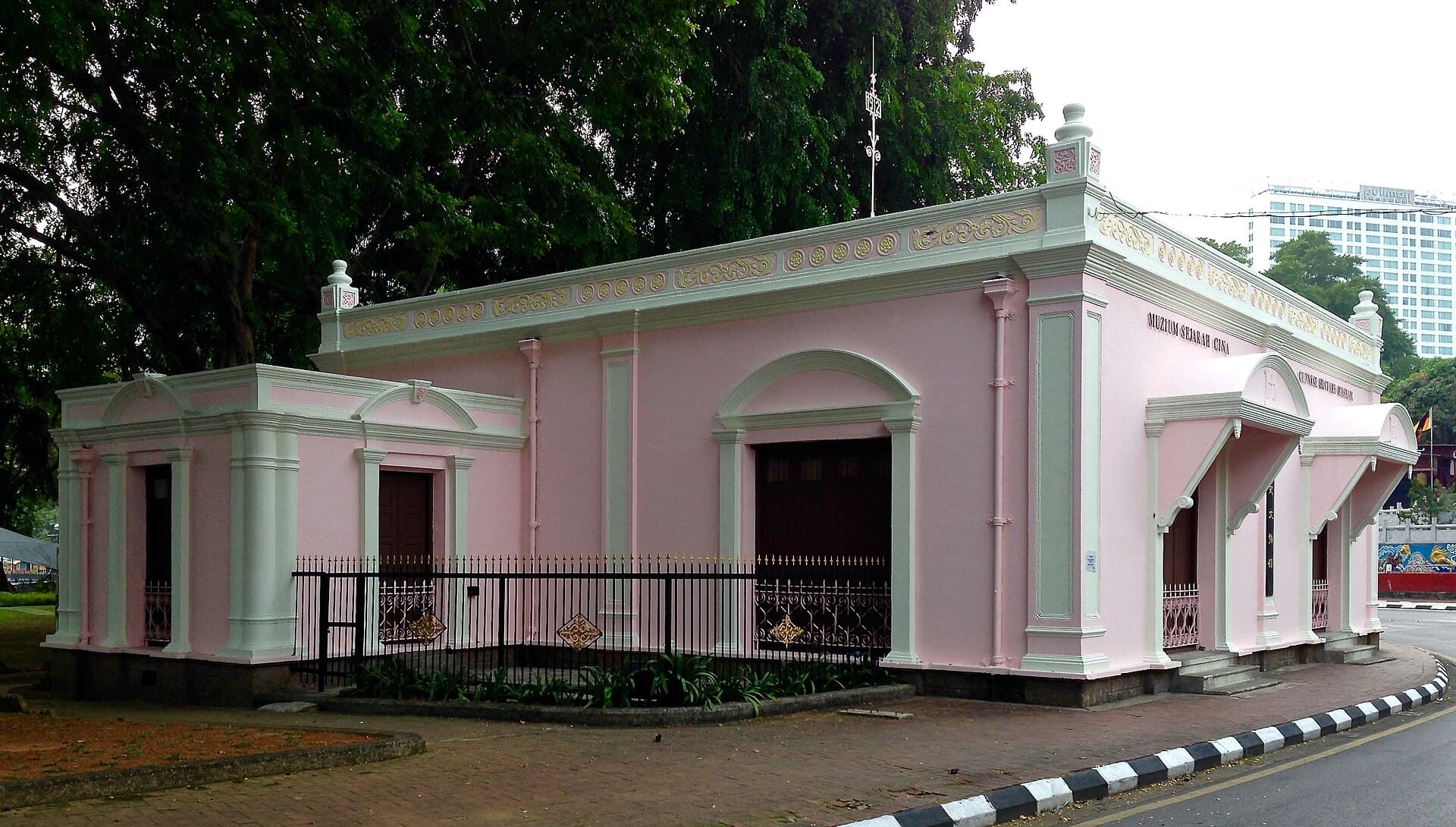 Chinese History Museum, KuchingA small, elegant building on the waterfront, built in 1912 as the headquarters o6 minutes walk
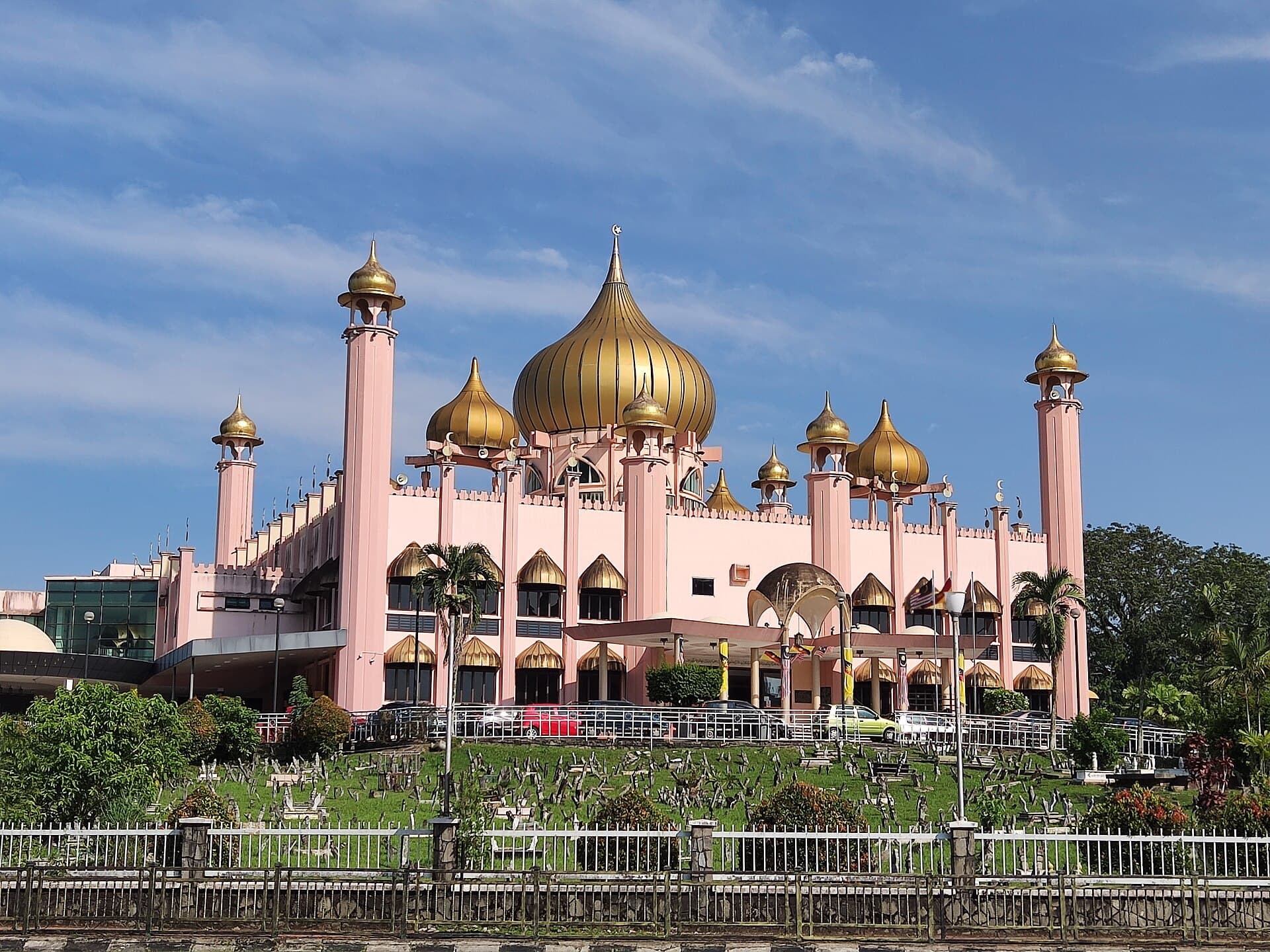 Kuching City Mosque (Old Mosque)One of Kuching's loveliest and most distinctive landmarks: a mosque with pink wa6 minutes walk
 Sarawak Islamic Heritage MuseumA quiet museum in a handsome historic building, put up in the early 1930s under 7 minutes walk
As a short free stop in the centre, yes, especially for lovers of dress and crafts. For a full picture of Borneo's cultures, the Borneo Cultures Museum is broader.