
The city's birthplace
Where Mangrai chose the site.
Chainwit. — CC BY 4.0 · Stefan Fussan — CC BY-SA 3.0 · Stefan Fussan — CC BY-SA 3.0 · Chainwit. — CC BY 4.0
A temple on a small hill overlooking the Kok River at the north-west edge of the old town, and one of Chiang Rai's oldest sites: tradition says King Mangrai stood here in the thirteenth century, liked the spot, and founded the city in 1262. At its centre is a golden northern-style stupa. On the same hill stands the city navel pillar, a modern monument built in 1988 to mark the king's birthday, set among stone rings and columns that reflect an old view of the cosmos, regarded by residents as the city's spiritual centre. From the edges of the hill there are views through the trees over the river and mountains. Entry is free and it opens in the daytime. Modest dress is required: shoulders and knees covered, and shoes off before entering the halls. The hill is reached by stairs or by car. A quiet place with few visitors, it fits an old-town walk with nearby Wat Phra Kaew, and half an hour is enough.
Where Mangrai chose the site.
The city's spiritual centre.
Few visitors among the trees.
Doi Chom Thong hill, north-west edge of the old town, Chiang Rai
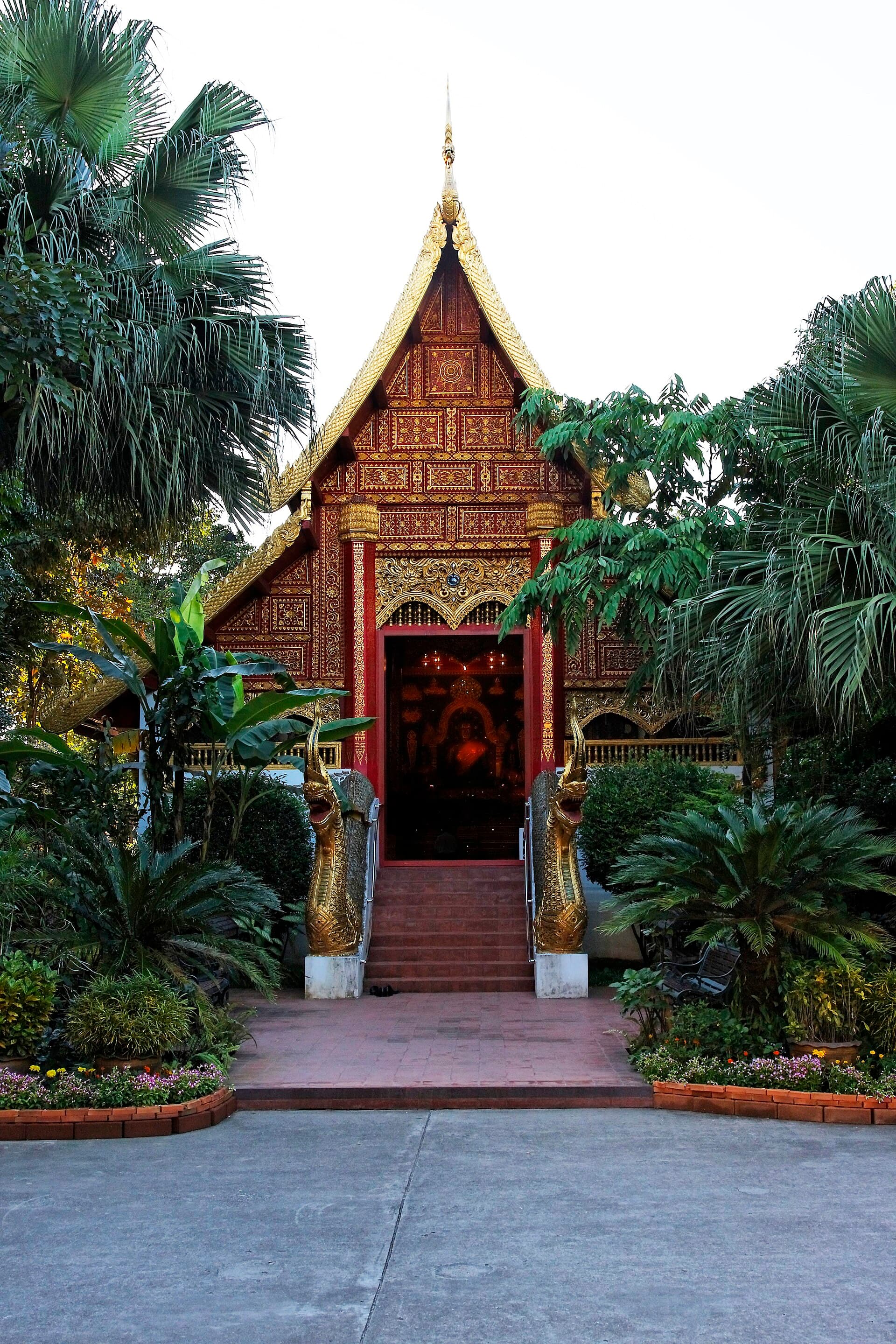 Wat Phra Kaew, Chiang RaiThe town's most historically important temple: it was here in 1434 that the Emer8 minutes walk
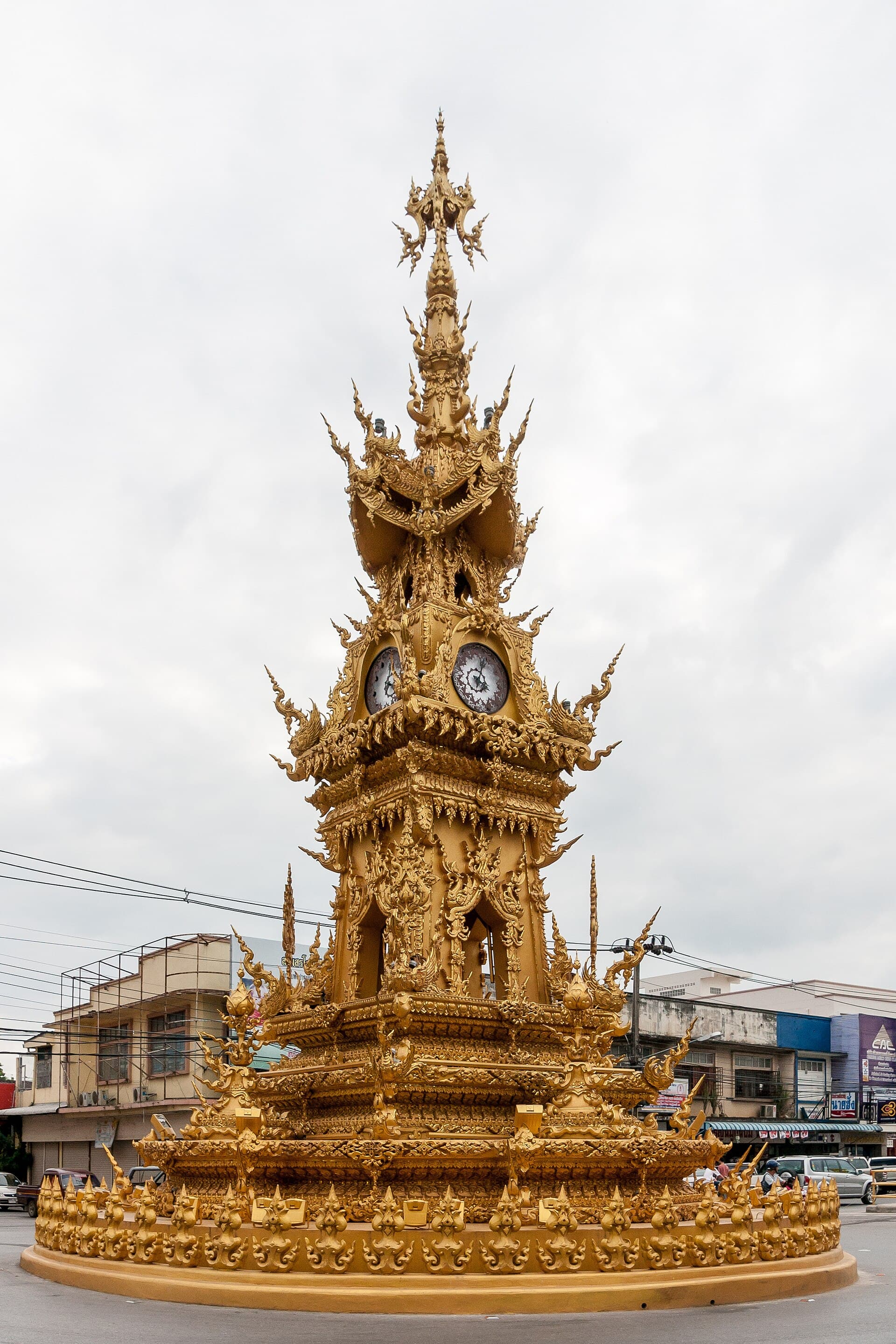 Chiang Rai Clock TowerThe symbol of central Chiang Rai: an ornate golden clock tower in the middle of 16 minutes walk
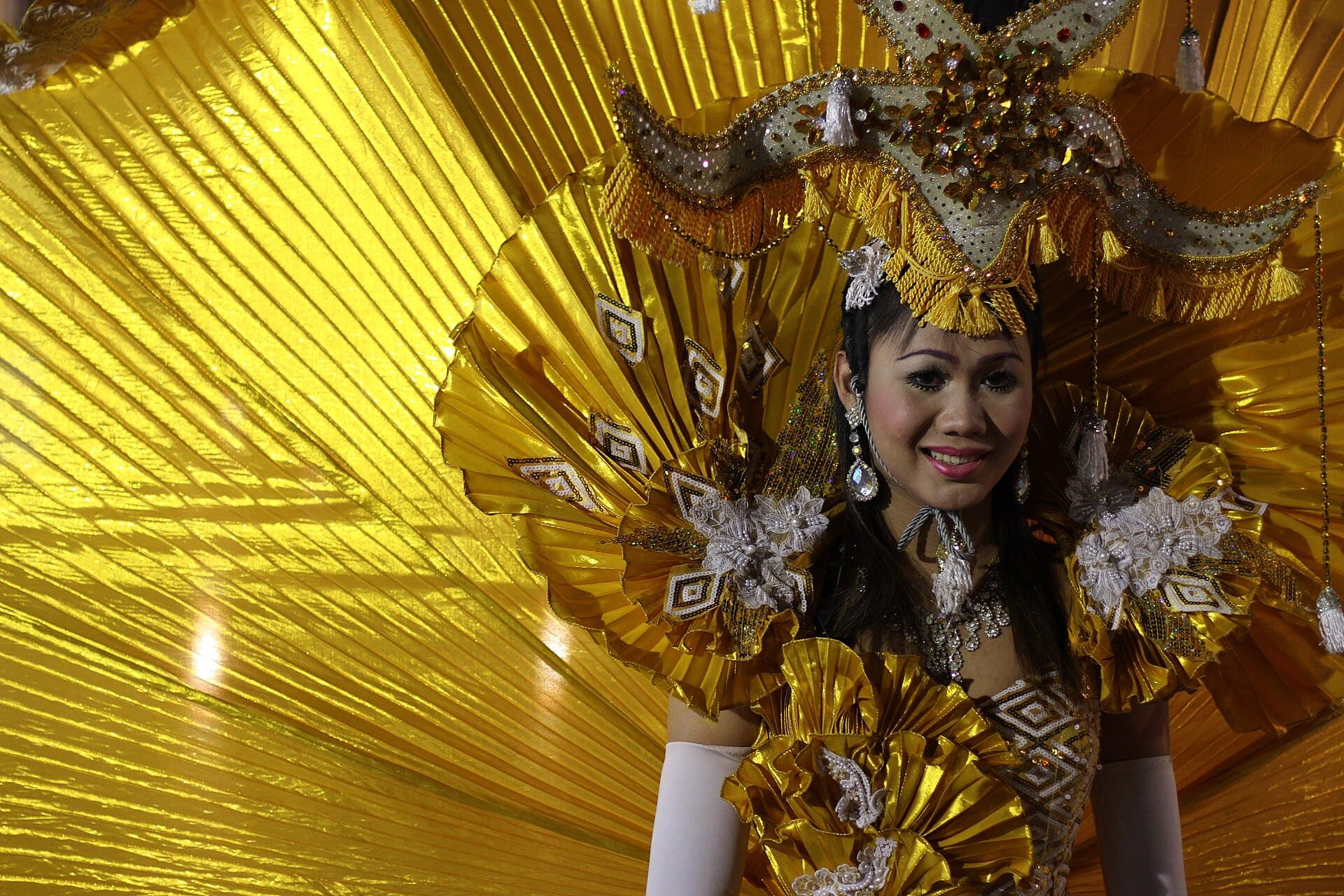 Chiang Rai Night BazaarThe town's permanent night market, open every evening by the old bus station in 20 minutes walk
If time is tight, prioritise the three famous temples; if you are walking the old town, it is a calm nearby stop worth half an hour.