
The Heracles Hall
A 52 cm Roman bronze from the second century AD with a whole hall to itself, and the first reason to come.
Gmihail at Serbian Wikipedia — CC BY-SA 3.0 rs · Dosseman — CC BY-SA 4.0 · Dosseman — CC BY-SA 4.0 · Dosseman — CC BY-SA 4.0
The star of this museum is a bronze figure barely 52 centimetres tall, yet it has a hall entirely to itself: a Roman Heracles from the second century AD, unearthed in the countryside around Alanya, the direct reason the museum was founded and now the town's archaeological calling card. Few small museums own a single piece that earns its own room; this one does, so start there rather than saving it for the end. Beyond Heracles, the museum is modest and honest about it. It opened in 1967 with pieces sent down from the Museum of Anatolian Civilisations in Ankara, filled up slowly with finds from local digs, and was reorganised along thematic lines in 2012. The entrance corridor runs through Anatolian history in order from the Palaeolithic, then the halls take you past Roman glass, jewellery, figurines, terracotta and grave goods, a grey stone carrying a Phoenician inscription from around 625 BC, a coin section and a room on the history of Alanya Castle. The Ship and Maritime hall is the pleasant surprise: amphorae raised from the seabed, a bronze Pegasus that once decorated a ship, and a mosaic of a fishing Eros. There is a small hands-on activity room for children, and the garden holds sarcophagi, ossuary boxes and Roman and Islamic-era inscriptions, plus an agriculture corner built around an old olive press that shows how the fruit was crushed. The whole visit takes an hour at most, and in a beach town that is a virtue rather than a flaw. The museum sits in the Saray district a few minutes' walk from Damlataş Cave and Cleopatra Beach, so the natural order is museum in the morning, then the cool cave, then the sea. In August, when the sun bites from nine o'clock, this shaded hour among the antiquities is a welcome break for a family; the halls and garden are level and take a pushchair without trouble. Small children will lose interest after Heracles, the ships and the activity room, so promise them no more than that. It is a state museum, so foreign visitors pay in euros at the door (roughly four euros per adult, children under eight free) with no advance booking; the Müzekart is for Turkish citizens only and is no use to a visiting family, though the Museum Pass Mediterranean (90 euros, seven days, forty-plus sites from Antalya to Mersin) covers it, night session excepted. It opens every day with no closing day: in summer the ticket office runs 08:30 to 18:45 and a night-museum session follows from seven to ten in the evening, while in winter it closes around 17:30. The night session is a good idea for anyone wanting to escape the heat and spend an evening away from the beach.
A 52 cm Roman bronze from the second century AD with a whole hall to itself, and the first reason to come.
Amphorae raised from the seabed, a bronze Pegasus that once adorned a ship, a mosaic of a fishing Eros, then a small activity room; the part most likely to hold children.
Roman and Islamic-era sarcophagi, ossuary boxes and inscriptions in the shade, and an agriculture corner around an old olive press that explains itself.
Saray Mah., İsmet Hilmi Balcı Cad. No. 2, Alanya
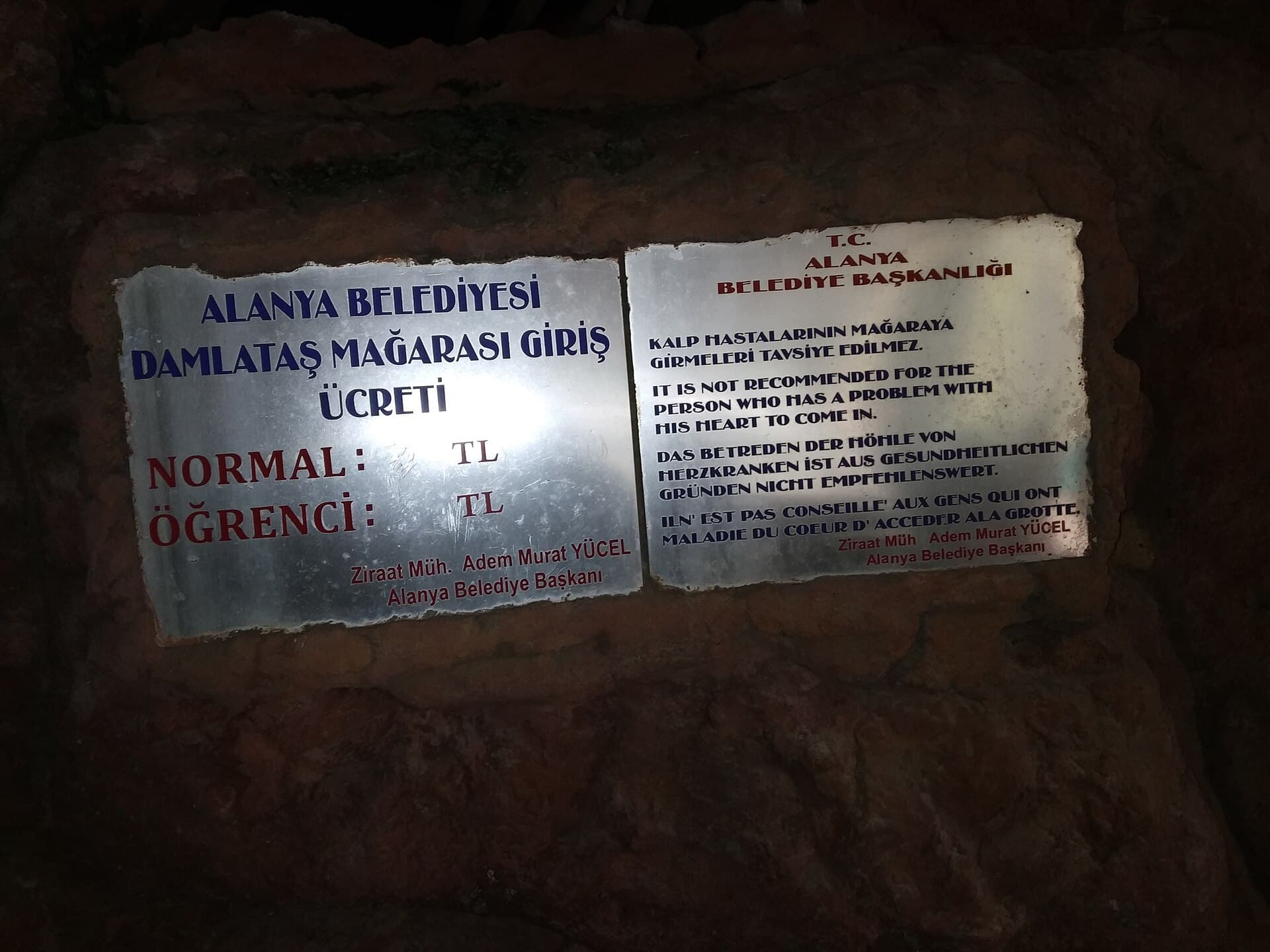 Damlataş CaveUntil ten in the morning, nobody enters Damlataş Cave for fun. The first four ho3 min walk4.1
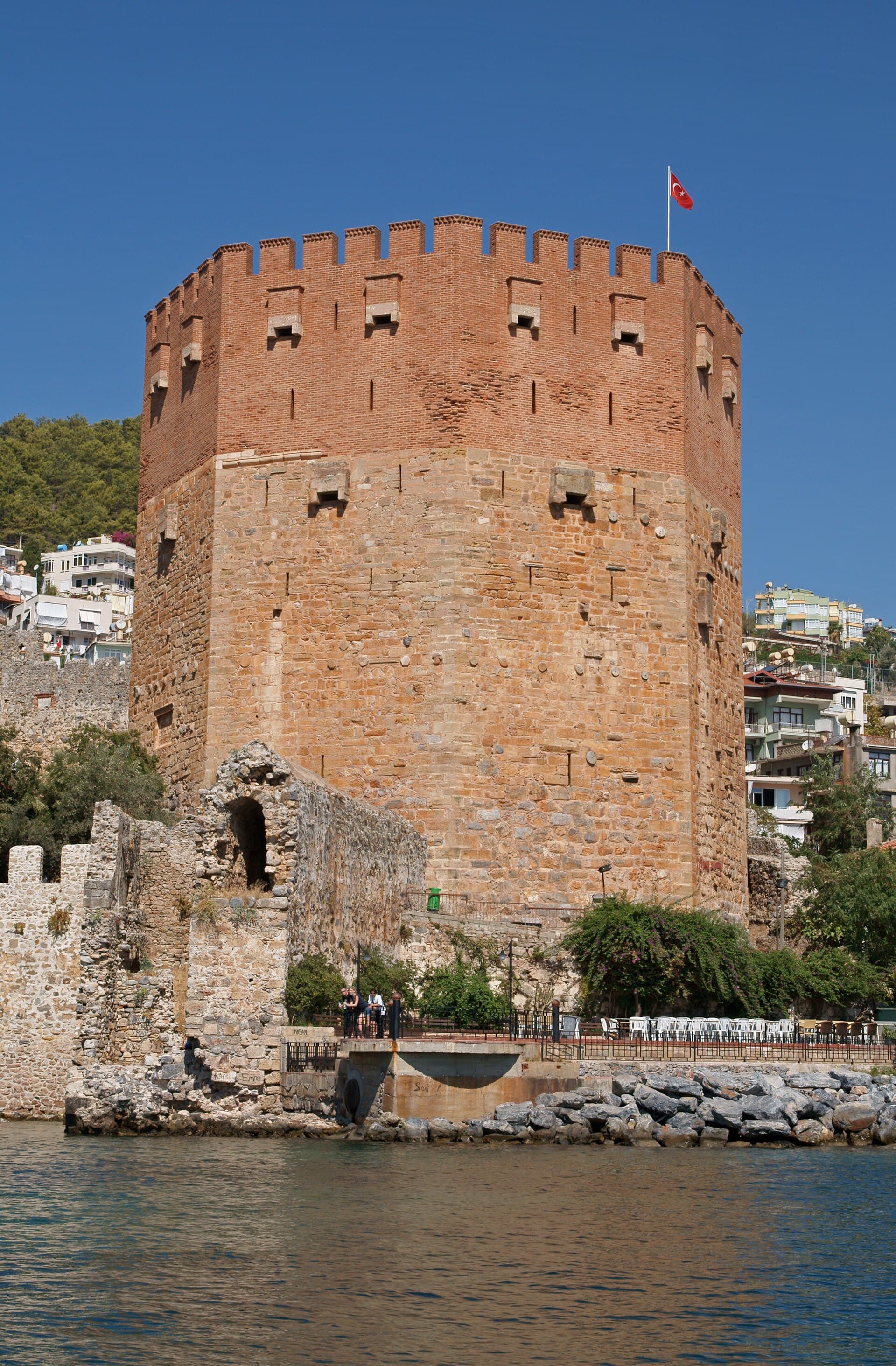 Red Tower (Kızıl Kule)An architect from Aleppo built it, and that one fact changes how you look at the15 min walk4.9
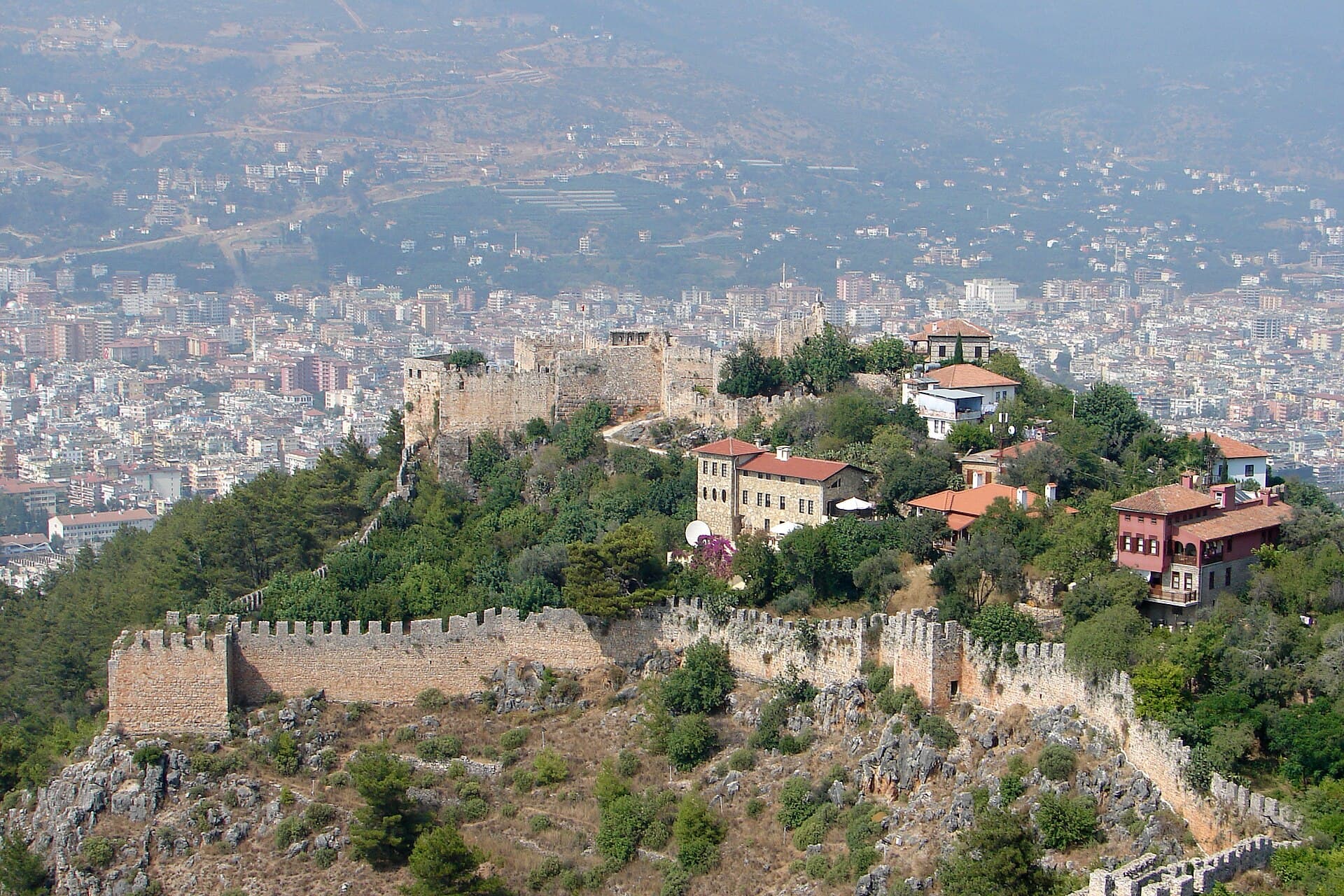 Alanya CastleSix and a half kilometres of wall and something like 140 towers wrap an entire r16 min walk4.8
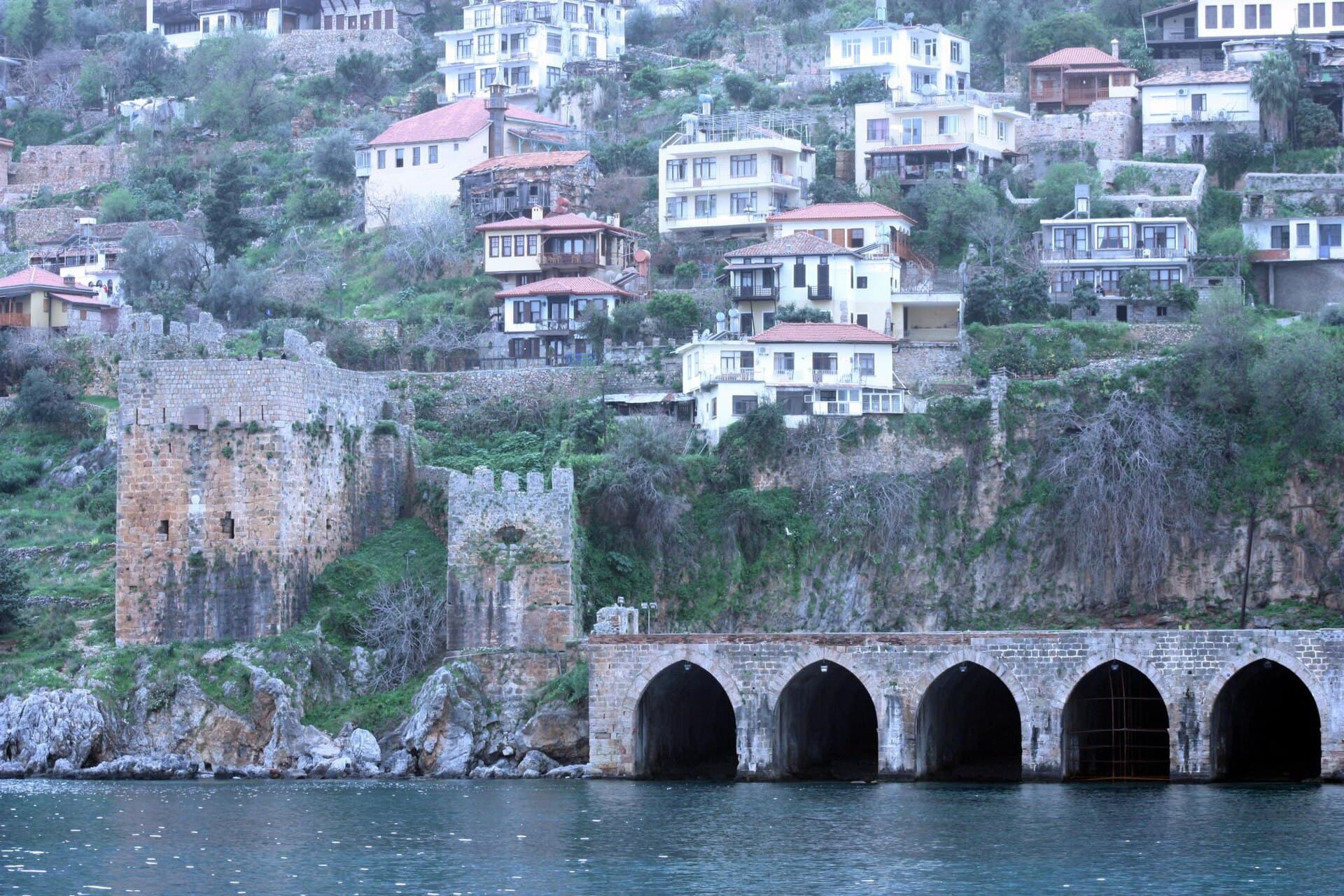 Alanya Seljuk Shipyard (Tersane)Five stone arches open straight onto the sea, and the water still slides into th18 min walk4.6
Antalya's museum is far larger and richer, so if time is short choose that one. Alanya's asks only an hour and a few euros and sits steps from Damlataş Cave, so fold it into a beach morning rather than making a separate trip of it.
Yes as far as access goes: the halls and garden are level and a pushchair rolls through easily. The content holds small children for perhaps fifteen minutes, Heracles, the ships and the activity room, then they are done; the cave next door is what they will remember.
Sign in to write your review of this place.
No reviews yet — be the first.