
One chamber, 15,000 years old
Stalactites and stalagmites under coloured light in a single cylindrical room about fifteen metres high.
Satirdan kahraman — CC0 · Satirdan kahraman — CC0 · Satirdan kahraman — CC0 · Satirdan kahraman — CC0
Until ten in the morning, nobody enters Damlataş Cave for fun. The first four hours of the day belong to asthma patients, who arrive with a doctor's note and sit in the thick air for a three-week course before the doors open to everyone else. That ritual tells you more about the place than its rocks do: a constant 22°C in every season, humidity near 95 per cent and a raised dose of carbon dioxide, a mixture that has carried a medical reputation ever since quarrymen cutting stone for Alanya's harbour broke into the chamber by accident in 1948. It became the first cave in Turkey opened to tourists and remains the best known of its modest kind. Modest is the honest word. A passage of roughly fifty metres drops down a few steps and opens into one cylindrical chamber roughly fifteen metres high, hung with stalactites and studded with stalagmites reckoned to be about 15,000 years old. Coloured lighting lends the formations more drama than their size deserves, and a short circular walkway loops around the room and brings you back to where you started. A leisurely visit is fifteen to twenty minutes; you will not need more. This is not a place to build a day around but a stop on a route you are already walking. The entrance sits at the western foot of the castle rock a few steps from Cleopatra Beach, the Alanya Archaeological Museum is a minute's walk away, and the base of the castle cable car is a short stroll away. Treat it as shelter from the sun: in August, when Alanya pushes past 35°C, that steady 22 feels like a gift, but the clammy air and the midday crush spoil it, so go right at the ten o'clock opening or in the last hour before closing. With children it is easy going, only a handful of steps and a level walkway inside, though the pushchair stays at the door. The ticket is modest and paid at the door, cards accepted, and the Müze Kart is no use here because the cave belongs to Alanya municipality rather than the Culture Ministry. Anyone with breathing trouble or a dislike of enclosed spaces will feel the heaviness of the air within minutes; there is no shame in a look from the passage and a quick exit.
Stalactites and stalagmites under coloured light in a single cylindrical room about fifteen metres high.
A constant year-round temperature makes it a refuge from the Alanya sun, clammy air included.
The early-morning hours are reserved for patients on a 21-day course in its humid air.
Damlataş Cd. No:81, Çarşı, Alanya
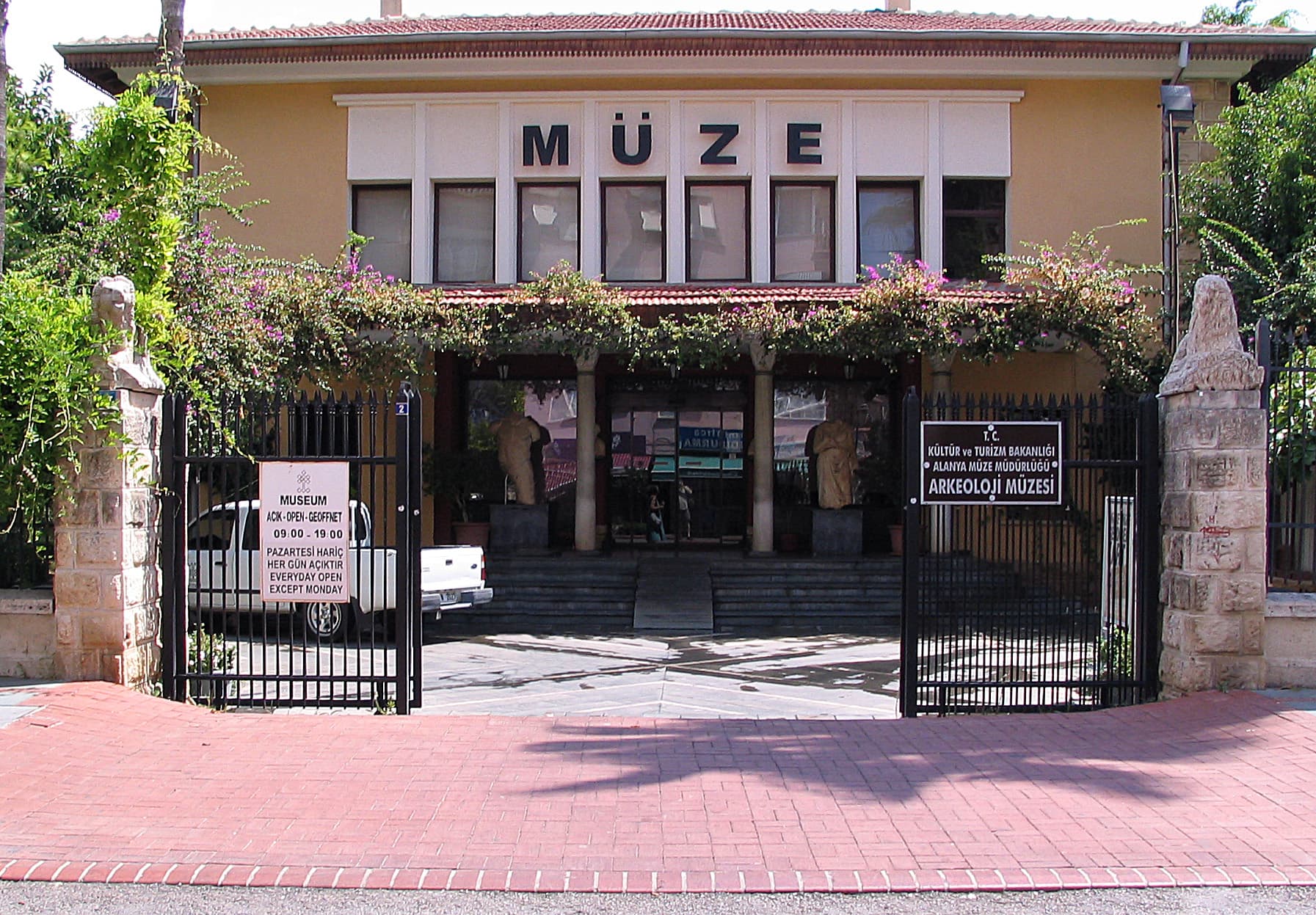 Alanya Archaeological MuseumThe star of this museum is a bronze figure barely 52 centimetres tall, yet it ha3 min walk4.5
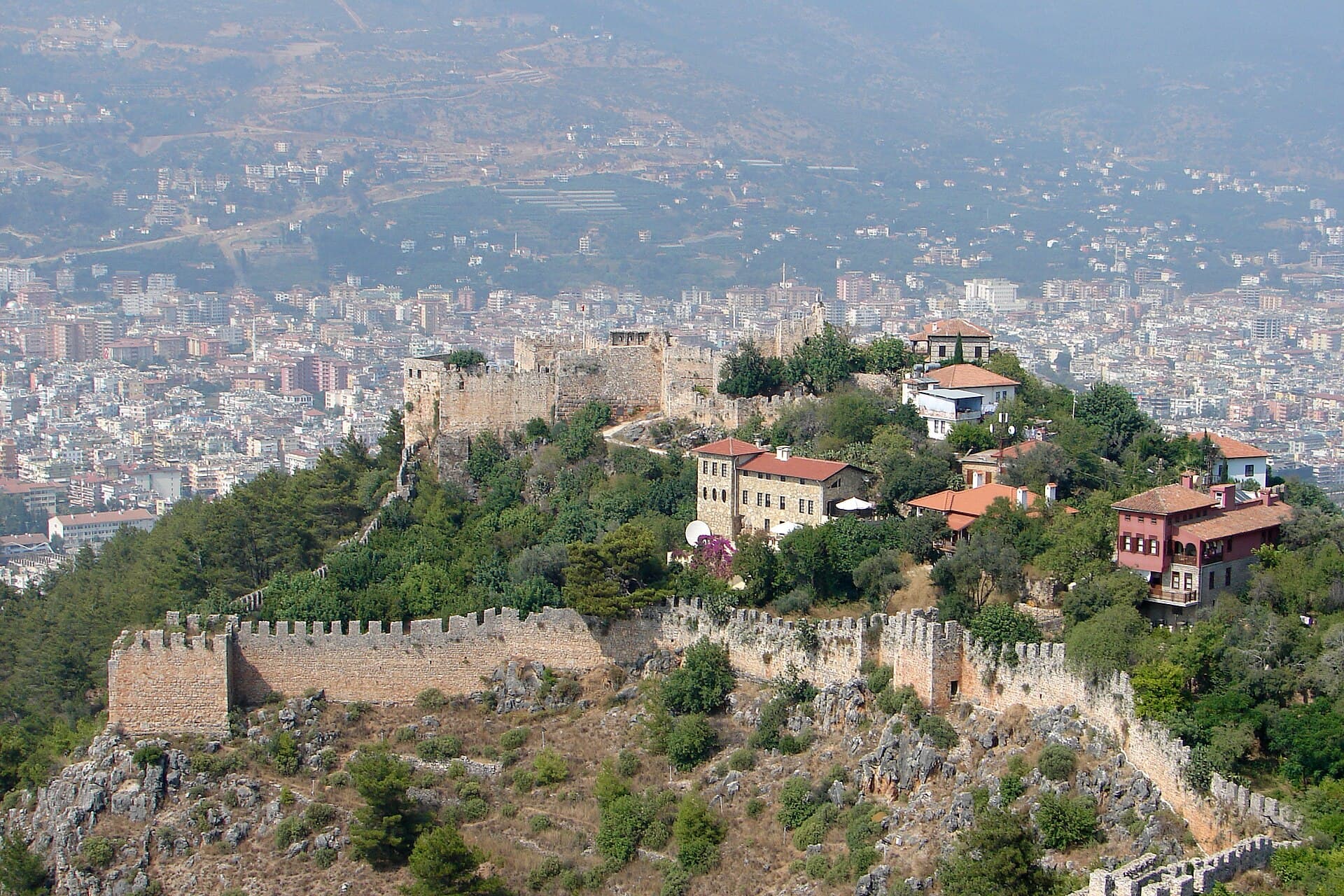 Alanya CastleSix and a half kilometres of wall and something like 140 towers wrap an entire r14 min walk4.8
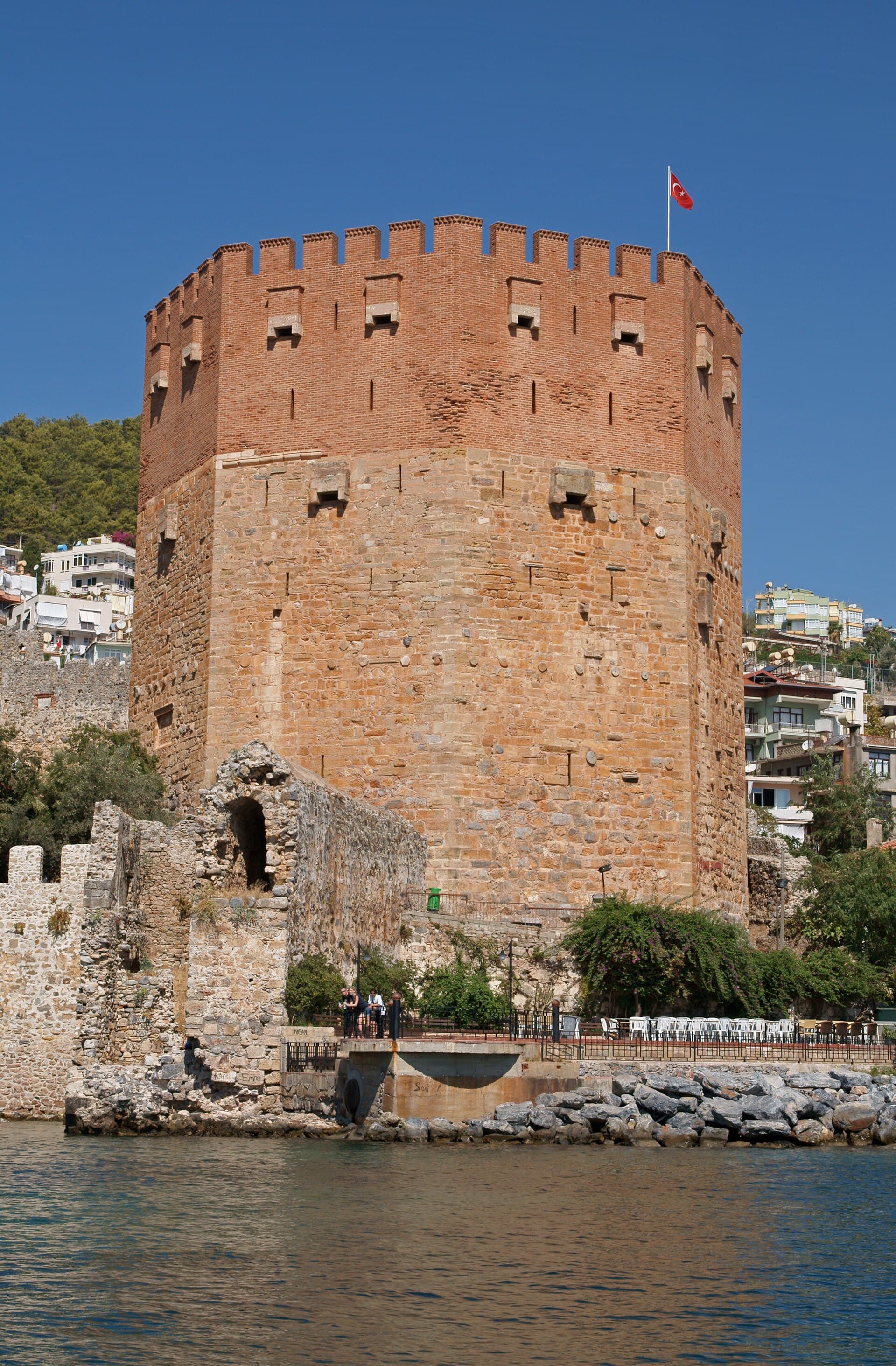 Red Tower (Kızıl Kule)An architect from Aleppo built it, and that one fact changes how you look at the14 min walk4.9
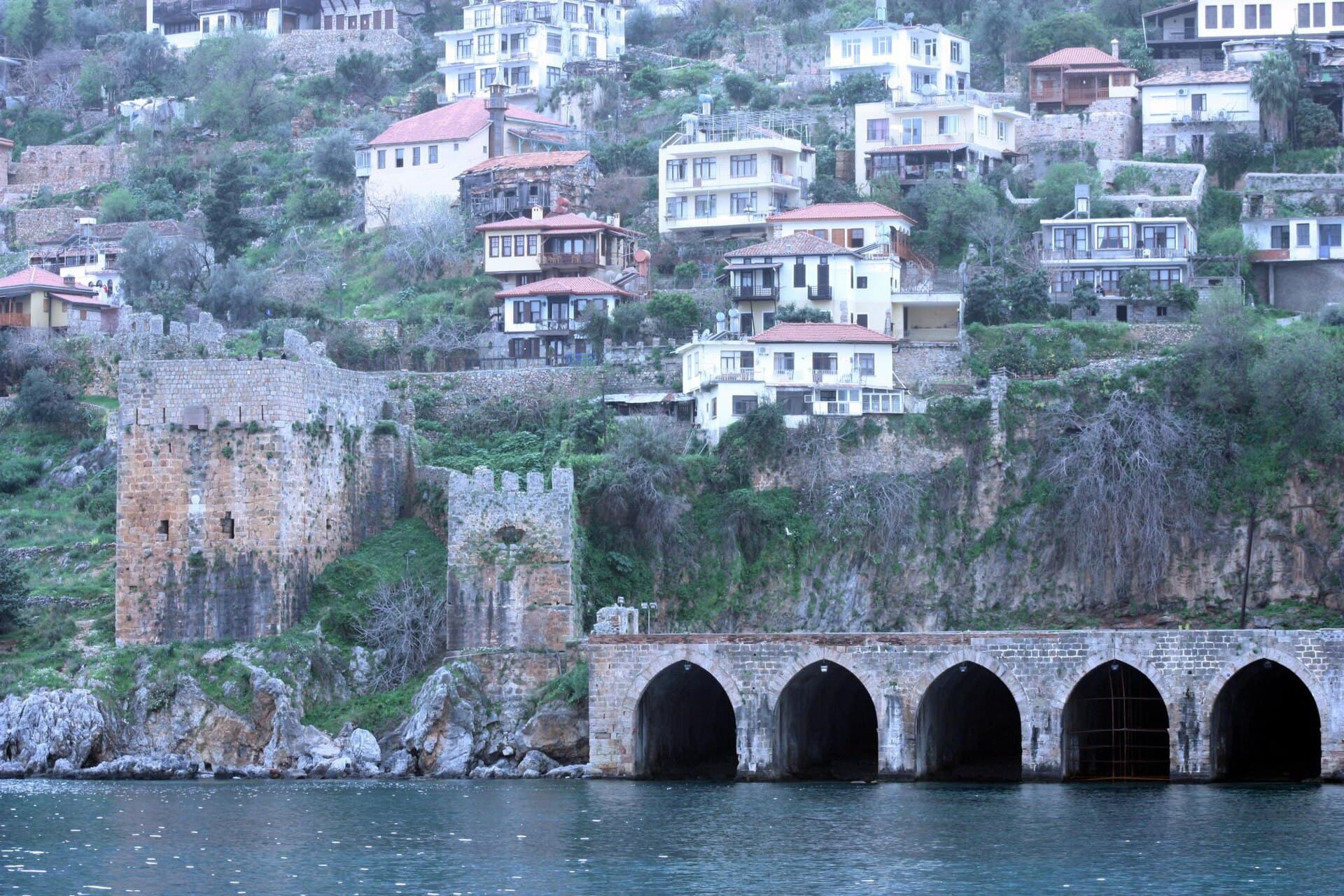 Alanya Seljuk Shipyard (Tersane)Five stone arches open straight onto the sea, and the water still slides into th16 min walk4.6
No. It is small and the loop is over in fifteen minutes, so it does not justify a journey on its own. Visit only when you are already at Cleopatra Beach or heading to the Archaeological Museum or the cable car, all of which are a few steps away.
Generally yes: a few steps at the entrance, then a level walkway, though pushchairs stay at the door. The air is heavy and damp, so anyone claustrophobic or with serious breathing difficulty may find it hard going despite the cave's medical reputation.
Sign in to write your review of this place.
No reviews yet — be the first.