
The first monument to an artist
The first public statue in Germany raised to an artist rather than a ruler or soldier — a significant first in 1840.
Daderot — Public domain · Rijksmuseum — CC0 · Z thomas — CC BY-SA 3.0 · Unknown authorUnknown author — Public domain
The Albrecht Dürer Monument is a bronze statue of Germany's best-known artist, placed in 1840 on the square that carries his name, near his house. Dürer stands in his cloak with his long hair, looking ahead, and it was the first monument in Germany raised to an artist rather than a king or a general — which is its real significance. Dürer was born in Nuremberg in 1471 and lived and died there, and he is the most important artist of the northern Renaissance. The square is small and quiet, his house is a few steps away and works today as a museum, and Nuremberg Castle stands directly above them both.
The first public statue in Germany raised to an artist rather than a ruler or soldier — a significant first in 1840.
A small square away from the crowds of the old town, with cafés to sit at.
The house the artist lived in, a few steps away and a museum today.
Albrecht-Dürer-Platz, 90403 Nürnberg
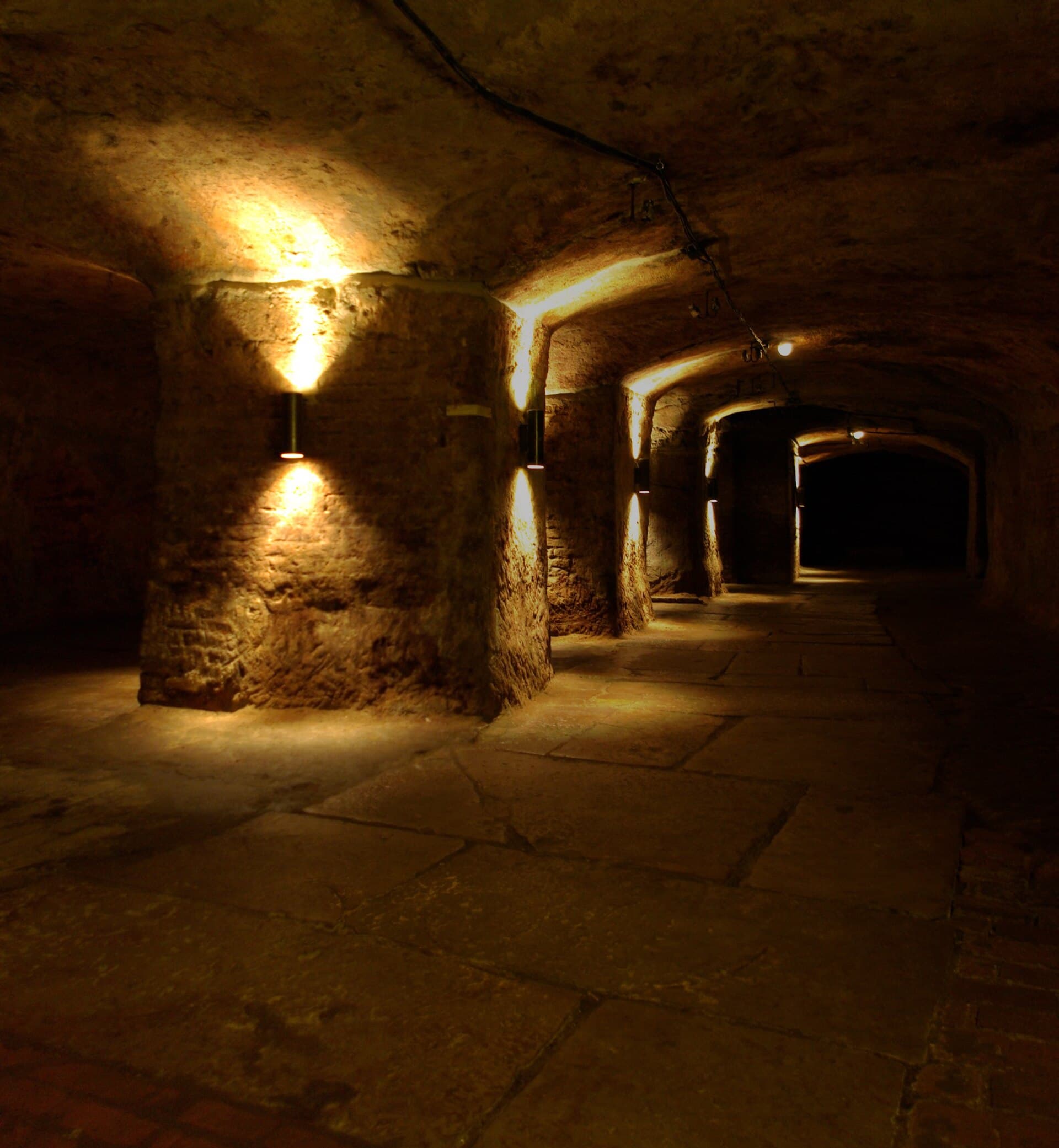 Historic Rock-Cut CellarsUnder the castle hill runs a network of chambers cut straight into the coloured 1 minute walk4.9
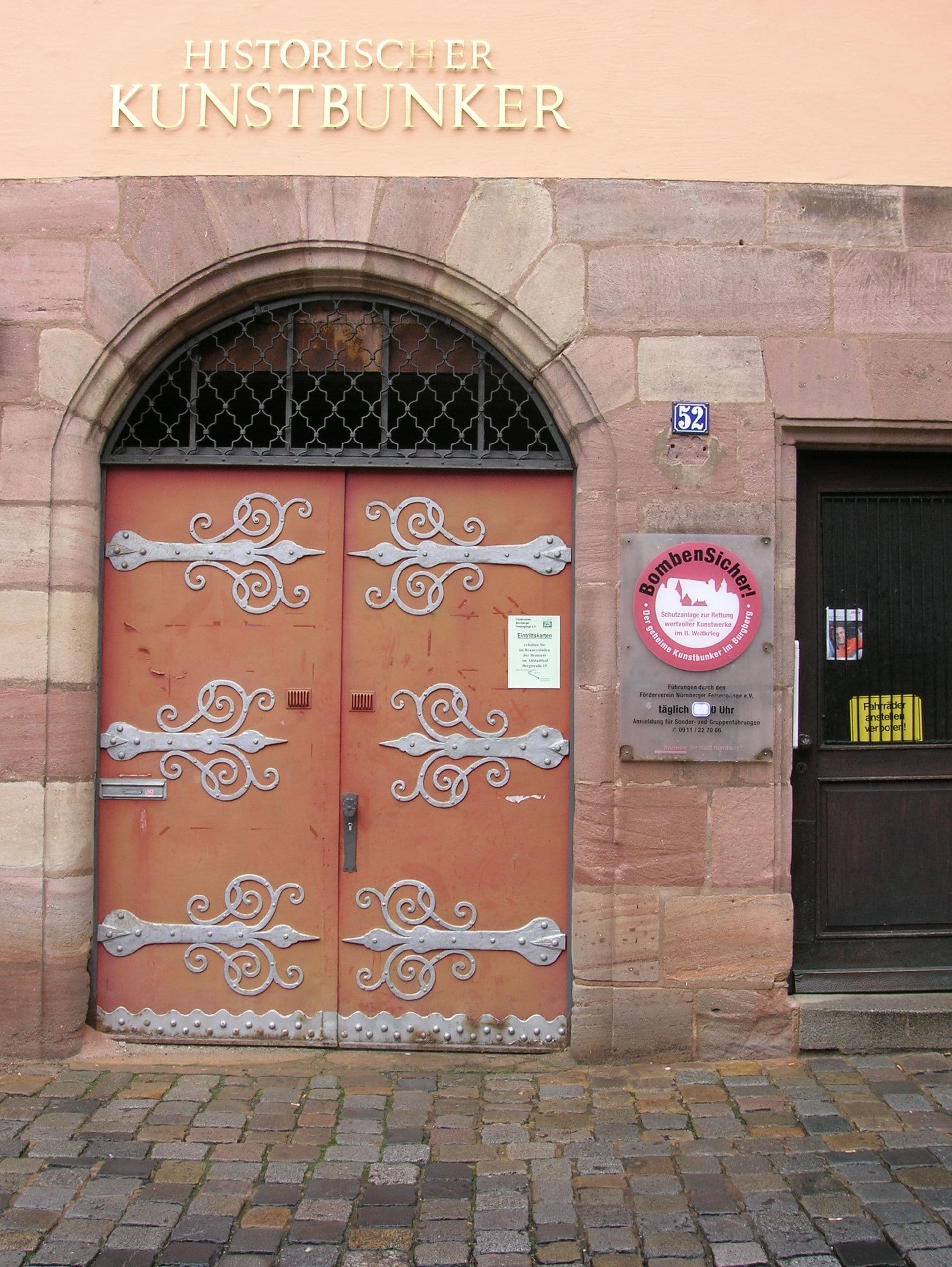 Historic Art BunkerDeep in the castle hill's rock hides a great rescue story: medieval beer cellars1 minute walk4.7
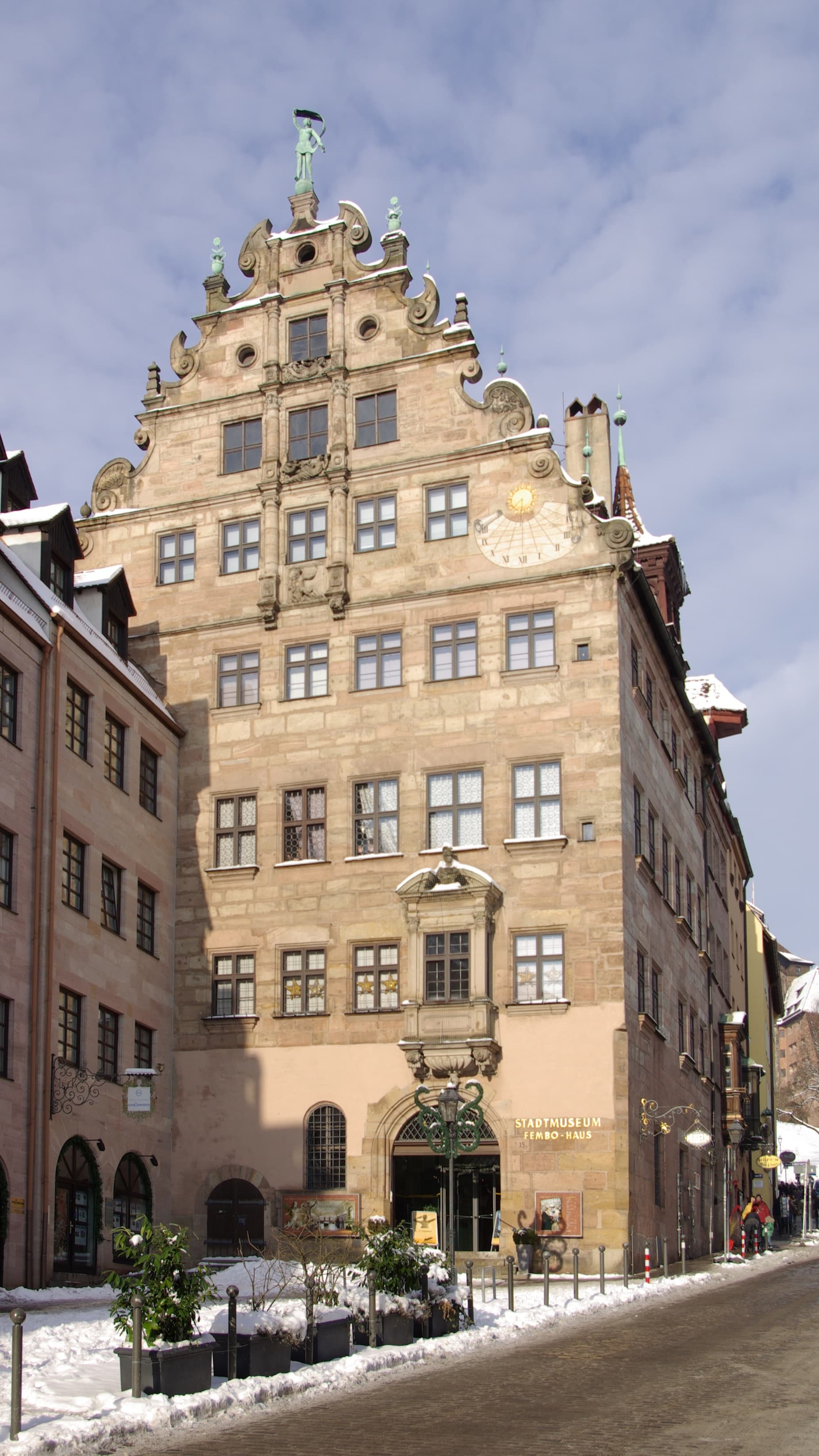 Fembo House City MuseumThe Fembo House is a merchant's house from the late sixteenth century, and the o1 minute walk4.4
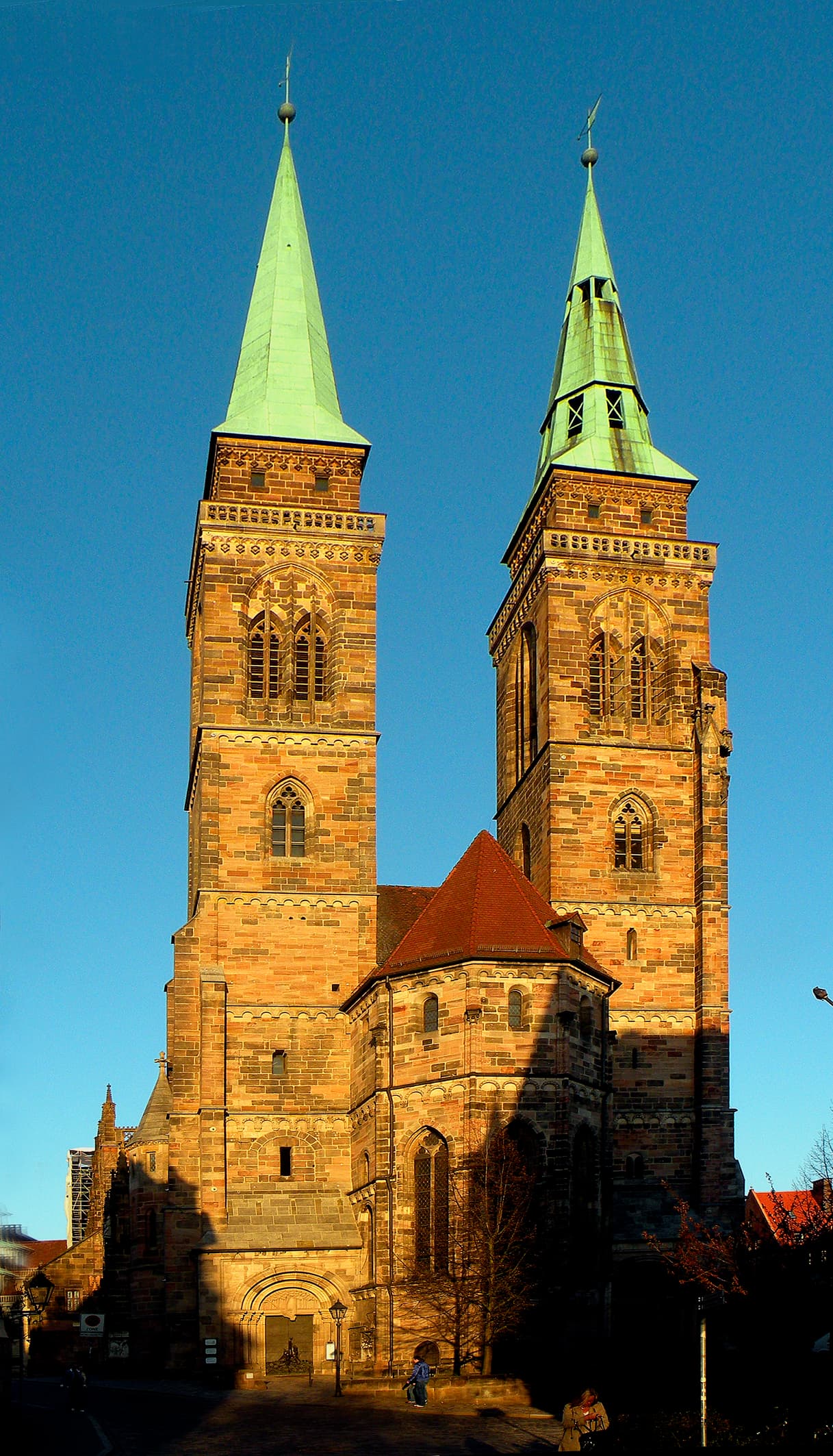 St. Sebaldus ChurchSt. Sebaldus is the oldest of Nuremberg's great churches, built in the thirteent1 minute walk4.8
 Medieval Dungeons (Lochgefängnisse)Beneath Nuremberg's old town hall hides the city's medieval jail as it was left:2 minutes walk4.6
A German painter and printmaker from Nuremberg who lived from 1471 to 1528, regarded as the most important artist of the Renaissance north of Italy. He is known for his exceptionally fine engravings and his self-portraits. His work hangs in museums worldwide, and Nuremberg treats him as its most famous son.
If you are interested in art, yes: the fifteenth-century house shows how he lived and worked, with a printing workshop demonstrated to visitors. If time is short, the monument and square are enough as you pass on the way up to the castle.
Ten minutes for the monument and square. Add an hour for Dürer's house and another for the castle above. All three make a comfortable half day at the top of the old town.