
The Sebaldus shrine
A bronze structure made over eleven years — among the finest bronze work in Europe.
Vitold Muratov — CC BY-SA 3.0 · Calips — CC BY-SA 3.0 · Burkhard Mücke — CC BY 4.0 · Tilman2007 — CC BY-SA 4.0
St. Sebaldus is the oldest of Nuremberg's great churches, built in the thirteenth century and named for the city's patron saint. It became Protestant in the sixteenth century, among the first churches to go over to the Reformation. Its greatest treasure is the shrine of St Sebaldus at its centre: a large bronze structure made by Peter Vischer and his sons over eleven years in the early sixteenth century, and among the finest bronze work in Europe. The church was destroyed in the wartime bombing and restored, but the shrine had been moved and stored beforehand, so it survived intact.
A bronze structure made over eleven years — among the finest bronze work in Europe.
Romanesque at the west end and Gothic at the east, with the difference plain to see.
Windows from the Middle Ages, some of which survived because they were removed and stored.
Winklerstraße 26, 90403 Nürnberg
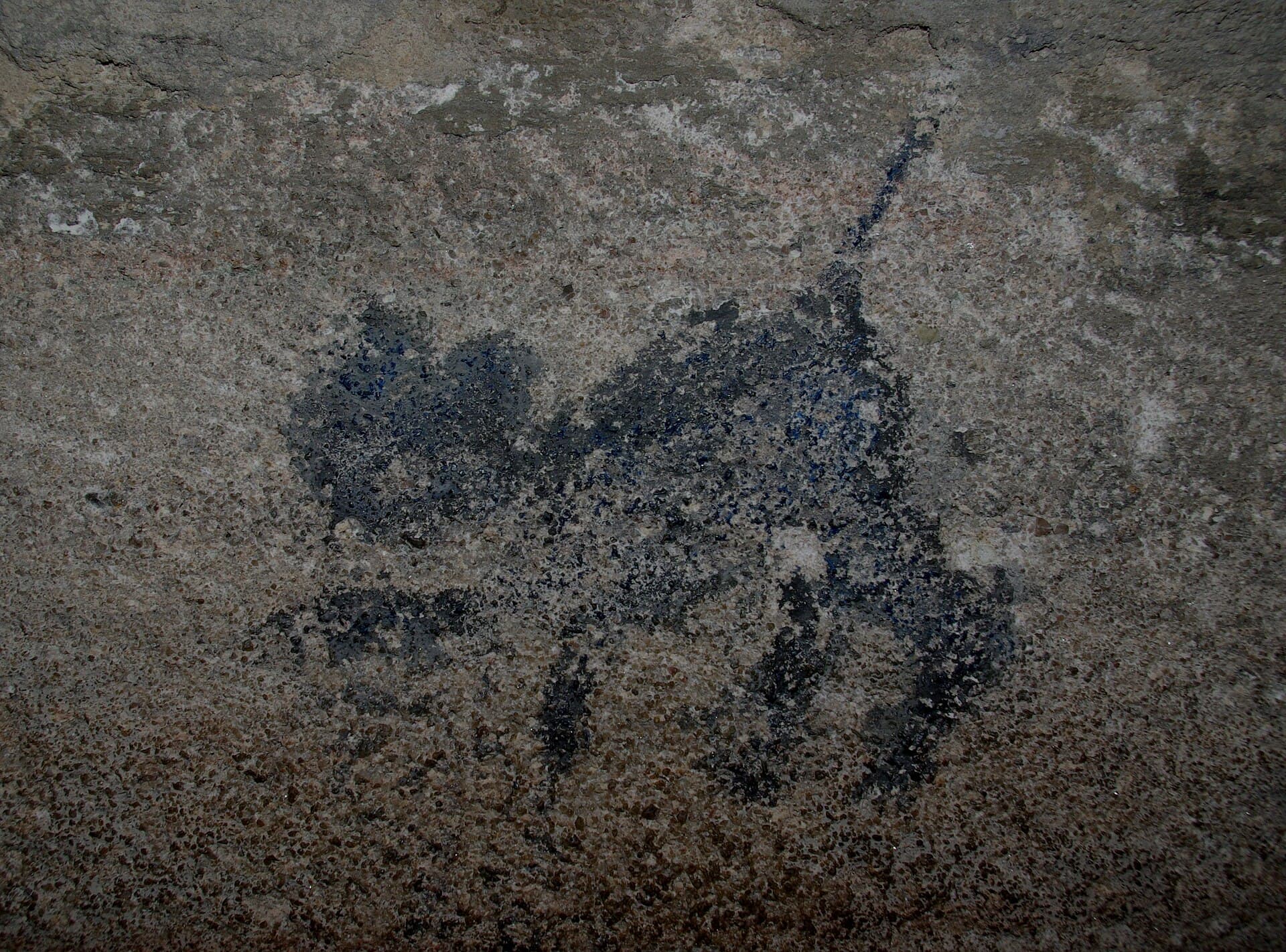 Medieval Dungeons (Lochgefängnisse)Beneath Nuremberg's old town hall hides the city's medieval jail as it was left:1 minute walk4.6
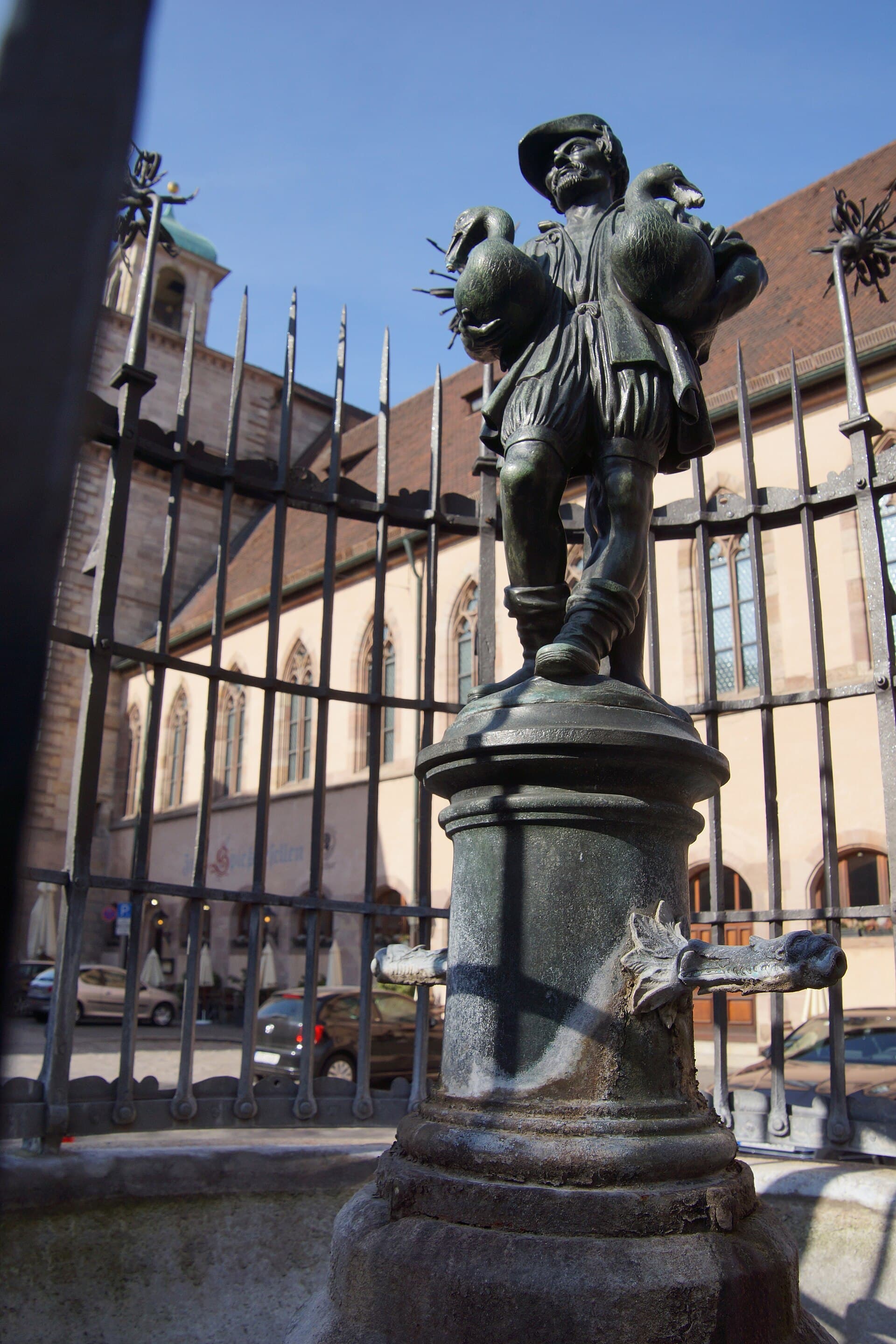 The Goose Man FountainA small bronze fountain near the main market square in Nuremberg, from the early1 minute walk4.6
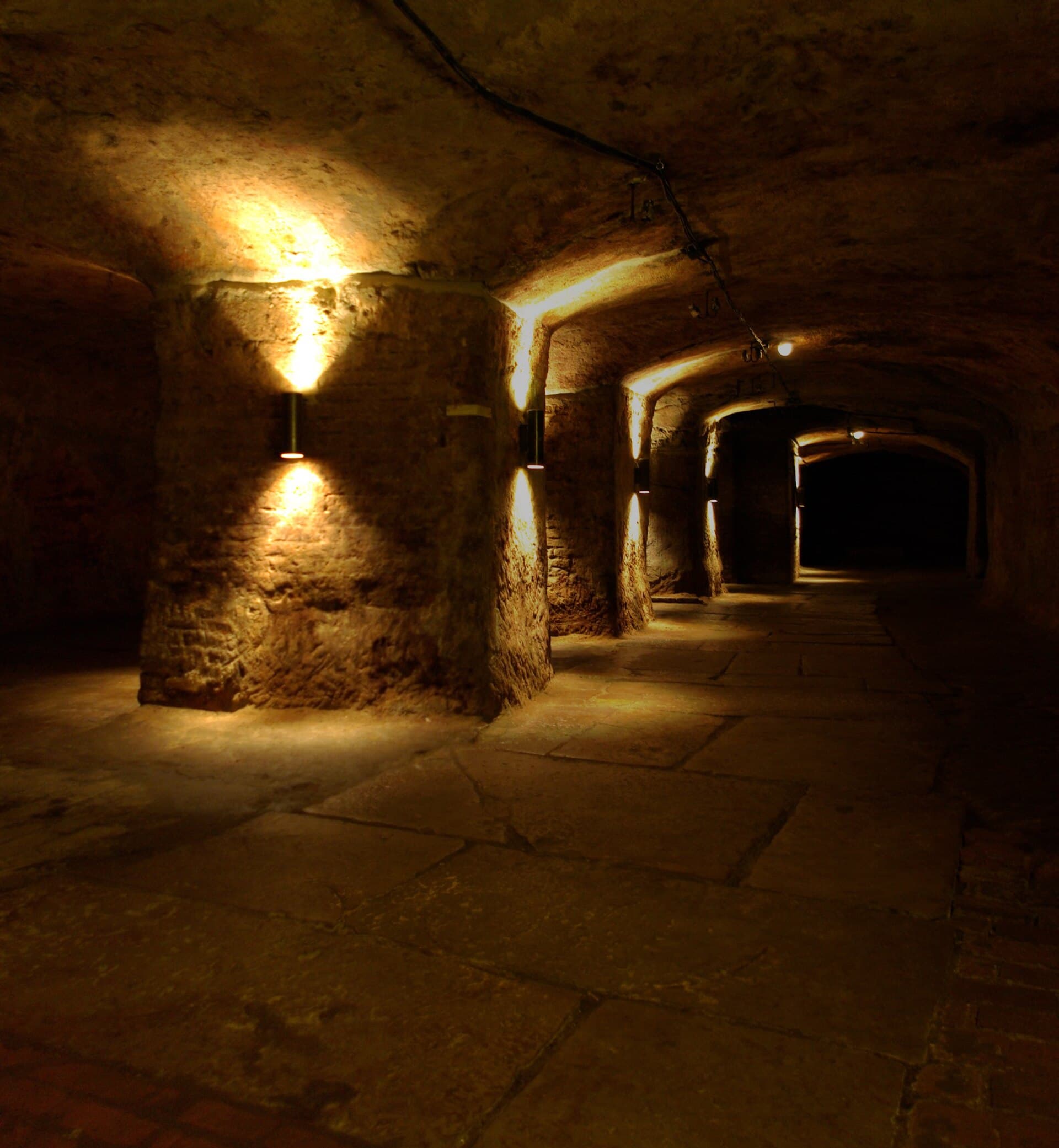 Historic Rock-Cut CellarsUnder the castle hill runs a network of chambers cut straight into the coloured 1 minute walk4.9
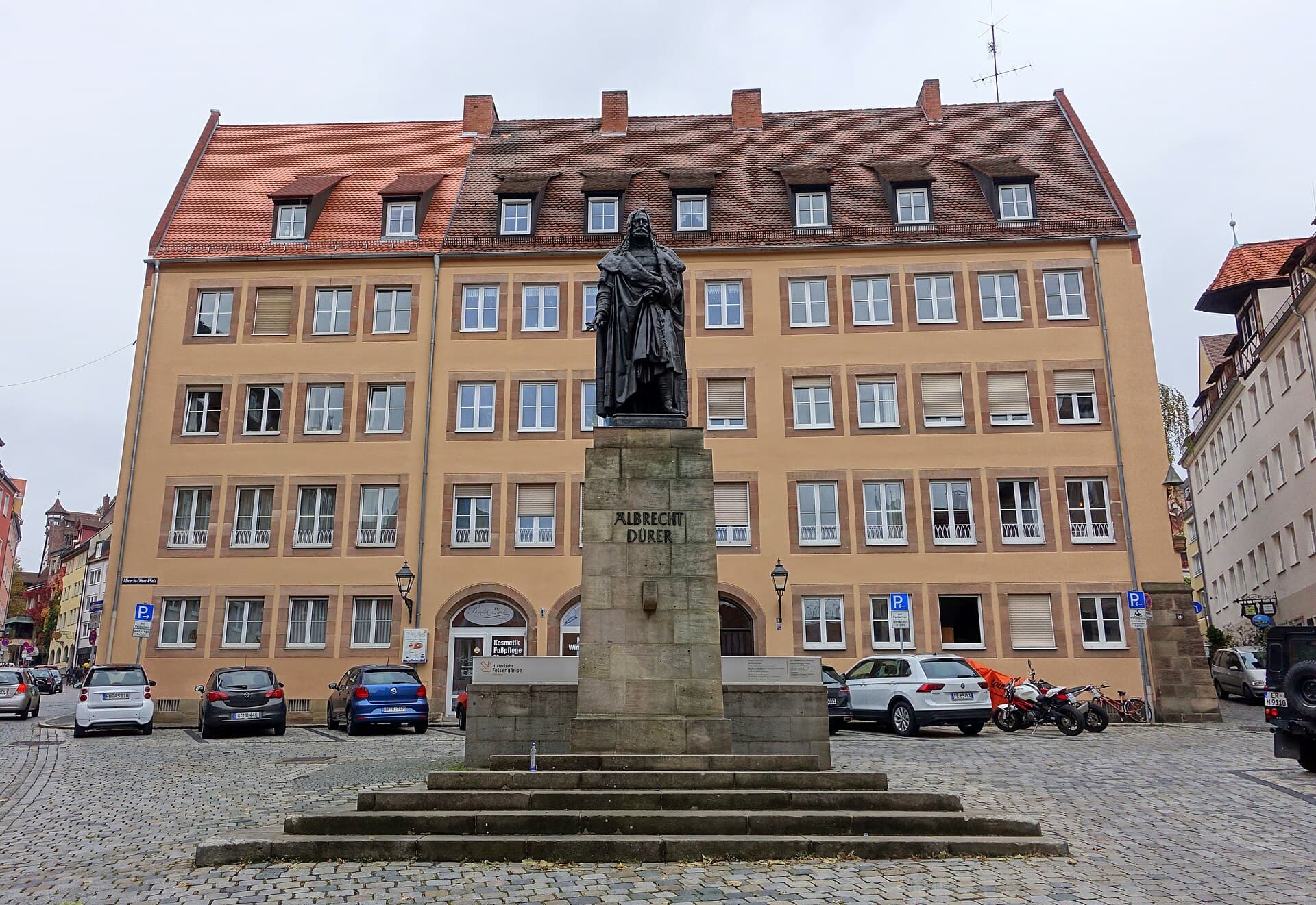 Albrecht Dürer MonumentThe Albrecht Dürer Monument is a bronze statue of Germany's best-known artist, p1 minute walk4.4
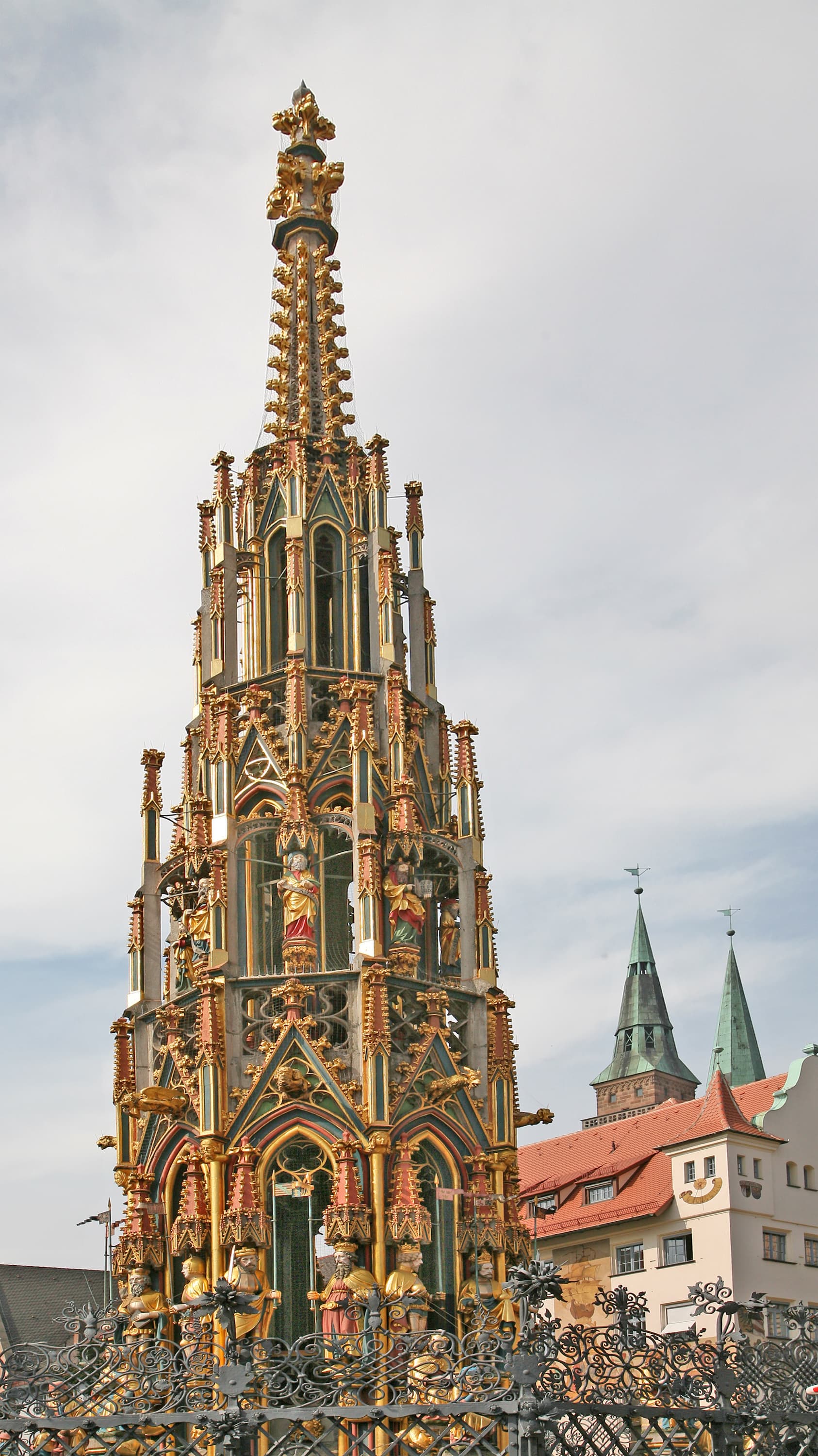 Schöner BrunnenThe Schöner Brunnen is a tall Gothic fountain on Nuremberg's main market square,2 minutes walk4.6
St. Sebaldus is older, larger and Protestant, and its value lies in the bronze shrine and its architecture. The Frauenkirche on the market square is smaller, Catholic, and famous for its clock display at noon. They are minutes apart and seen together.
Yes, and that is exceptional. The church itself was badly damaged in the bombing and restored, but the shrine had been dismantled and moved to safety beforehand, and returned intact after the war.
Half an hour. Combine it with the Frauenkirche, the market square and the castle in one old-town walk of about half a day.