
The rotunda
A domed hall modelled on the Roman Pantheon and ringed with statues — the finest thing in the building.
VitVit — CC BY-SA 4.0 · Osama Shukir Muhammed Amin FRCP(Glasg) — CC BY-SA 4.0 · Osama Shukir Muhammed Amin FRCP(Glasg) — CC BY-SA 4.0 · Rijksmuseum — CC0
The Altes Museum is the oldest on Museum Island, designed by Karl Friedrich Schinkel and opened in 1830. Its front is a long row of Greek columns facing the Lustgarten and Berlin Cathedral, and it is one of the major works of neoclassicism in Europe. Inside are Greek and Roman antiquities: sculpture, vases, jewellery and objects from daily life in the ancient world. The finest thing in the building is its central rotunda, modelled on the Pantheon in Rome, domed and ringed with statues. The visit is shorter than at the other island museums, and suits anyone interested in Greece and Rome.
A domed hall modelled on the Roman Pantheon and ringed with statues — the finest thing in the building.
Sculpture and painted vases from ancient Greece, some of them of the first importance.
The long colonnade facing the garden, one of Berlin's best-known frontages, and free to look at.
Am Lustgarten, 10178 Berlin
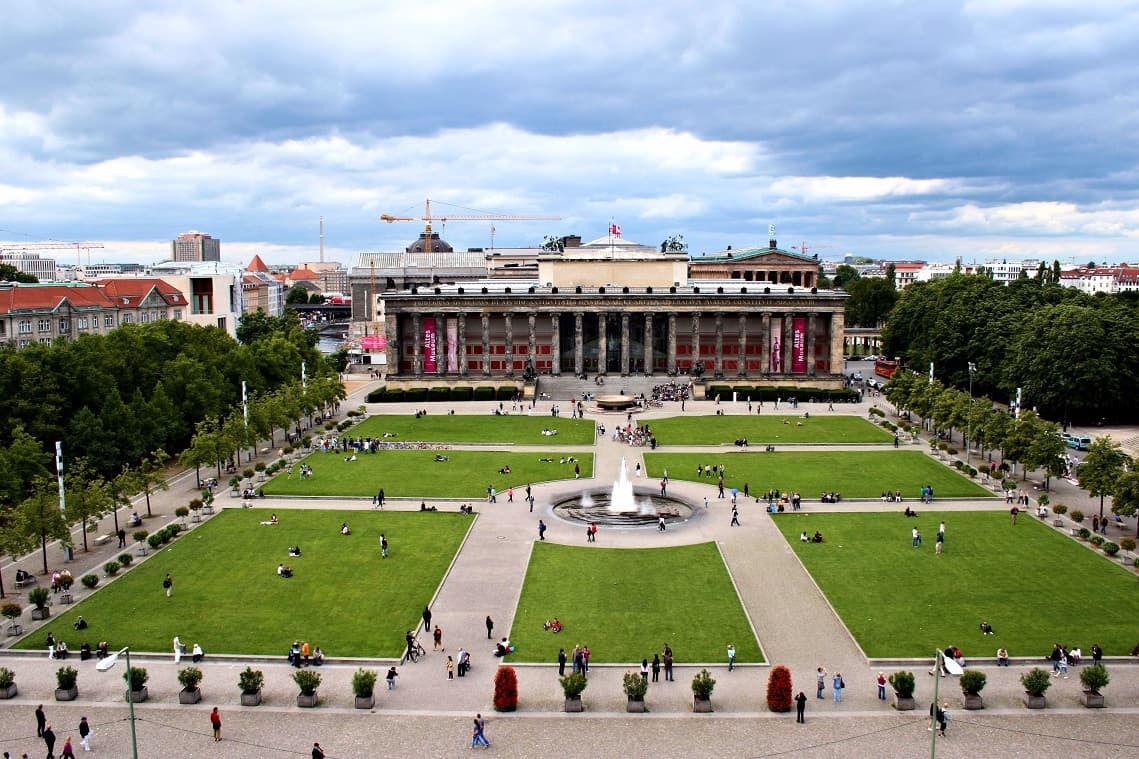 LustgartenThe Lustgarten is a square of grass in the middle of Berlin's Museum Island. Ber1 minute walk4.5
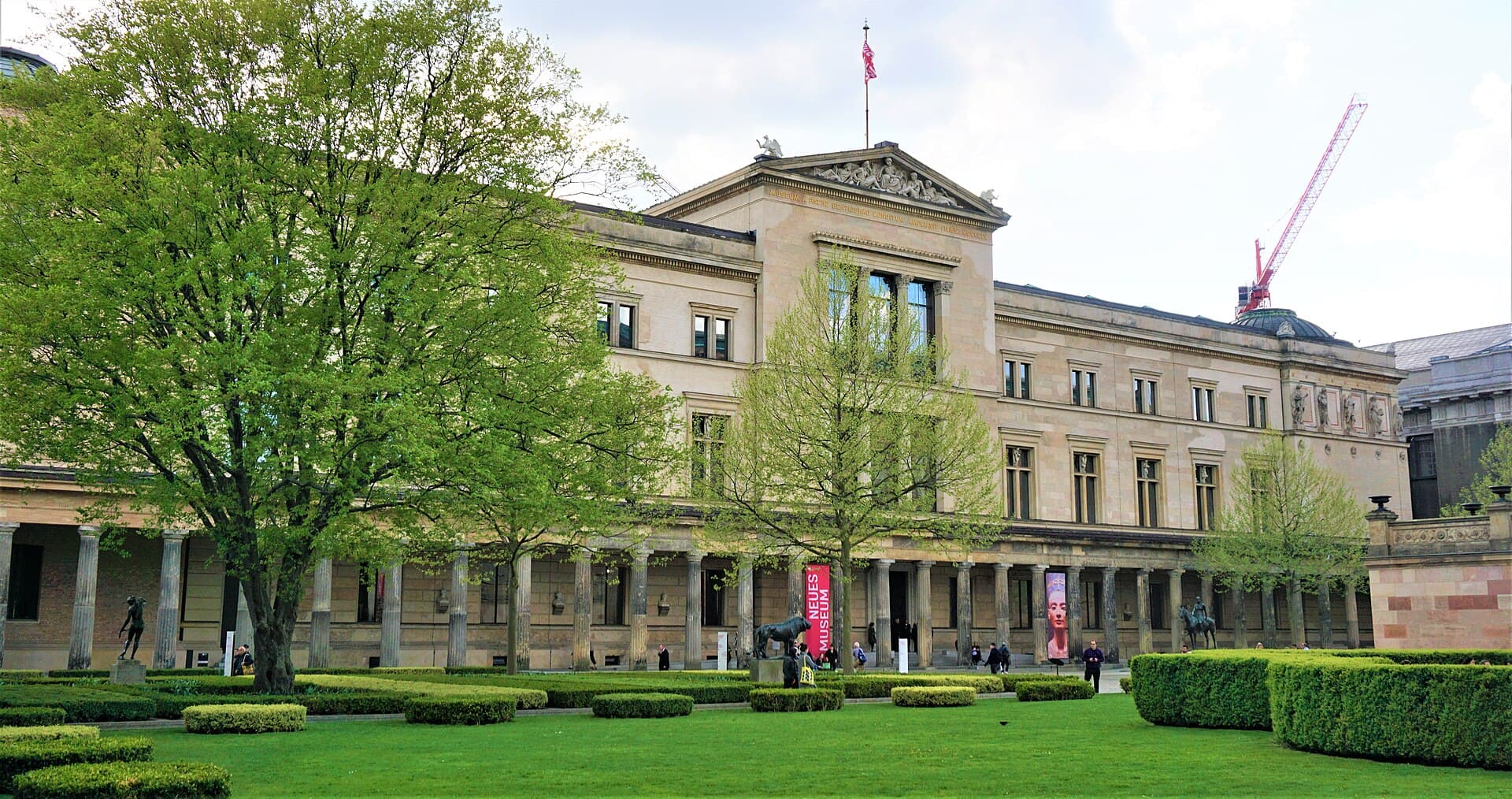 Neues MuseumThe Neues Museum on Museum Island is home to the most famous face in history: th2 minutes walk4.4
 Berlin CathedralBerlin Cathedral is the largest church in the city, standing on Museum Island un2 minutes walk4.5
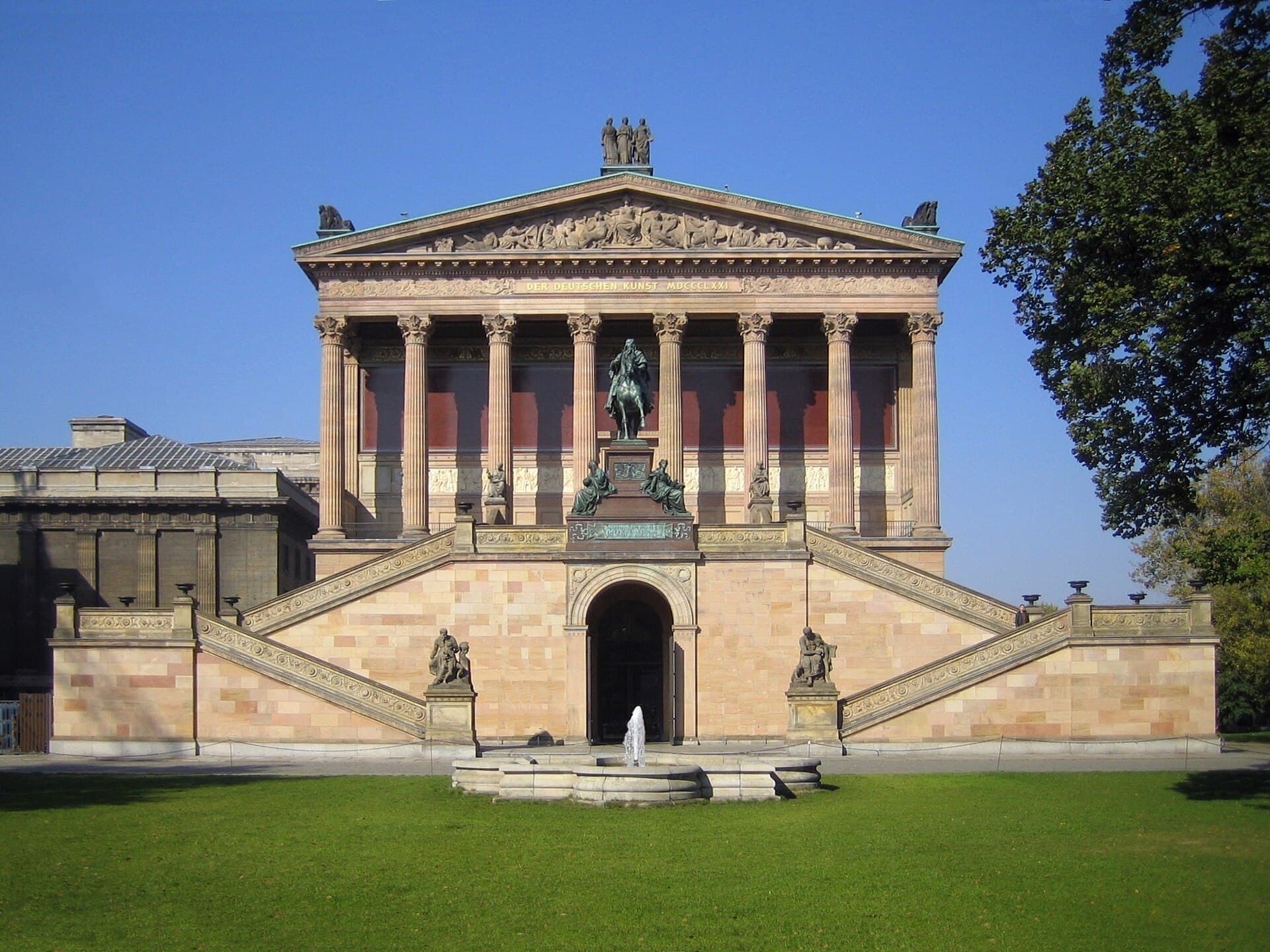 Alte NationalgalerieThe Alte Nationalgalerie is a temple-like building on Berlin's Museum Island hol2 minutes walk4.4
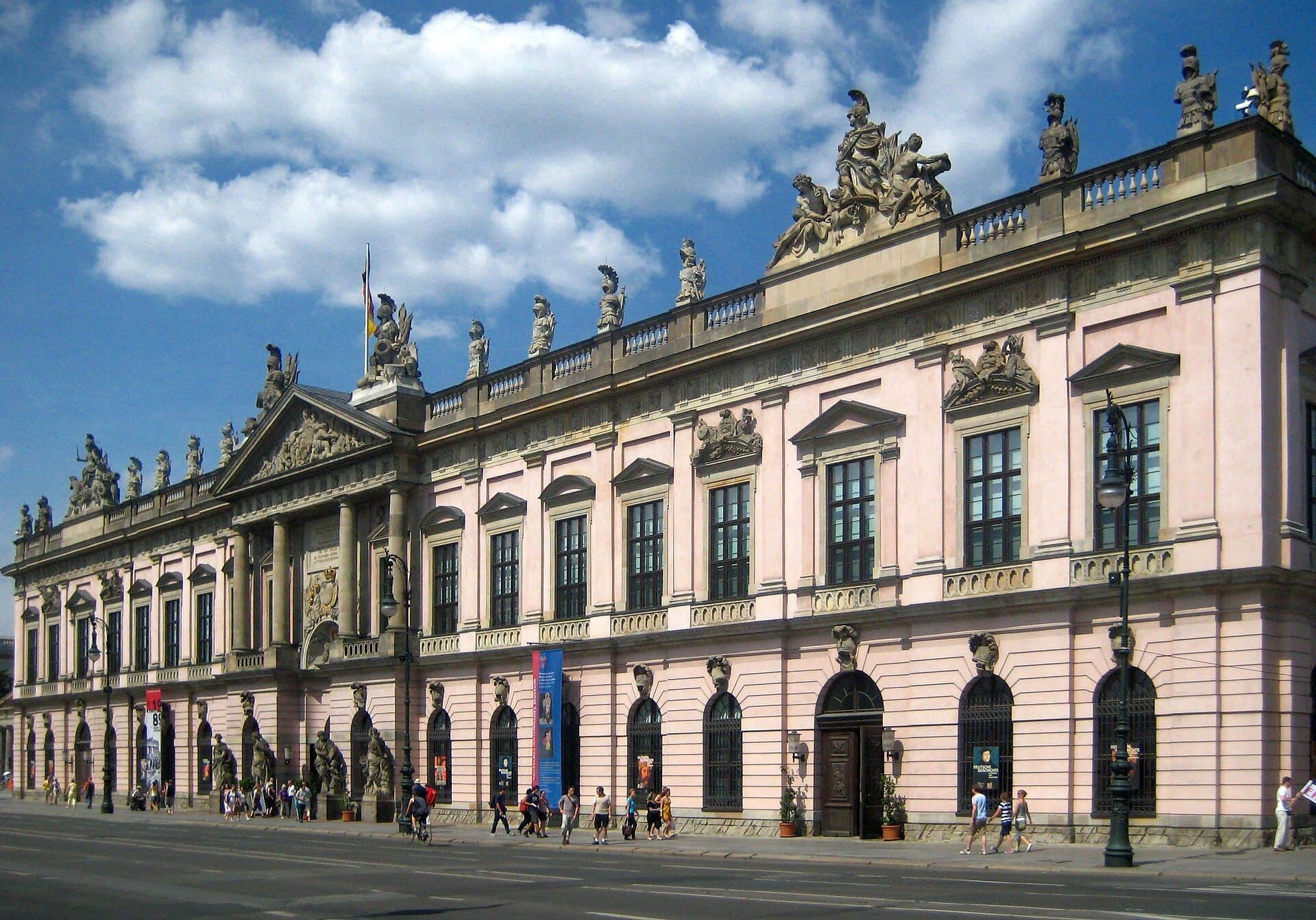 German Historical MuseumThe German Historical Museum occupies the Zeughaus, the oldest building on Unter3 minutes walk4.5
The Altes Museum holds Greek and Roman antiquities; the Neues holds ancient Egypt, including the famous bust of Nefertiti. The two stand side by side on the island. For Egypt go to the Neues; for Greece and Rome, this one.
An hour and a quarter to two hours. It is smaller than the other island museums and combines easily with a second one the same day on a joint ticket.
The façade alone is handsome and free, and many people stop there. But the rotunda inside justifies the ticket even if antiquities are not your main interest — it is the finest interior space on the whole island.