
Nefertiti
The ancient world's most famous face, in original colour, in a room of her own.
Joyofmuseums — CC BY-SA 4.0 · Roy Zuo — CC BY-SA 4.0 · Damien Tournay — CC BY-SA 2.0 · Osama Shukir Muhammed Amin FRCP(Glasg) — CC BY-SA 4.0
The Neues Museum on Museum Island is home to the most famous face in history: the bust of Queen Nefertiti, over 3,300 years old with its original colours nearly complete, displayed alone in a domed room where people fall silent. That one room alone earns the museum its place on any itinerary. Around it stands one of the weightiest Egyptian collections outside Egypt: coffins, papyri and heads from the Akhenaten era that explain the revolutionary artistic moment Nefertiti came from. Other floors hold European prehistory and Heinrich Schliemann's treasures. The building is a story in itself: wrecked in the war, it stood as a ruin for sixty years until architect David Chipperfield revived it with a bold idea — leave the wounds visible and restore around them — so the building exhibits its own history too.
The ancient world's most famous face, in original colour, in a room of her own.
Amarna heads and pieces explaining the artistic revolution Nefertiti was born of.
A rebuild that left the war wounds visible — the building exhibits its own past.
Finds of Troy's discoverer — an archaeological drama in itself.
Bodestrasse 1-3, 10178 Berlin
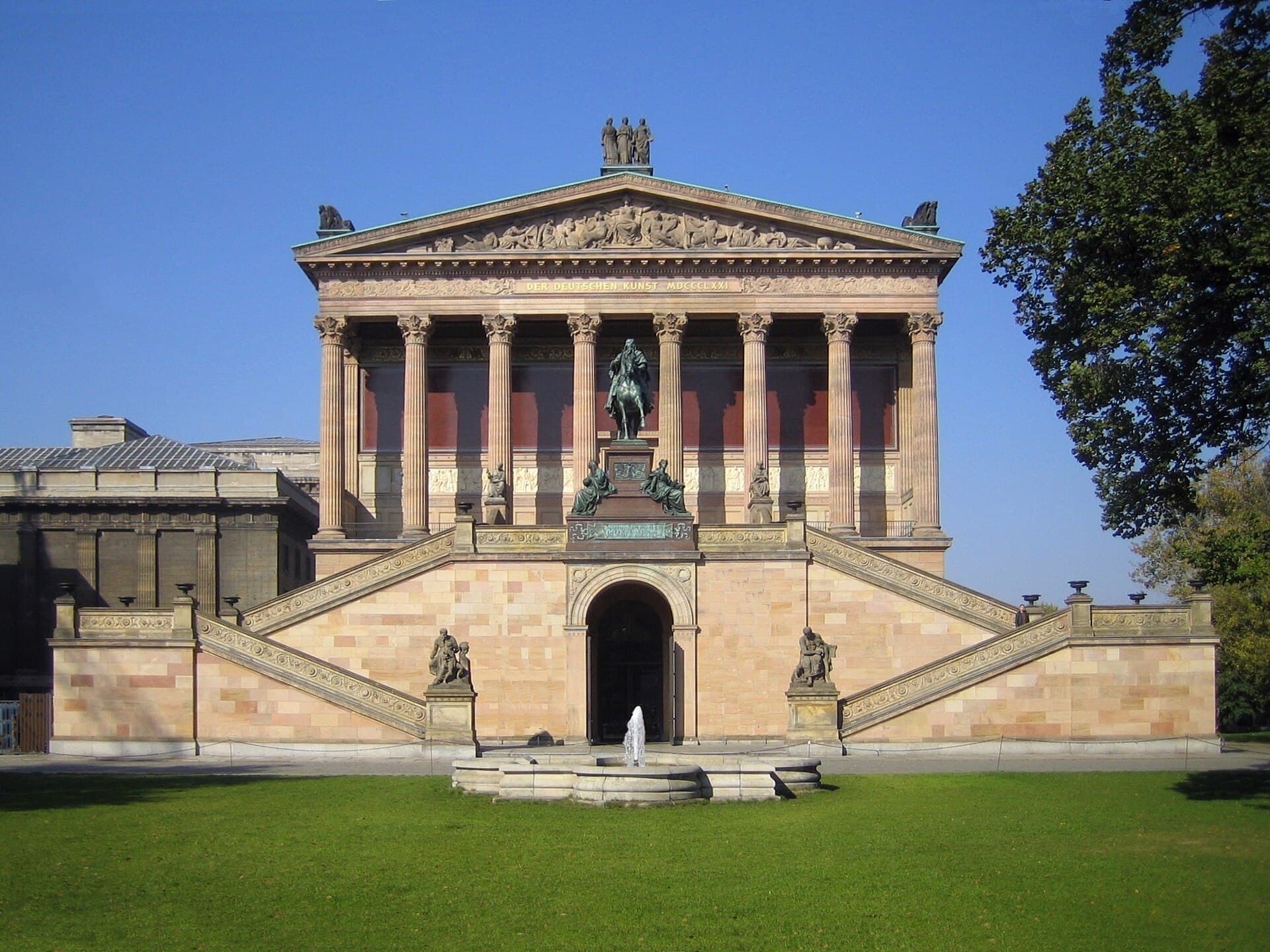 Alte NationalgalerieThe Alte Nationalgalerie is a temple-like building on Berlin's Museum Island hol1 minute walk4.4
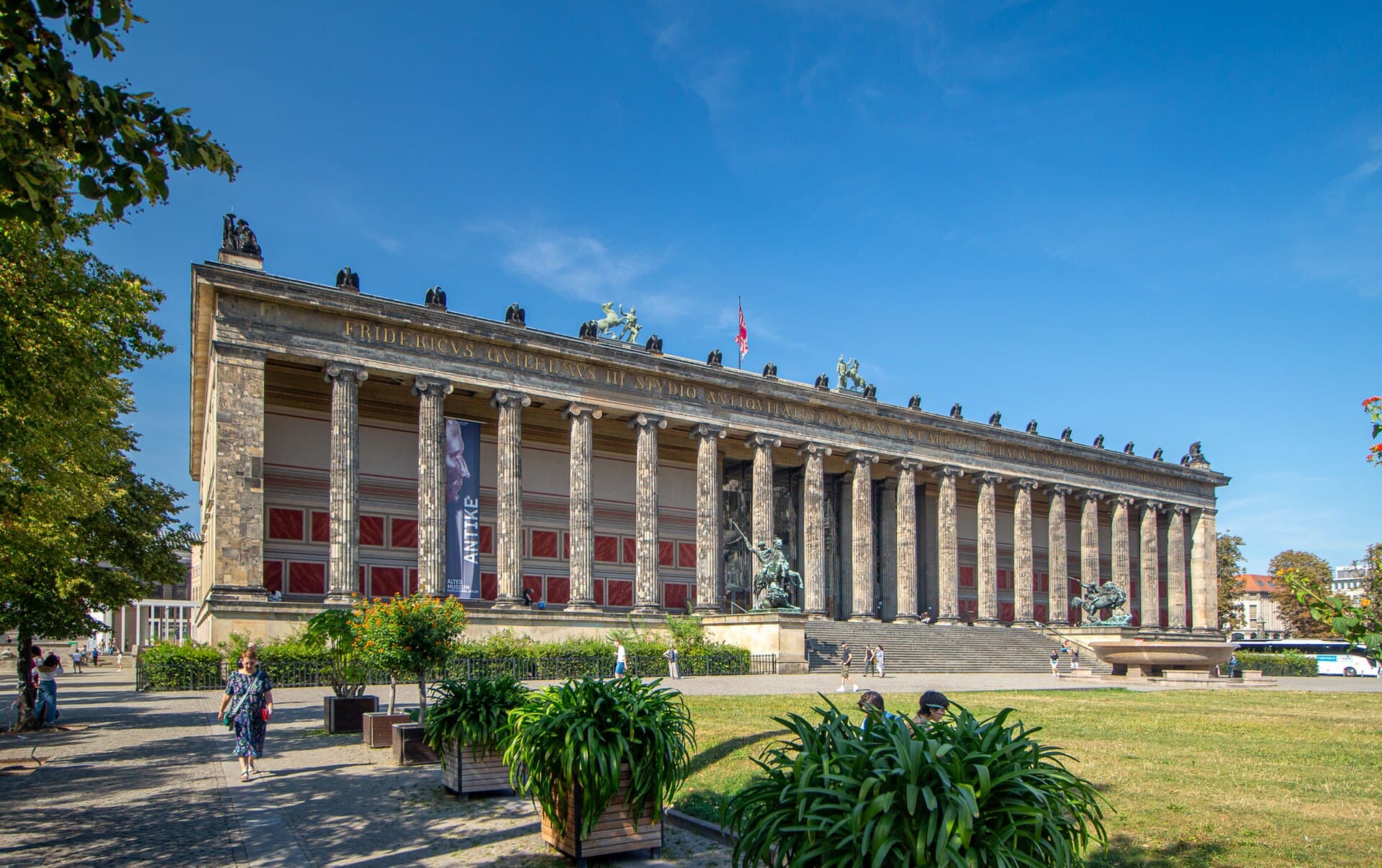 Altes MuseumThe Altes Museum is the oldest on Museum Island, designed by Karl Friedrich Schi2 minutes walk4.5
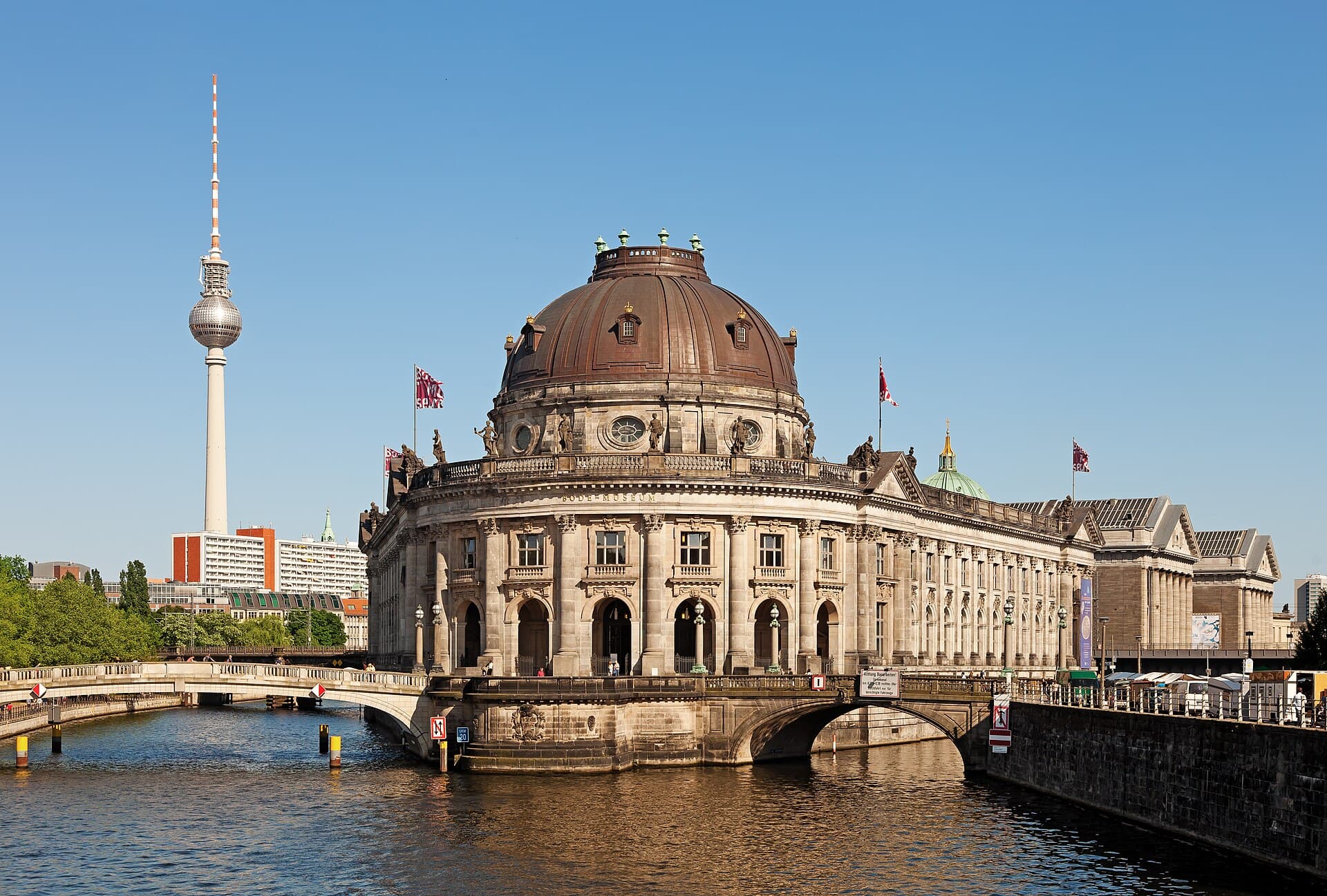 Museum IslandMuseum Island is a small island in the river Spree in central Berlin carrying fi2 minutes walk4.9
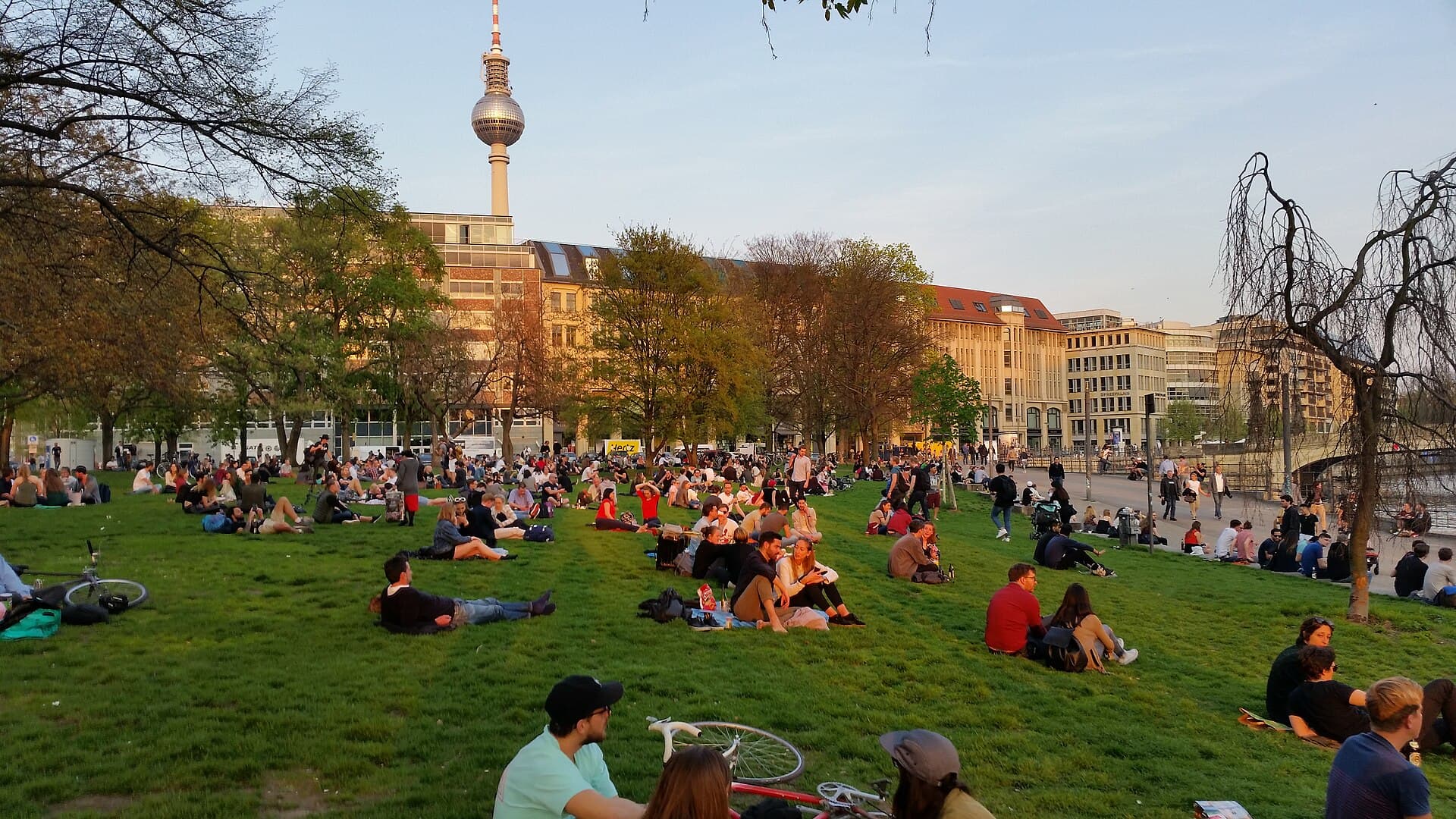 James-Simon-ParkJames-Simon-Park is a small stretch of grass on the bank of the Spree, right bes3 minutes walk4.6
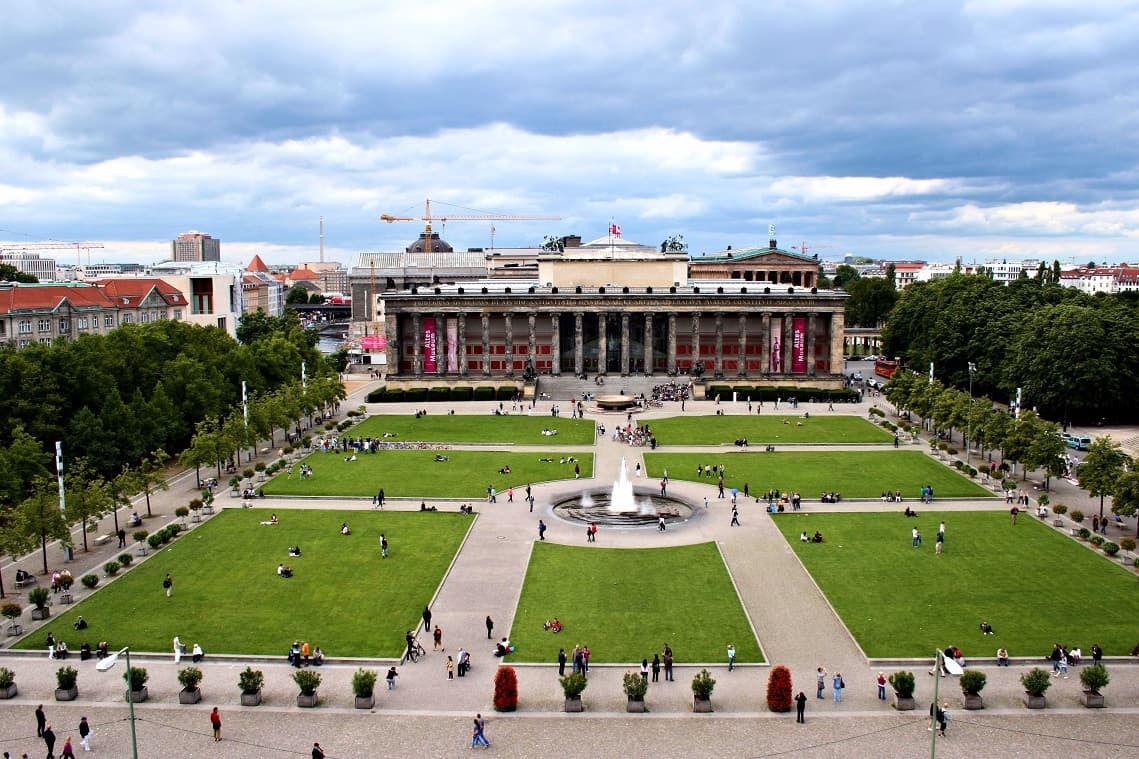 LustgartenThe Lustgarten is a square of grass in the middle of Berlin's Museum Island. Ber3 minutes walk4.5
Museum Island has five, and more than two in a day is guaranteed exhaustion. The strongest pair: the Neues for Nefertiti and Egypt, plus the Altes or the Bode by taste. The main Pergamon is closed for renovation for years — its Panorama runs in a separate building.
A long-standing protection rule enforced without exception — guards stop any attempt instantly. The rest of the museum photographs freely without flash. Treat it as an invitation to look long instead of through a screen.
Egyptology always works with children — coffins, mummies, gold. Ninety minutes on a chosen route is their limit, and the story of 'the most beautiful queen' pulls them to the great room.