
The figurehead row
Life-size painted wooden figures.
Bahnmoeller — CC BY-SA 3.0 · Hinnerk11 — CC BY-SA 4.0 · Hinnerk11 — CC BY-SA 4.0 · Hinnerk11 — CC BY-SA 4.0
The Altonaer Museum is a regional museum covering the culture of northern Germany and the North Sea coast, and its location carries meaning: Altona was not a Hamburg district but an independent rival city under Danish rule until 1864, and was only absorbed into Hamburg in 1938 — the museum having been built in 1901 as an independent city's museum. Its strongest holdings are maritime: detailed ship models, navigation instruments, and an exceptional collection of carved figureheads — life-size painted wooden figures once mounted on the bows of sailing ships, displayed here in a full row that produces an odd sense of a crowd of faces. Other sections cover rural life in Schleswig-Holstein: entire farmhouse rooms moved with their furniture, fishing equipment, traditional dress and folk art. There is also a historic puppet theatre giving performances for children. The museum is quiet and local in character, well off the usual visitor routes.
Life-size painted wooden figures.
Whole interiors moved with their furniture.
Museumstrasse 23, 22765 Hamburg
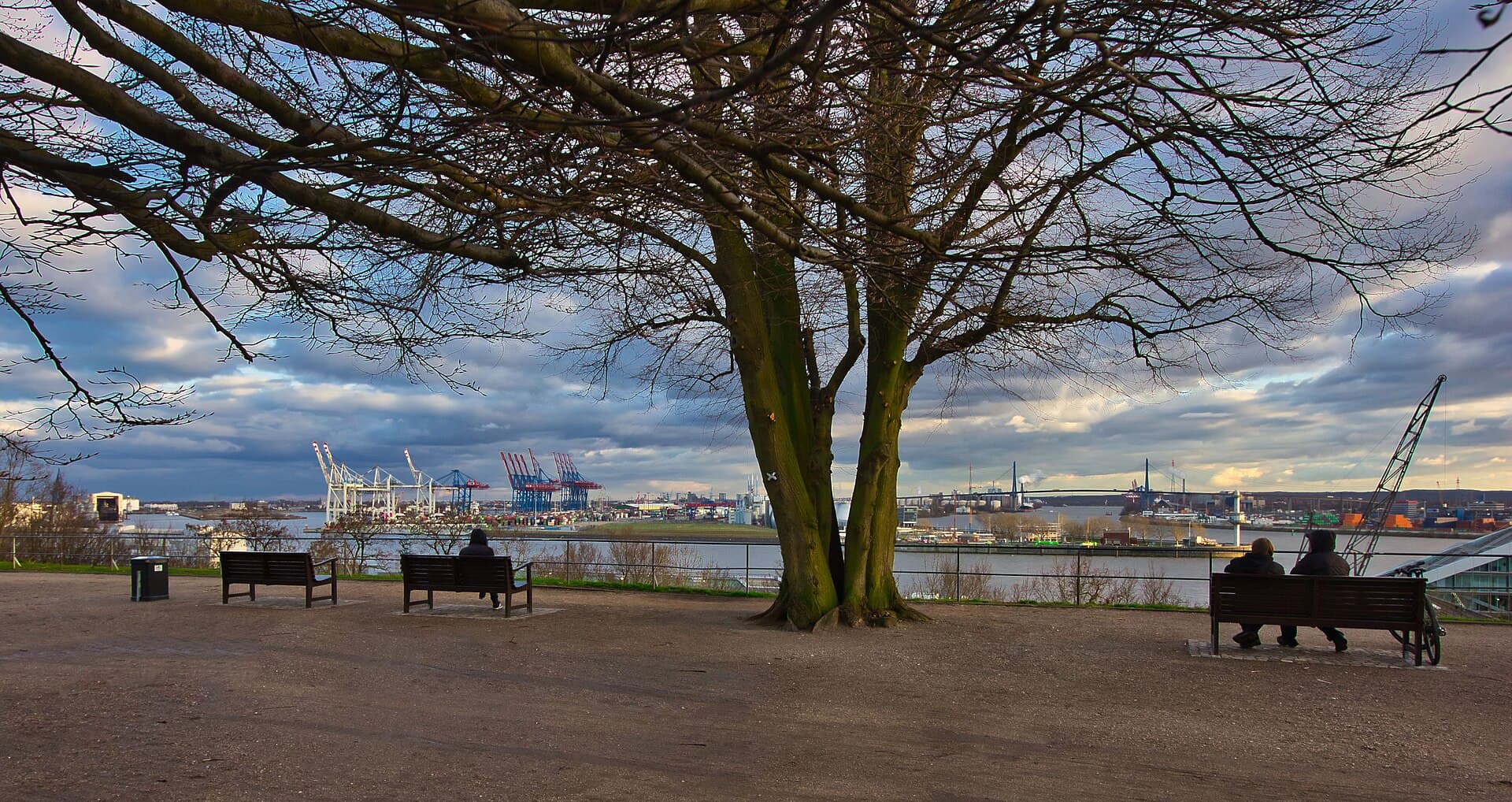 Altonaer BalkonThe Altonaer Balkon is a small park on the edge of a bluff above the Elbe in Alt5 minutes walk4.5
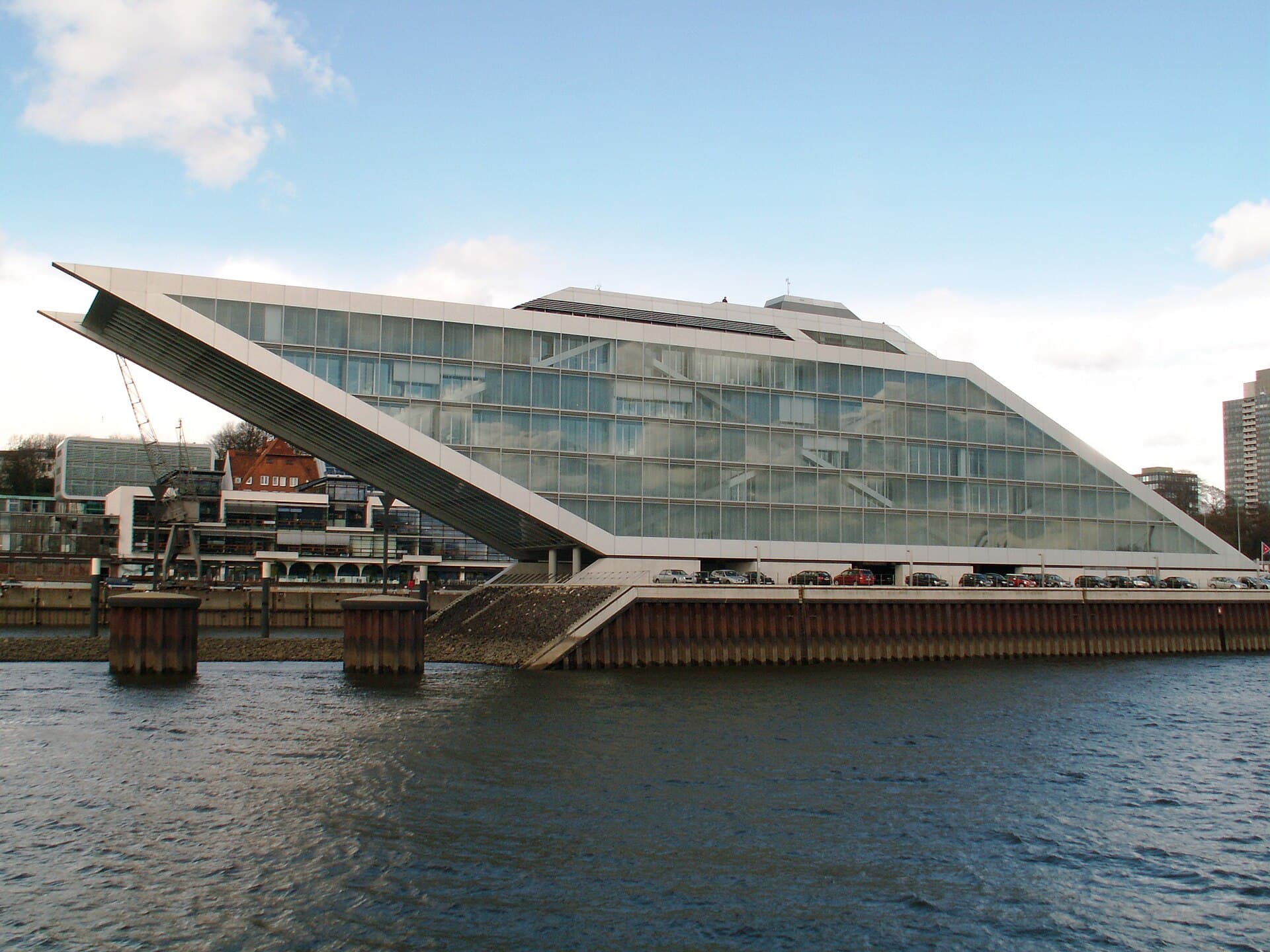 DocklandDockland is an office building on the bank of the Elbe completed in 2005, and it8 minutes walk4.5
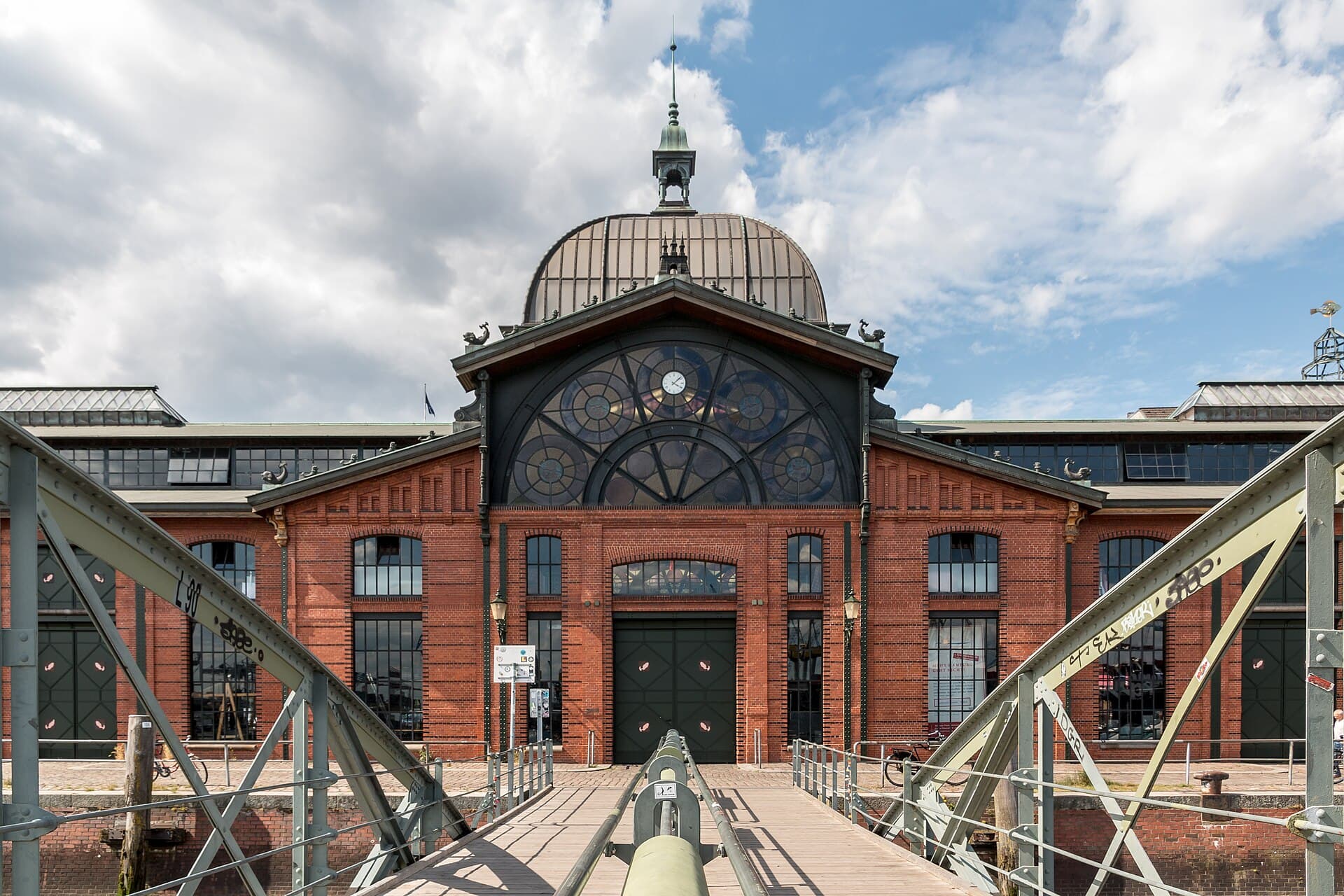 The Fish Auction HallThe Fish Auction Hall is an 1896 steel-framed building with a glazed roof standi15 minutes walk4.5
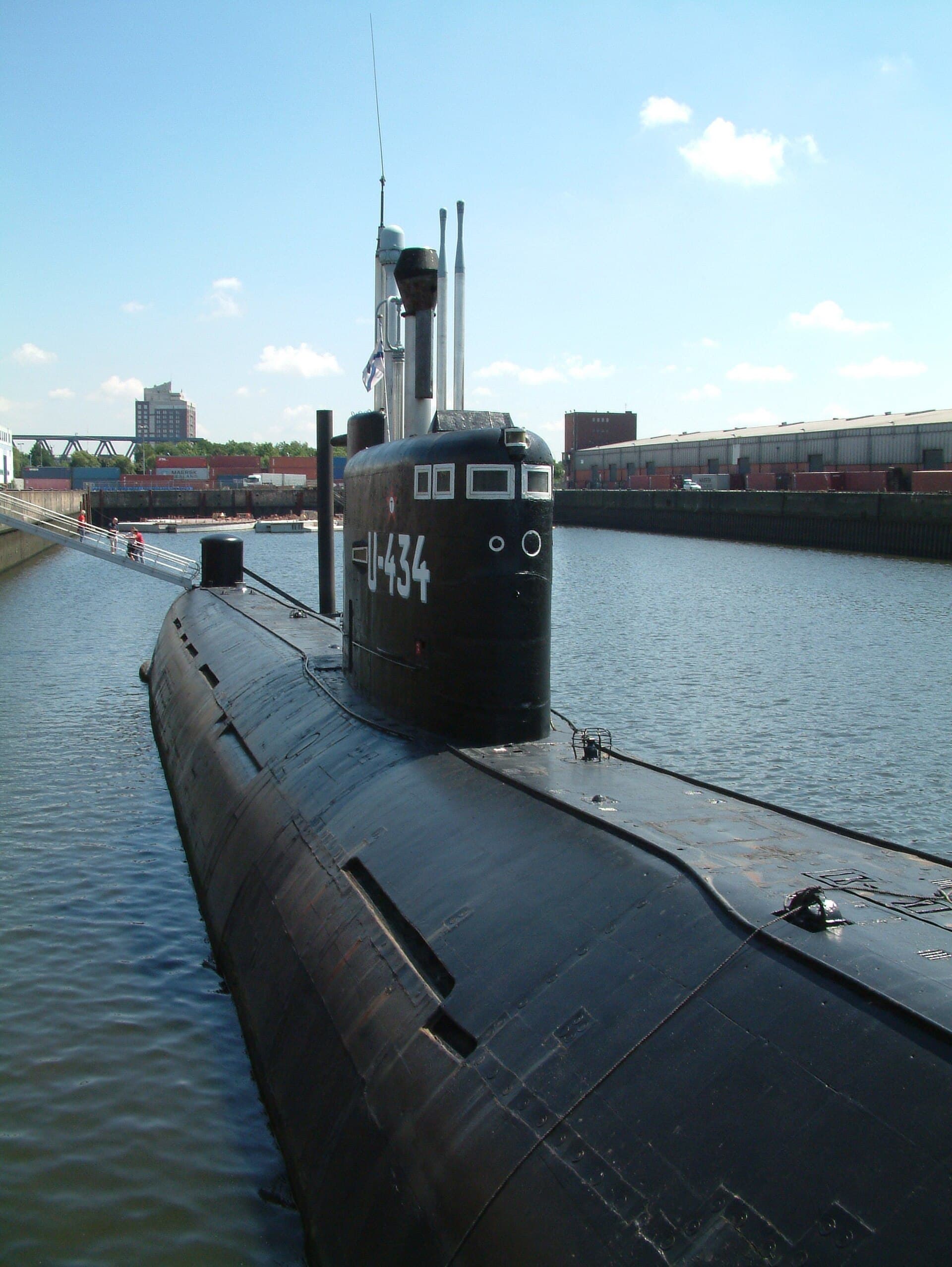 U-434 Submarine MuseumA real ninety-metre submarine moored at the St. Pauli fish market: U-434 is a So18 minutes walk4.6
 Oevelgonne Museum HarbourThe Oevelgonne Museum Harbour is not a museum in the institutional sense but a q19 minutes walk4.7
Because it belonged to the Duchy of Holstein, which the Danish king ruled as duke — making it a border city that competed commercially with Hamburg for centuries and attracted those constrained by its neighbour's laws, being more religiously tolerant. It passed to Prussia after the war of 1864 and only became part of Hamburg in 1938, under a Nazi law that redrew the city's boundaries.