
The elephants
Hall of African Mammals.
Eden, Janine and Jim from New York City — CC BY 2.0 · Jim.henderson — CC0 · Jay Dobkin — CC BY-SA 4.0 · Ryan Schwark — CC0 · bryan... — CC BY-SA 2.0 · Photograph by Mike Peel (www.mikepeel.net). — CC BY-SA 4.0 · bryan... — CC BY-SA 2.0 · Photograph by Mike Peel (www.mikepeel.net). — CC BY-SA 4.0
One of the largest natural history museums in the world, on the Upper West Side across from Central Park. It is made up of 21 interconnected buildings holding 45 permanent exhibition halls, a planetarium and a library, and receives about five million visits a year. Its collections number some 32 million specimens of plants, animals, fossils, minerals, meteorites and cultural objects, of which only a small fraction is on display, and the museum opened in 1871. Its best-known halls include the Hall of African Mammals with its famous herd of elephants in the centre, the dinosaur and fossil halls, the planetarium and lifelike dioramas of animals from every continent in their habitats. It is a big favourite with families and children. General admission for out-of-state adults is about $37, open daily 10:00–17:30, per visitor guides. Book ahead, allow half a day, and pair it with a walk in Central Park across the street.
Hall of African Mammals.
And fossils.
And the stars.
Upper West Side, across from Central Park
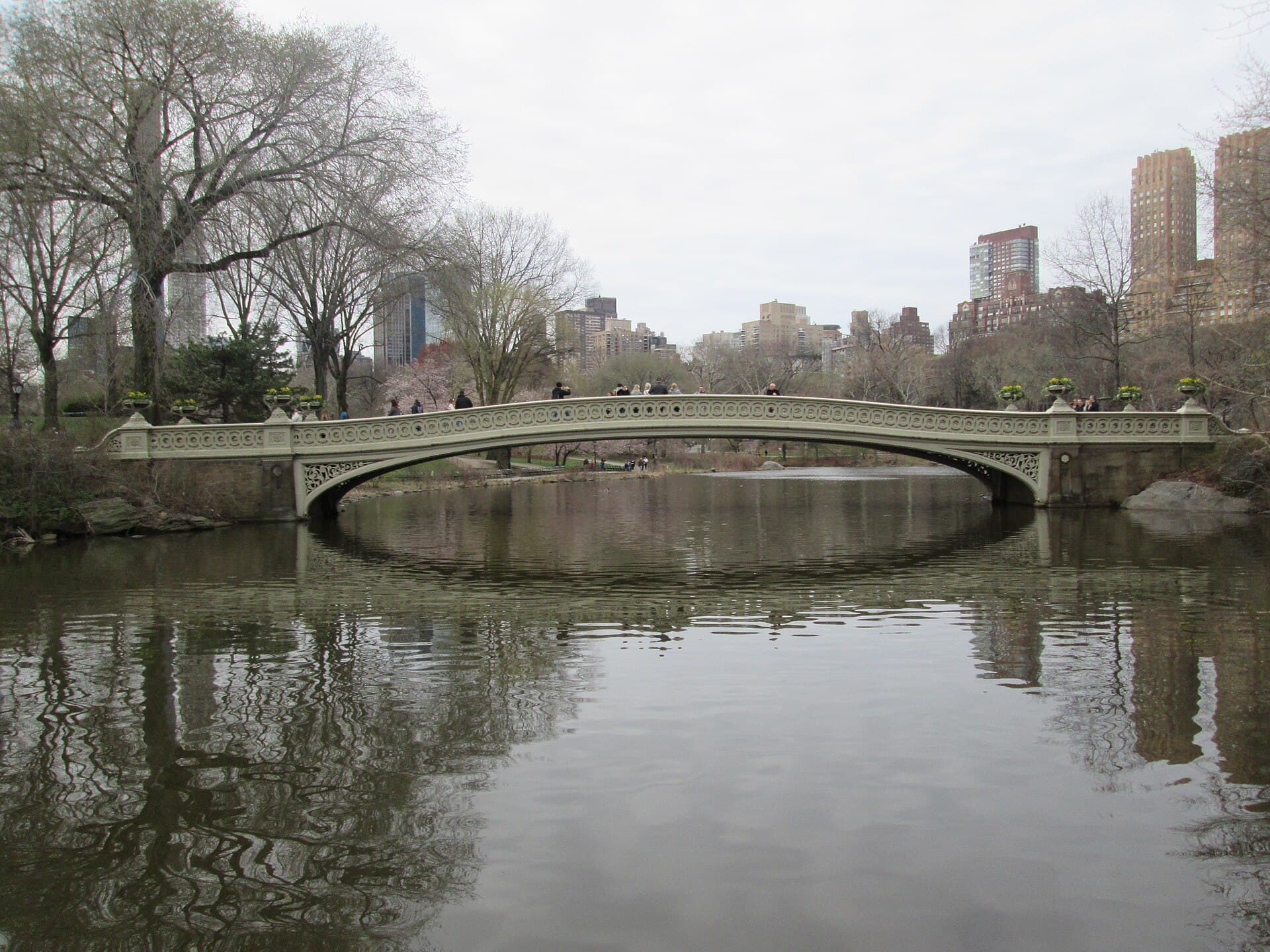 Central ParkThe world's most famous city park, covering 341 hectares in the heart of Manhatt9 minutes walk4.7
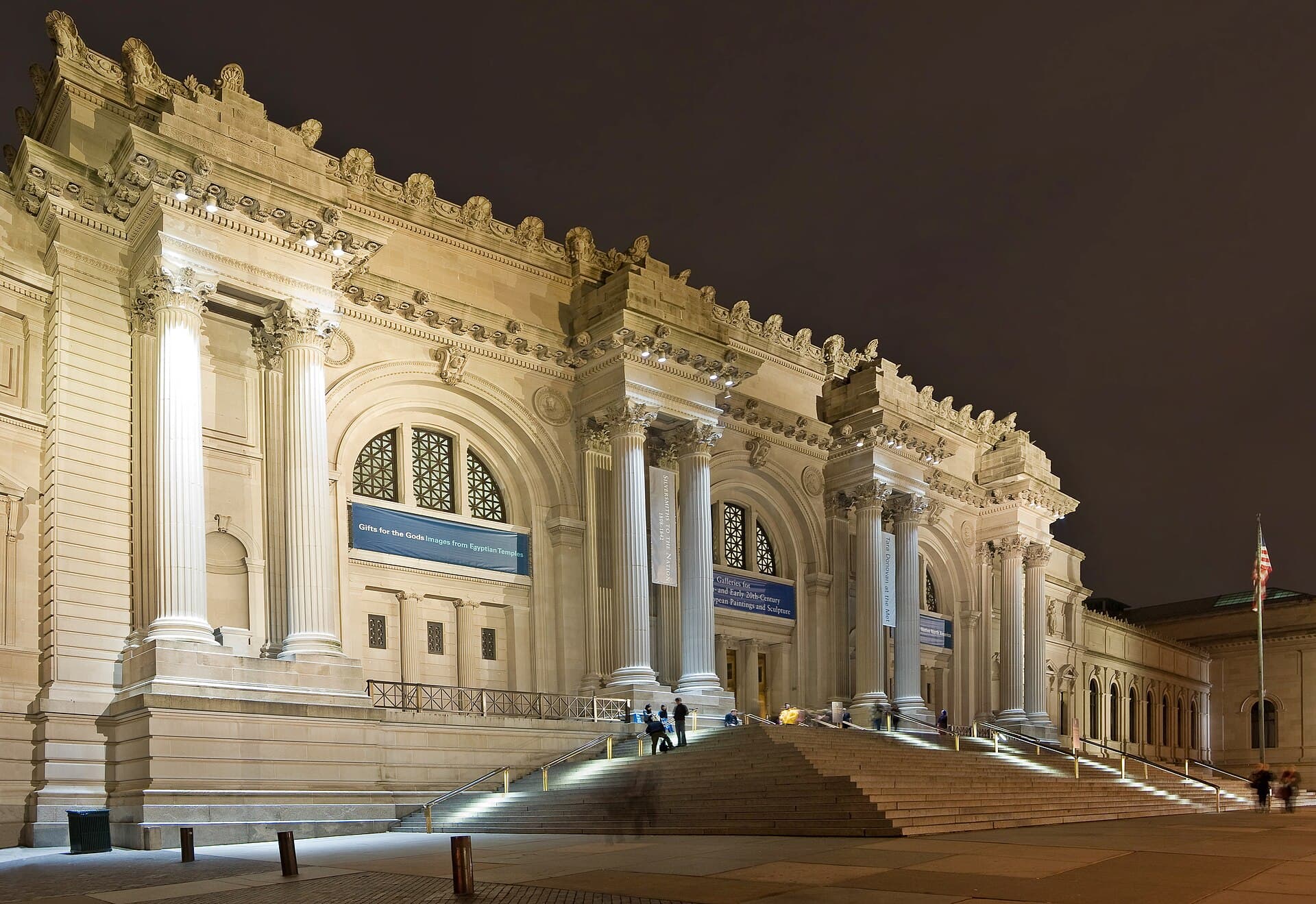 Metropolitan Museum of ArtOne of the world's greatest art museums, the largest in the Americas and the thi12 minutes walk4.7
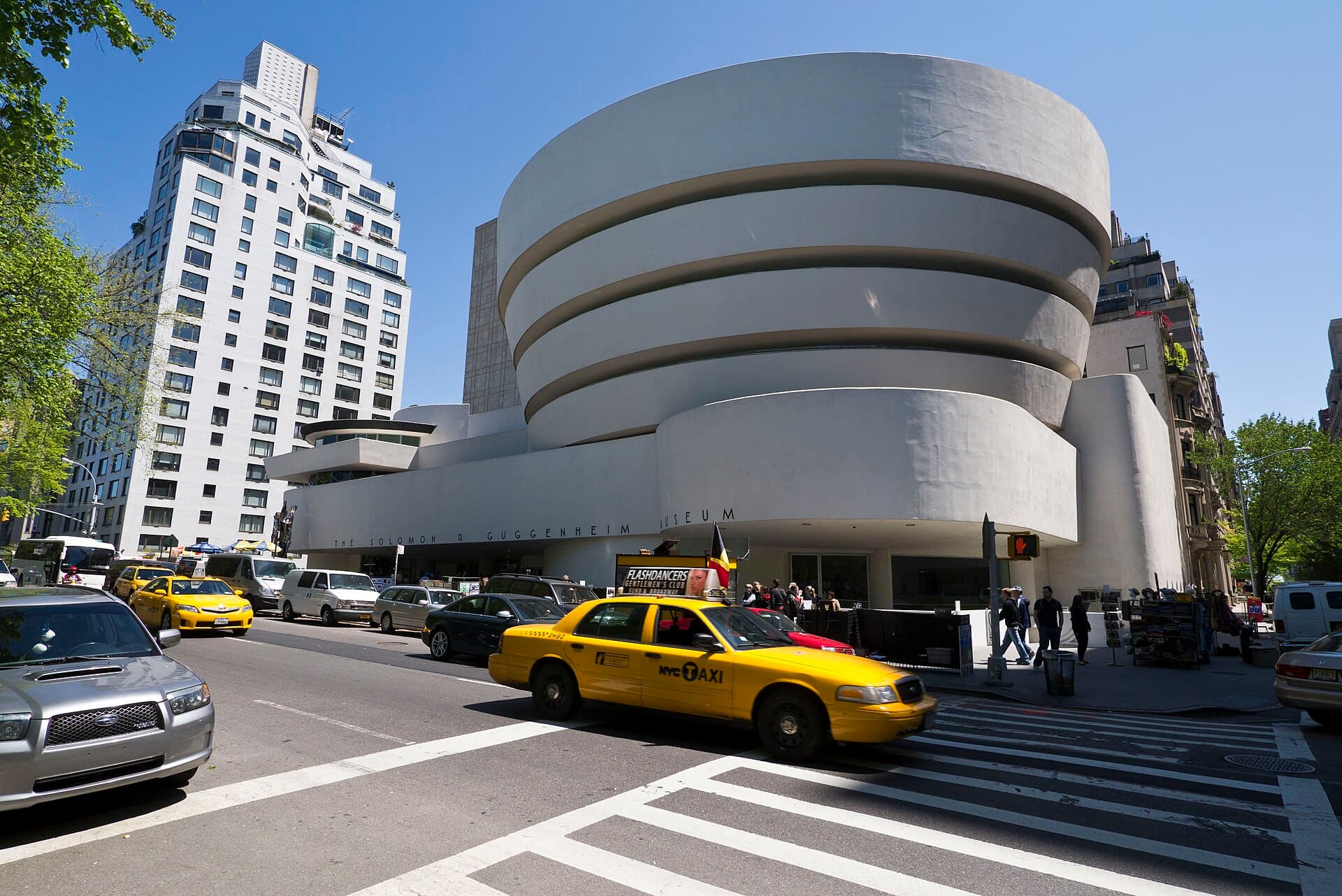 Solomon R. Guggenheim MuseumAn art museum on Fifth Avenue on the Upper East Side whose building is one of th16 minutes walk4.2
Yes, it is one of New York's most popular museums for families, with dinosaur and animal halls and a planetarium.