
The standing columns
Re-erected rows in an open square with no fence.
Asurnipal — CC BY-SA 4.0 · Hihawai — CC BY-SA 2.5 · H. Zell — CC BY-SA 3.0 · Алексей Решетников — CC BY 3.0
**A complete archaeological site in the middle of a modern town, free and always open** — metres from Kos harbour and its castle. Its exposure was not an archaeological decision but the result of a disaster: the **1933 earthquake** destroyed the town of Kos, **and clearing the rubble revealed the ancient city beneath**. The Italians — who governed the Dodecanese at the time — decided **not to rebuild over it** and left it open. What you see: a wide **agora** with standing and re-erected columns, the foundations of a temple of Aphrodite, streets, mosaic floors and Hellenistic walls — **all with no fence separating them from the town**: you walk off a shopping street and find yourself among them. ✅ Palms and trees grow around it, and it is lit at night. ⚠ Explanation is very sparse.
Re-erected rows in an open square with no fence.
Remains of coloured paving among the foundations.
Lit after dark in the middle of a living town.
Kos Town, 85300 Kos, Greece
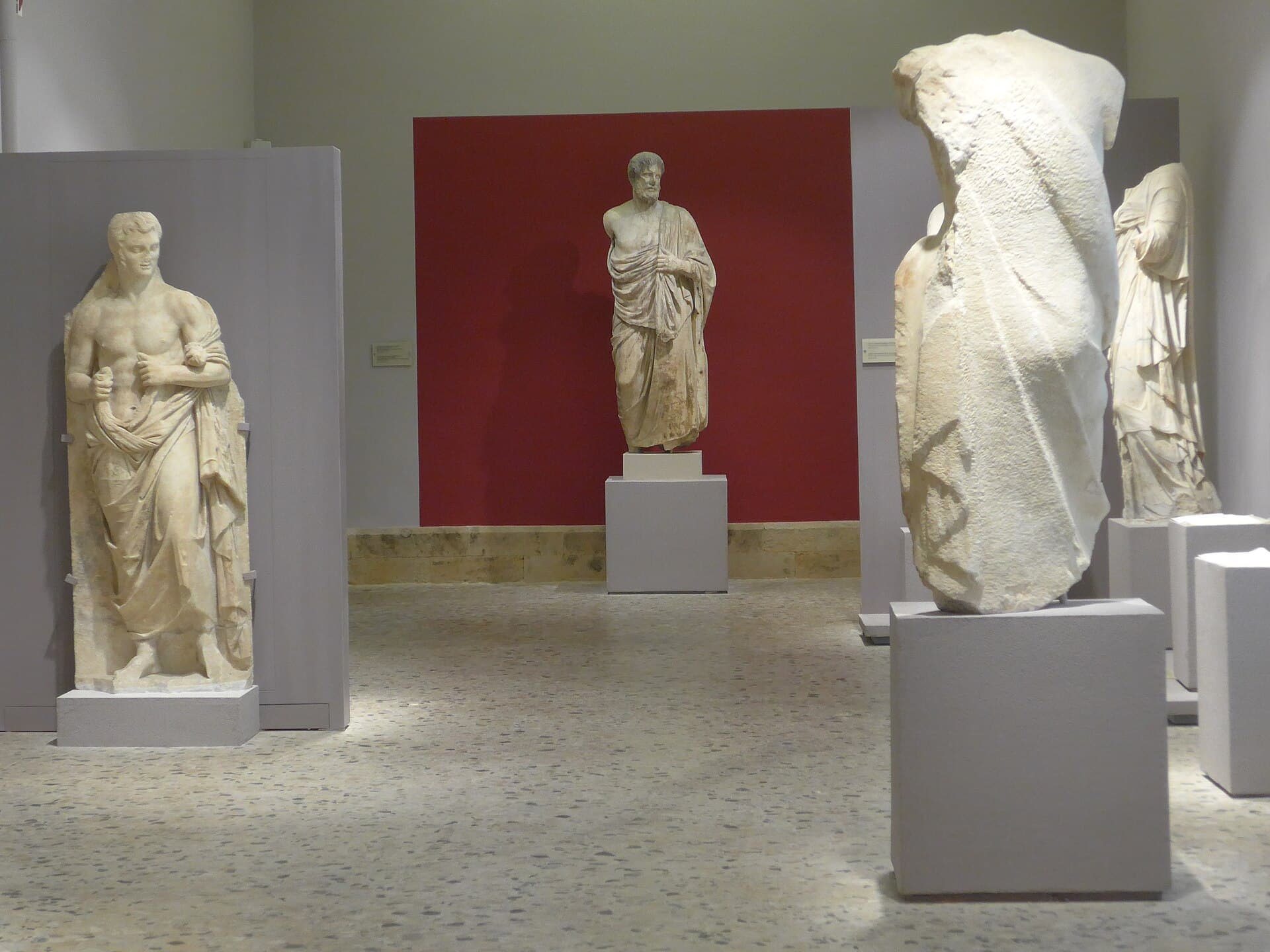 Archaeological Museum of Kos**A museum in an Italian building on Kos's central square** — small and well kep2 minutes walk4.6
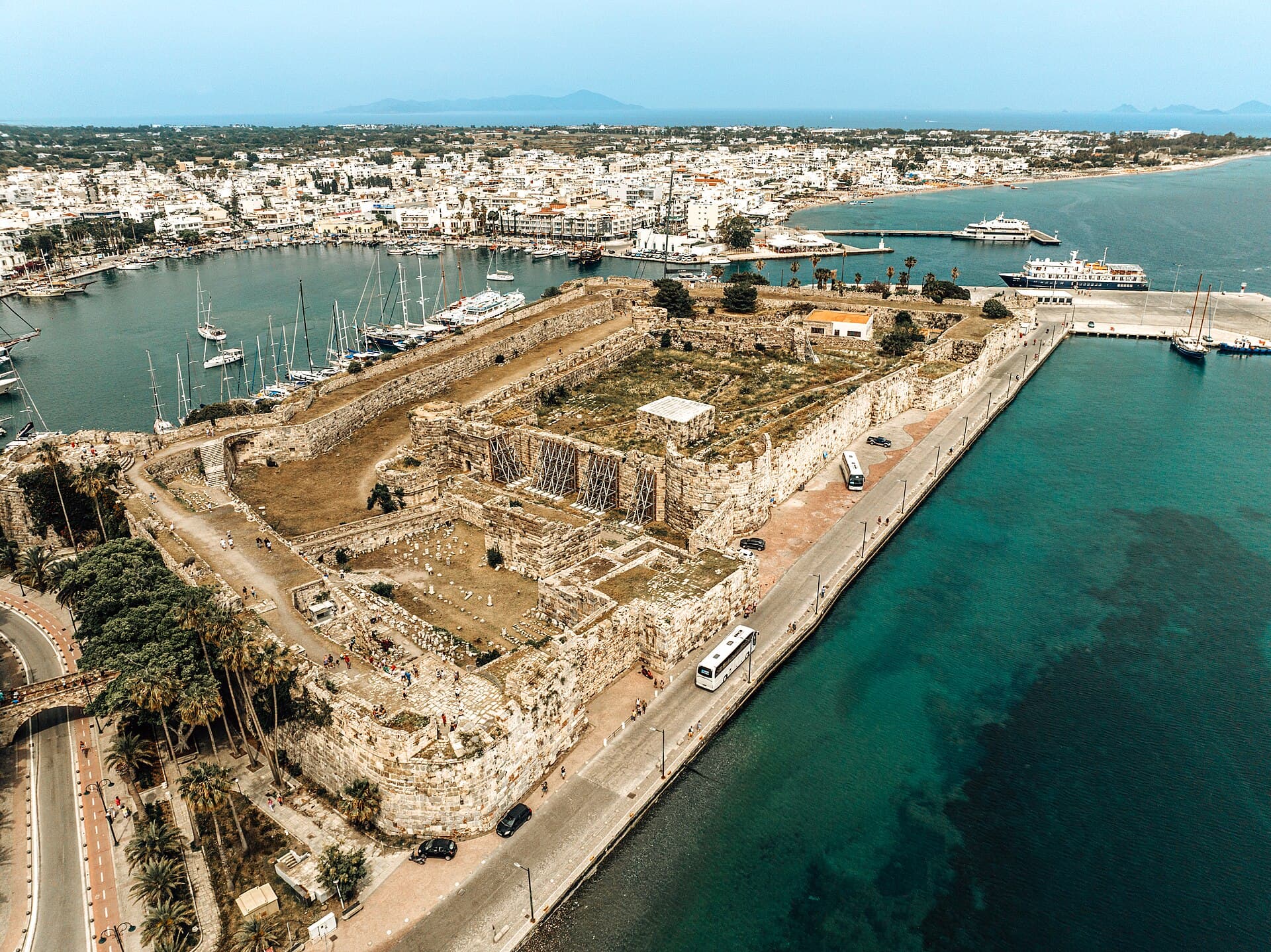 Nerantzia CastleA medieval castle at the harbour entrance of Kos town, built by the Knights of S4 minutes walk4.1
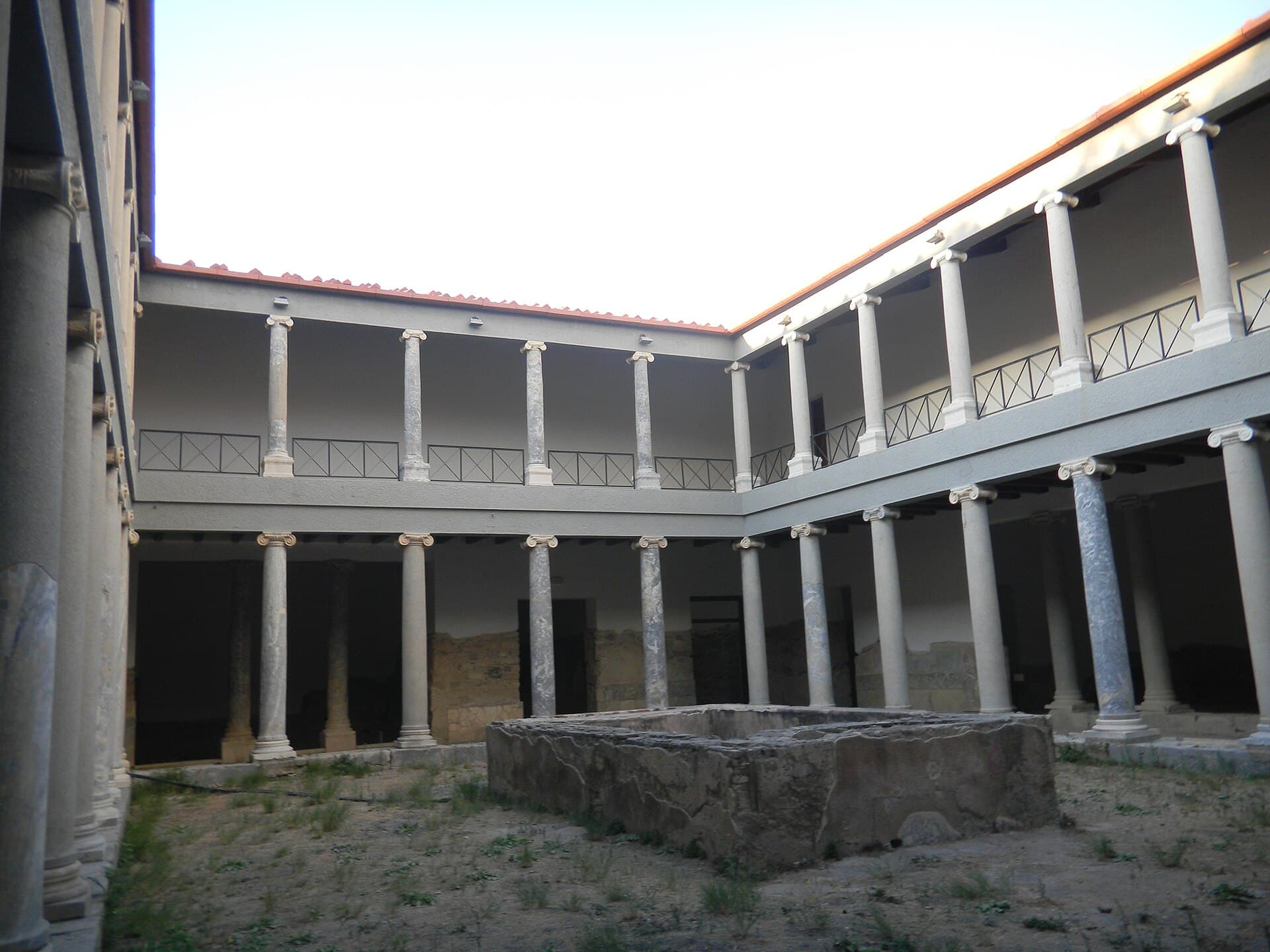 Casa Romana**A grand Roman house rebuilt and roofed, so you walk through it as it was** — m5 minutes walk4.5
**Because an earthquake revealed them and an occupying administration left them — which made Kos an unusual town.** ✅ **What happened**: a **devastating earthquake struck Kos in 1933** and flattened most of the town. **Clearing the rubble uncovered the Hellenistic and Roman city beneath** — an agora, streets, temples and houses with mosaics. ✅ **The decision**: **Italy governed the Dodecanese** at the time (from 1912), **and the Italian administrators decided not to rebuild over the discoveries** — excavating them and leaving them open, and rebuilding the modern town **around them**. ✅ **The result today**: Kos town is **built around its ruins rather than on them** — so you walk down a shopping street and find a complete agora on your right, with no fence and no ticket. **This scarcely exists anywhere else.** ⚠ **The price**: the ruins are **unprotected** and exposed to daily use — so treat them with respect; and much of the ancient city is still **under the modern buildings**.