
One room for a family
A flat refurnished as it was, with a privy in the yard.
Helge Høifødt — CC BY-SA 3.0 · Helge Høifødt — CC BY-SA 3.0 · Helge Høifødt — CC BY-SA 3.0 · Helge Høifødt — CC BY-SA 3.0
A small museum in the Sagene district on the banks of the Akerselva river, showing the life of Oslo's factory workers in the nineteenth and early twentieth centuries. The location is the message: this stretch of river was the heart of industry in Oslo — textile mills, flour mills and sawmills running on water power, with the workers housed around them in cramped, crowded buildings. The museum occupies one of those dwellings. The display is a worker's flat refurnished as it was: a single room for a whole family, a shared kitchen, and a privy in the yard. Beside it are documents on working hours, child labour, disease and the first strikes. This presents a Norway other than the contemporary image of oil wealth: the country was poor, and about eight hundred thousand people emigrated to America between 1825 and 1925 — a share of the population exceeded only by Ireland. Small, cheap, and with limited hours.
A flat refurnished as it was, with a privy in the yard.
Before oil the country was poor and exported emigrants.
They left for America between 1825 and 1925.
Sagene, on the banks of the Akerselva
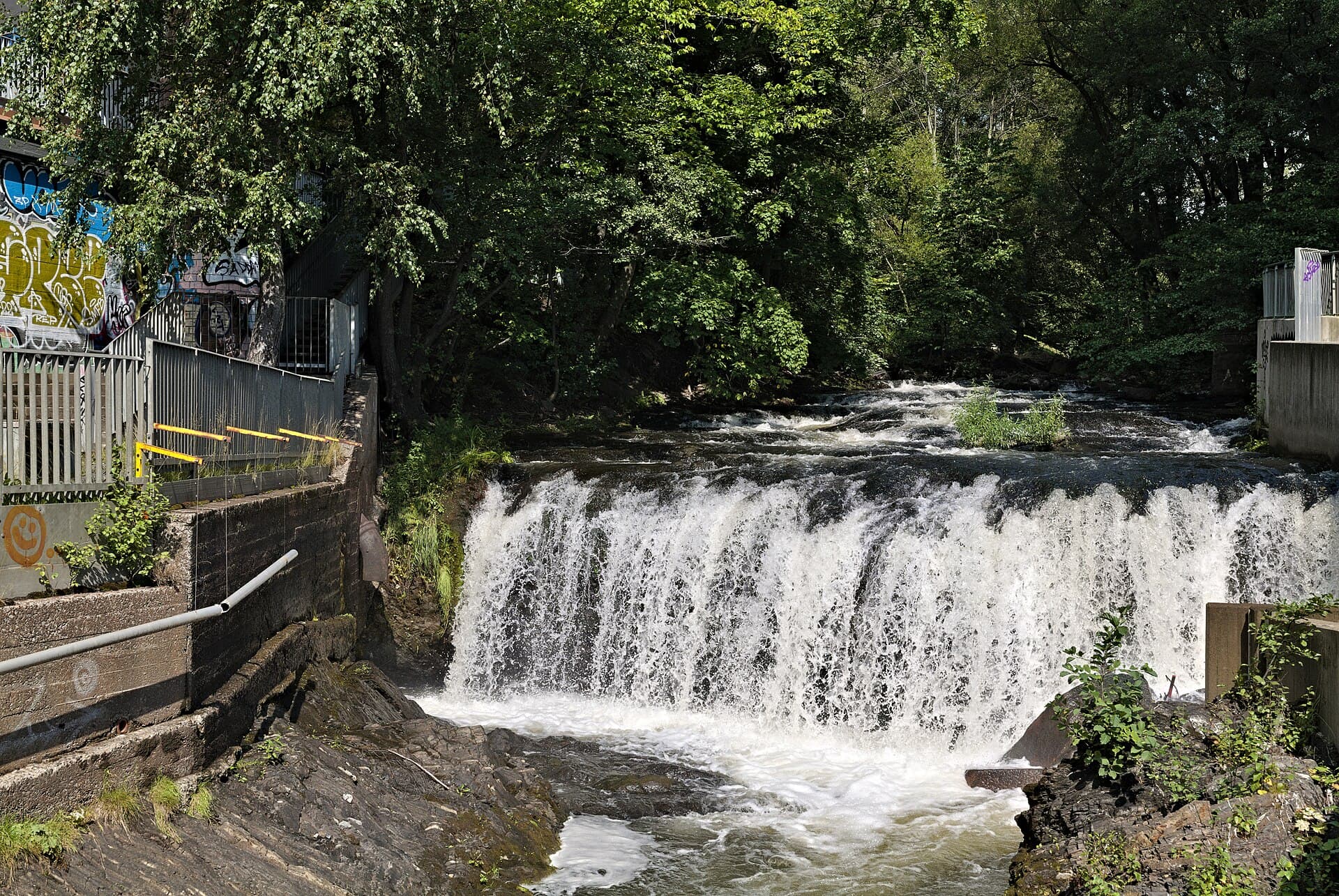 Nedre Foss on the AkerselvaNedre Foss is the lowest and largest of the Akerselva's waterfalls inside the ci11 minutes walk4.3
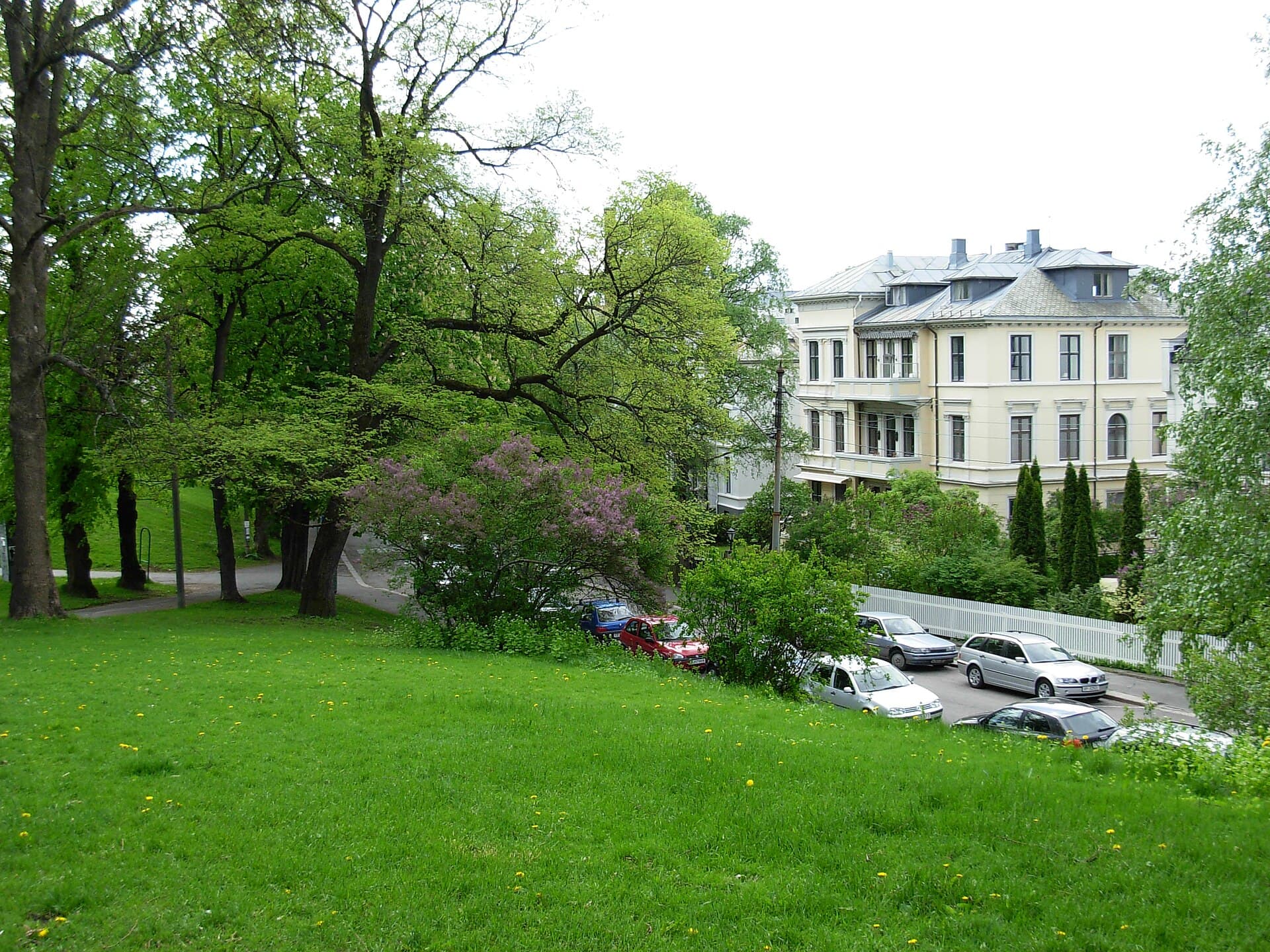 StensparkenA park on a rocky rise in the Fagerborg district north-west of central Oslo, amo18 minutes walk4.4
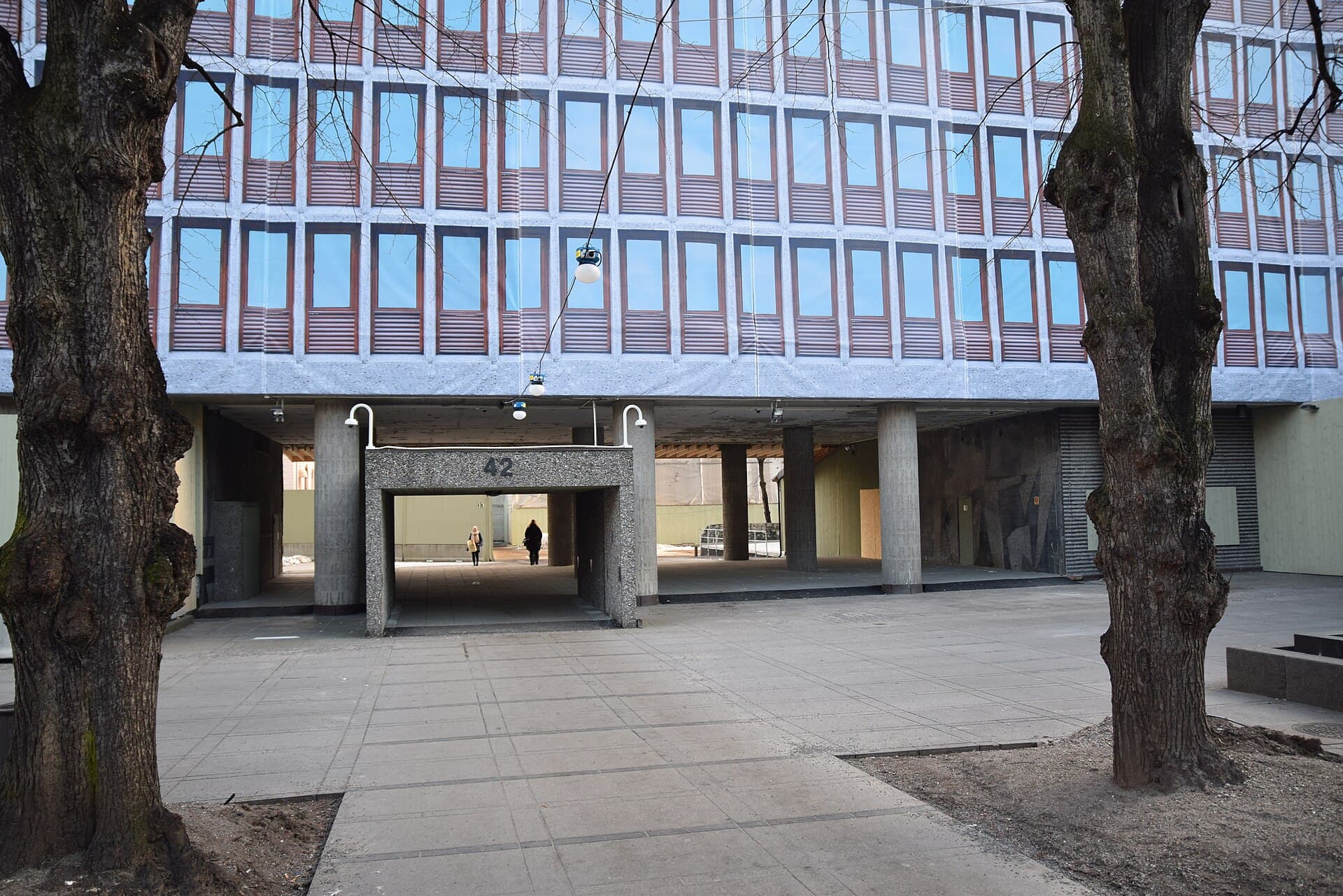 The 22 July CentreThe 22 July Centre documents the worst day in modern Norwegian history: on 22 Ju23 minutes walk4.6
A walking and cycling route following the river about eight kilometres from Lake Maridalsvannet in the north to the fjord in the south, passing all of Oslo's industrial history: red brick factories converted into housing, offices and art spaces, small waterfalls, bridges and murals. Its best-known stops are the Grünerløkka district with its cafés and the Vulkan complex. Walking the whole length takes about three hours.
Because nineteenth-century Norway was among western Europe's poorest countries: little farmland, rapid population growth, and an inheritance system giving the farm to the eldest son and leaving the rest with nothing. Emigration began in 1825 with a single ship and became a wave. Most settled in Minnesota, Wisconsin and North Dakota, and those states still carry a clear Norwegian mark in their place names and churches.