
What remains
Glass, doors and a car preserved as found.
Helge Høifødt — CC BY-SA 4.0 · Jonas Tisell — CC BY 4.0 · Mtaylor848 — CC BY-SA 4.0 · Aethonatic — CC0
The 22 July Centre documents the worst day in modern Norwegian history: on 22 July 2011 a right-wing extremist detonated a car bomb in the government quarter of Oslo, killing eight people, then travelled to the island of Utøya where a political youth camp was being held and shot sixty-nine more, most of them teenagers. The centre stands inside the damaged government building itself, and that is deliberate. The exhibition shows what remains: shattered glass, an office door torn from its frame, a car, photographs of the moment — and then it turns to the people: names, stories, survivors' testimony and the words of families. The hardest and most important part is that the centre does not stop at the event but addresses what produced it: how the perpetrator's ideology formed online, what anti-Muslim and conspiracist thinking he built his act on, and how Norway handled his trial without suspending its own laws. Entry is free and the content is very heavy.
Glass, doors and a car preserved as found.
It does not stop at the event but at what produced it.
Government quarter, 0032 Oslo
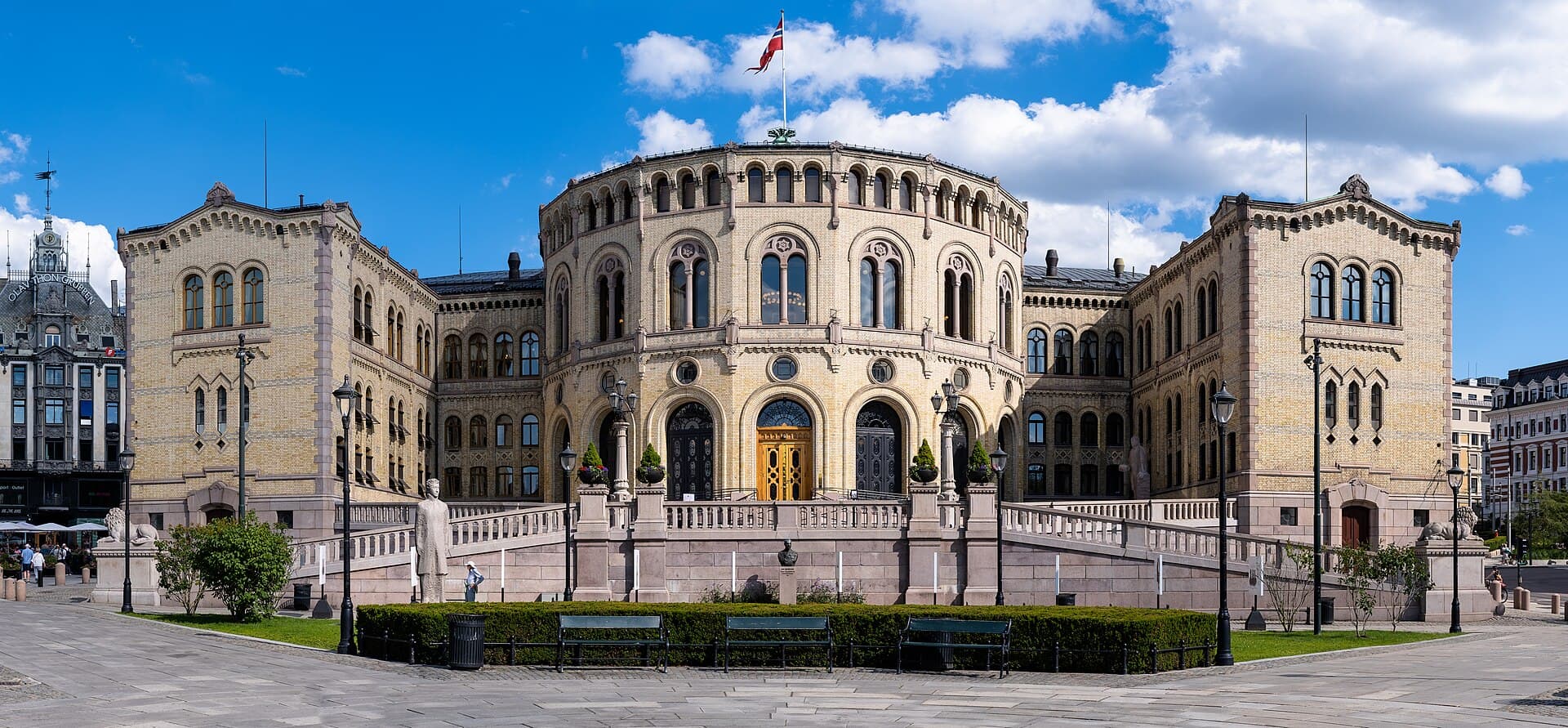 The Storting BuildingThe Storting is the seat of the Norwegian parliament, standing at one end of Kar5 minutes walk4.3
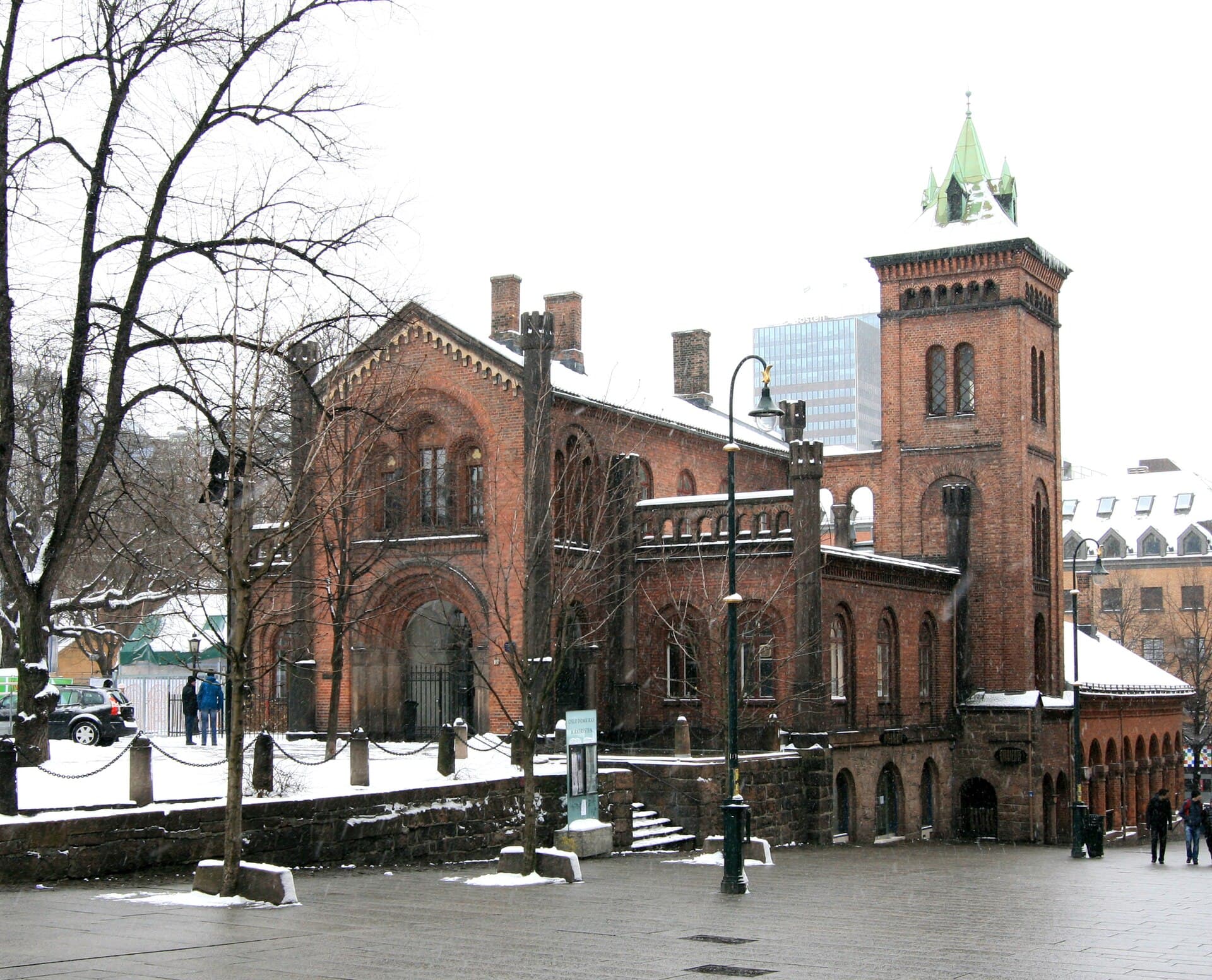 The Old Fire StationA late nineteenth-century fire station building in the Gamlebyen district east o5 minutes walk4.6
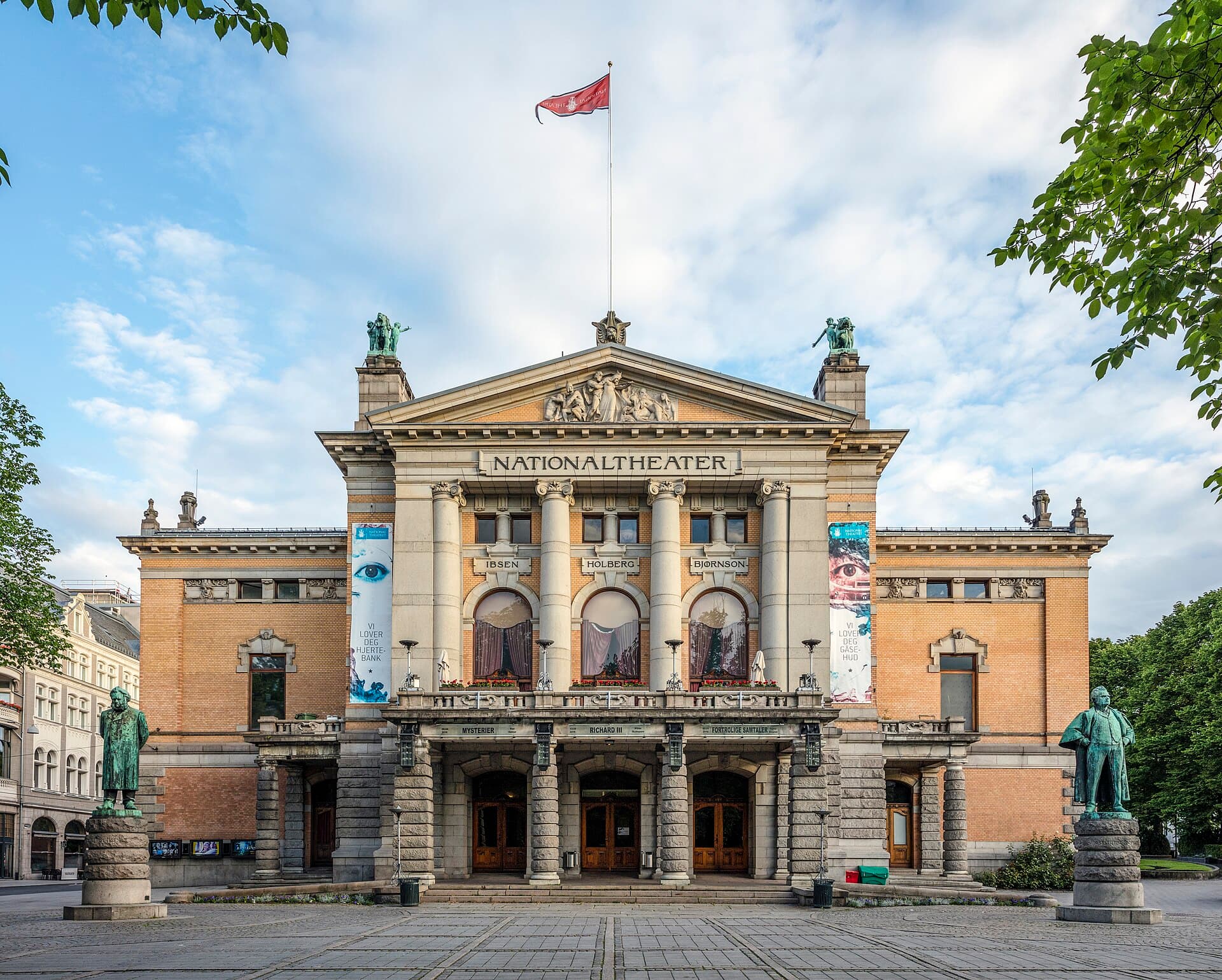 The National TheatreOslo's National Theatre opened in 1899, and its position halfway along Karl Joha7 minutes walk4.7
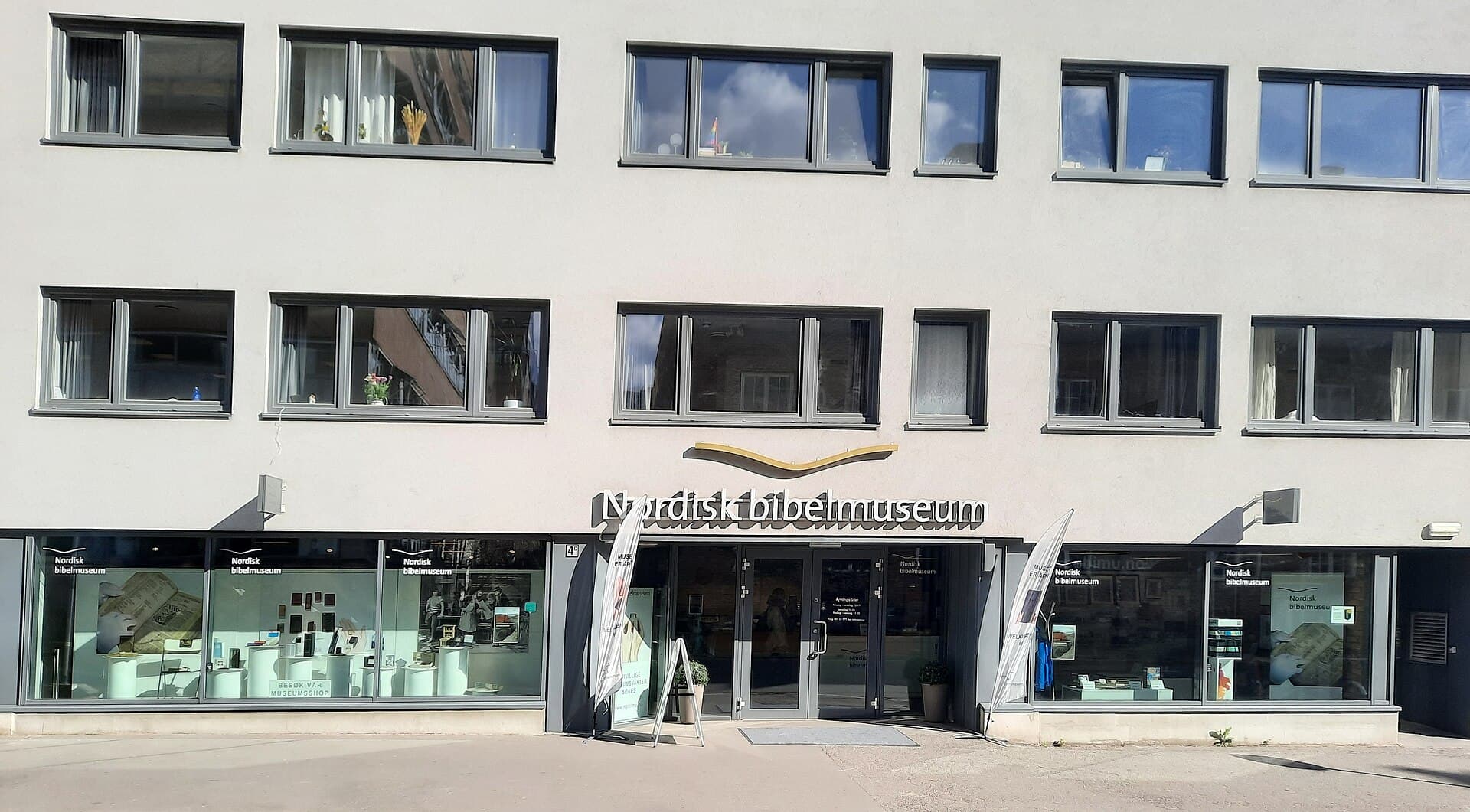 The Nordic Bible MuseumA small museum in central Oslo, opened in 2019, whose collection treats the Bibl8 minutes walk4.9
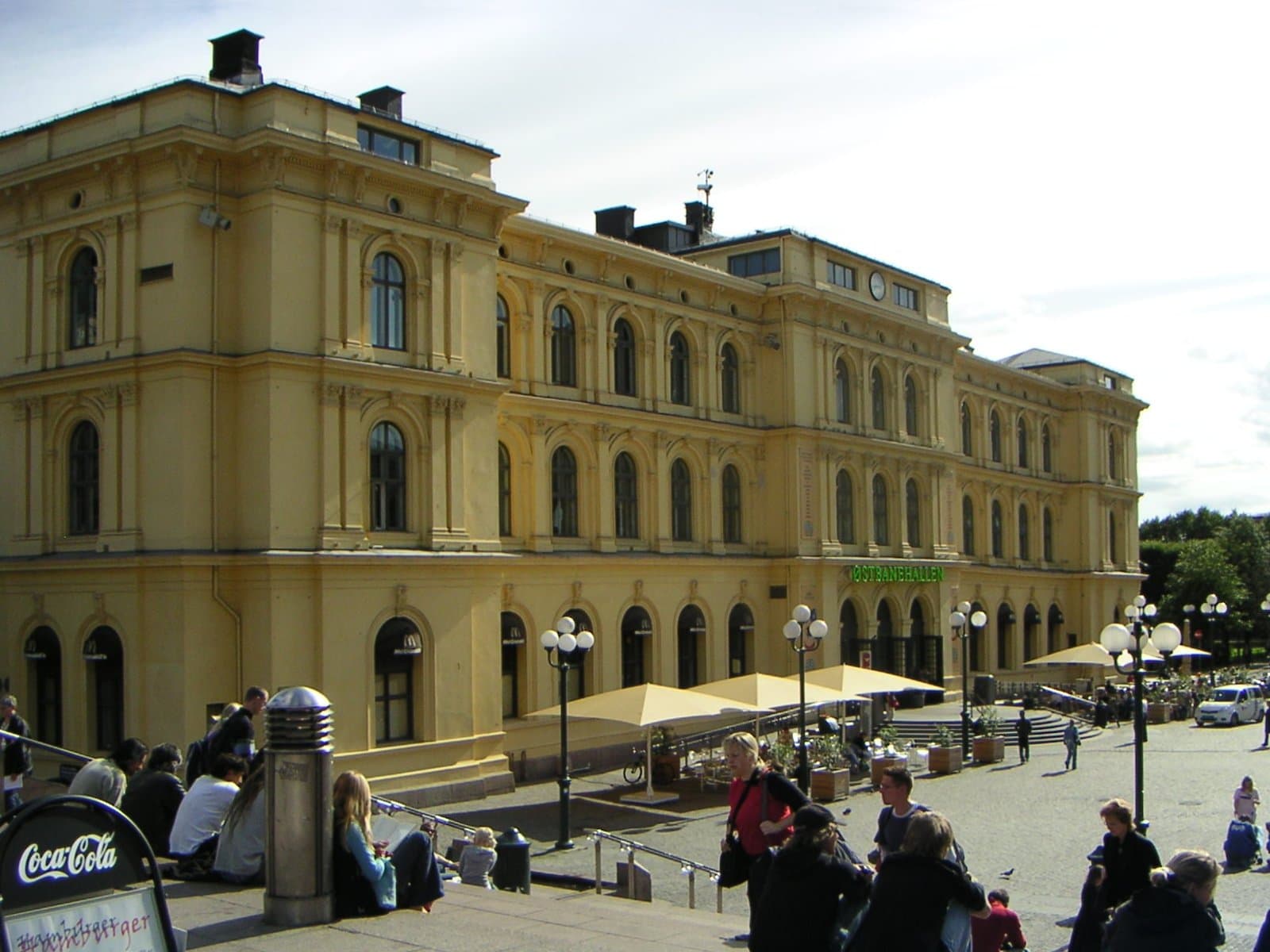 ØstbanehallenØstbanehallen is the original building of Oslo's East Station, opened in 1854 fo8 minutes walk4.0
In a way now widely studied. The government refused to suspend liberties or tighten emergency law, and Prime Minister Jens Stoltenberg said the answer would be more democracy and more openness. The perpetrator was tried in an ordinary court with full protections and given Norway's maximum sentence — twenty-one years, extendable — with no death penalty in Norway. That choice itself caused domestic argument, and the centre presents the argument rather than only the answer.