
The Greco-Persian stele
An Achaemenid-era grave stele from the Bursa plain said to be one of only three in the world, the other two in Istanbul, and the museum's real prize.
Canercangul — CC BY-SA 4.0 · Dosseman — CC BY-SA 4.0 · Dosseman — CC BY-SA 4.0 · Dosseman — CC BY-SA 4.0
Turkey's third-oldest museum is not in Istanbul or Ankara but in a quiet corner of Bursa's Kültürpark. Founded in 1904 as a branch of the Istanbul Archaeological Museums, it drifted from the Bursa Boys' High School to the Green Madrasa before settling in 1972 into its current home, a low 1970s concrete box whose exterior will not stop you in your tracks. The thing to know first: as of September 2026 the Ministry of Culture's own page lists it as temporarily closed to visitors, so do not build a detour around it without phoning ahead or asking at the Kültürpark gate. When it is open, it shows roughly two thousand pieces out of a collection of around twenty-five thousand, laid out chronologically through four or five halls and drawn from Bursa's two ancient neighbours, Bithynia and Mysia. It begins with the Paşalar elephant, a Middle Miocene fossil some fifteen million years old, moves through Chalcolithic pottery from the Aktopraklık mound, and then reaches the piece the museum is genuinely proud of: a Greco-Persian grave stele from the Bursa plain, dating to the Achaemenid period and said to be one of only three in the world, the other two being in Istanbul. After that come the remains of a sixth-century BC chariot from the Üçpınar tumulus, Roman bronze busts of Apollo and Athena found at Miletopolis near Mustafakemalpaşa, a Hellenistic gold diadem from Gemlik, and finally Byzantine silver and a long run of coins. The back garden is crowded with stelae and carved stones, though that outdoor section has stayed shut on the most recent occasions the halls themselves were open. It is small and hushed, an hour is plenty, and pushchairs manage easily since nearly everything is on one level. It does not deserve a day of its own, but it is a good stop inside a Kültürpark stroll, minutes from the Kültürpark metro station, and from here you can walk along Çekirge Caddesi to the Atatürk Museum and on to the Çekirge thermal baths. Entry is free, hours are 08:00 to 17:00 with the gate shutting at 16:30, and older listings gave Monday as its closing day, though the ministry page currently shows none.
An Achaemenid-era grave stele from the Bursa plain said to be one of only three in the world, the other two in Istanbul, and the museum's real prize.
A Miocene fossil elephant some fifteen million years old opens the chronological walk, and children like it more than any pot.
Sixth-century BC chariot remains beside Roman bronzes of Apollo and Athena from Miletopolis and a gold diadem from Gemlik.
Çekirge Cad. 4/11, inside Kültürpark, Osmangazi
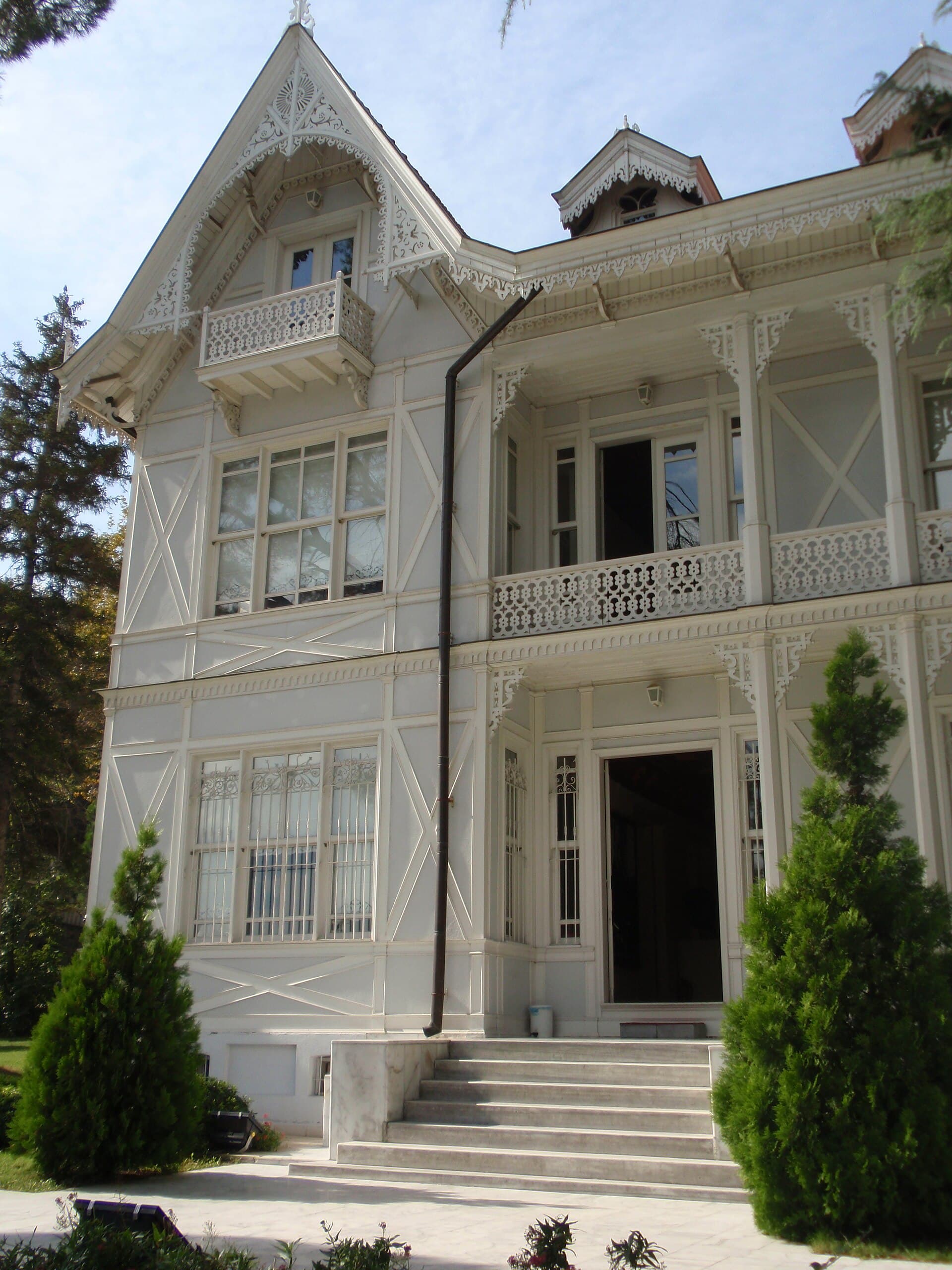 Bursa Atatürk MuseumThis house was given to Atatürk as a present, and he gave it back by letter. On 2 min walk
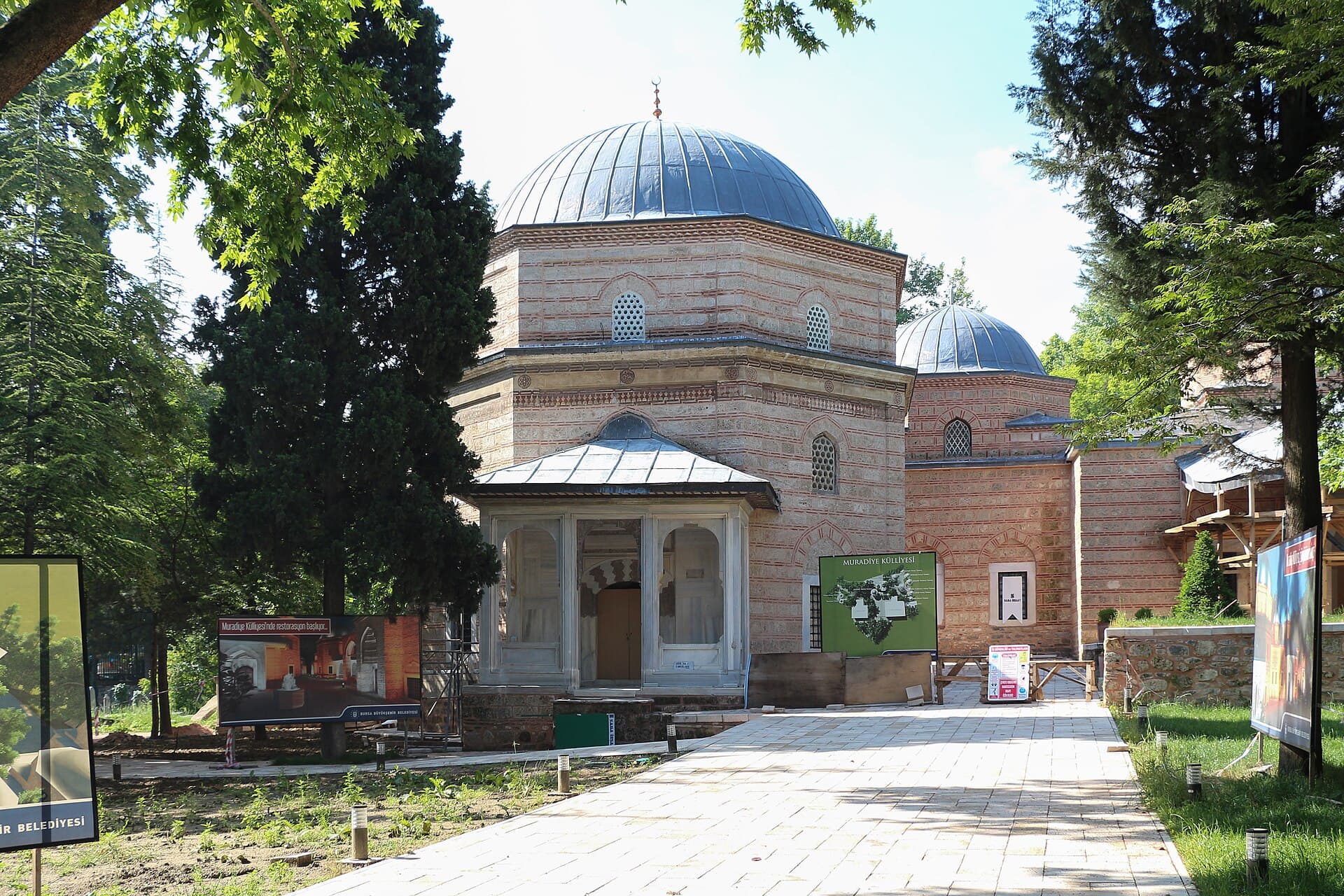 Muradiye ComplexThere is a hole in the dome over Sultan Murad II so that Bursa's rain falls dire9 min walk
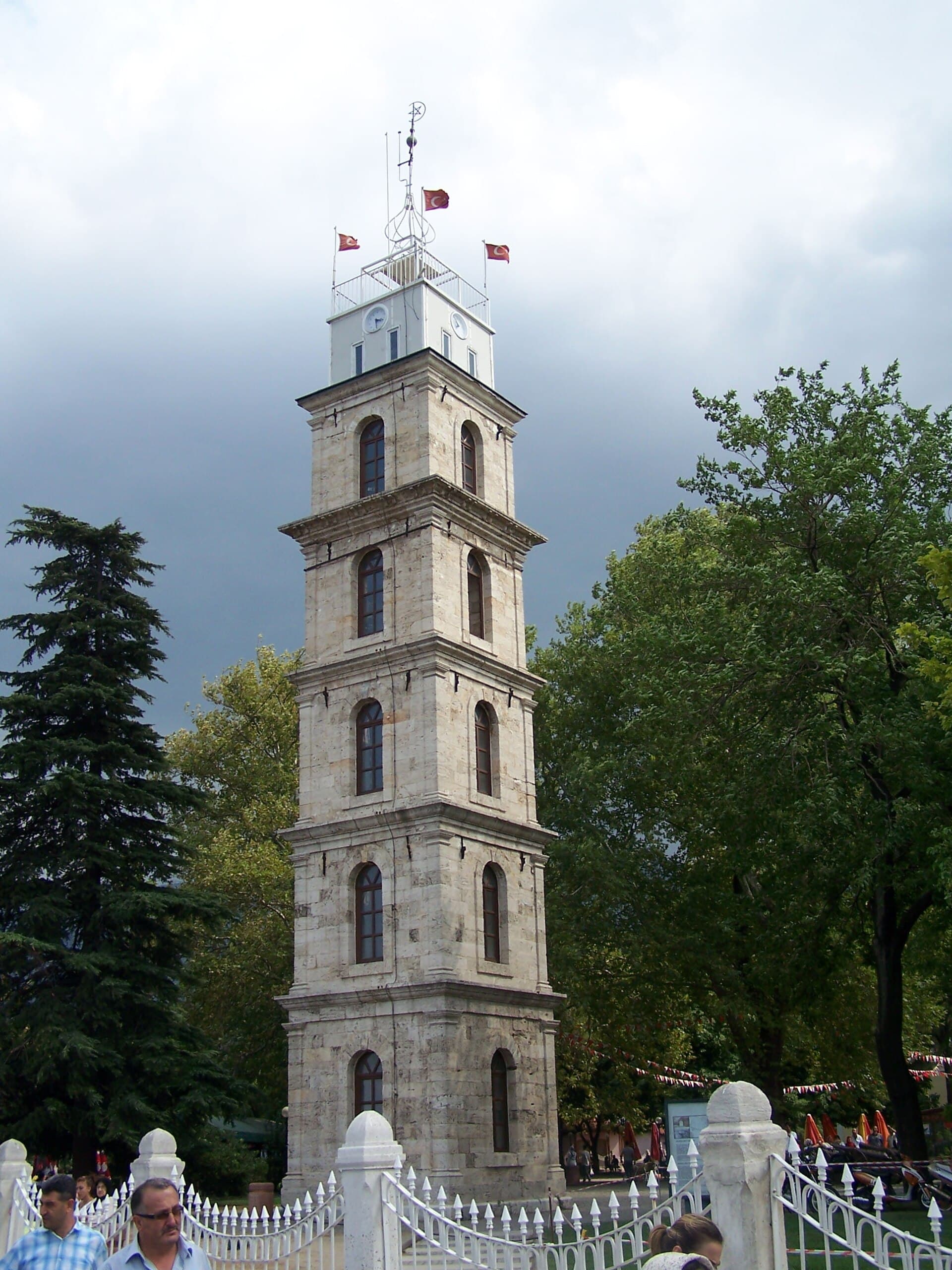 Tophane Clock Tower and the Tombs of Osman and Orhan GaziOn this hilltop lies the man the whole Ottoman state is named after, and the son21 min walk
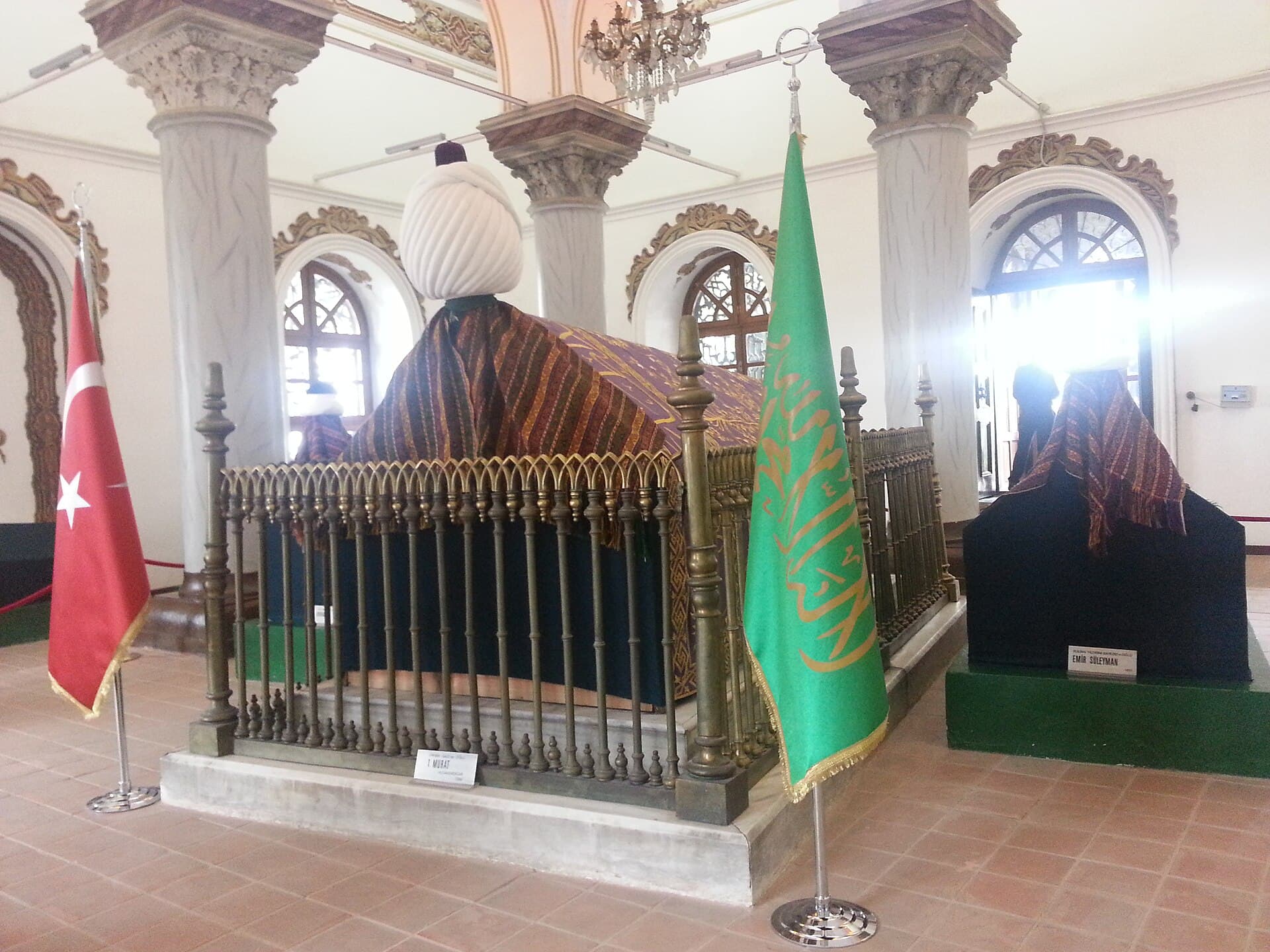 Hüdavendigar Mosque and Tomb of Murad INowhere else in Ottoman architecture did anyone build a religious college on top23 min walk
If it is open, make it a stop of half an hour to an hour inside the park walk rather than a destination: the fossil elephant and the chariot hold small children, but the rest is pottery and coins that a family tires of fast. Check it has reopened first, as it is listed as temporarily closed.
Sign in to write your review of this place.
No reviews yet — be the first.