
Tomb of Murad II
An open dome lets rain fall on an earth grave, at the request of a sultan who refused ornament.
Bernard Gagnon — CC BY-SA 3.0 · Bernard Gagnon — CC BY-SA 3.0 · Dosseman — CC BY-SA 4.0 · Dosseman — CC BY-SA 4.0
There is a hole in the dome over Sultan Murad II so that Bursa's rain falls directly onto his earth grave. He asked for it: no marble, no roof between him and the sky. The sultan whose son took Constantinople chose to be buried in a city that had already stopped being the capital, and over the next century and more a garden of tombs grew up around him, twelve inside the walls and one outside, holding the mothers of sultans, their wives, and princes who never reached the throne. Murad built the complex itself in 1425-1426 with a mosque, a madrasa, a soup kitchen and a hammam; it was the last great imperial foundation Bursa ever received. The tombs, not the mosque, are the visit. Three matter most. Murad II's own, with an ornate porch giving onto an interior so plain it startles. The tomb of Şehzade Mustafa, Suleiman the Magnificent's son, executed on his father's orders in 1553 and buried here with his mother Mahidevran, its walls lined with polychrome Iznik tiles from the craft's finest decades. And the tomb of Cem Sultan, the brother who lost the succession to Bayezid II, spent his last years a hostage in Europe and came home to Bursa only as a body, years after his death, in a chamber tiled in turquoise and blue below and painted up to the dome above. Any one of those stories lifts the place well above a pretty garden of cypresses. Practically: the garden and tombs are free. Custodians unlock the doors during daylight, roughly 08:30 to 17:30, and you may find one or two shut; ask politely and a key usually appears. Shoes come off at some of the thresholds. The madrasa next door is now a small, free Quran and Manuscripts Museum worth twenty minutes, and the mosque, with its tiled porch, opens at prayer times. The whole complex came out of a full restoration in 2015, a year after it was inscribed as part of the UNESCO site Bursa and Cumalıkızık. The neighbourhood sits about two kilometres west of the centre: the Muradiye minibus or a short taxi gets you there in minutes, or it is a fifteen-minute walk from Tophane Park. The Ottoman houses across the street, some from the seventeenth century, are part of the pleasure. The garden is level, shaded and pushchair-friendly; the tombs each have a step or two. In August heat this is one of the rare shady, quiet corners of Bursa; in winter make it a short midday visit.
An open dome lets rain fall on an earth grave, at the request of a sultan who refused ornament.
Sixteenth-century polychrome Iznik tiles surround Suleiman's son, executed on his father's orders.
Turquoise tiles below and painted decoration up to the dome for a prince held hostage in Europe who returned to Bursa only as a body.
Muradiye, Prof. Dr. Halil İnalcık Street, Osmangazi
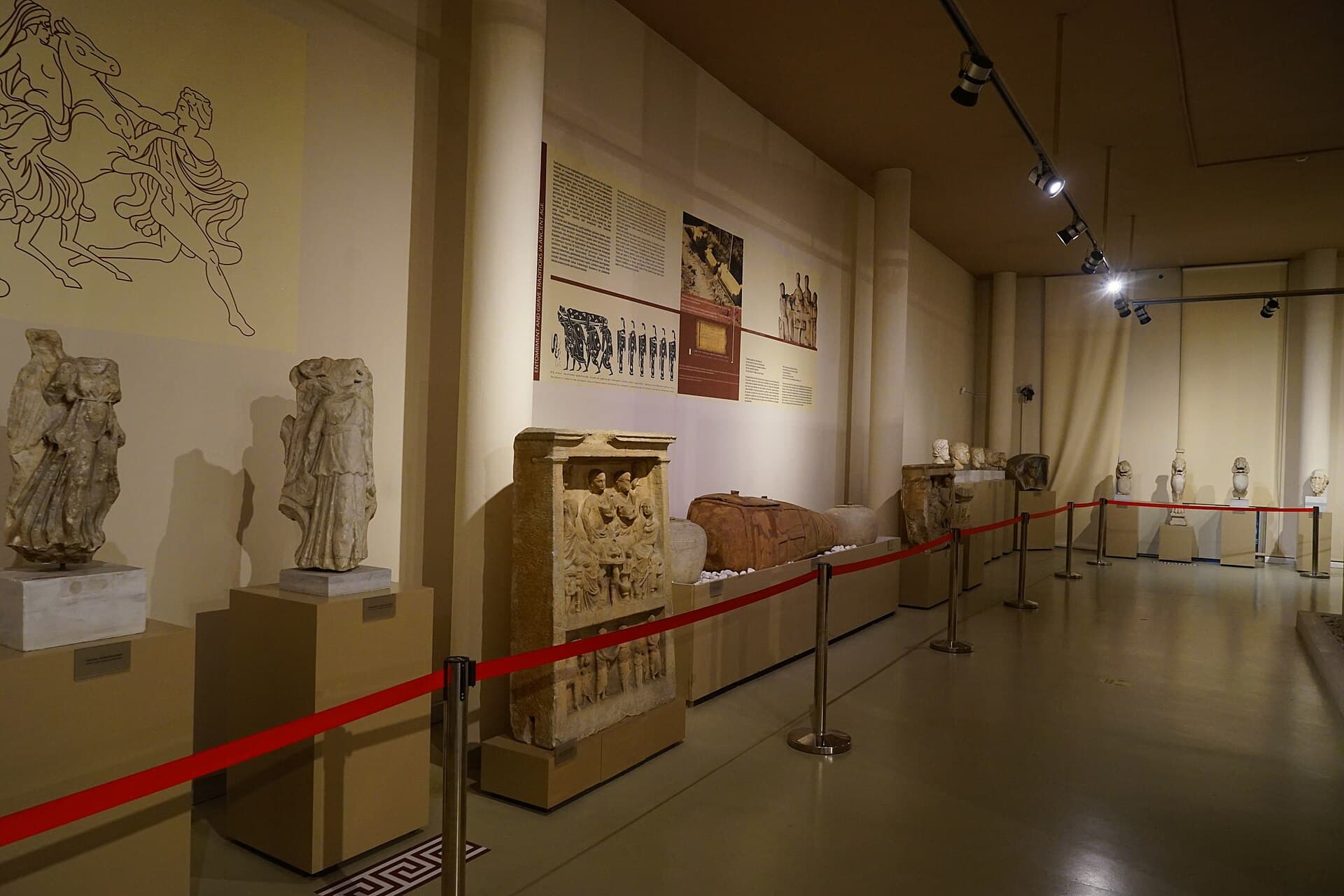 Bursa Archaeological MuseumTurkey's third-oldest museum is not in Istanbul or Ankara but in a quiet corner 9 min walk
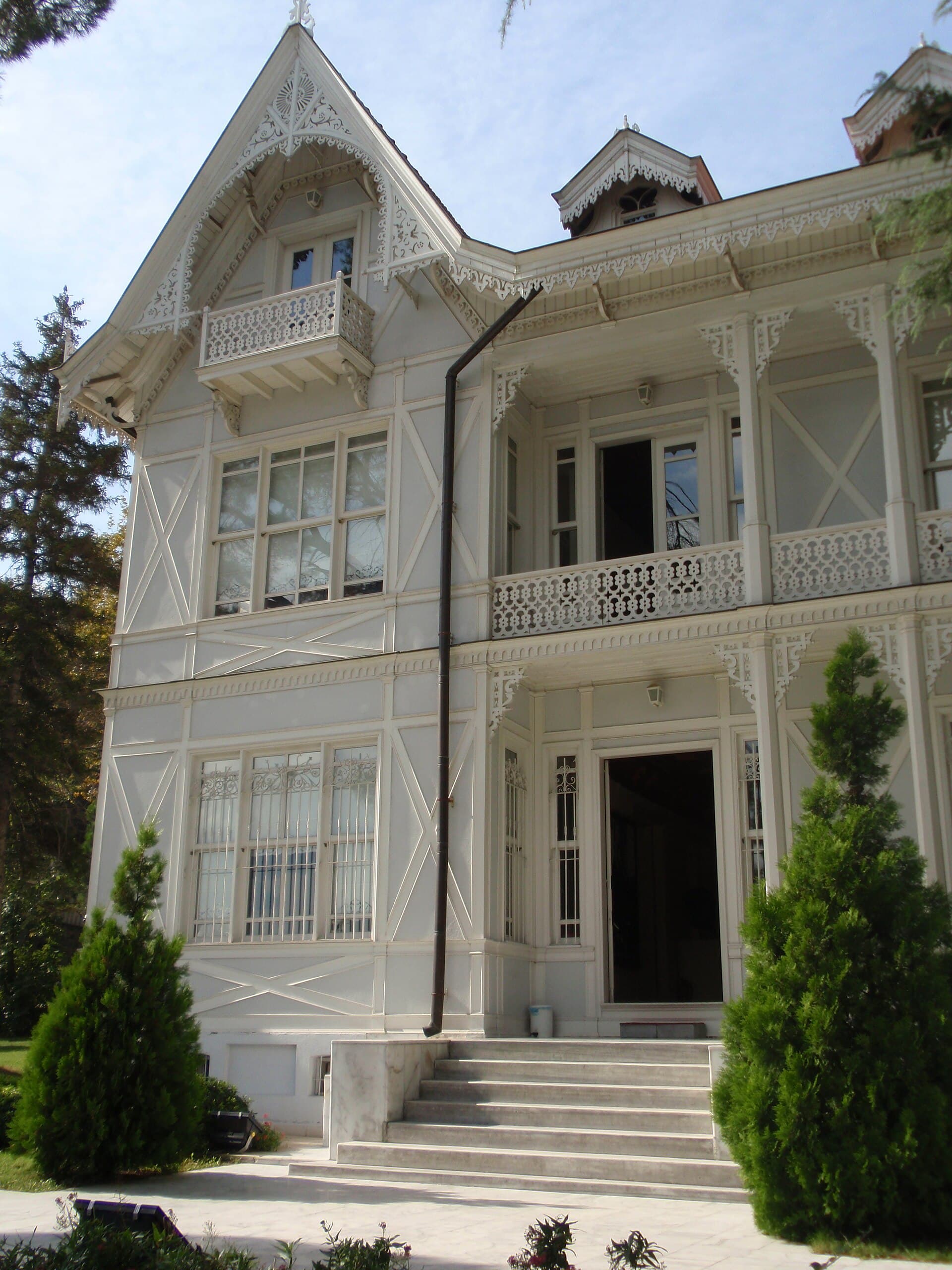 Bursa Atatürk MuseumThis house was given to Atatürk as a present, and he gave it back by letter. On 9 min walk
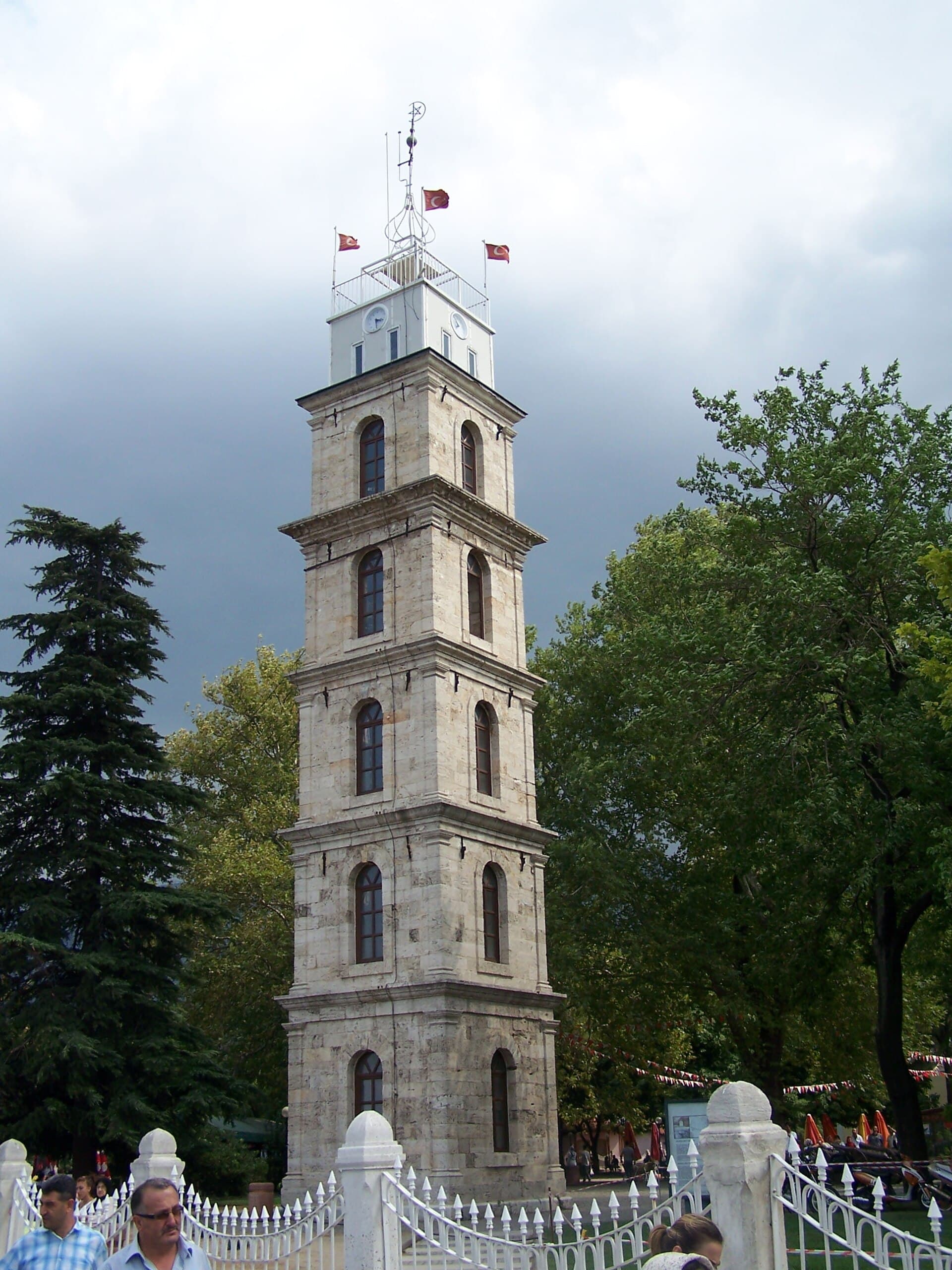 Tophane Clock Tower and the Tombs of Osman and Orhan GaziOn this hilltop lies the man the whole Ottoman state is named after, and the son13 min walk
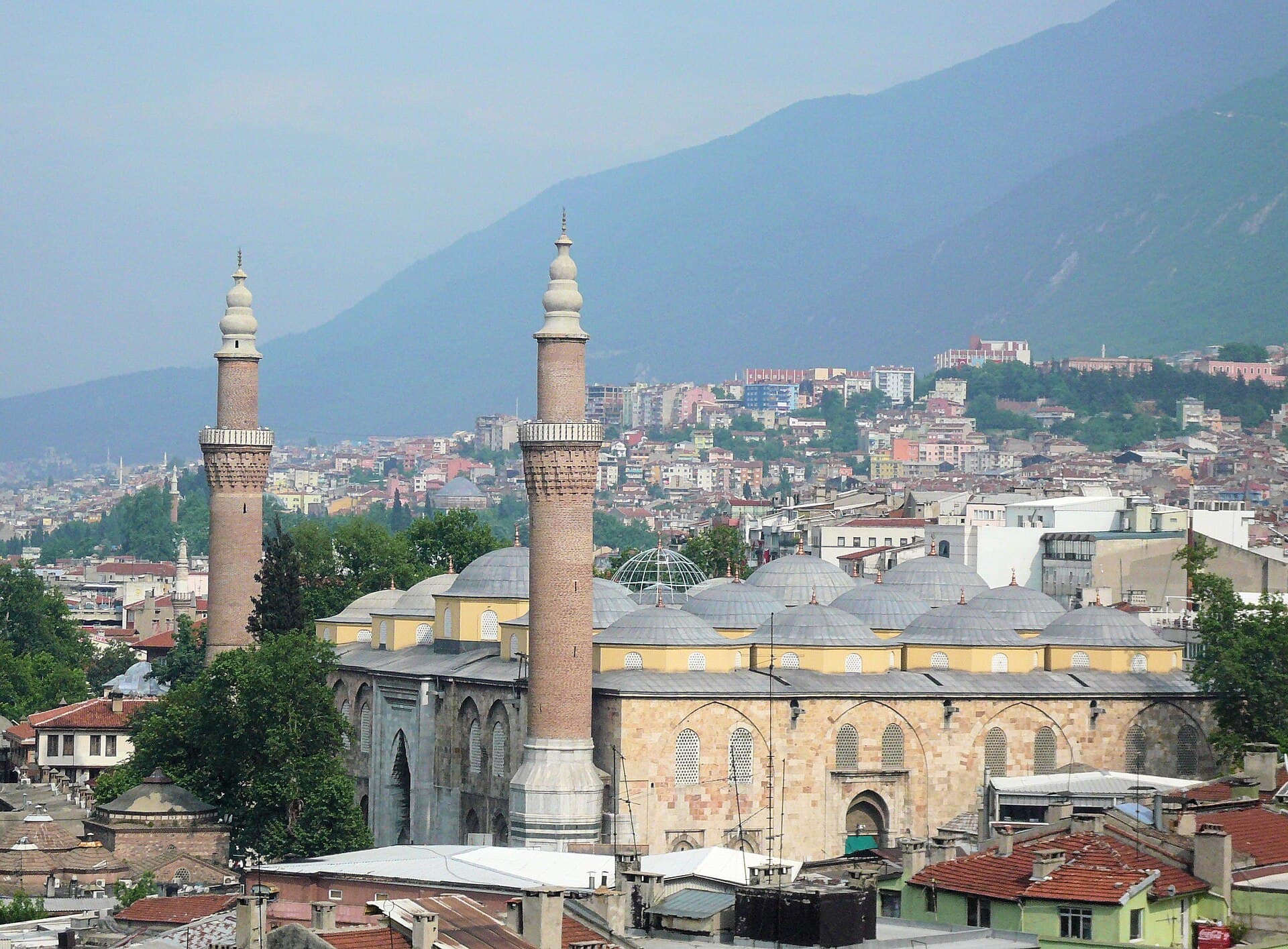 Grand Mosque of Bursa (Ulu Cami)The story Bursa likes to tell is that Sultan Bayezid I vowed to build twenty mos19 min walk
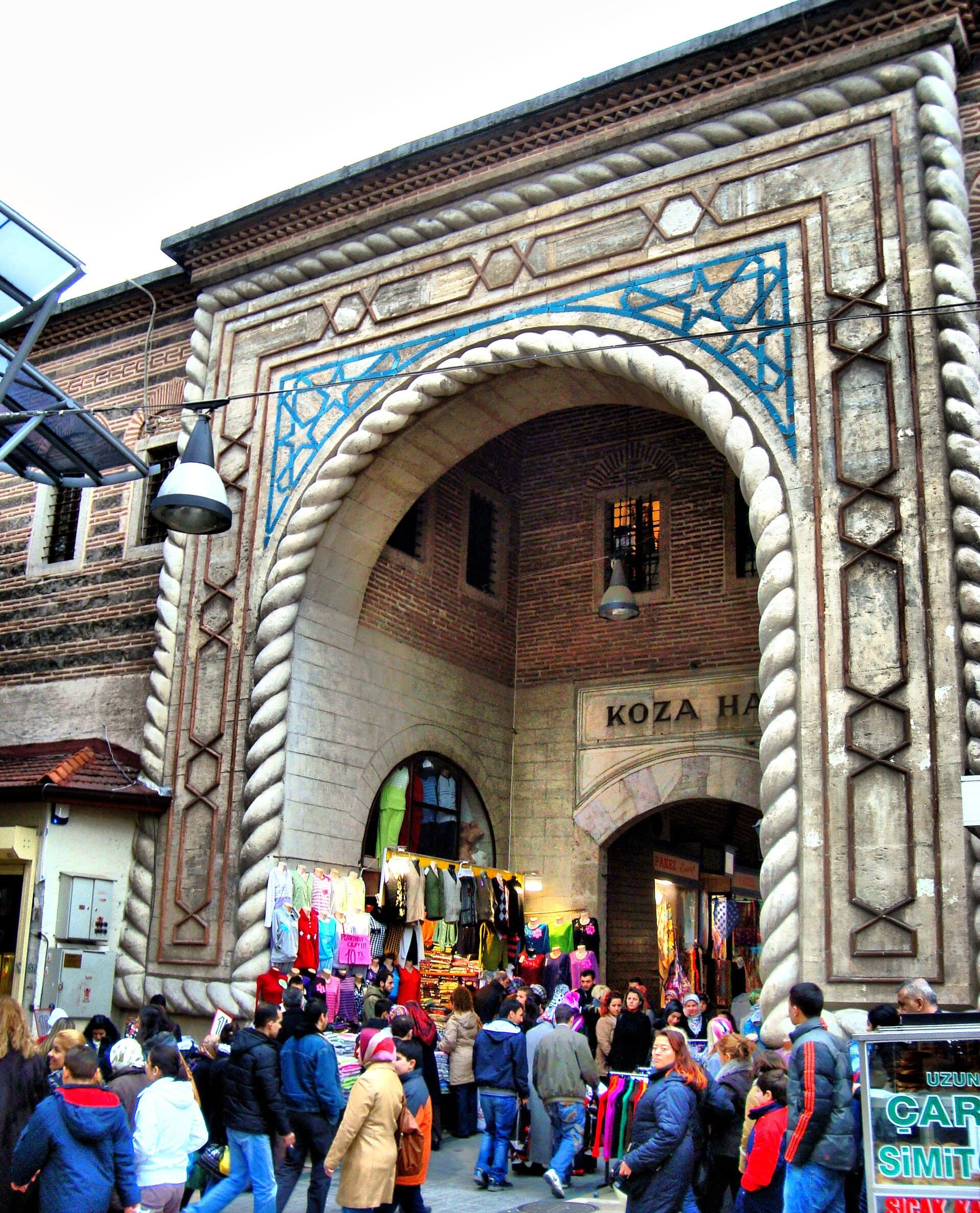 Koza Han and the Bursa BazaarSilk has been weighed and haggled over in this courtyard for more than five cent21 min walk
The Green Tomb is more famous and closer to the centre, but Muradiye is quieter and has far better stories: thirteen tombs instead of one, in a shaded garden that takes a pushchair. With small children allow an hour, go into the three main tombs only, and finish at the free manuscript museum. If you have half a day in Bursa, the Green Tomb first; with a full day, do not skip Muradiye.
It happens. Custodians open the doors in daylight and may keep one or two shut, or wander off for a while; ask anyone working in the garden and a door usually opens within minutes. Avoid arriving in the last hour before closing or during Friday midday prayers. Even with a door still locked, the garden and the manuscript museum make a decent visit.
Sign in to write your review of this place.
No reviews yet — be the first.