
Midas country
Phrygian pottery and finds from the uplands are the museum's strongest suit and the ideal primer for a Phrygian Valley day trip.
Nedim Ardoğa — CC BY-SA 4.0 · Dosseman — CC BY-SA 4.0 · Dosseman — CC BY-SA 4.0 · Dosseman — CC BY-SA 4.0
Not many state archaeology museums carry the name of a biscuit company. Eskişehir's does: ETİ, the city's best-known food brand, paid for a renovation that kept the place shut for a full decade, and when it reopened in late May 2011 with digital displays built by Middle East Technical University with TÜBİTAK backing, the sponsor's name went on the front. What you get is a tidy, well-lit regional museum on Atatürk Boulevard, a few minutes' walk from the Ottoman houses of Odunpazarı. The real story here is the Phrygians, the people of King Midas and his golden touch. The uplands around Eskişehir were their heartland, and whatever comes out of the digs at Dorylaion (the ancient town under Eskişehir itself), Pessinus and the Han underground city ends up in these galleries. More than twenty thousand objects are on the books and roughly two thousand on show, across three broadly chronological halls: Neolithic to Phrygian first, then Hellenistic, Roman and Byzantine, then a hall of stonework, marble statues, sarcophagi and grave stelae. There is more marble in the garden, and a fossilised elephant tusk in the natural-history corner that holds children's attention longer than any pot. Be honest with yourself: this is not the Antalya Museum, nor Ankara's Museum of Anatolian Civilizations. An hour is plenty, and it earns that hour if you like ancient history or want context for the Phrygian Valley and Midas City later in the trip. If you came to Eskişehir for the Porsuk river boats and the lanes of Odunpazarı, you will lose little by skipping it. Practicalities: foreign visitors pay about 4 euros, it opens daily from 8 to 5 with the ticket desk closing at 4:30, and the visit asks nothing of your legs or your pushchair. In August heat it is a cool, unhurried pause before an evening stroll in Odunpazarı.
Phrygian pottery and finds from the uplands are the museum's strongest suit and the ideal primer for a Phrygian Valley day trip.
Roman statues, sarcophagi and grave stelae from Dorylaion and Pessinus, with the display spilling out among the trees.
A small natural-history corner whose fossilised elephant tusk keeps children in front of it longer than any other case.
Akarbaşı Mah., Atatürk Bulvarı No. 64, Odunpazarı
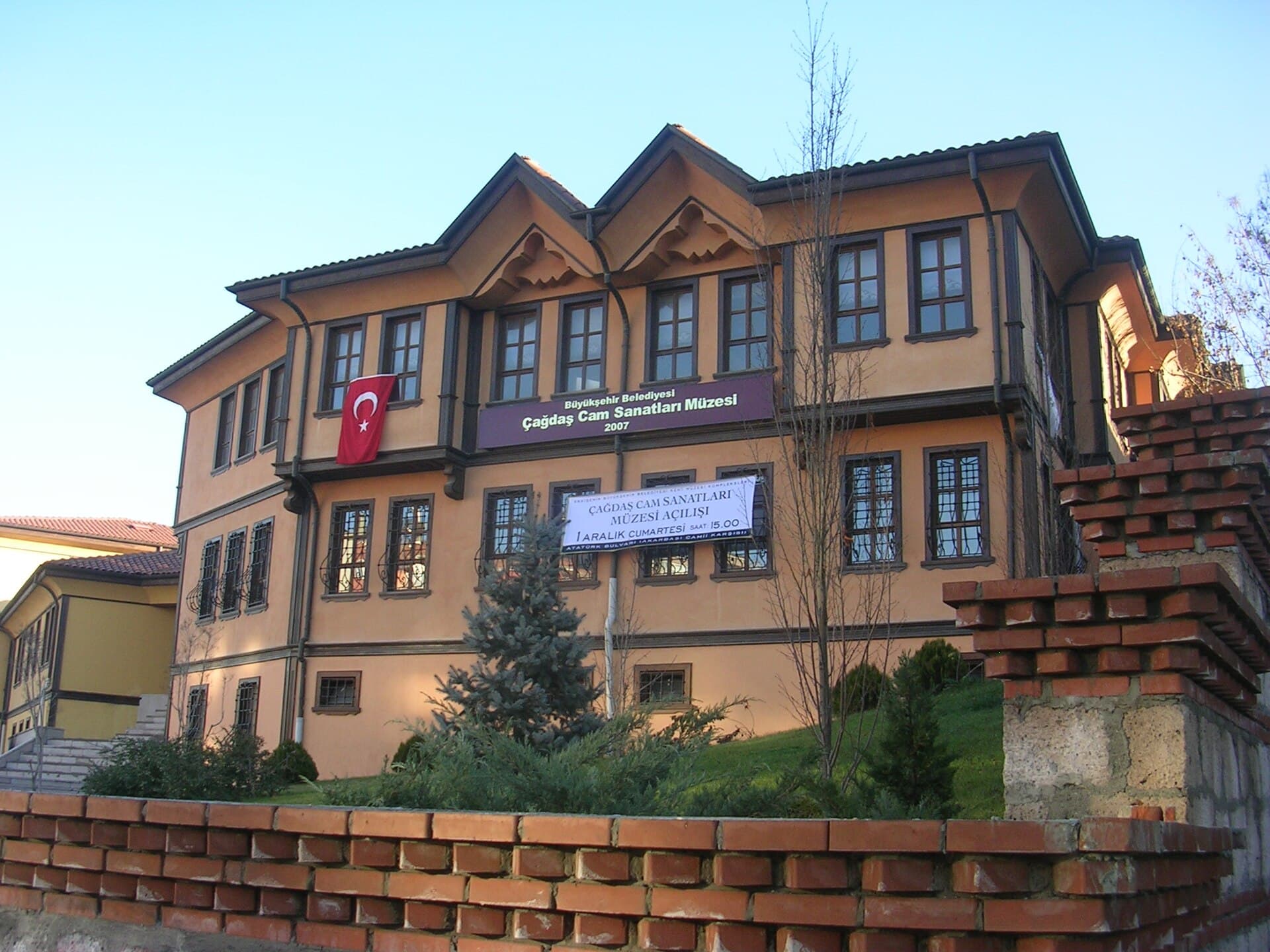 Contemporary Glass Art MuseumA hundred and twenty-five pieces of blown and cold-worked glass fill three rooms9 minutes walk4.4
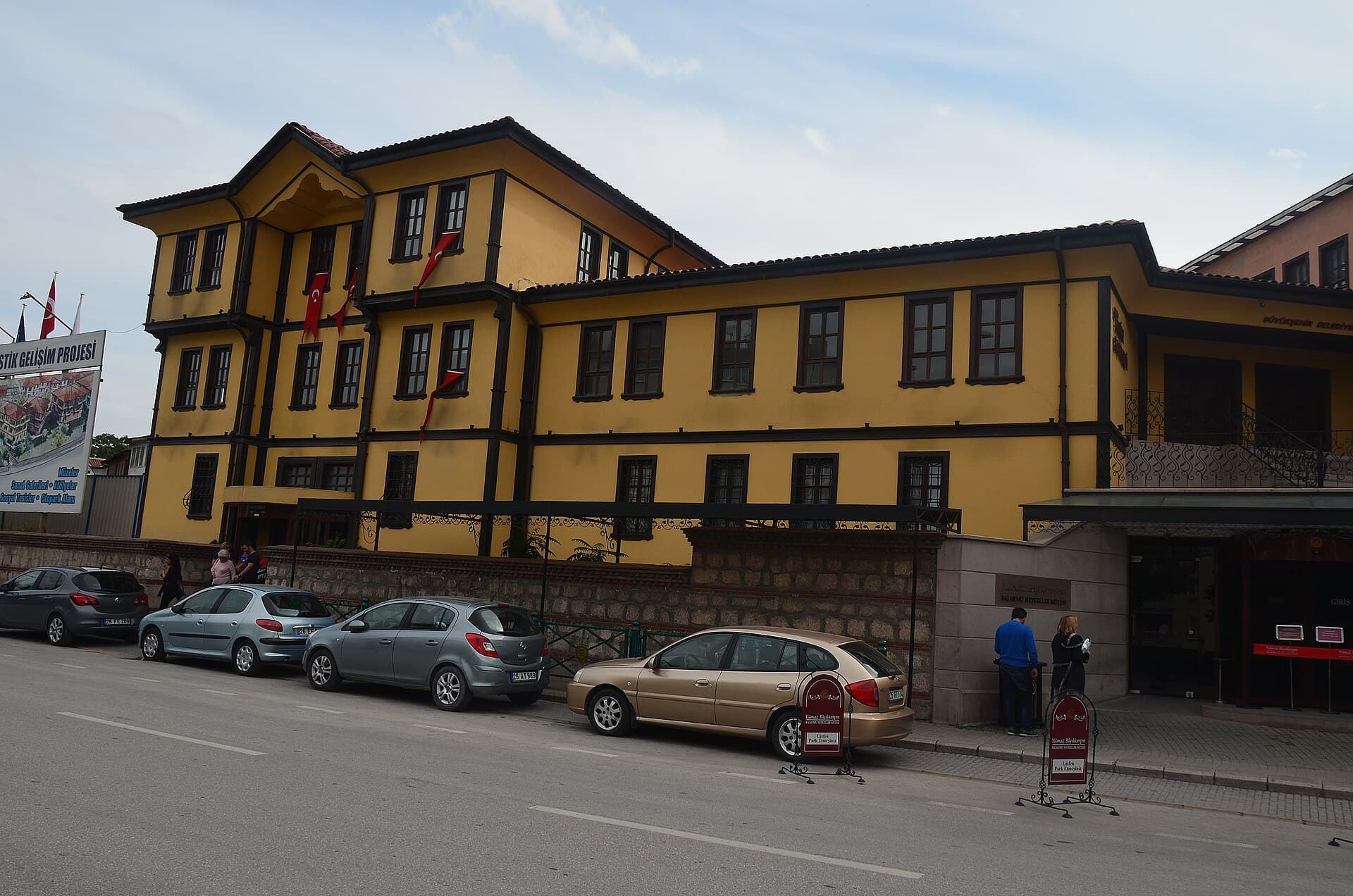 Yılmaz Büyükerşen Wax MuseumSome 229 wax figures by the municipality's count, every one of them sculpted by 10 minutes walk4.5
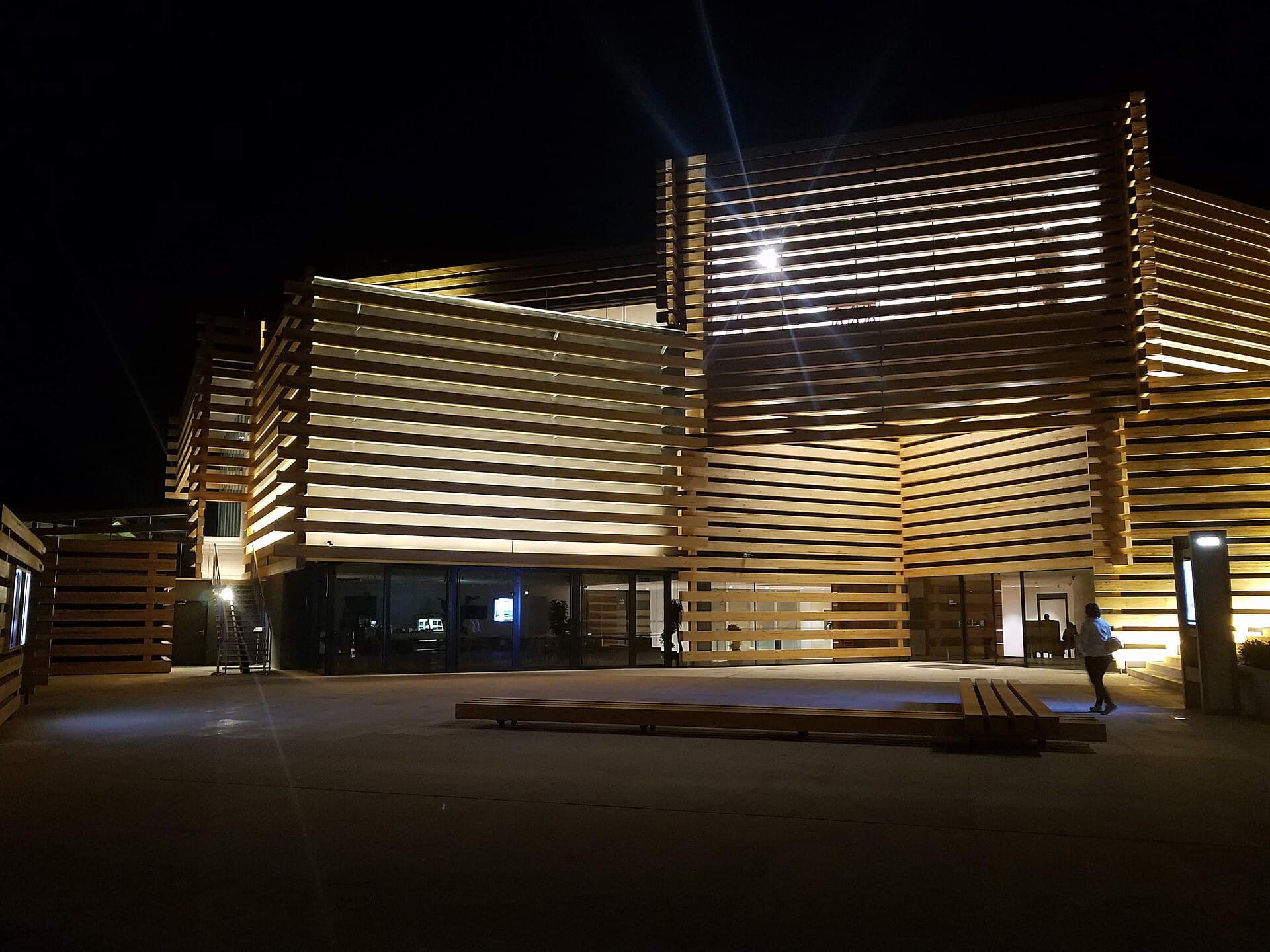 Odunpazarı Modern Museum (OMM)Odunpazarı means 'wood market', and when the Japanese architect Kengo Kuma was a10 minutes walk4.1
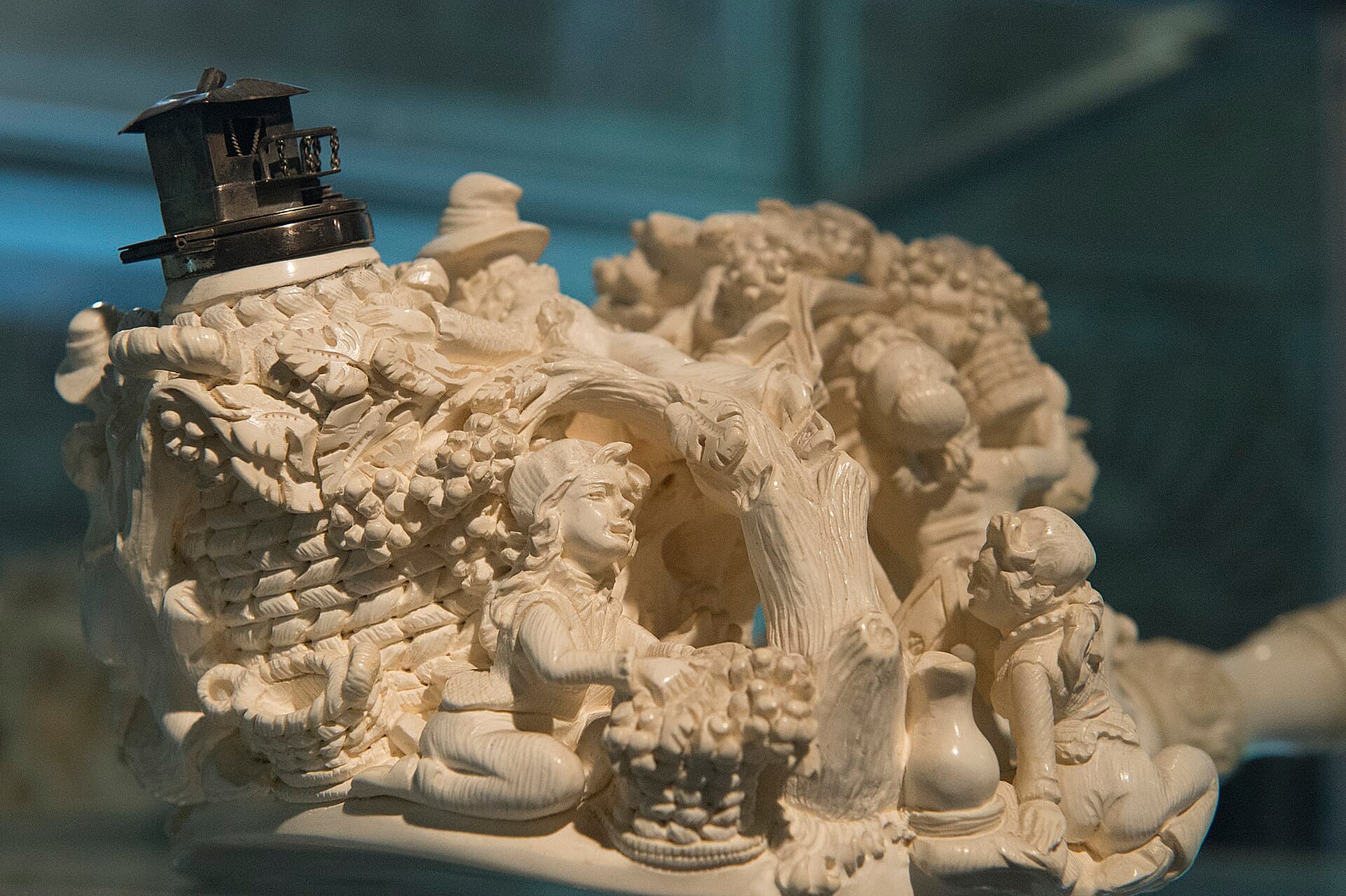 Eskişehir Meerschaum MuseumA soft white stone that comes out of the ground in high-grade blocks almost nowh13 minutes walk4.3
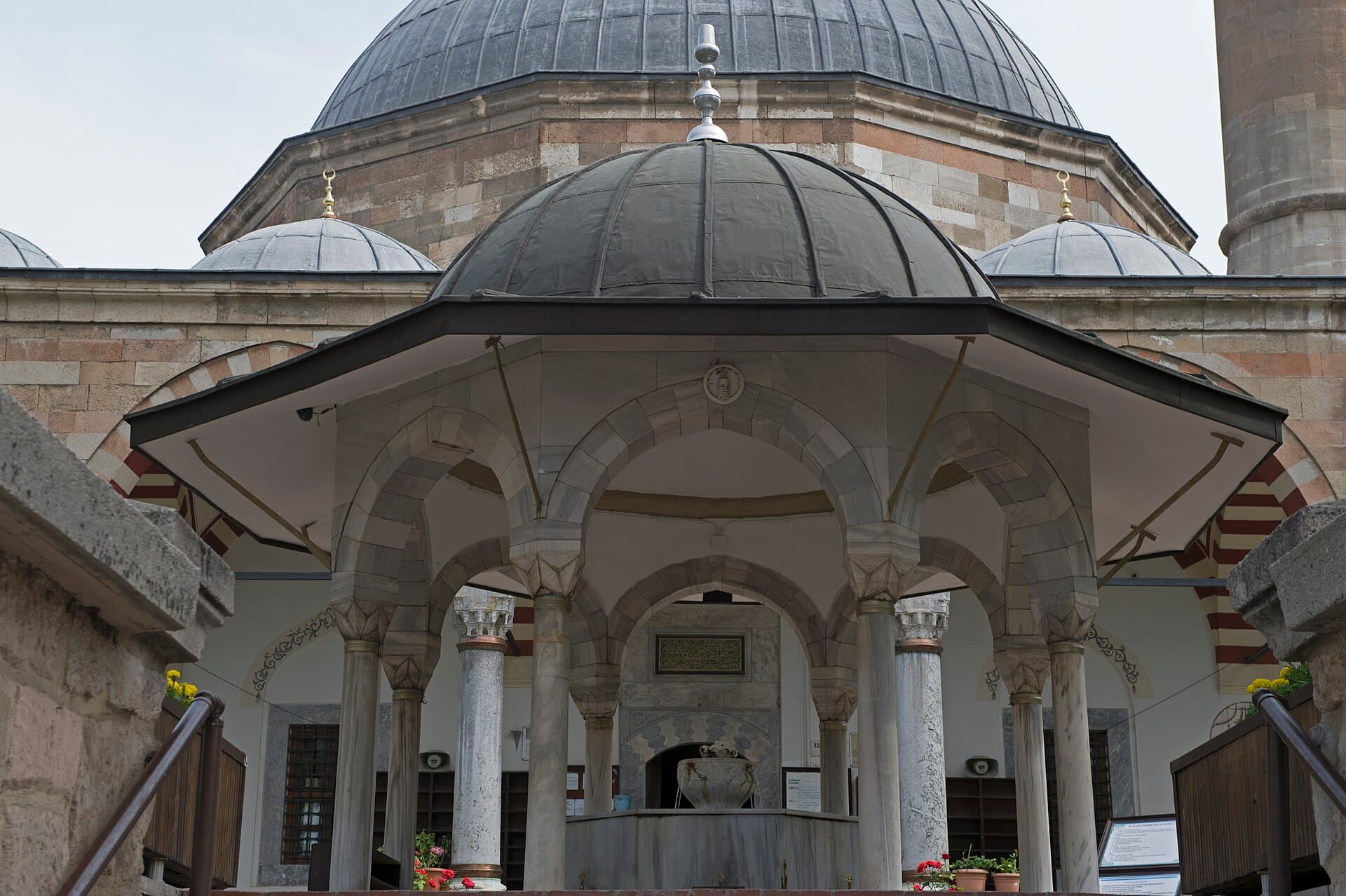 Kurşunlu Mosque and ComplexEskişehir is a city of universities, trams and cafés, and it has strikingly litt14 minutes walk4.8
The Odunpazarı Modern Museum, without hesitation; Kengo Kuma's timber building is the one you will remember. The archaeology museum is for ancient-history lovers, and the two are about a quarter of an hour apart on foot, so an energetic day fits both.
For an hour, yes: the halls are short and flat, a pushchair passes easily, and the elephant tusk and the garden make up for the glass cases. Beyond an hour it drags for them.