
The carved pipes
Sultans' faces and tigers' heads cut into white stone with a fineness that pulls you up to the glass.
Dosseman — CC BY-SA 4.0 · Dosseman — CC BY-SA 4.0 · Dosseman — CC BY-SA 4.0 · Dosseman — CC BY-SA 4.0
A soft white stone that comes out of the ground in high-grade blocks almost nowhere on earth but the countryside around Eskişehir, carves like soap while still damp, then hardens and, with every pipe smoked in it, turns a deepening honey-amber. This is lületaşı, meerschaum, the «white gold» that made Eskişehir a name in Vienna and London a good two centuries before the trams and the universities. The small museum that Odunpazarı Municipality opened in 2008 inside the Ottoman Kurşunlu mosque complex, completed in 1525, tells the whole story in what is essentially a single hall. The cases hold roughly four hundred pieces by some sixty carvers: pipes with the faces of sultans, cavalrymen, tigers and lions, pierced cigarette holders, figurines, prayer beads and jewellery, alongside panels and photographs on how the raw stone is hauled up from deep pits in nearby villages and graded by colour and purity. What impresses is the chisel work, not the scale, and the labels are mostly Turkish, so do not expect much English or Arabic explanation. To be plain about it: anyone who comes to Eskişehir for this museum alone will walk out after twenty minutes wondering what that was. Its value is where it sits. You are in the heart of Odunpazarı among the painted Ottoman houses, a short walk from the Atlıhan, where the carvers themselves work in tiny shopfronts and sell what they make. The museum is a free crash course that trains your eye before you open your wallet: genuine meerschaum is surprisingly light, cool to the touch and faintly porous, while the pressed imitations made from stone powder feel heavier and glossier. Prices start modest for plain pipes and climb steeply with the intricacy of the carving. Entry is free with no booking. Hours follow the municipal museums only approximately, around 10:00 to 18:00, and it may shut on Mondays, so check before building a schedule around it. It is essentially one hall, so the visit is undemanding and short enough for children, and the mosque in the same complex is there for prayer. Best folded into an Odunpazarı walk together with the nearby OMM modern art museum, and let it decide what you buy at the Atlıhan.
Sultans' faces and tigers' heads cut into white stone with a fineness that pulls you up to the glass.
Panels and photographs on how the raw stone is hauled out of village pits and graded by purity.
The craftsmen's han where carvers work in front of you, and the right place to buy a genuine piece.
Kurşunlu Mosque Complex, Paşa Mahallesi, Odunpazarı
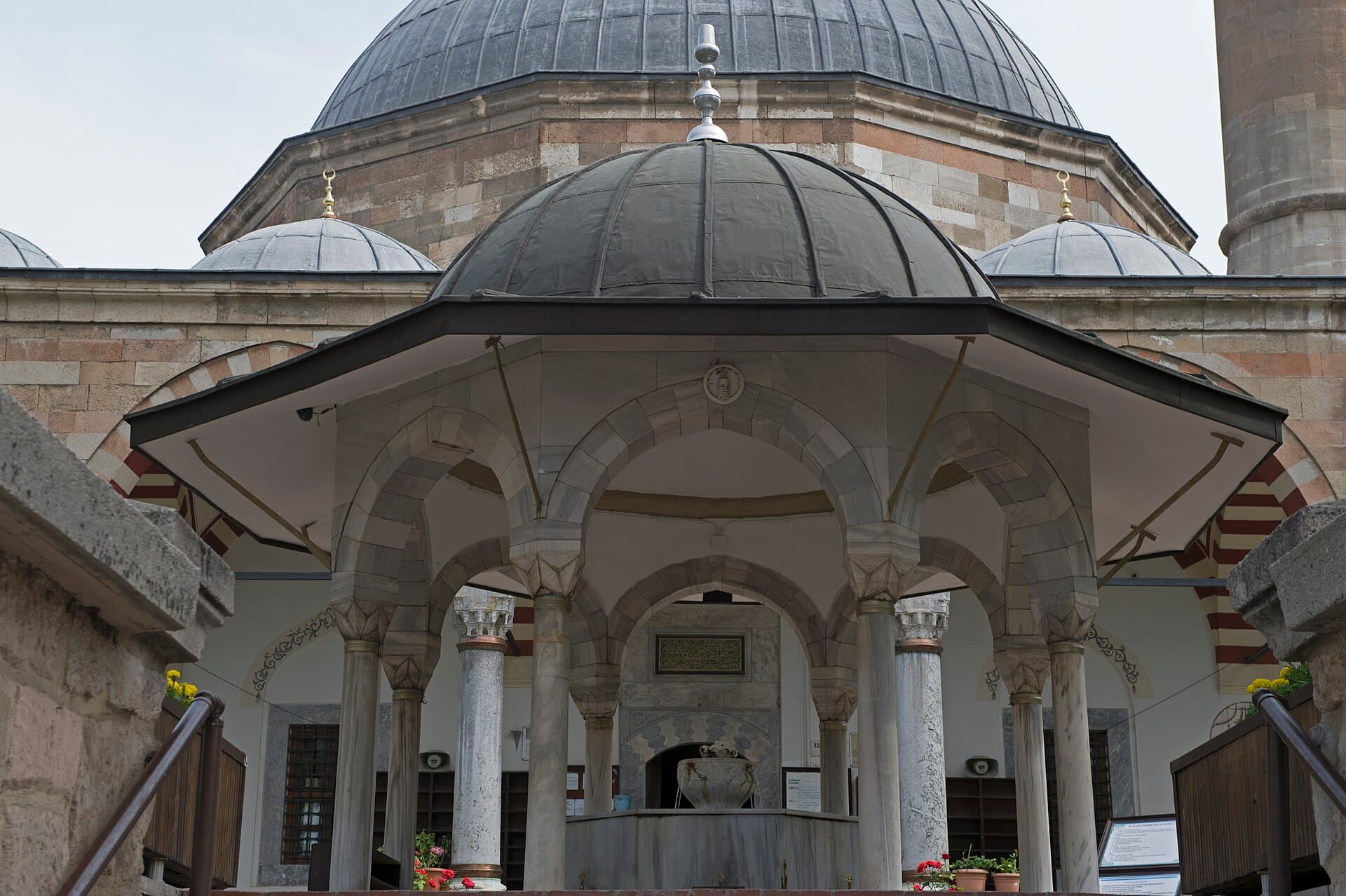 Kurşunlu Mosque and ComplexEskişehir is a city of universities, trams and cafés, and it has strikingly litt1 minute walk4.8
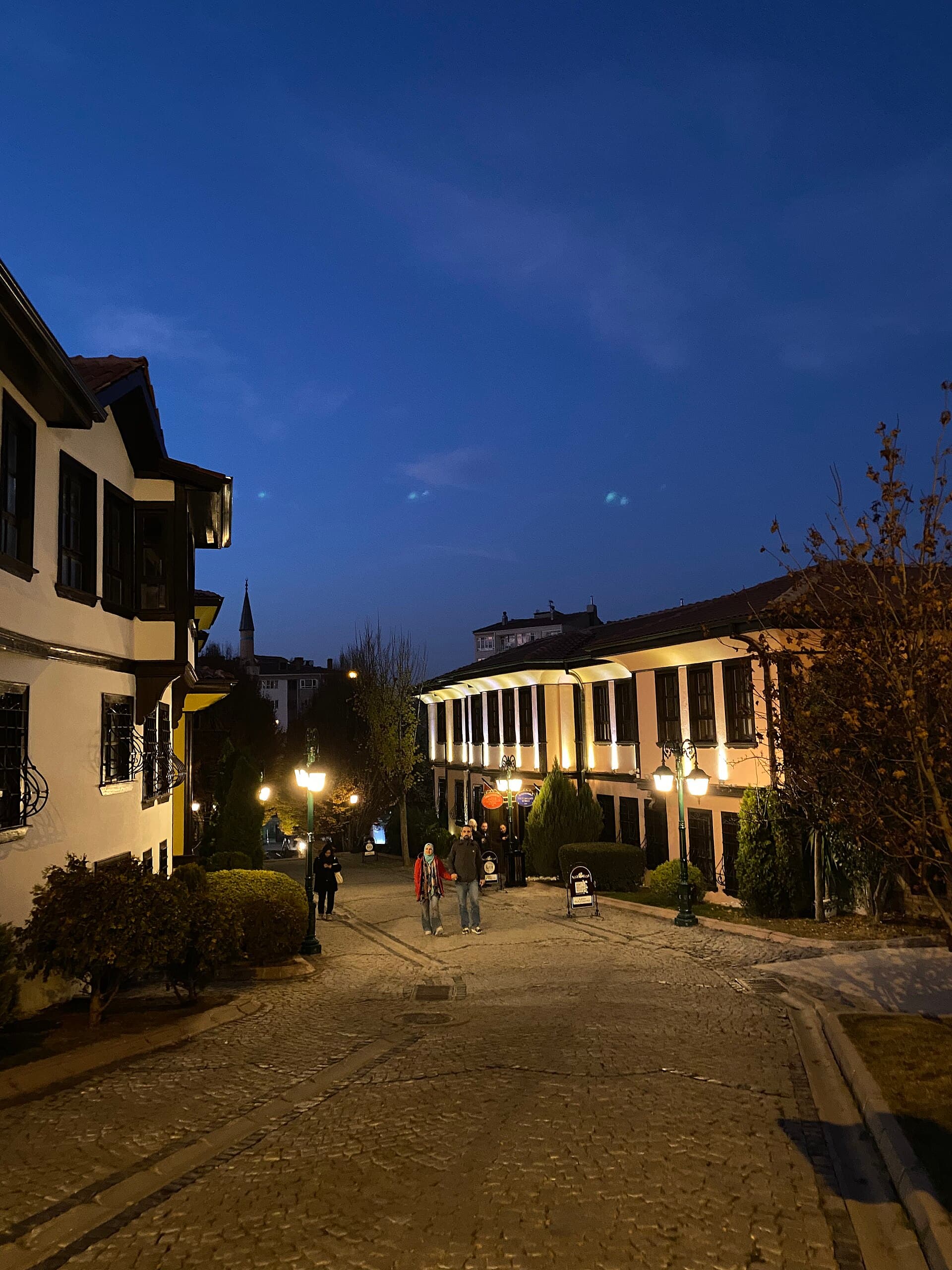 Odunpazarı Historic DistrictBefore Eskişehir became a city of students, trams and riverside cafés, all of it2 minutes walk4.6
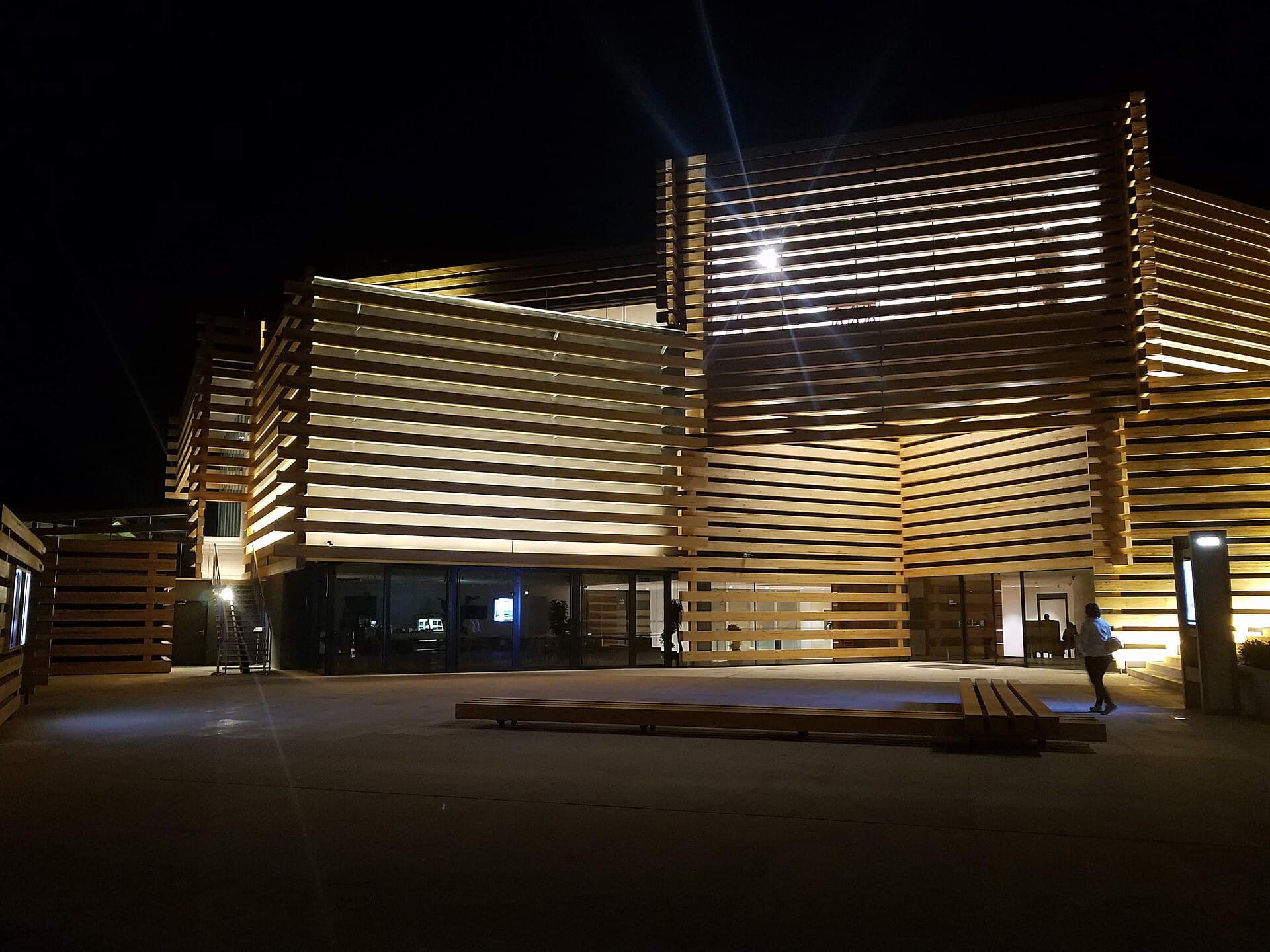 Odunpazarı Modern Museum (OMM)Odunpazarı means 'wood market', and when the Japanese architect Kengo Kuma was a4 minutes walk4.1
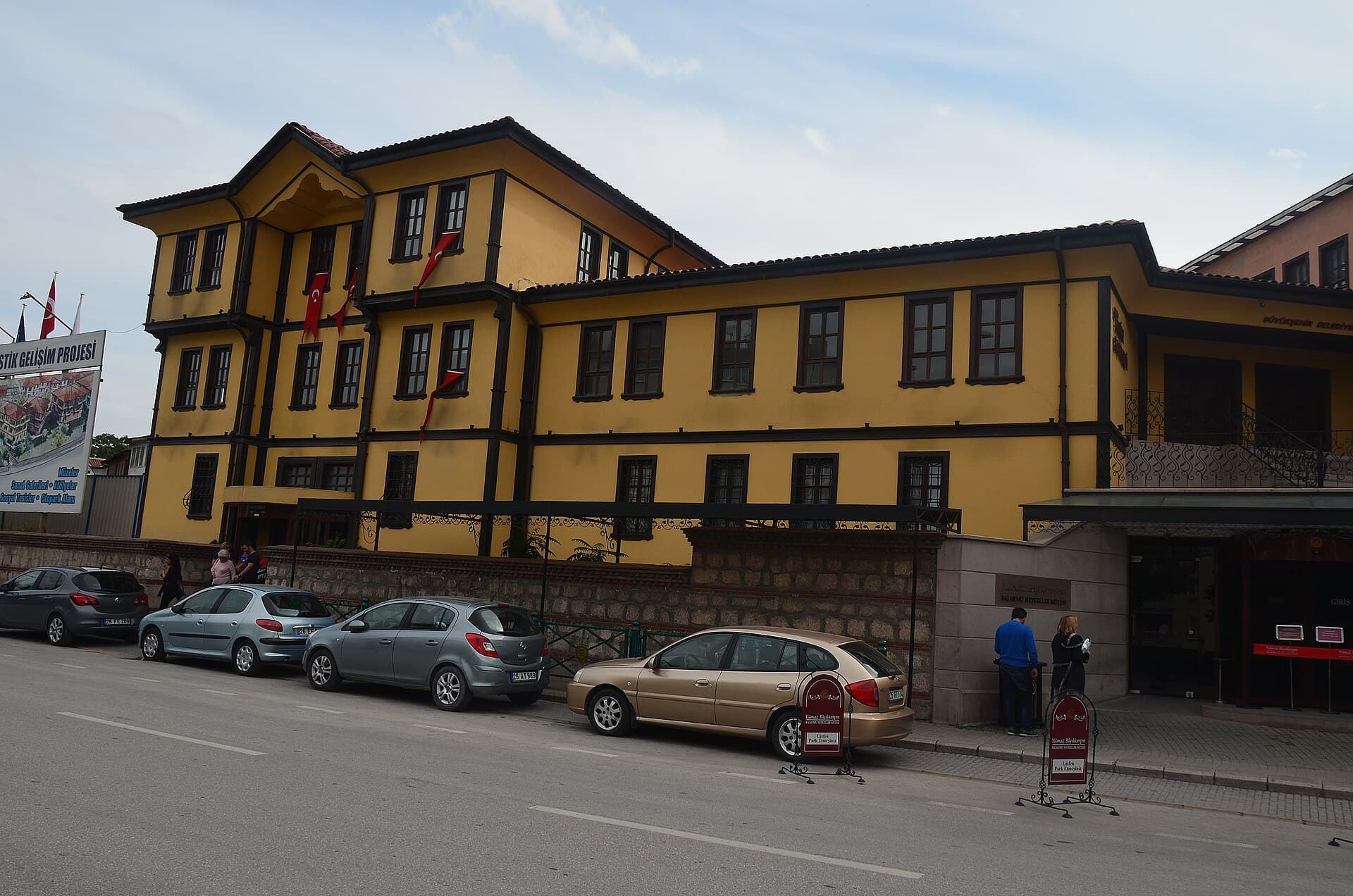 Yılmaz Büyükerşen Wax MuseumSome 229 wax figures by the municipality's count, every one of them sculpted by 4 minutes walk4.5
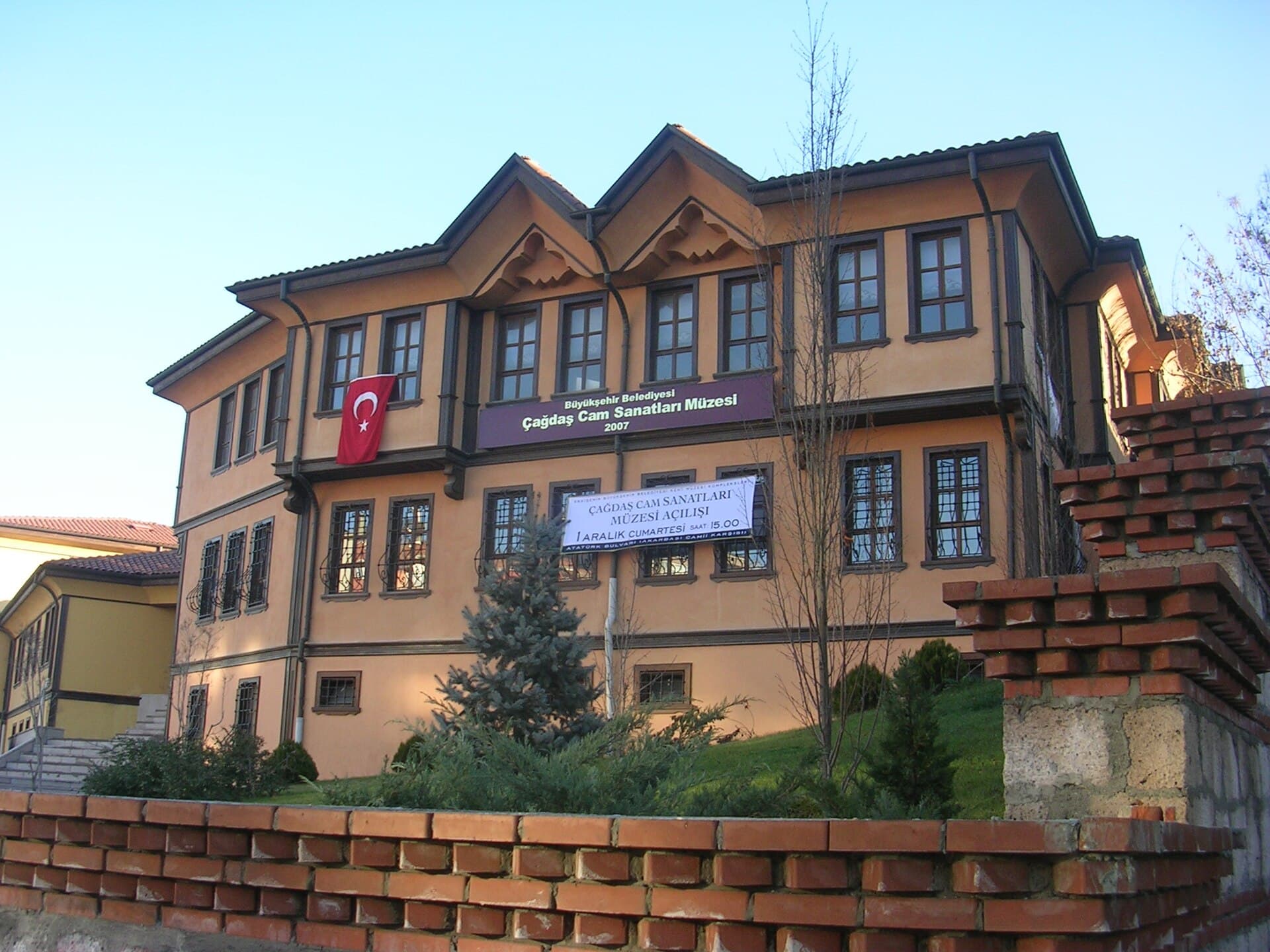 Contemporary Glass Art MuseumA hundred and twenty-five pieces of blown and cold-worked glass fill three rooms4 minutes walk4.4
As a stop on the Odunpazarı walk, yes: it is free, takes twenty minutes at most, and makes sense of what is for sale at the Atlıhan. As a destination in its own right, no; it is essentially a single hall.
Genuine stone is surprisingly light, cool to the touch and faintly porous; pressed imitations made from stone powder feel heavier and glossier. Buy from the carvers' workshops in the Atlıhan a short walk from the museum, and expect prices to climb steeply with the intricacy of the carving.