
The royal reliefs
Ferdinand and Marie — Greater Romania in stone.
Rsandu — CC BY-SA 4.0 · Rsandu — CC BY-SA 4.0 · U.S. Army photo by Sgt. Khalan Moore — Public domain · Britchi Mirela — CC BY-SA 4.0
"Little Paris" with an arch of its own: the Arcul de Triumf stands mid-way along the tree-lined Kiseleff avenue in the shape of the Paris arch at a slimmer scale — 27 metres of stone raised in 1936 to celebrate Greater Romania after the First World War, following two temporary wooden arches built for parades. Its faces carry reliefs of King Ferdinand and Queen Marie and the names of victories, and an inner stair climbs on national holidays (above all 1 December) to a terrace looking down the avenue to the lake. Usually it is seen from outside; the traffic circle around it is best photographed from the northern pavement. It sits naturally in a northern loop: the Village Museum and Lake Herăstrău are minutes away, the Antipa museum and Ceaușescu's house in either direction.
Ferdinand and Marie — Greater Romania in stone.
The army passes beneath it on National Day.
Piața Arcul de Triumf, Bucharest
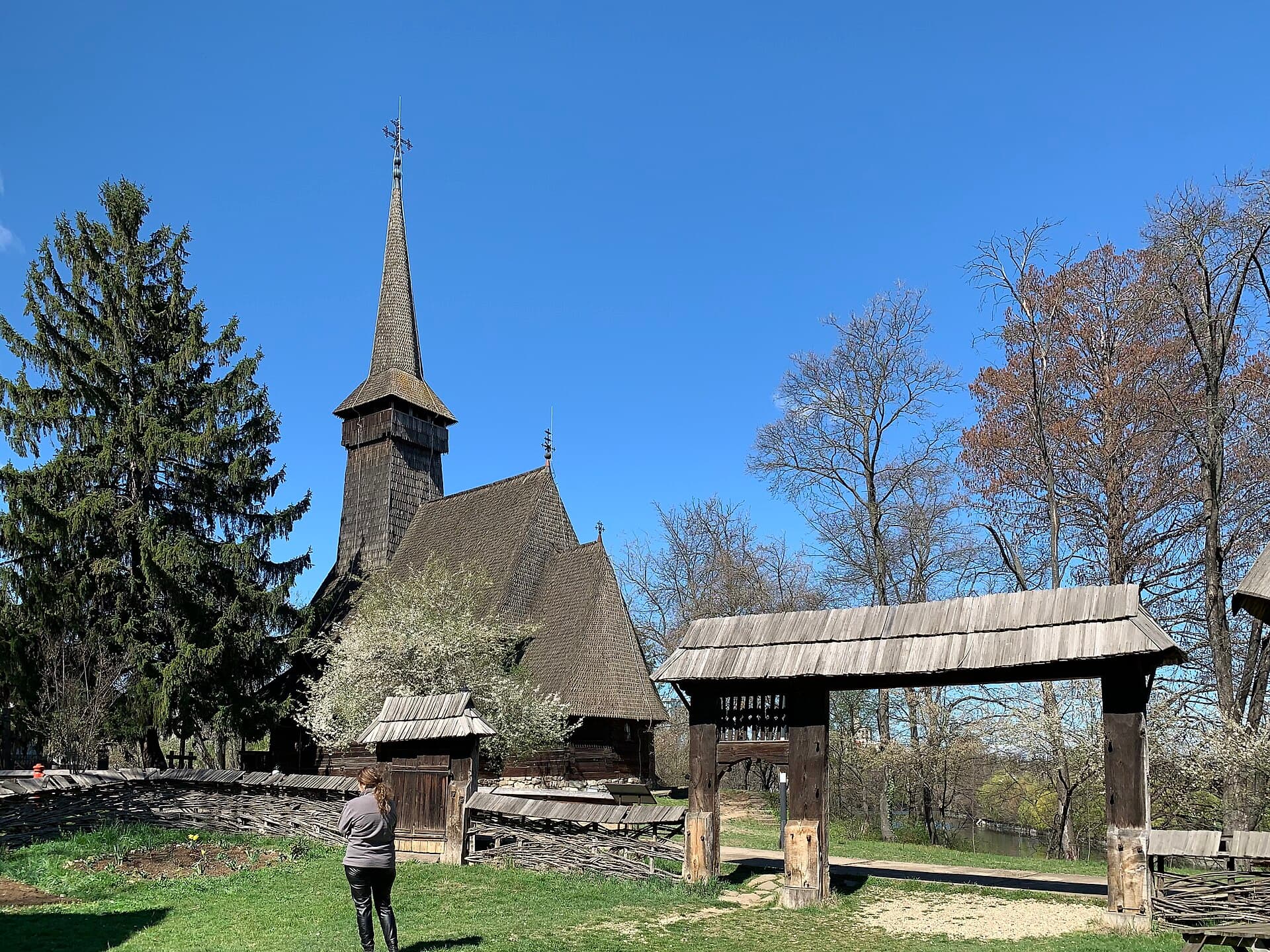 National Village MuseumA whole Romanian village on the shore of Lake Herăstrău: the Dimitrie Gusti muse9 minutes walk4.7
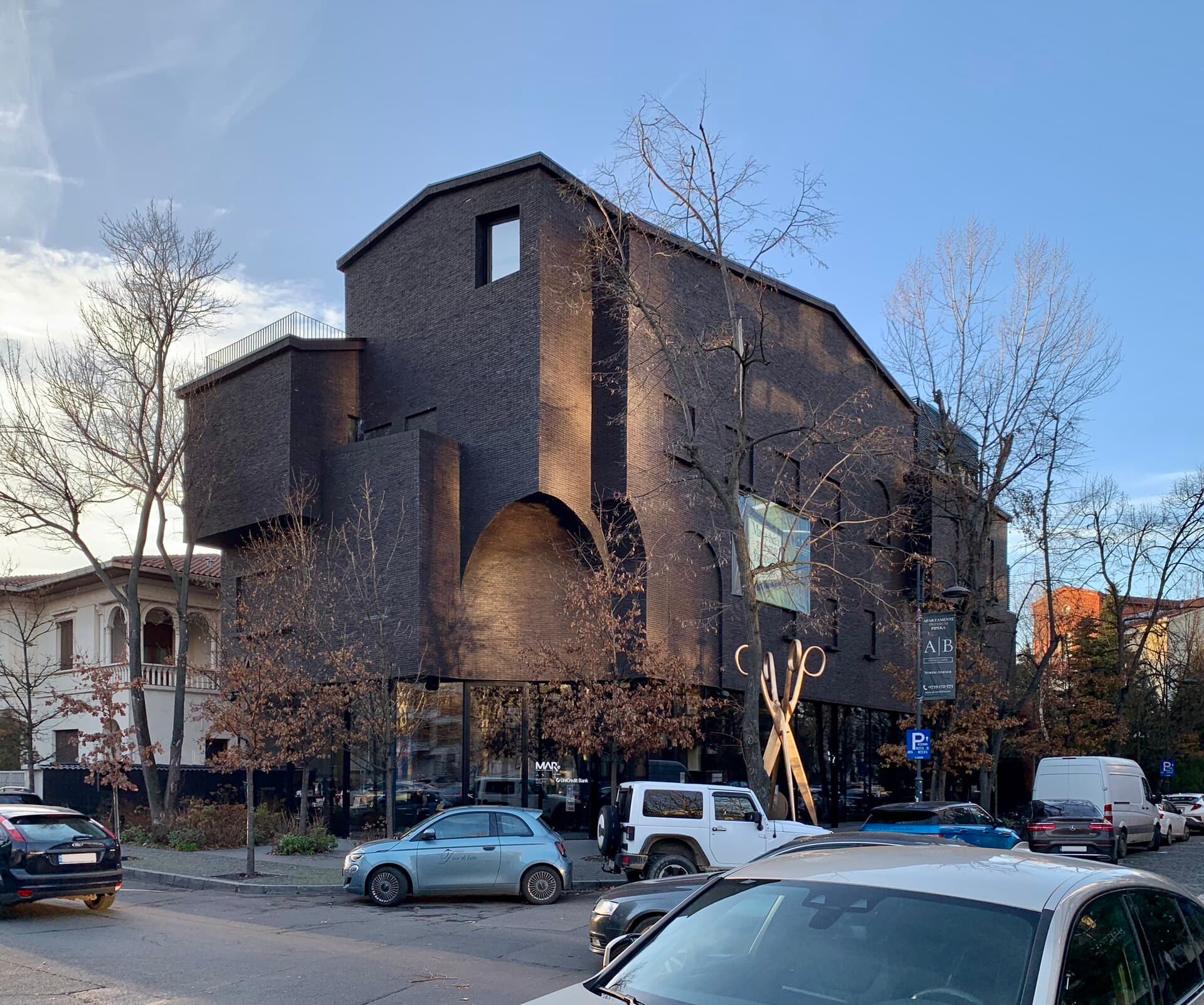 MARe — the Museum of Recent ArtMARe is a private museum opened in 2018 in the quiet Primăverii district north o11 minutes walk4.6
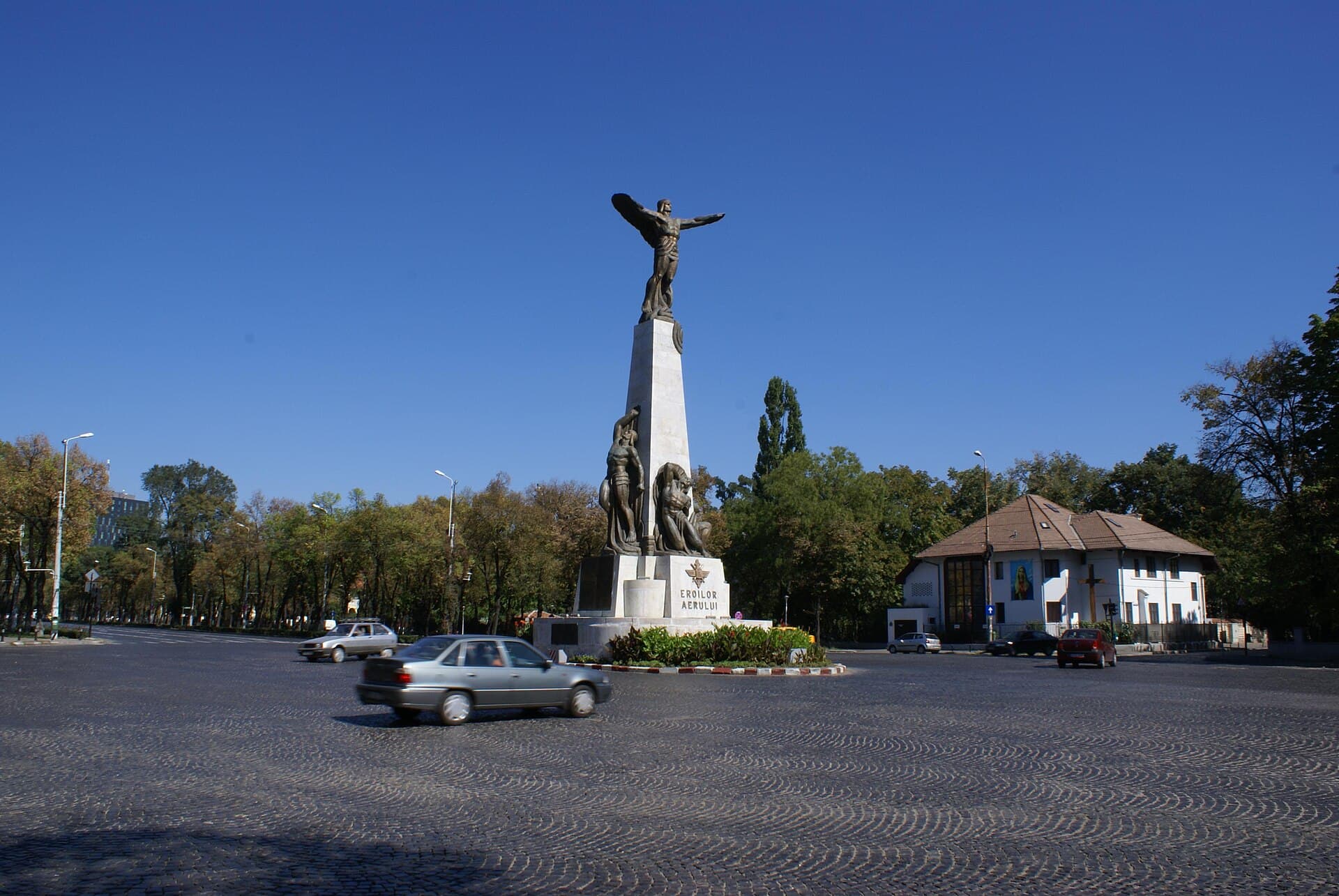 The Monument to the Heroes of the AirThe Monument to the Heroes of the Air stands at the centre of a roundabout on Bu13 minutes walk4.6
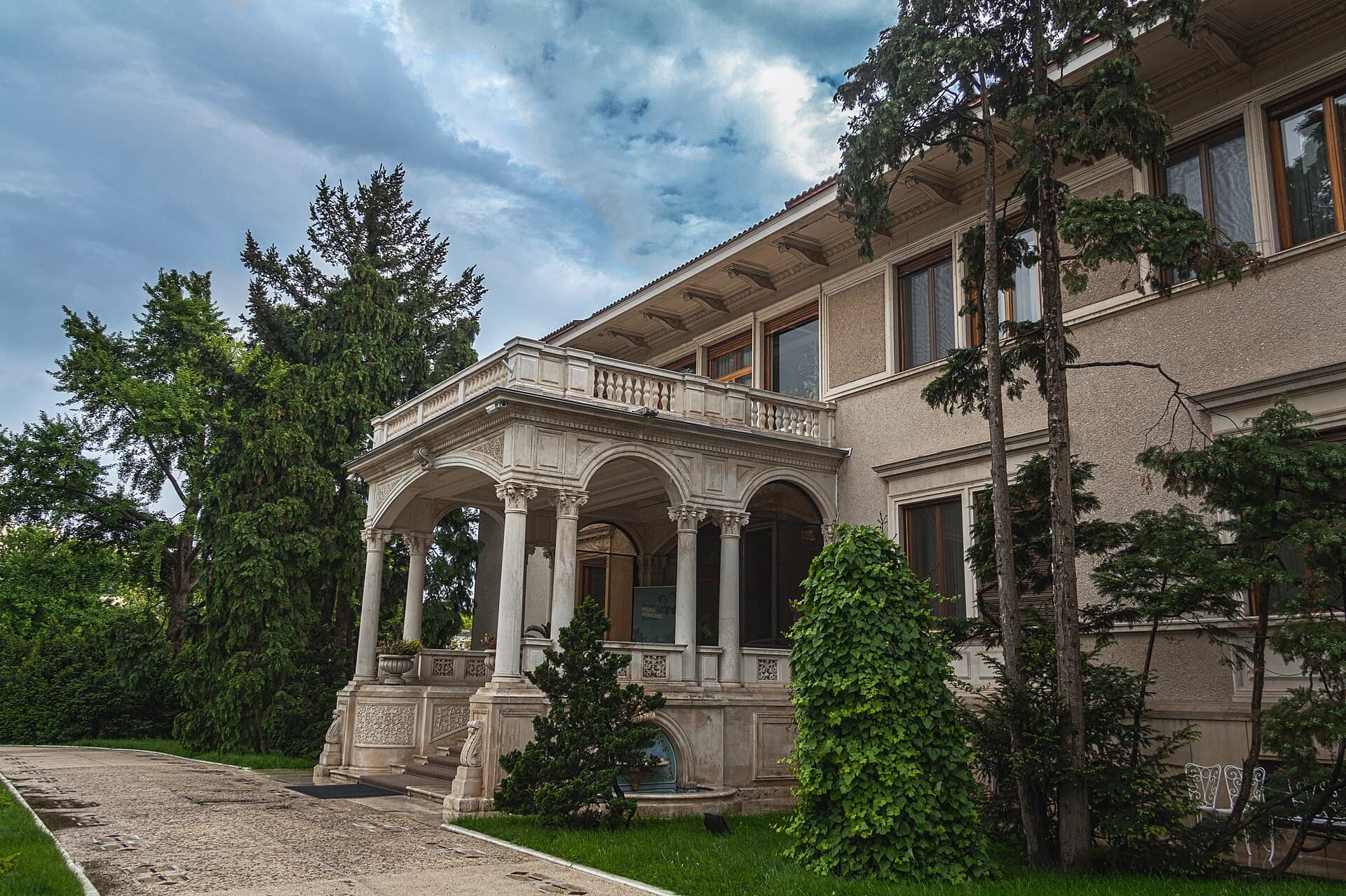 Ceaușescu House (Primăverii Palace)The house the dictator lived in while his people queued for bread: Primăverii Pa14 minutes walk4.5
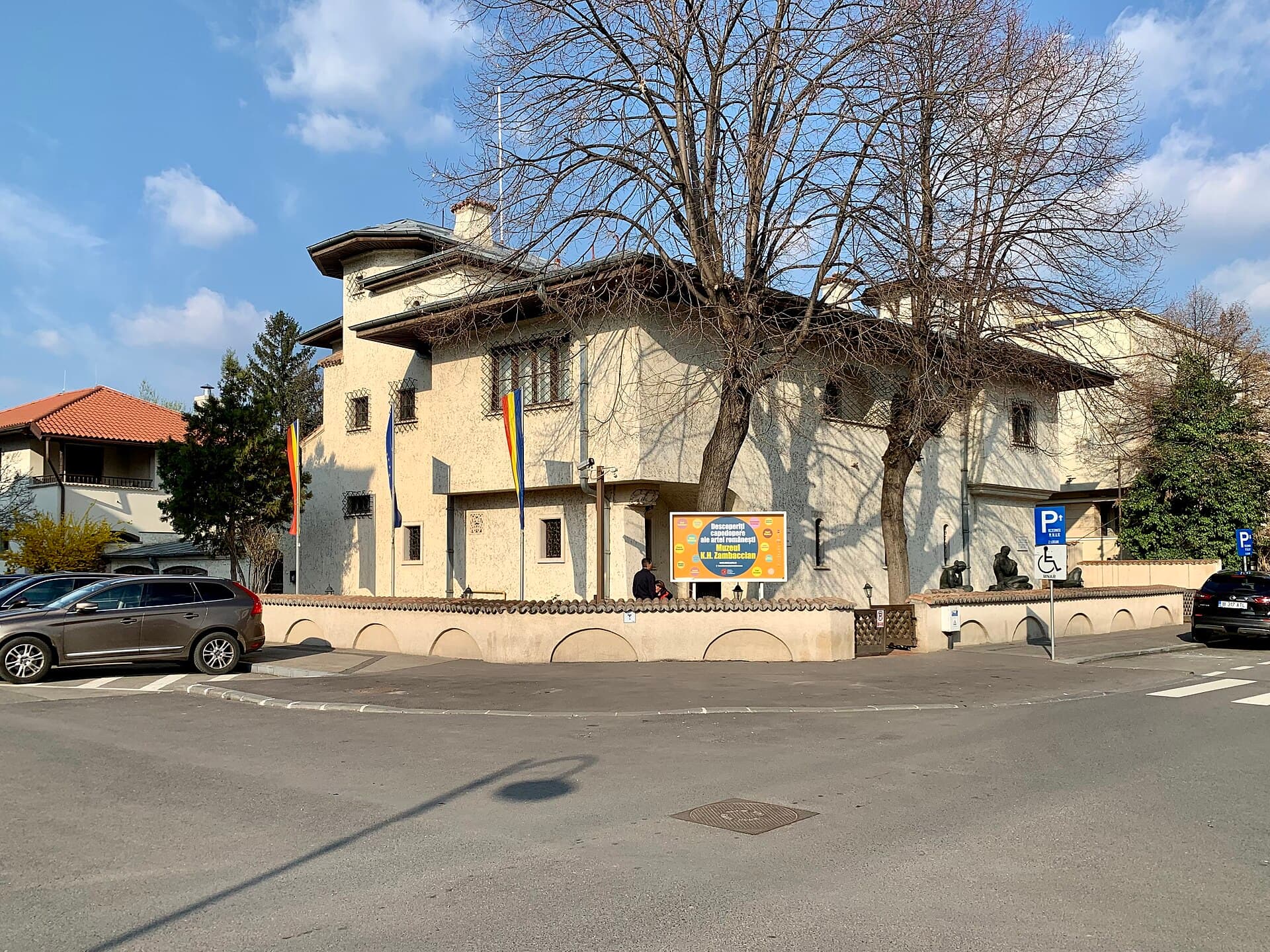 The Zambaccian MuseumThe Zambaccian Museum is the house of an Armenian-Romanian merchant, Krikor Zamb15 minutes walk4.9
In the late nineteenth century its francophone elite built boulevards and palaces in the Parisian manner, and this arch is its clearest witness.