
The Romanian rooms
Grigorescu, Luchian, Tonitza and Pallady.
Neoclassicism Enthusiast — CC BY-SA 4.0 · Goslime — CC BY-SA 4.0 · Goslime — CC BY-SA 4.0 · Goslime — CC BY-SA 4.0
The Zambaccian Museum is the house of an Armenian-Romanian merchant, Krikor Zambaccian, who assembled in it over a lifetime one of the most important private art collections in Romania, and then gave both collection and house to the state in 1947. The value is in the collection itself. The Romanian side is very strong: Nicolae Grigorescu, Ștefan Luchian, Nicolae Tonitza and Theodor Pallady — which is to say nearly the whole of modern Romanian painting. The French side holds works by Cézanne, Renoir, Pissarro, Matisse, Sisley and Delacroix, and a sculpture by Picasso. The display remains as its owner arranged it: paintings hung close together on the walls of ordinary living rooms rather than in gallery halls. That makes the visit unusually close and personal — you stand half a metre from a Cézanne in a dining room. **Small, cheap and rarely crowded**, and among the best things in Bucharest that most visitors never hear of.
Grigorescu, Luchian, Tonitza and Pallady.
Paintings on living-room walls, not gallery halls.
Strada Zambaccian 21A, Bucharest
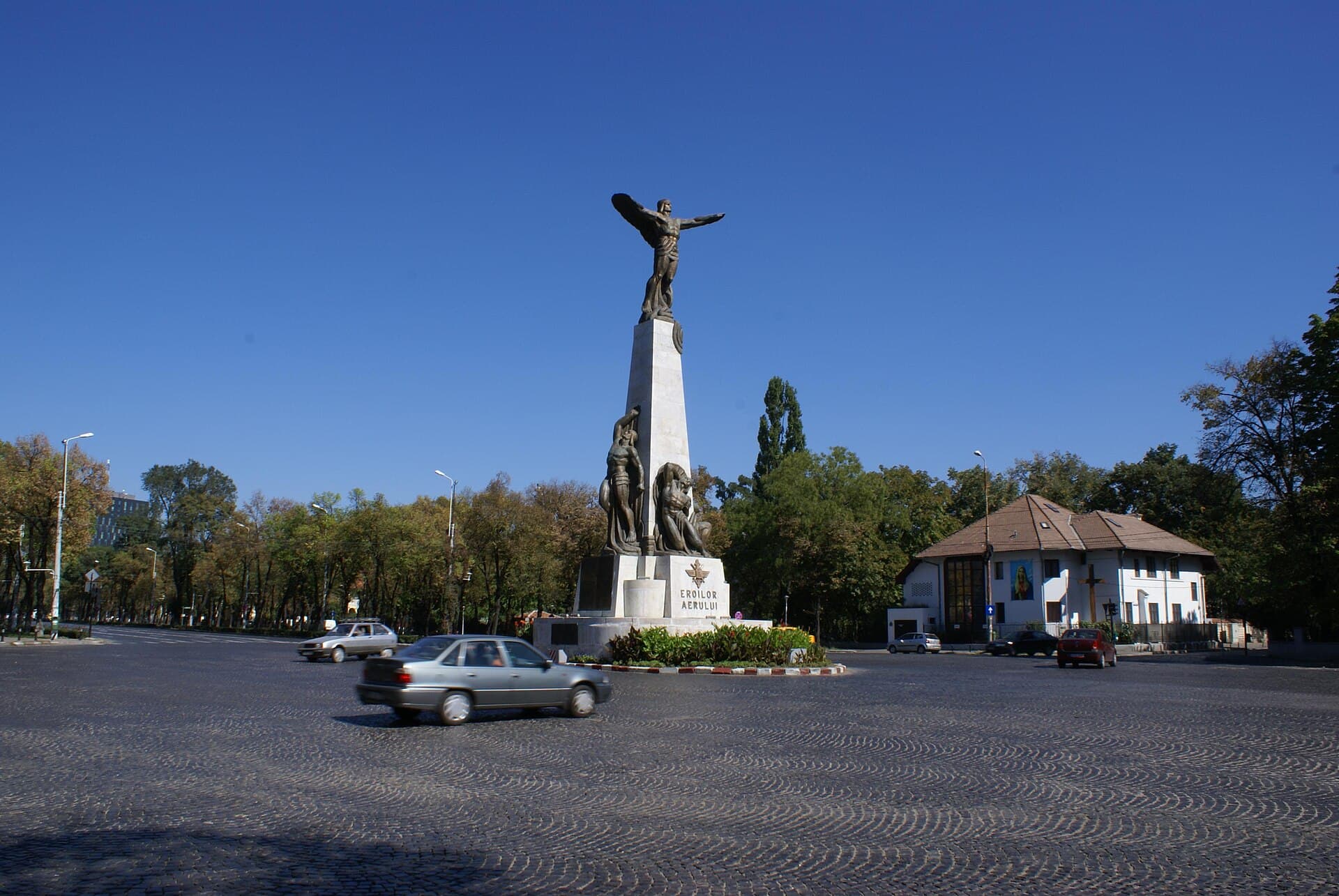 The Monument to the Heroes of the AirThe Monument to the Heroes of the Air stands at the centre of a roundabout on Bu5 minutes walk4.6
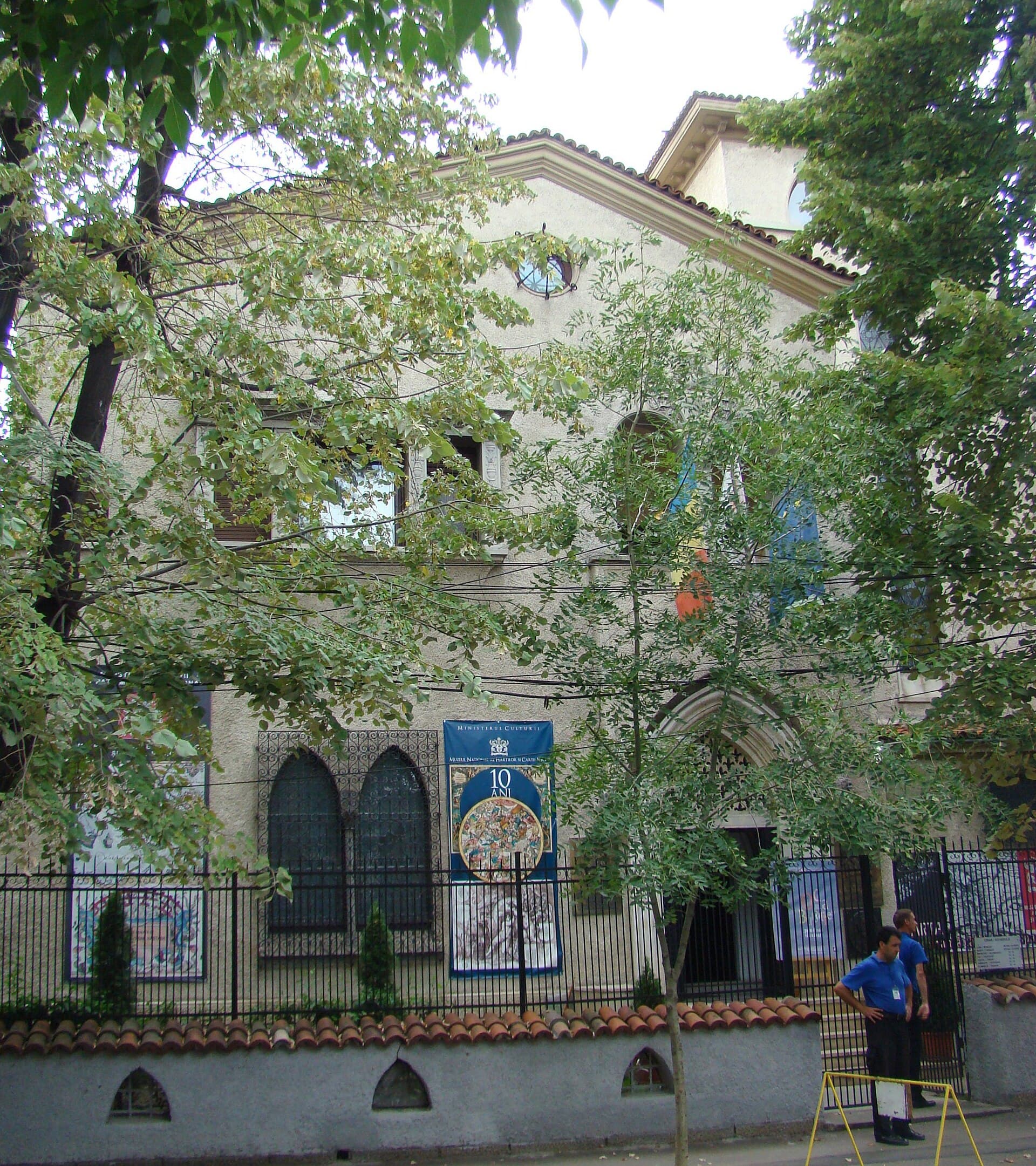 The National Museum of Maps and Old BooksA museum specialising in historical maps and old books, in an early twentieth-ce6 minutes walk4.8
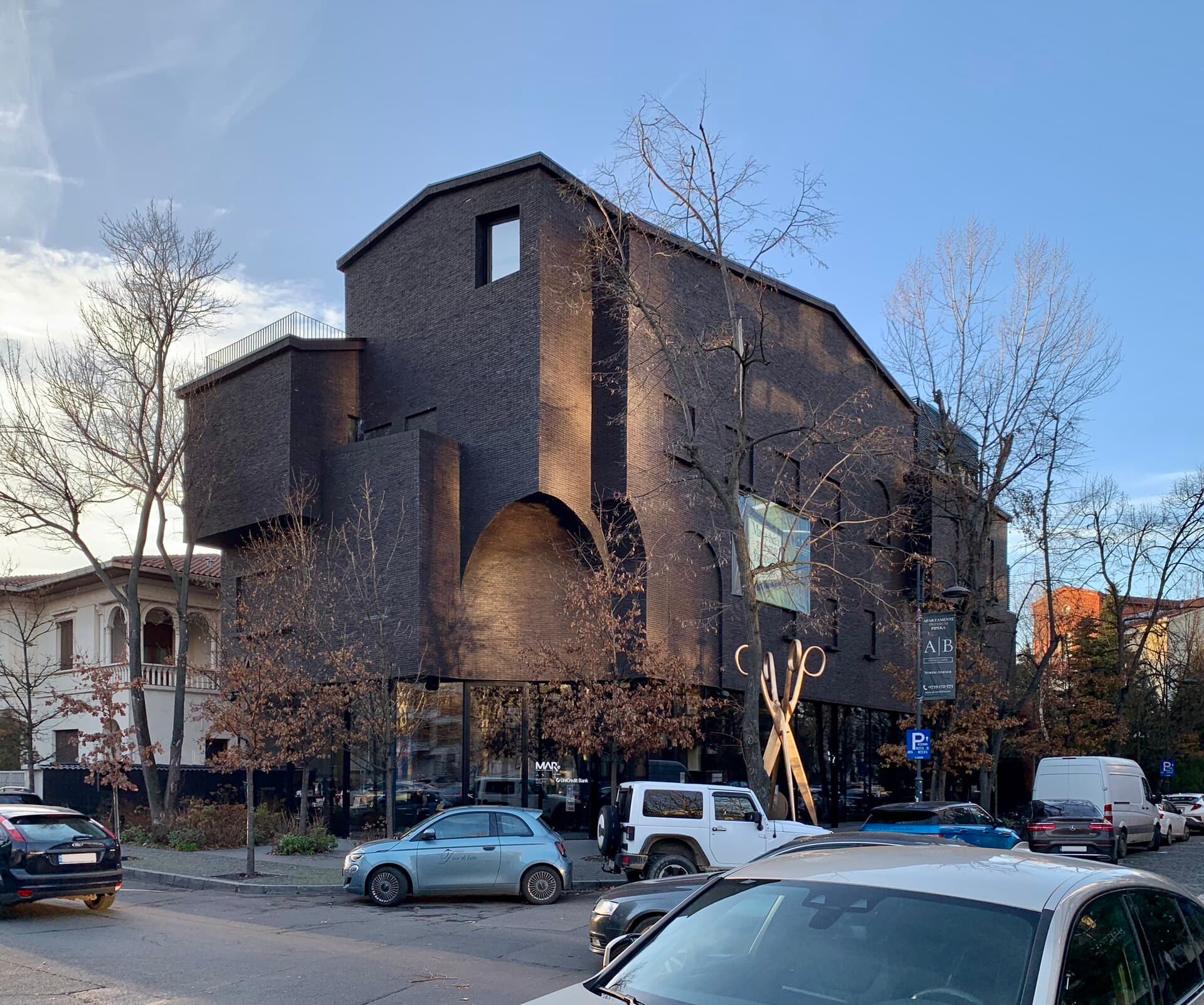 MARe — the Museum of Recent ArtMARe is a private museum opened in 2018 in the quiet Primăverii district north o10 minutes walk4.6
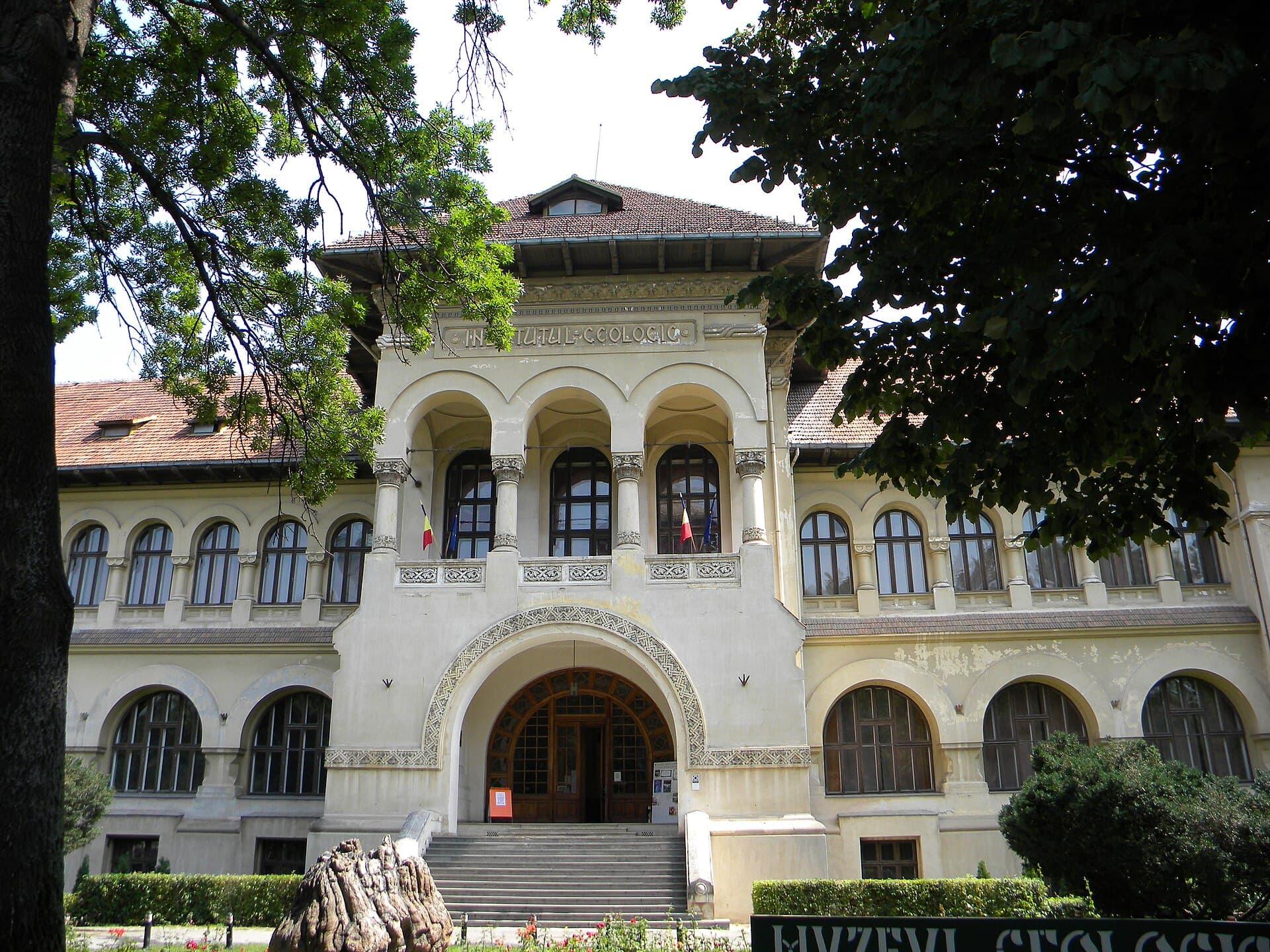 The National Geology MuseumThe National Geology Museum occupies a building of 1906 on Kiseleff avenue, dire10 minutes walk4.3
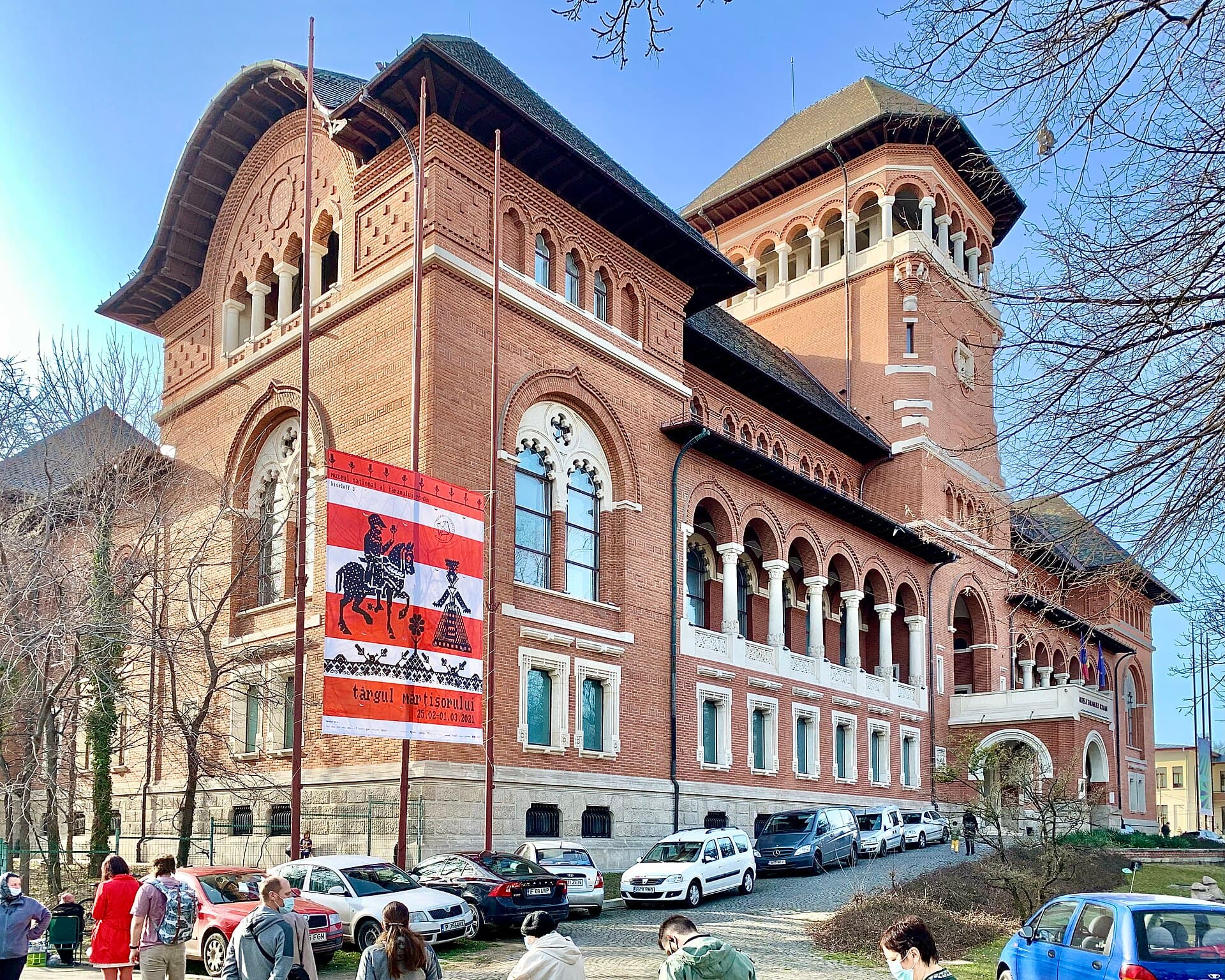 Museum of the Romanian PeasantEuropean Museum of the Year 1996 and the Bucharest museum its own people love mo12 minutes walk4.5
The most important painter in Romanian history and the one most present in its museums. He began painting icons in monasteries, then studied in France and encountered the Barbizon school and the early Impressionists, returning with a light and colour unknown in Romanian painting. His subjects are mainly rural: ox carts, shepherds, peasant women in traditional dress, and landscapes of Moldavia and Wallachia. He also painted the 1877 war of independence directly from the front. His work is in this museum and in the National Museum of Art, and he is the natural way into Romanian painting.