
The Alfred Jewel
A ninth-century gold and enamel piece barely six centimetres long, inscribed with King Alfred's name in Old English, in the England 400-1600 gallery on the second floor.
Lewis Clarke — CC BY-SA 2.0 · Photograph by Mike Peel (www.mikepeel.net). — CC BY-SA 4.0 · Photograph by Mike Peel (www.mikepeel.net). — CC BY-SA 4.0 · Photograph by Mike Peel (www.mikepeel.net). — CC BY-SA 4.0
Seventy years before the British Museum existed, Oxford already had a museum that let the public in for a small charge. That was 1683, and the Ashmolean is still going, Britain's oldest public museum, though it moved into its present columned building on Beaumont Street in 1845 and grew a set of glassy modern floors behind the old facade in 2009 that roughly doubled its display space. From the street it looks like a Greek temple; inside it is a run of bright, easily navigated atriums with lifts to every level, which matters more than it sounds if you are pushing a pram. The collection is startlingly broad for a city of Oxford's size: Egyptian mummies and Predynastic finds, Greek and Roman sculpture, Pre-Raphaelite canvases, and drawings by Raphael and Michelangelo shown in rotation because light damages them. The object many people come for specifically is the Alfred Jewel, a ninth-century piece of gold and enamel barely six centimetres long, inscribed in Old English with words meaning 'Alfred ordered me made'; it sits in the England 400-1600 gallery on the second floor. Down on the lower ground floor, in the Ashmolean Story gallery, are the lantern Guy Fawkes was carrying on the night he was caught, and Powhatan's Mantle, a shell-decorated deerskin that is among the oldest surviving pieces of Native North American material in any museum. For Arab visitors there is one gallery worth starting with: Islamic Middle East on the first floor, a room named for Prince Sultan bin Abdul-Aziz Al Saud, with Ottoman Iznik ceramics, Persian dishes, miniatures and calligraphic metalwork, well lit and rarely crowded. Children usually prefer the Egypt galleries on the ground floor, with their painted coffins and mummies; fine for most kids unless they are easily spooked. No dedicated prayer room is advertised. The rooftop restaurant looks out over Oxford's roofs and works well for a late lunch, with a plainer cafe on the lower ground floor. Entry is free and no booking is needed for a general visit, though the museum may advise reserving a free slot online in peak periods, and requires booking for all groups, including self-guided ones. Only the major temporary exhibitions charge, on timed tickets that are best booked ahead; in autumn 2026 the big one is 'Aphrodite', running from 8 October to 11 April 2027, with adult tickets at 16.80 pounds. Doors open daily 10:00 to 17:00, last entry 16:45, which in the British winter means stepping out into the dark. A practical warning: four Western Art galleries, including the Pre-Raphaelite, Pissarro and Sickert rooms, are shut for maintenance until mid-October 2026, and parts of the Egypt and Islamic Middle East galleries close on scattered days, so check the website if one room is the reason you are coming. The museum is about ten minutes on foot from Oxford railway station and five from Gloucester Green bus station; city-centre parking is scarce and expensive, so drivers should use a Park and Ride on the edge of town.
A ninth-century gold and enamel piece barely six centimetres long, inscribed with King Alfred's name in Old English, in the England 400-1600 gallery on the second floor.
Iznik ceramics, miniatures and calligraphic metalwork in a quiet first-floor room named for Prince Sultan bin Abdul-Aziz.
Painted coffins and mummies on the ground floor, the part children head for first.
Beaumont Street, Oxford OX1 2PH
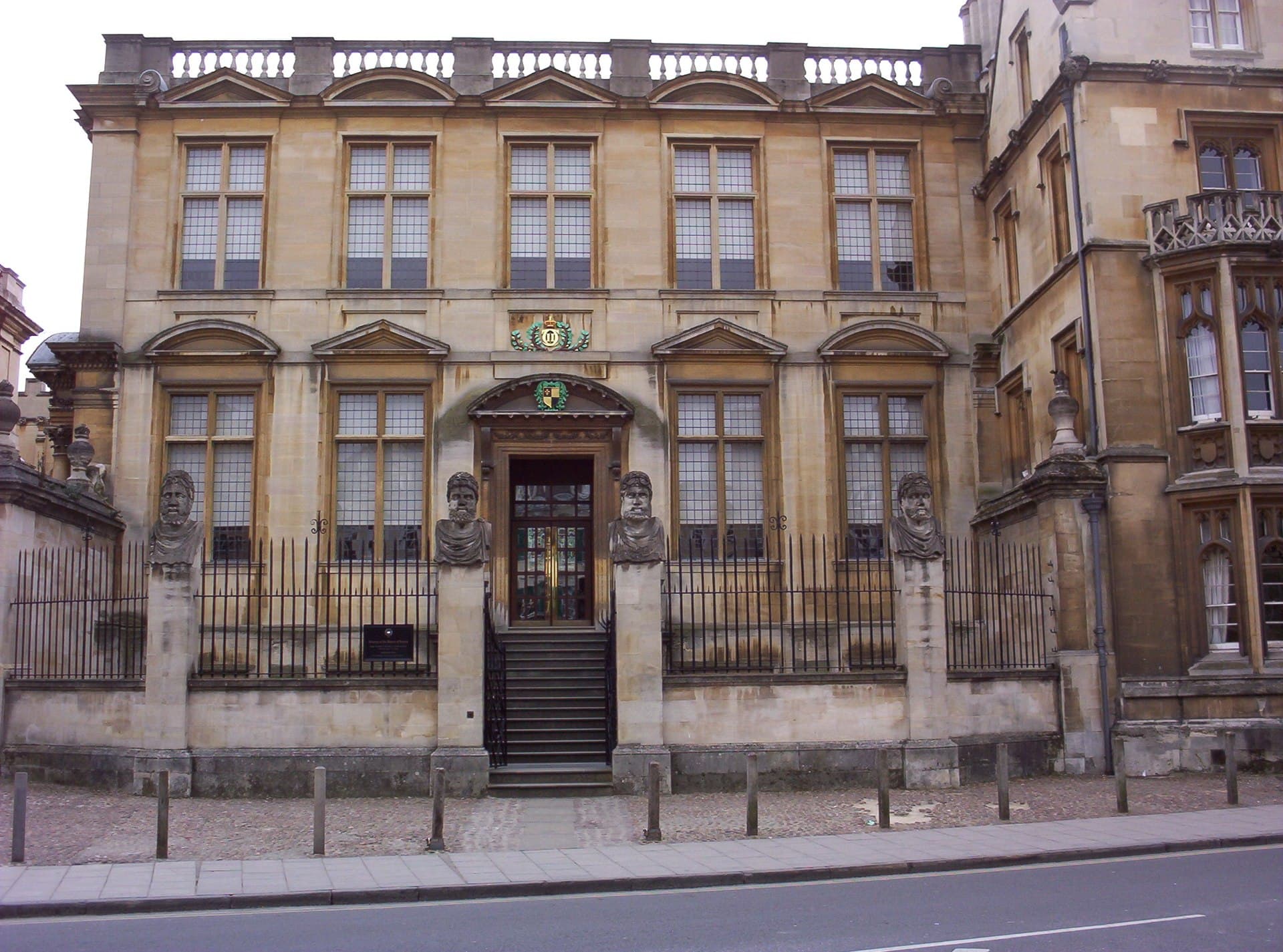 History of Science MuseumIn the entrance gallery, behind glass that gives nothing away from a distance, s5 minutes walk4.3
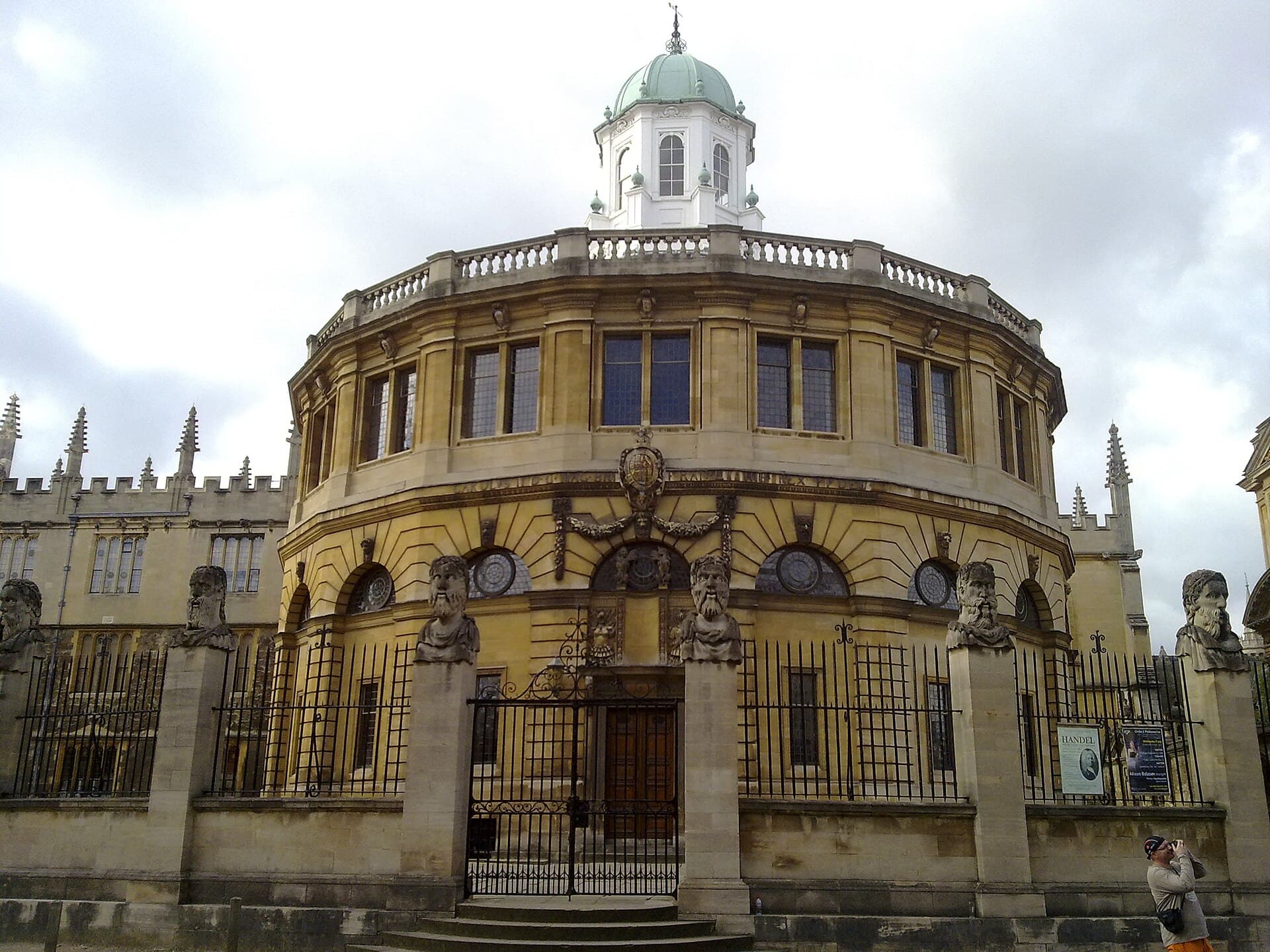 Sheldonian TheatreBefore Christopher Wren built St Paul's, he was an Oxford astronomy professor wi5 minutes walk4.8
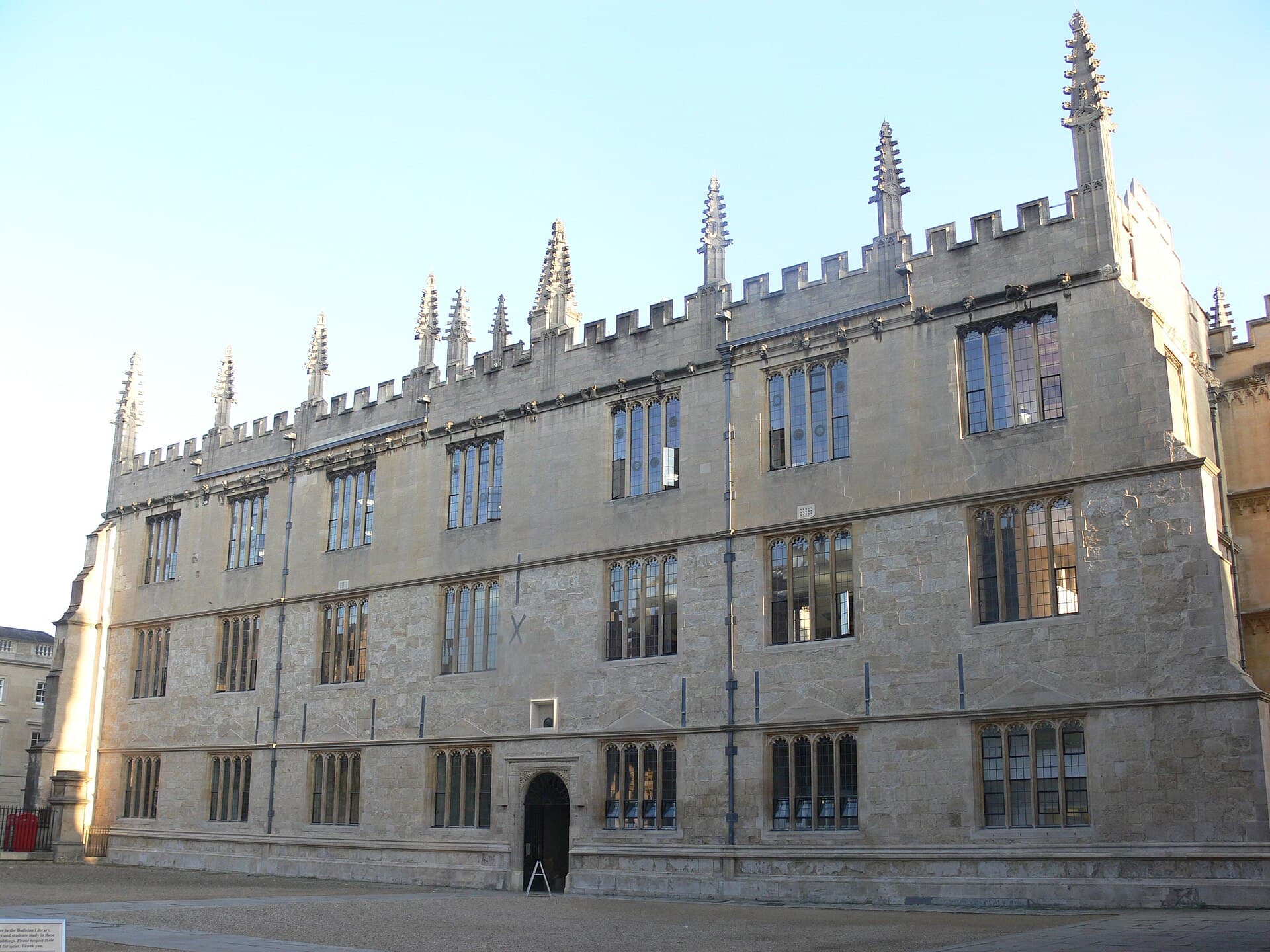 Bodleian LibraryNobody has been allowed to borrow a book from this library since it opened in 165 minutes walk4.5
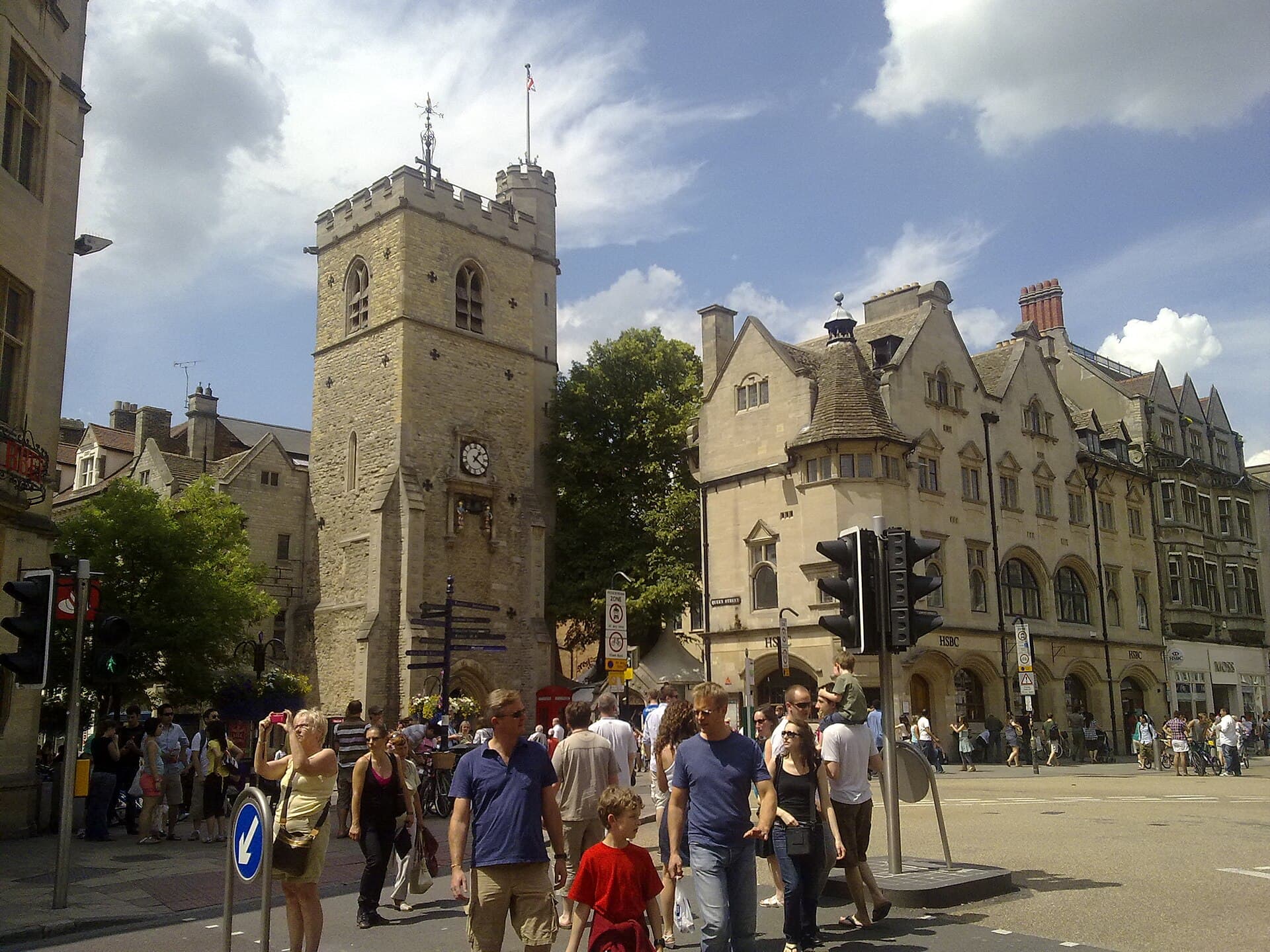 Carfax TowerOxford runs on an odd rule: nothing new in the city centre may rise higher than 5 minutes walk4.5
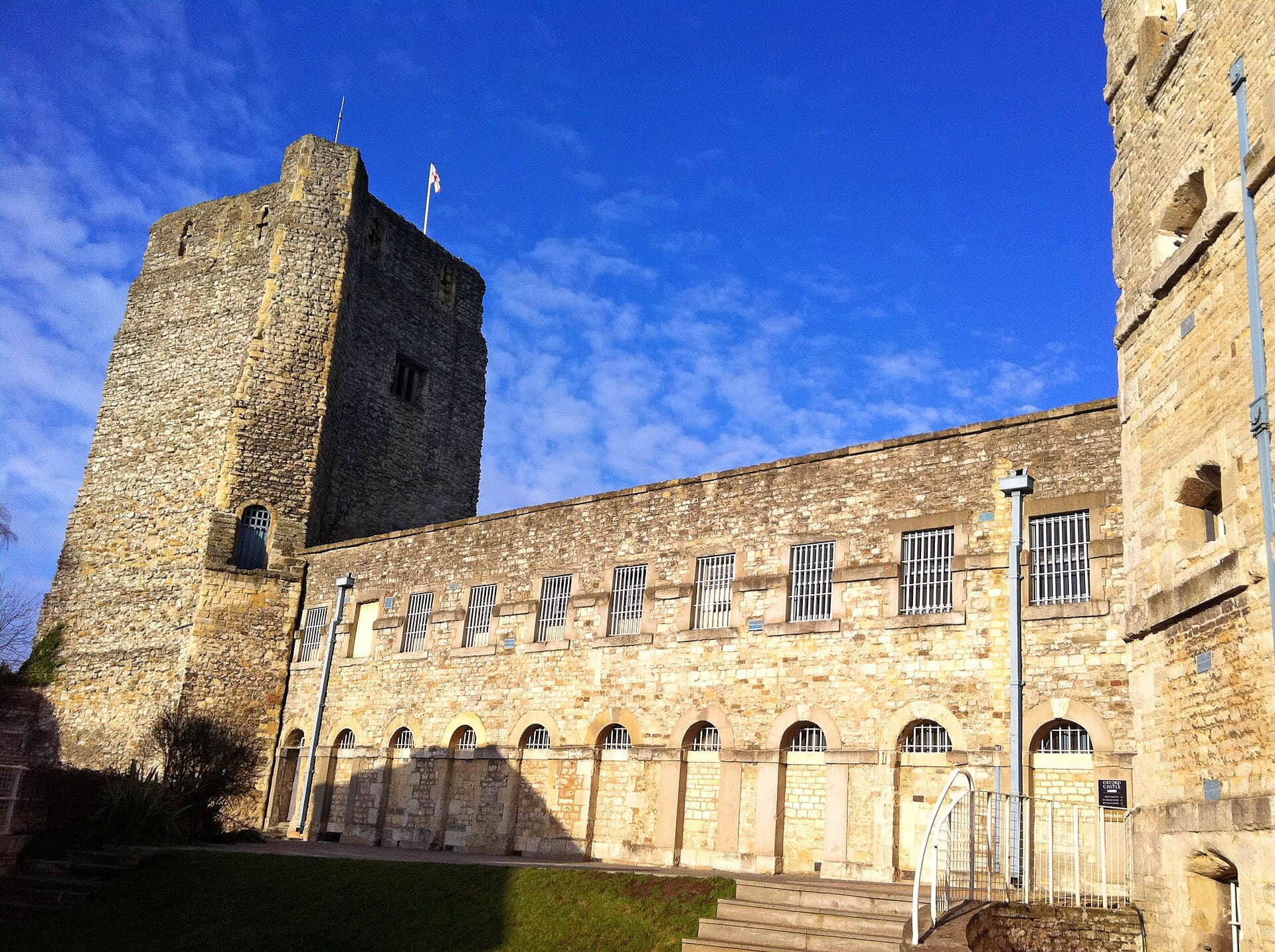 Oxford Castle & PrisonUntil 1996 this was a working prison in the middle of Oxford, a few minutes' wal5 minutes walk4.3
For the museum alone, no; the British Museum in London is bigger and broader. But Oxford itself deserves a full day, and the Ashmolean is free and a few minutes from the colleges and the high street, so it slots easily into a city walk. Pair it with Christ Church and the Bodleian for a full day, bearing in mind the treasures inside, not the building, are the point here.
Ninety minutes covers the key pieces; three hours if you linger. It is comfortable for families: lifts to every floor, toilets and cafes, and prams are welcome. Children enjoy the Egypt galleries and tire quickly of the paintings, so leave those for last.