
A real family home
Still owned by the same family, in its original arrangement.
Chongkian — CC BY-SA 4.0 · P. Hughes — CC BY 4.0 · P. Hughes — CC BY 4.0 · Azuladnan — CC BY-SA 4.0
Three adjoining houses behind one ornate facade, turned into a museum of the life of a wealthy Baba-Nyonya family, the Chinese community settled in Malacca for centuries whose customs blended with Malay ones in dress, food and architecture. The house still belongs to the same family, which gives it a warmth government museums lack. Inside are mother-of-pearl furniture, carved staircases, painted porcelain and beaded embroidered costume, all in rooms kept in their original arrangement. The narrow street front hides a surprising depth, as the house runs far back through inner courtyards. Adults pay around RM 18, and the museum is closed on Tuesdays, opening on other weekdays from ten to a quarter past four, and until a quarter to five at weekends. Photography is restricted inside, and it is worth knowing that the museum charges an extra RM 100 to anyone who turns up in fancy dress for photos. It stands on the street of old merchants' mansions near Jonker Street, so it fits into a walk around the old town.
Still owned by the same family, in its original arrangement.
Mother-of-pearl woodwork and carved stairs.
A narrow front hiding a long house of inner courtyards.
48-50 Jalan Tun Tan Cheng Lock, Malacca
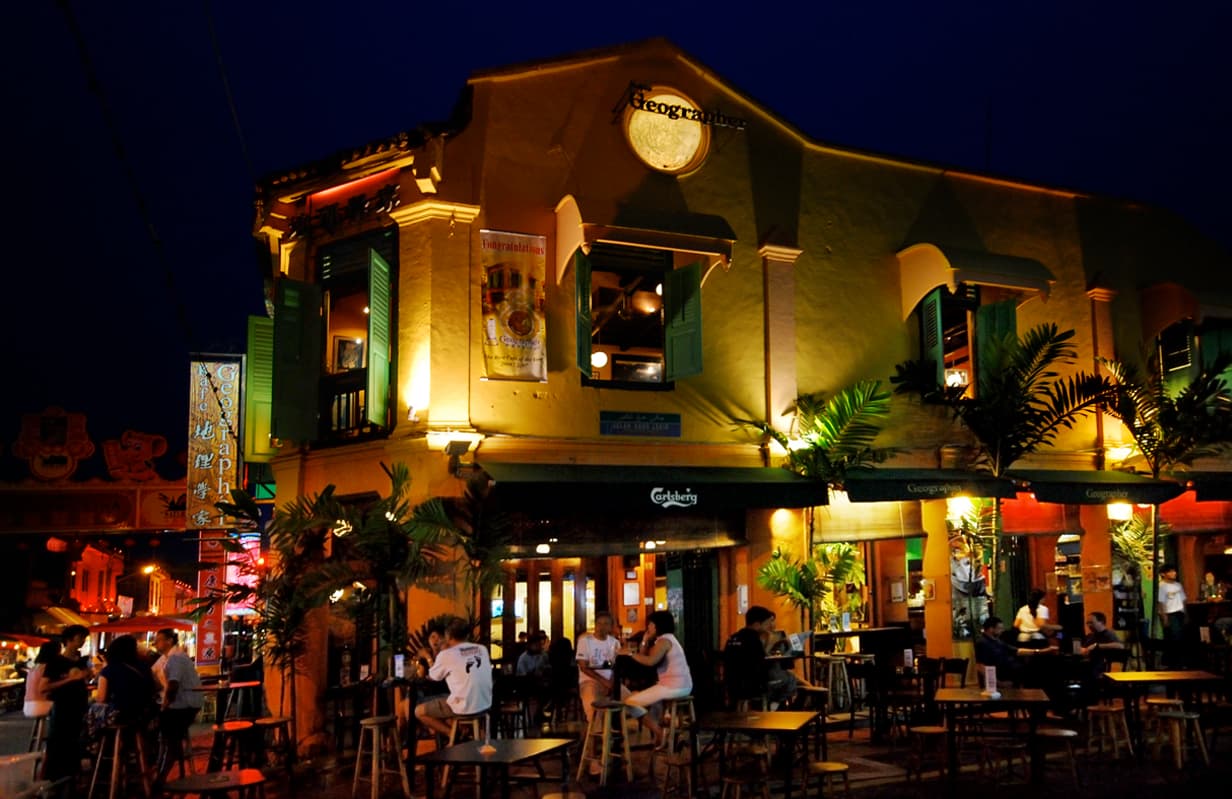 Jonker Street Night MarketEvery Friday, Saturday and Sunday evening Jonker Street closes to cars and turns2 minutes walk4.4
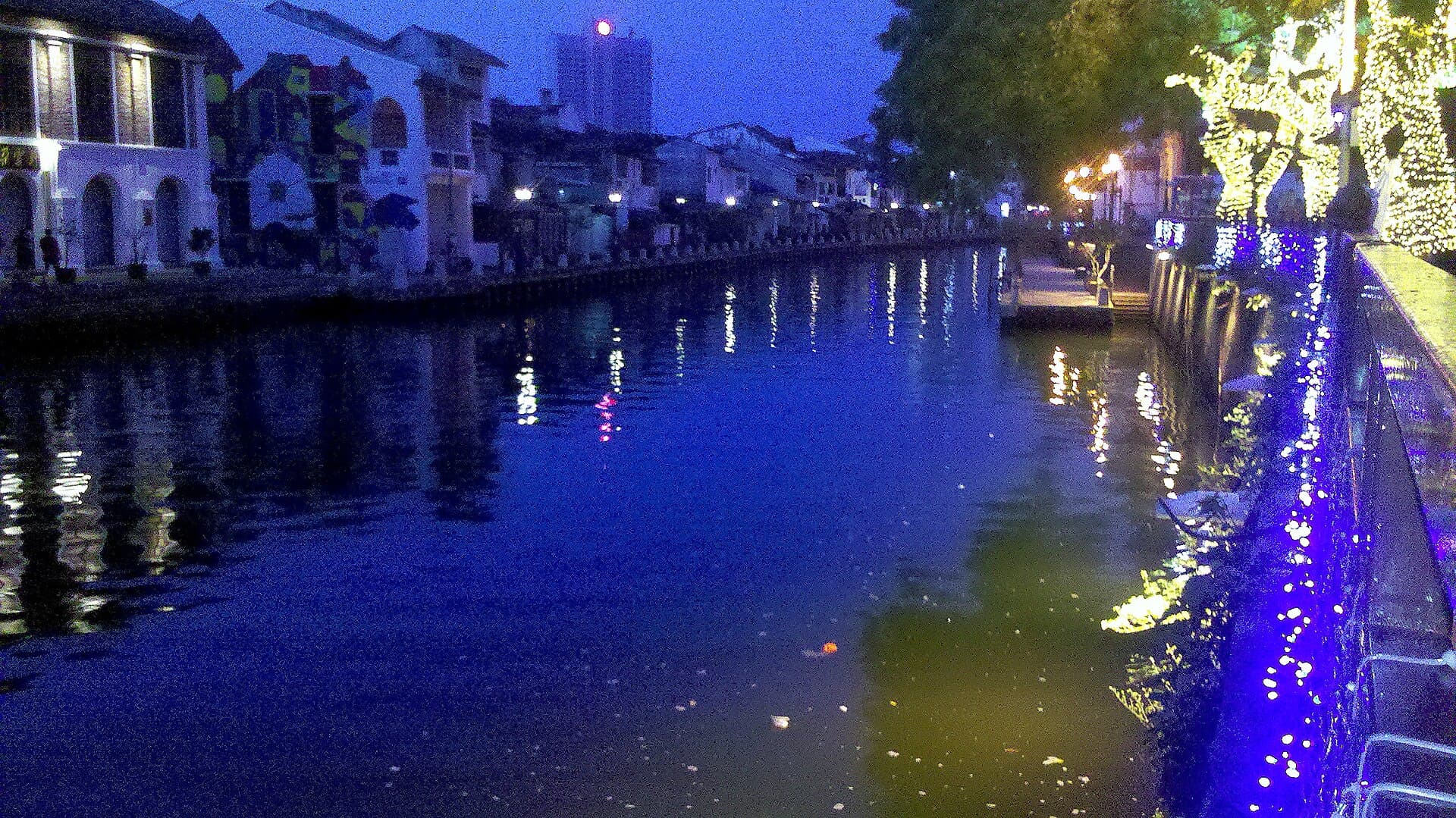 Melaka River CruiseA boat ride of about forty-five minutes on the river Malacca grew up around, pas3 minutes walk4.2
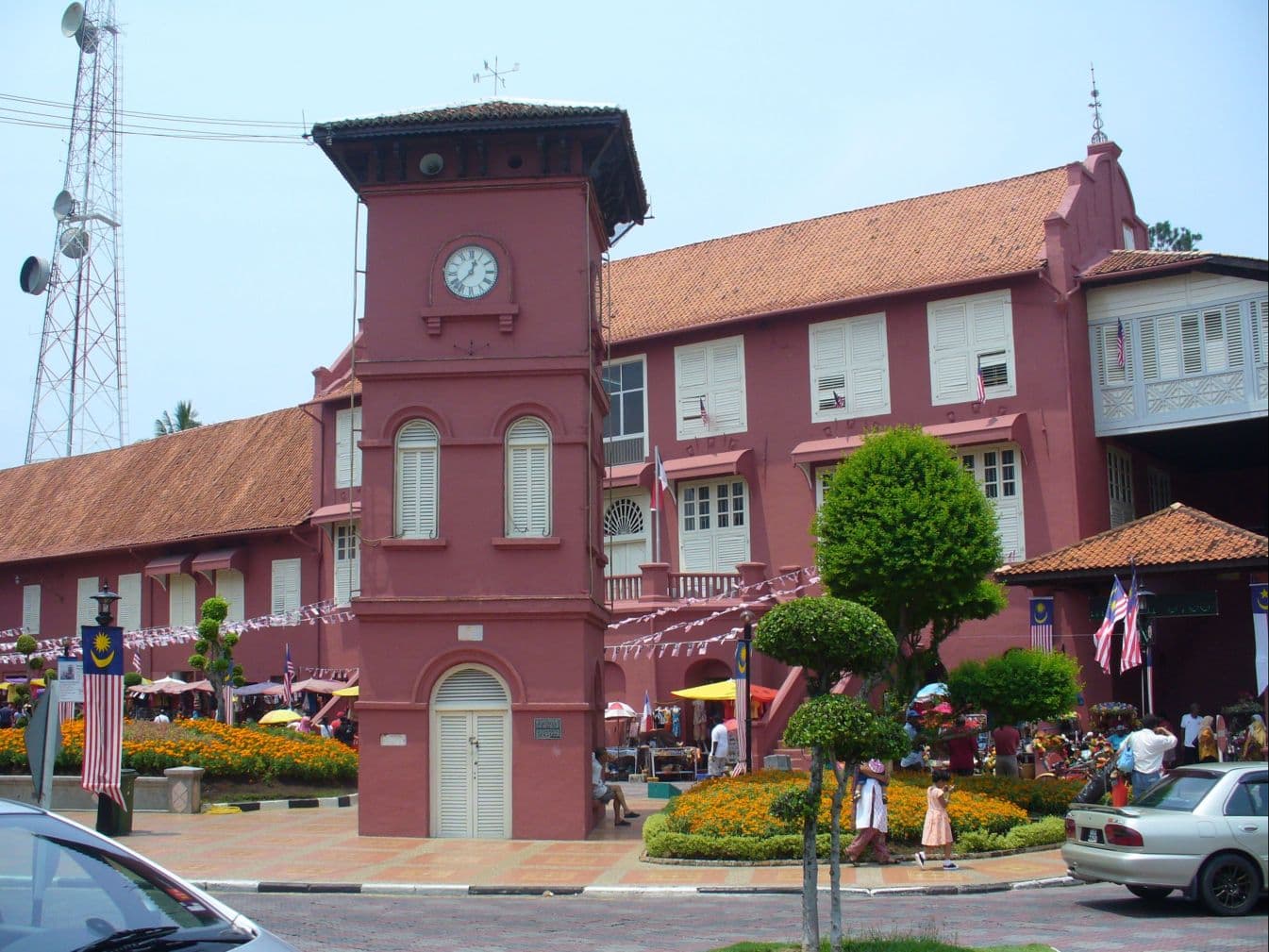 Stadthuys and Dutch SquareEverything around you is red: the Stadthuys, completed by the Dutch around 1650 4 minutes walk4.5
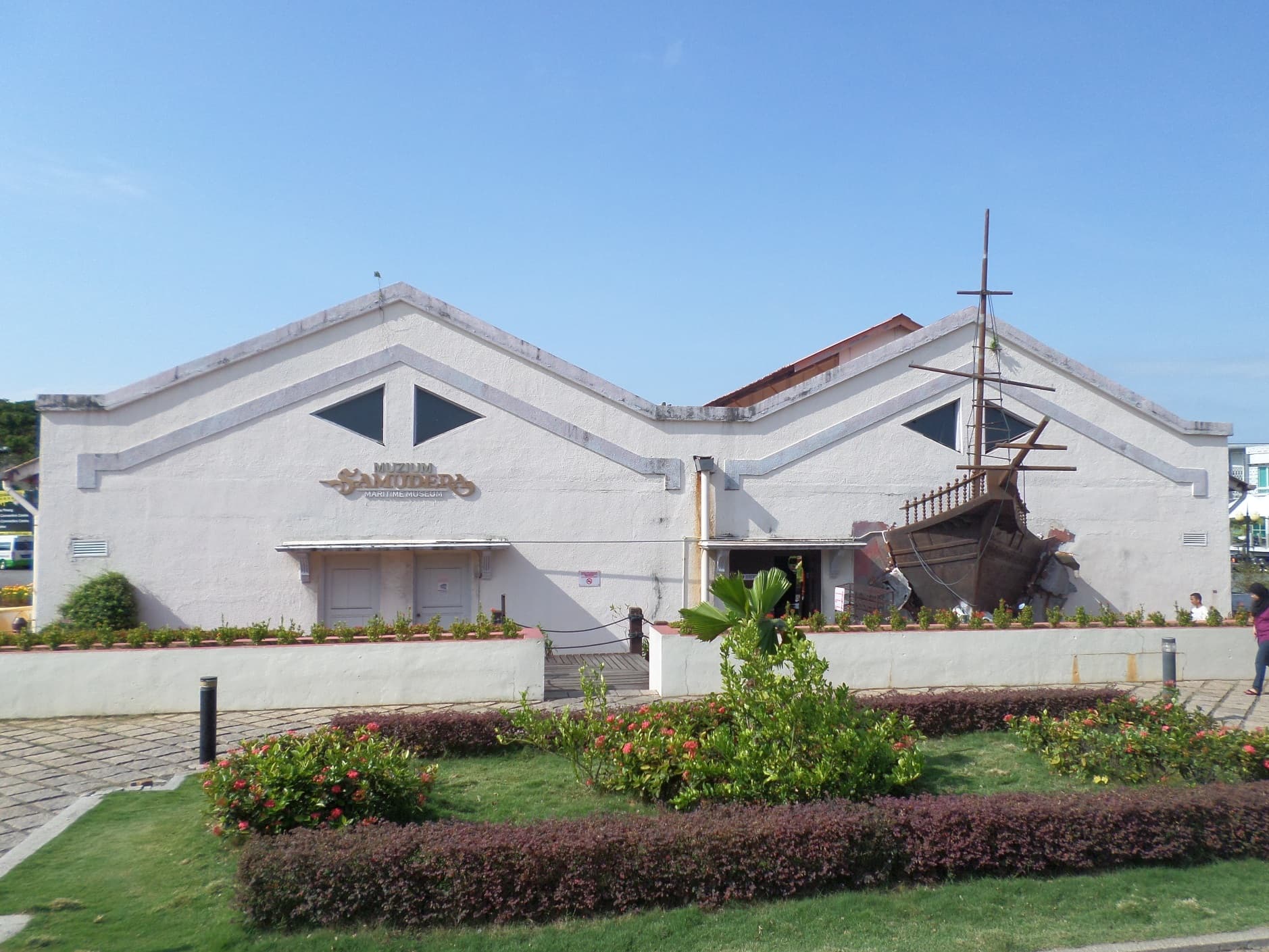 Maritime Museum (Flor de la Mar)A huge sailing ship moored on the riverbank, a full-size replica of the Flor de 5 minutes walk4.3
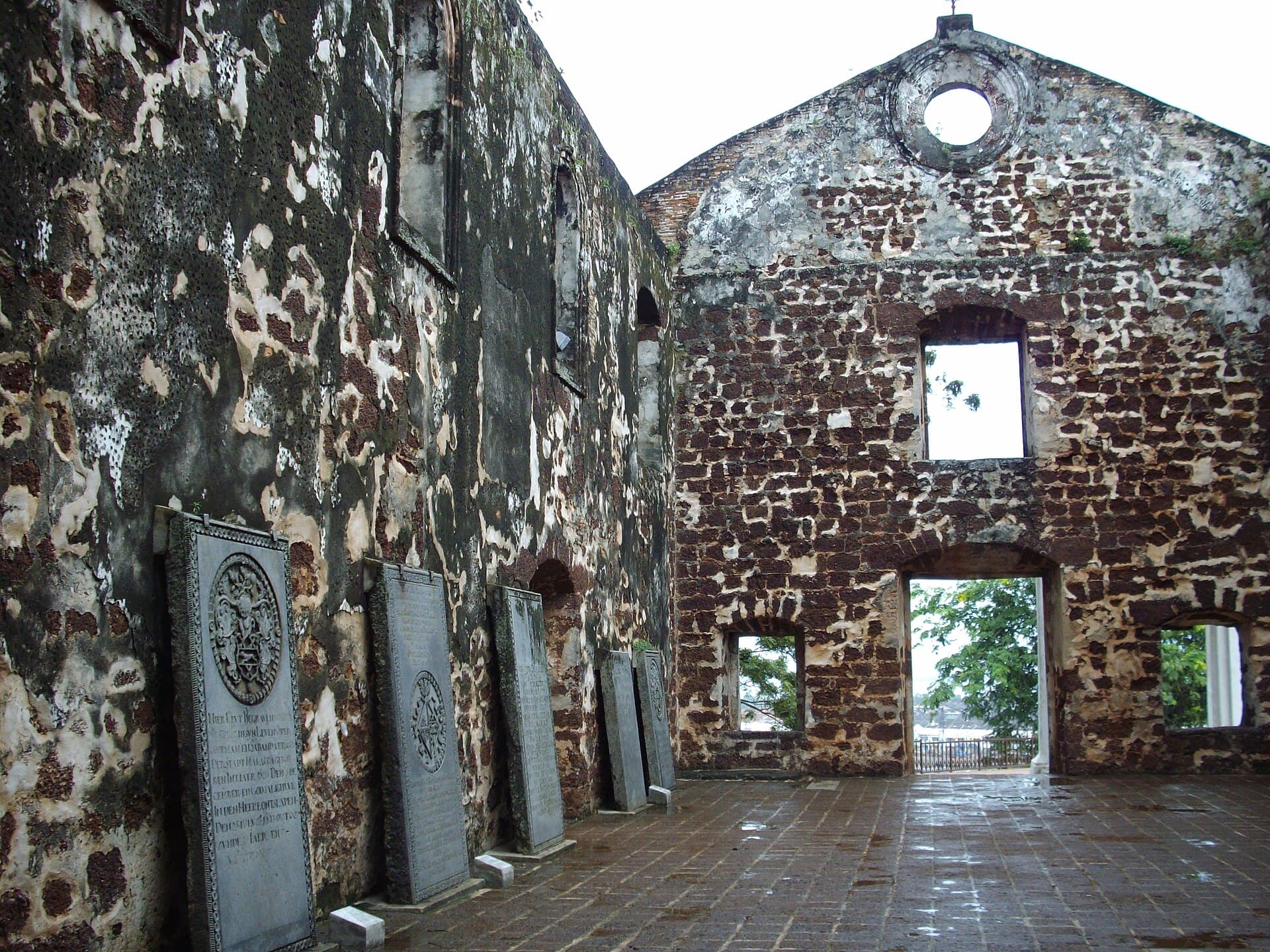 St Paul's ChurchThe roofless ruin of a church on top of the hill overlooking old Malacca and the5 minutes walk4.5
Penang's mansion is bigger and richer in objects; this one is smaller and more intimate because it is still the family's house. If you are only in Malacca, this is your window onto the same culture.