
Since 1645
Malaysia's oldest working Chinese temple.
CC BY 2.0 · Marcin Konsek — CC BY-SA 4.0 · Marcin Konsek — CC BY-SA 4.0 · Marcin Konsek — CC BY-SA 4.0
The oldest functioning Chinese temple in Malaysia, founded by the leader of Malacca's Chinese community in 1645 under the Dutch, with further buildings added in 1673 using materials brought from China. It unites the three Chinese teachings of Buddhism, Confucianism and Taoism, and for centuries was the heart of religious and social life for Malacca's Chinese. It stands out for its southern Chinese architecture: curved roofs decorated with coloured porcelain figures and dragons, carved and lacquered wooden columns and doors, and quiet inner halls. It received a UNESCO heritage conservation award after its restoration and is one of the finest buildings in the UNESCO-listed old town. Entry is free; it is a place of worship, so keep quiet, dress modestly and do not photograph worshippers. It stands on Harmony Street beside the Kampung Kling Mosque and an old Hindu temple. The visit is short, a quarter to half an hour, best combined with a walk along Harmony Street, where one street holds a mosque and two temples, a living picture of Malacca's many-layered history.
Malaysia's oldest working Chinese temple.
Coloured porcelain and dragons on curved roofs.
For heritage conservation after restoration.
Jalan Tokong (Temple Street), Malacca old town
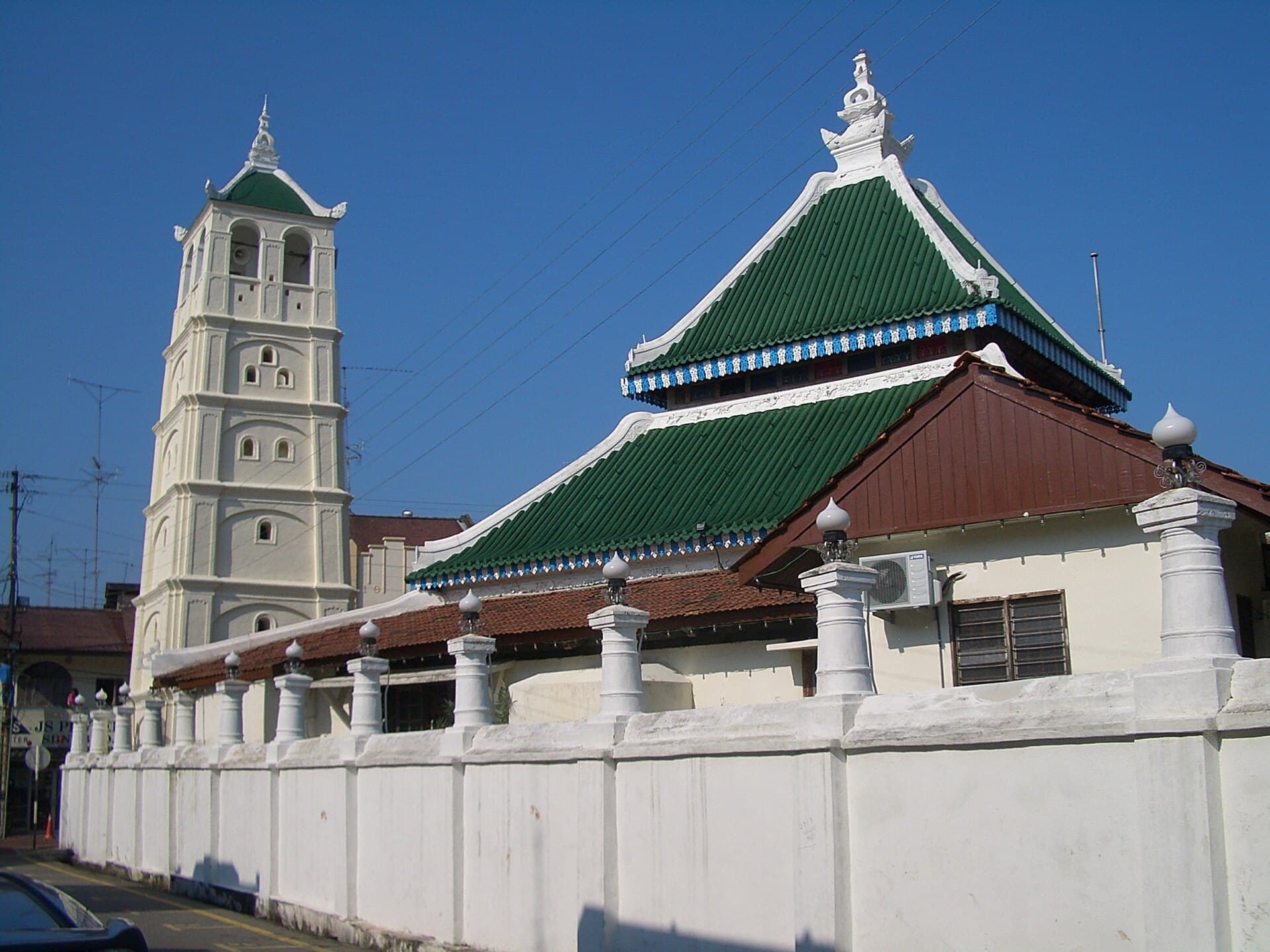 Kampung Kling MosqueOne of the oldest mosques on the Malay Peninsula, founded by Indian Muslim trade1 minute walk
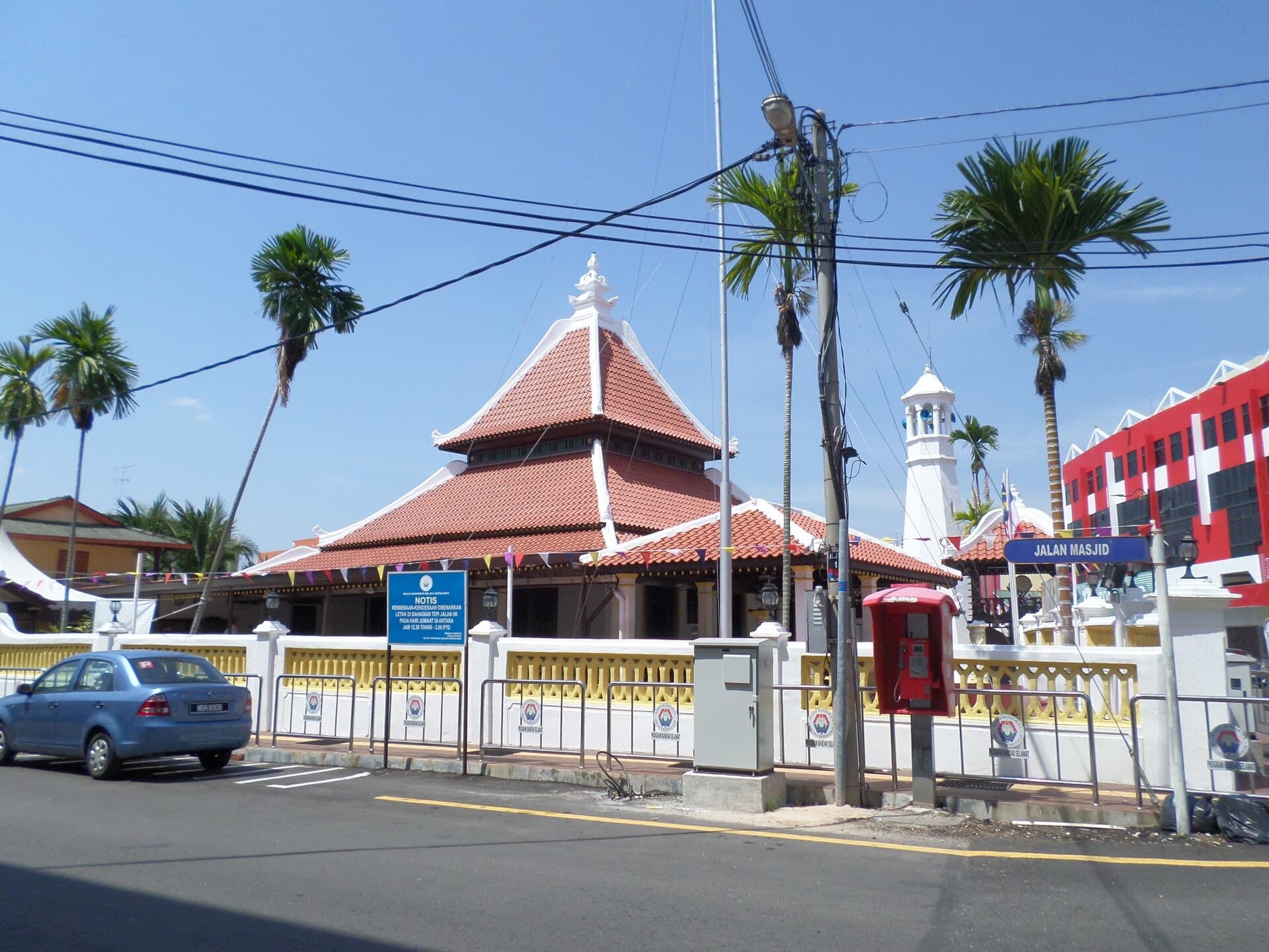 Kampung Hulu Mosque, Malacca's OldestMalacca's oldest mosque and one of the oldest in all Malaysia, built around 17203 minutes walk
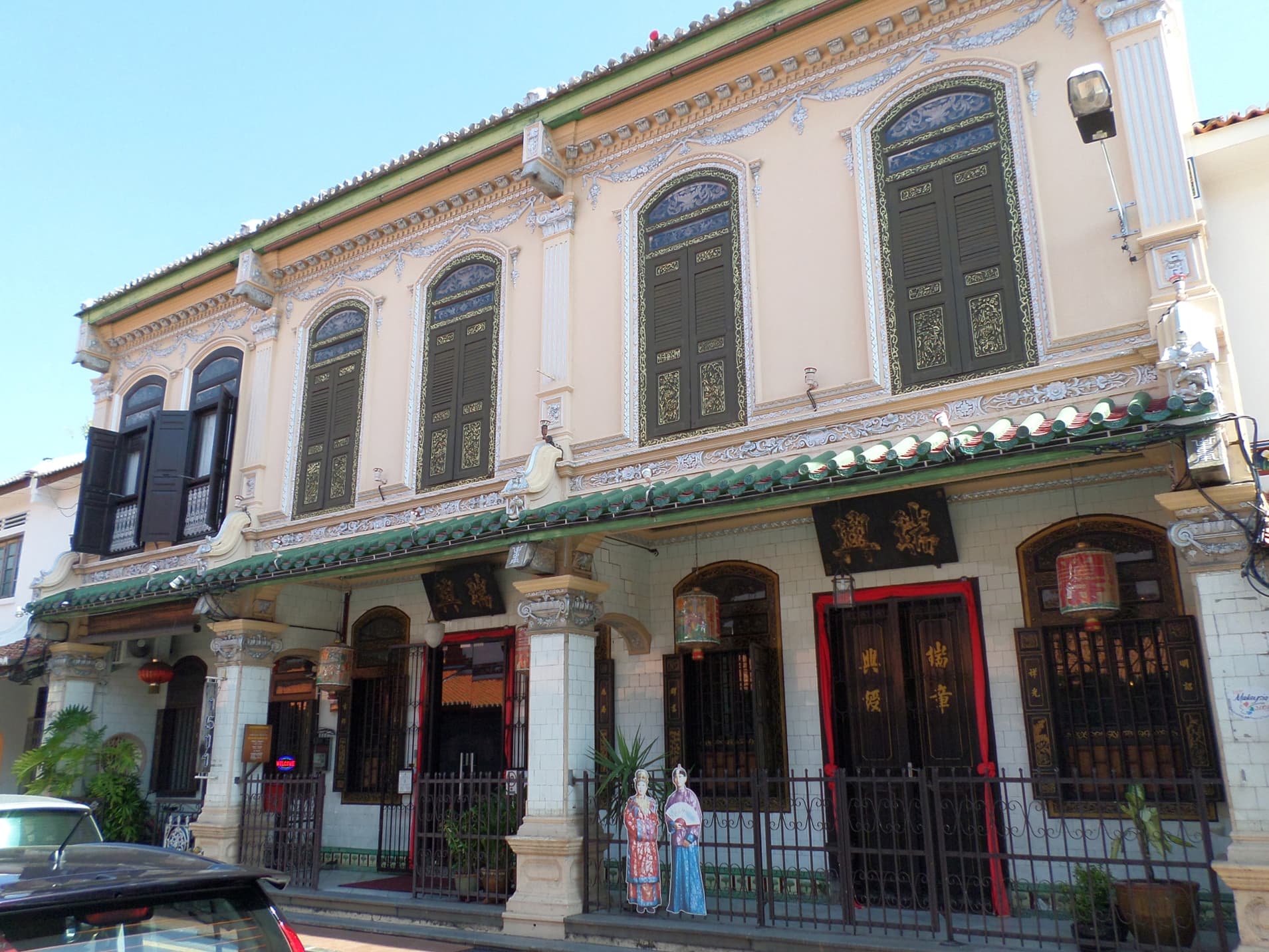 Baba & Nyonya Heritage MuseumThree adjoining houses behind one ornate facade, turned into a museum of the lif3 minutes walk4.5
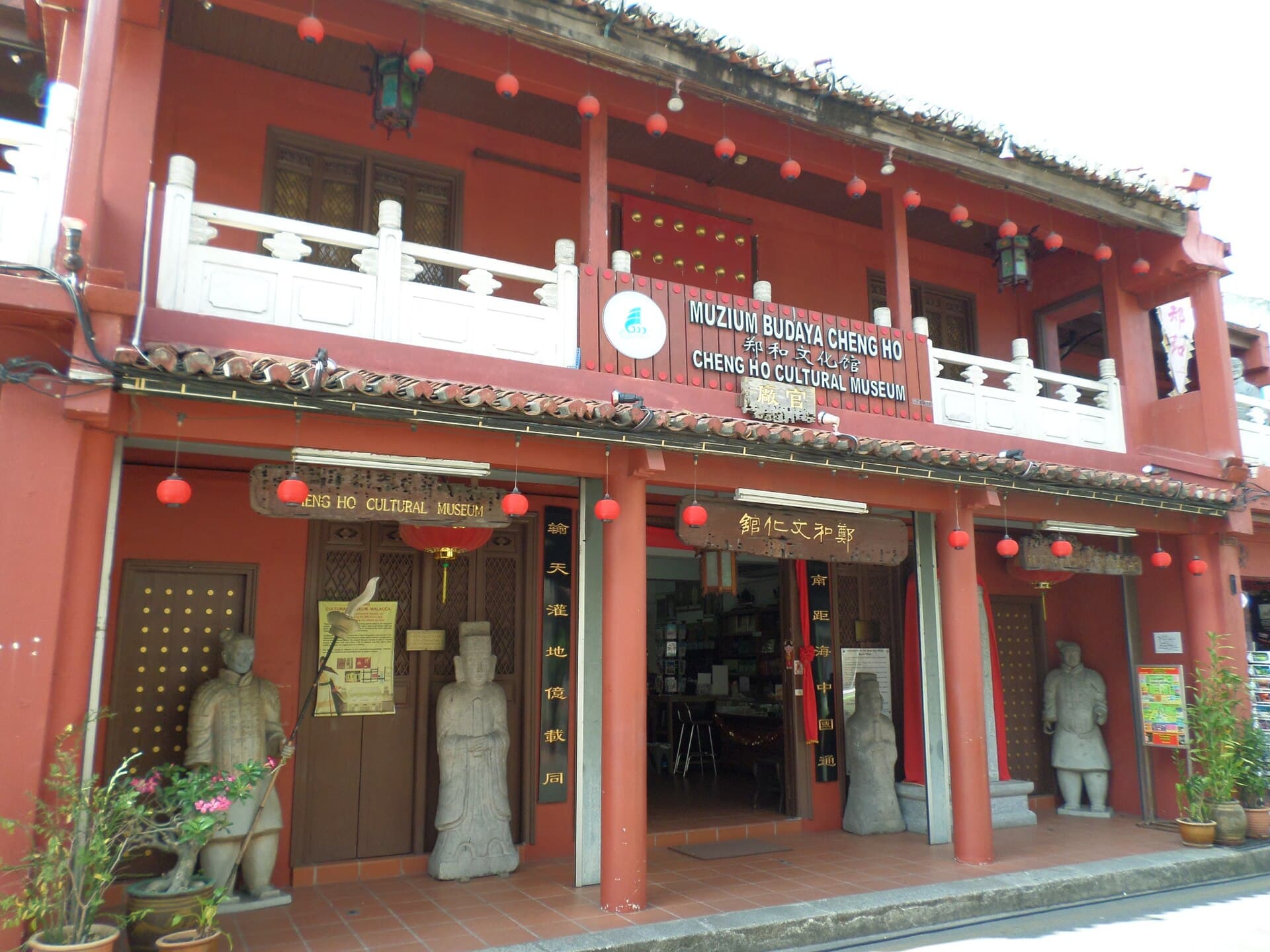 Cheng Ho Cultural MuseumA museum about the life of Admiral Zheng He, the Ming dynasty's Muslim naval com4 minutes walk
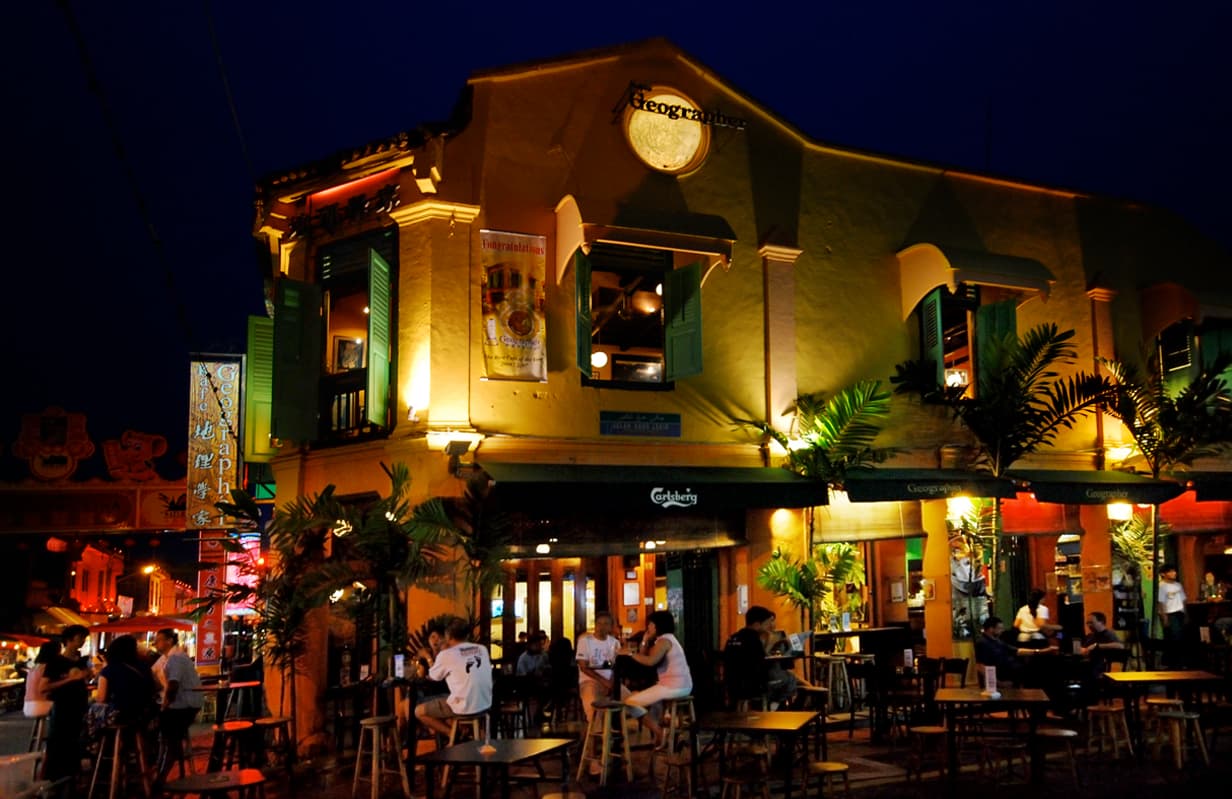 Jonker Street Night MarketEvery Friday, Saturday and Sunday evening Jonker Street closes to cars and turns4 minutes walk4.4
As part of a Harmony Street walk, yes: it is a historic landmark that explains Malacca's diversity. The visit is short, photographs from outside are fine, and respect for the place is expected.