
The minaret
Slender and tall.
Missty011 — CC BY-SA 3.0 · Fred Romero from Paris, France — CC BY 2.0 · Jakobitanprofil — CC BY-SA 4.0 · Mickey Mystique — CC BY-SA 3.0 · Mickey Mystique — CC BY-SA 3.0 · NMedjedov — CC BY-SA 3.0 · Bascarevic — CC BY-SA 4.0
The only mosque left in Belgrade out of the 273 the city had in Ottoman times. Built around 1575, it now stands half-hidden among apartment blocks on Gospodar Jevremova Street in the old Dorćol quarter, and it is the main Islamic centre of the capital. Its name comes from the Turkish word bayrak, a flag: the timekeeper here calculated prayer times and raised a flag on the minaret to signal the start of prayer at the same moment in the city's other mosques. The building is a simple, square stone hall under a dome with a slender minaret. It has been through many upheavals over the centuries, and in 1946 it was placed under state protection for its age, rarity and preserved original purpose. Visits are free outside prayer times, in modest dress covering arms and legs, with a headscarf for women and shoes off at the door. It is a few minutes' walk from Knez Mihailova Street and Belgrade Fortress.
Slender and tall.
And prayer times.
The old quarter.
Gospodar Jevremova Street, Dorćol, Belgrade
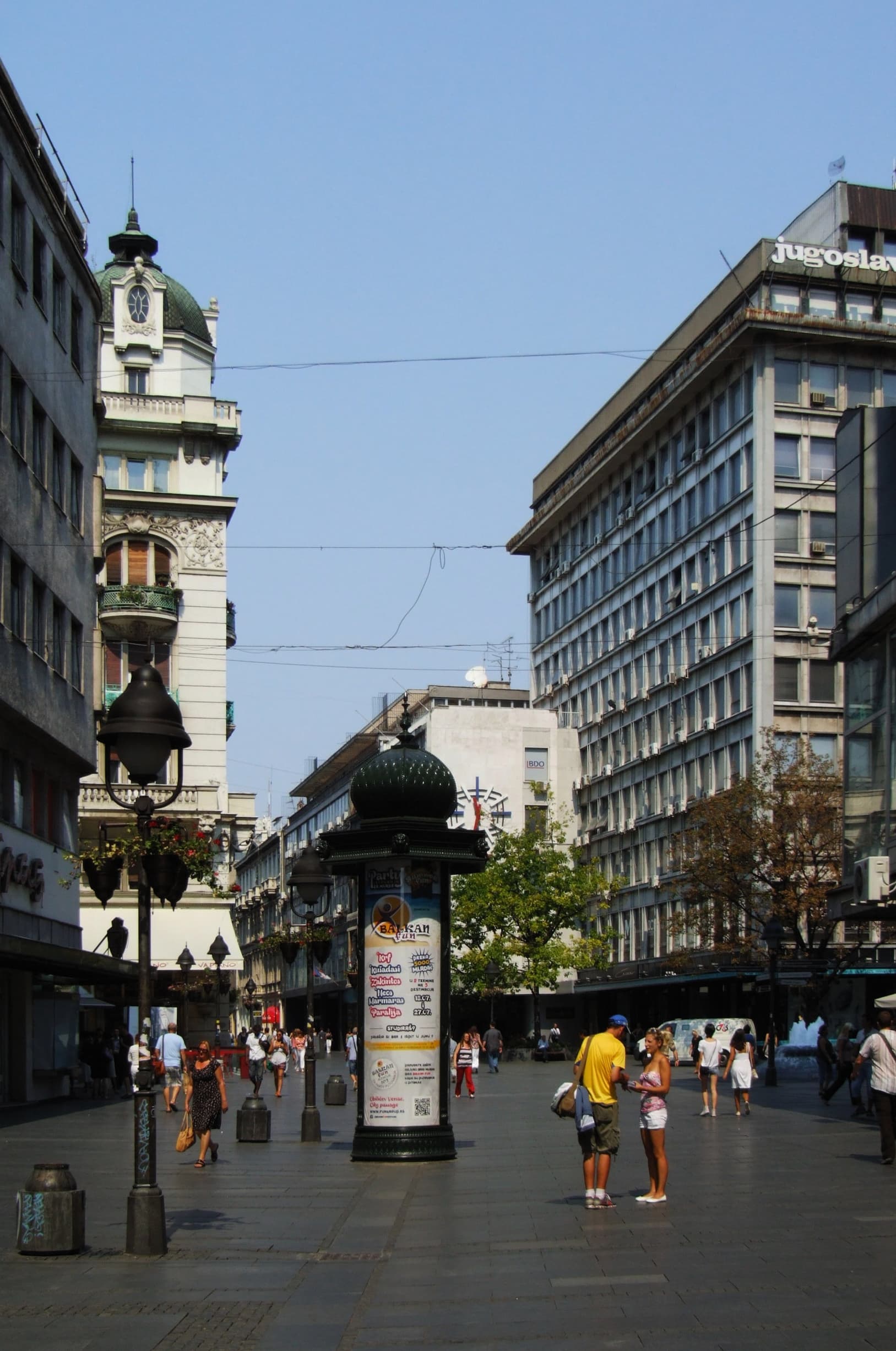 Knez Mihailova StreetBelgrade's main pedestrian and shopping street, running about a kilometre from R6 minutes walk4.9
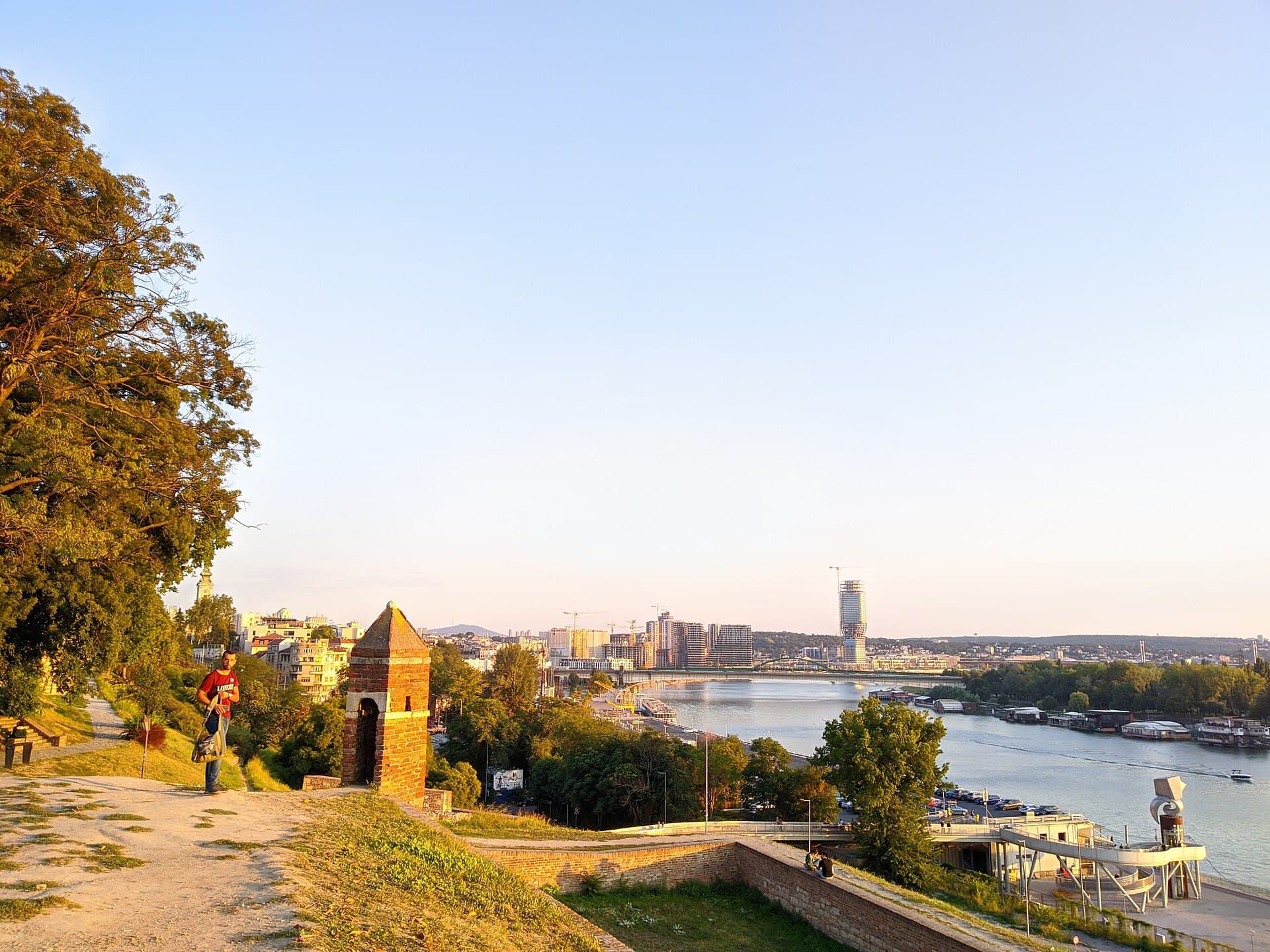 Belgrade Fortress and Kalemegdan ParkThe historic heart of Belgrade, a vast fortress on the end of a 125.5-metre ridg8 minutes walk4.9
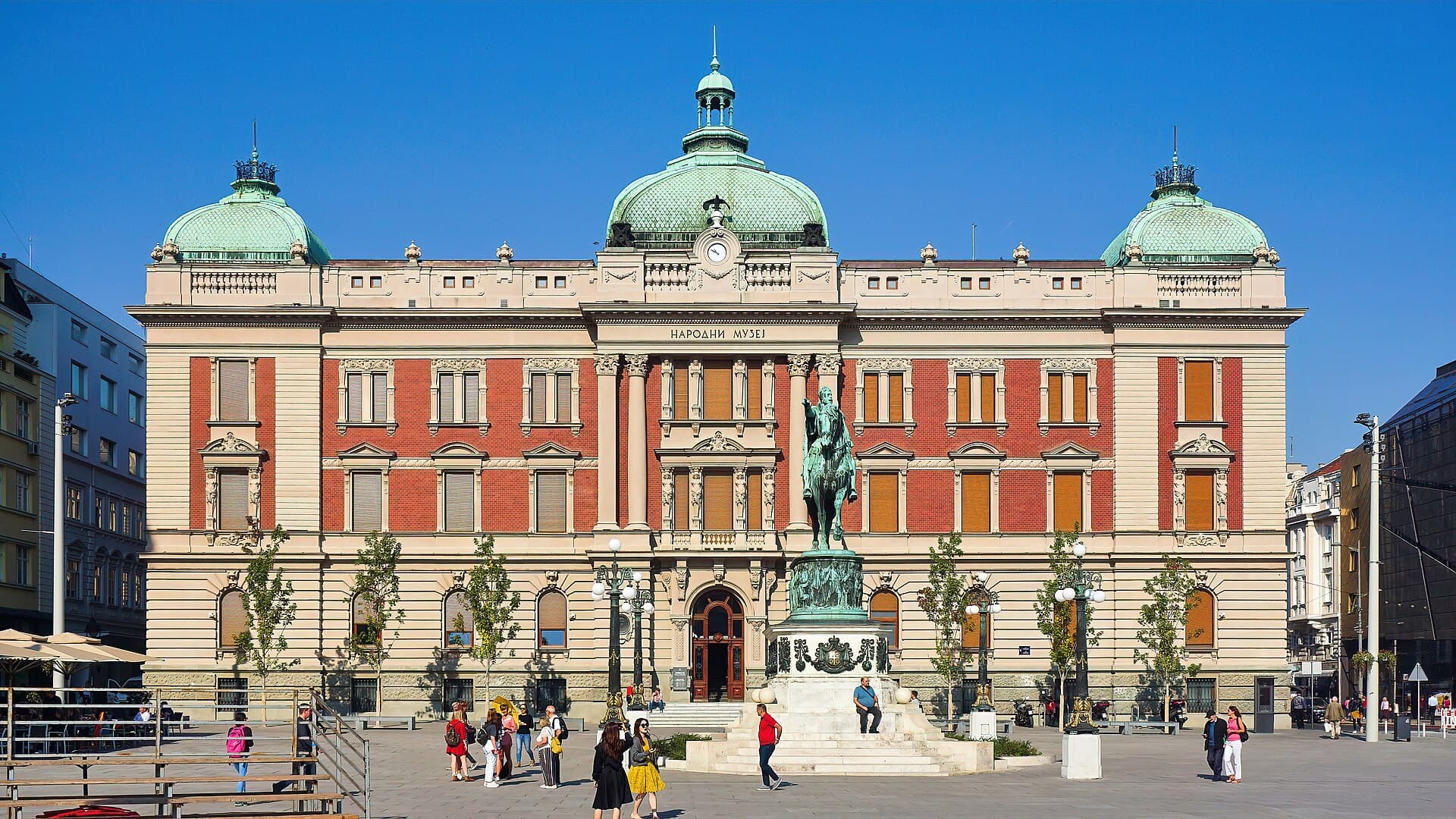 National Museum of SerbiaBelgrade's largest and oldest museum, founded on 10 May 1844, in a grand buildin8 minutes walk4.8
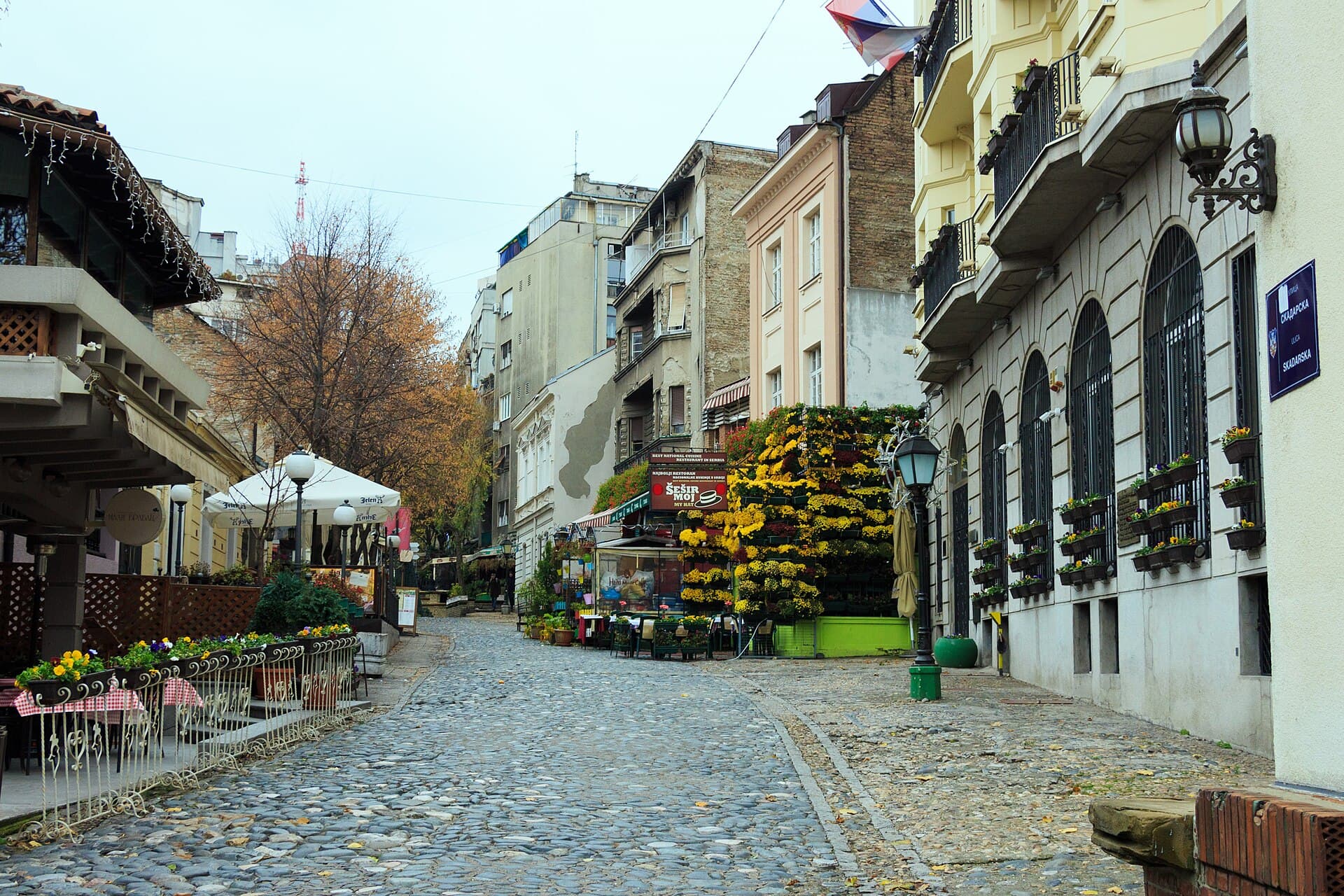 SkadarlijaBelgrade's famous bohemian quarter, often compared to Montmartre in Paris, centr9 minutes walk
Bajrakli is the only one left of the 273 mosques the city had in Ottoman times.