
The confluence
Sava meets Danube.
Imeao — CC0 · Smiley.toerist — CC BY-SA 4.0 · Marko Kudjerski — CC BY 2.0 · Erik Cleves Kristensen — CC BY 2.0 · Imeao — CC0 · Krumb77 — CC BY-SA 3.0 · I would appreciate being notified if you use my work outside Wikimedia. More of my work can be found in my personal gallery. — CC BY 3.0 · Mickey Mystique — CC BY-SA 4.0
The historic heart of Belgrade, a vast fortress on the end of a 125.5-metre ridge overlooking the confluence of the Sava and the Danube. It takes in the fortified Upper and Lower Towns and the broad Kalemegdan Park, and it is the capital's most visited sight, with more than two million visitors a year. Fortresses have stood here since Roman times, and states and empires fought over it for centuries, leaving walls, towers and gates from many eras. In 1979 it was declared a cultural monument of exceptional importance. Visitors wander among stone and brick ramparts, gates and grassy moats, past a military museum, an observatory and a natural history museum, but the best of it is the terraces looking over the meeting of the rivers, Great War Island and the towers of New Belgrade across the water. Entry to the fortress and the park is free at all hours; some museums inside charge separately. Come at sunset, when the two rivers meet in golden light, then stay as the walls are lit up at night.
Sava meets Danube.
From many eras.
Around the fortress.
Kalemegdan, Stari Grad, Belgrade
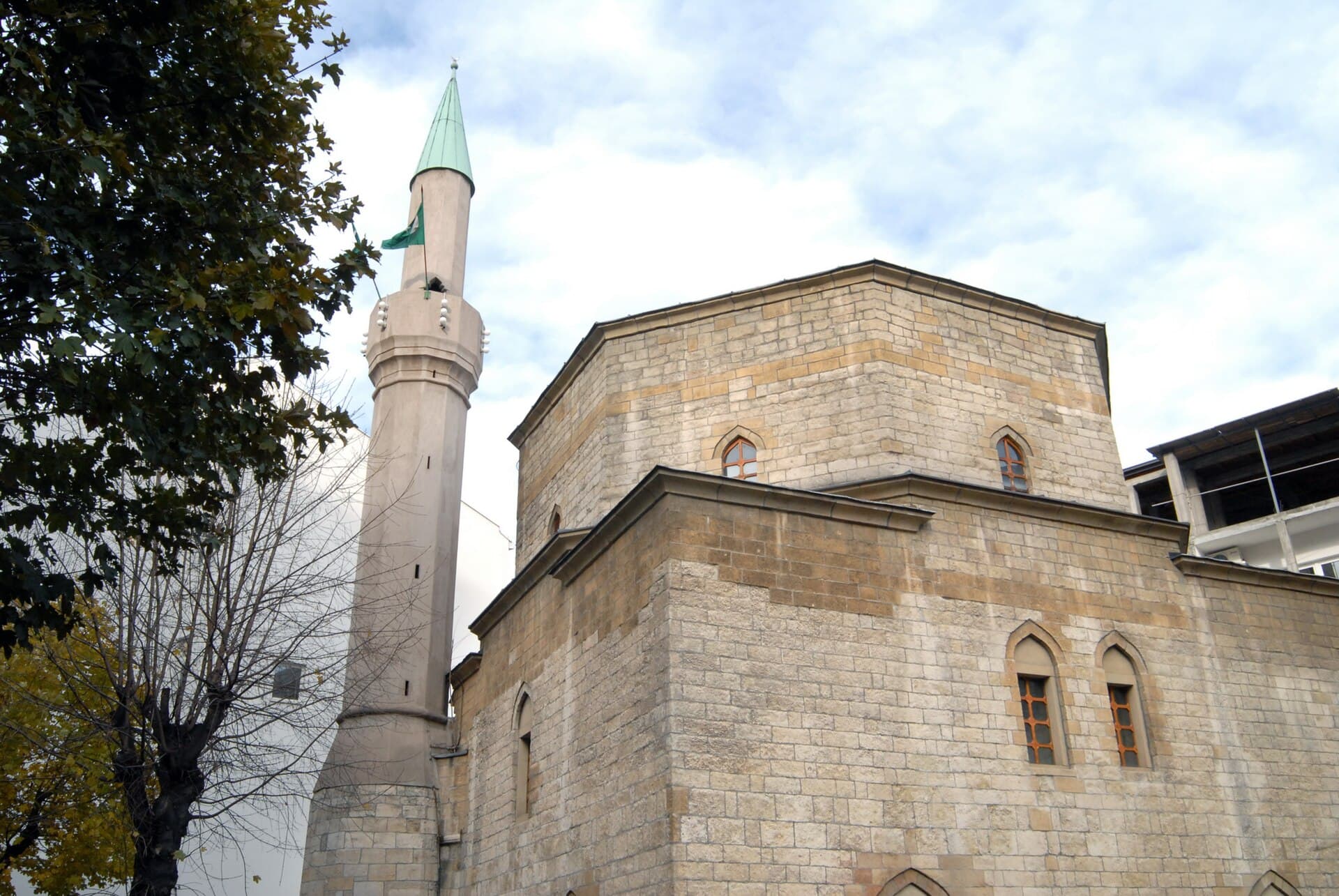 Bajrakli MosqueThe only mosque left in Belgrade out of the 273 the city had in Ottoman times. B8 minutes walk4.8
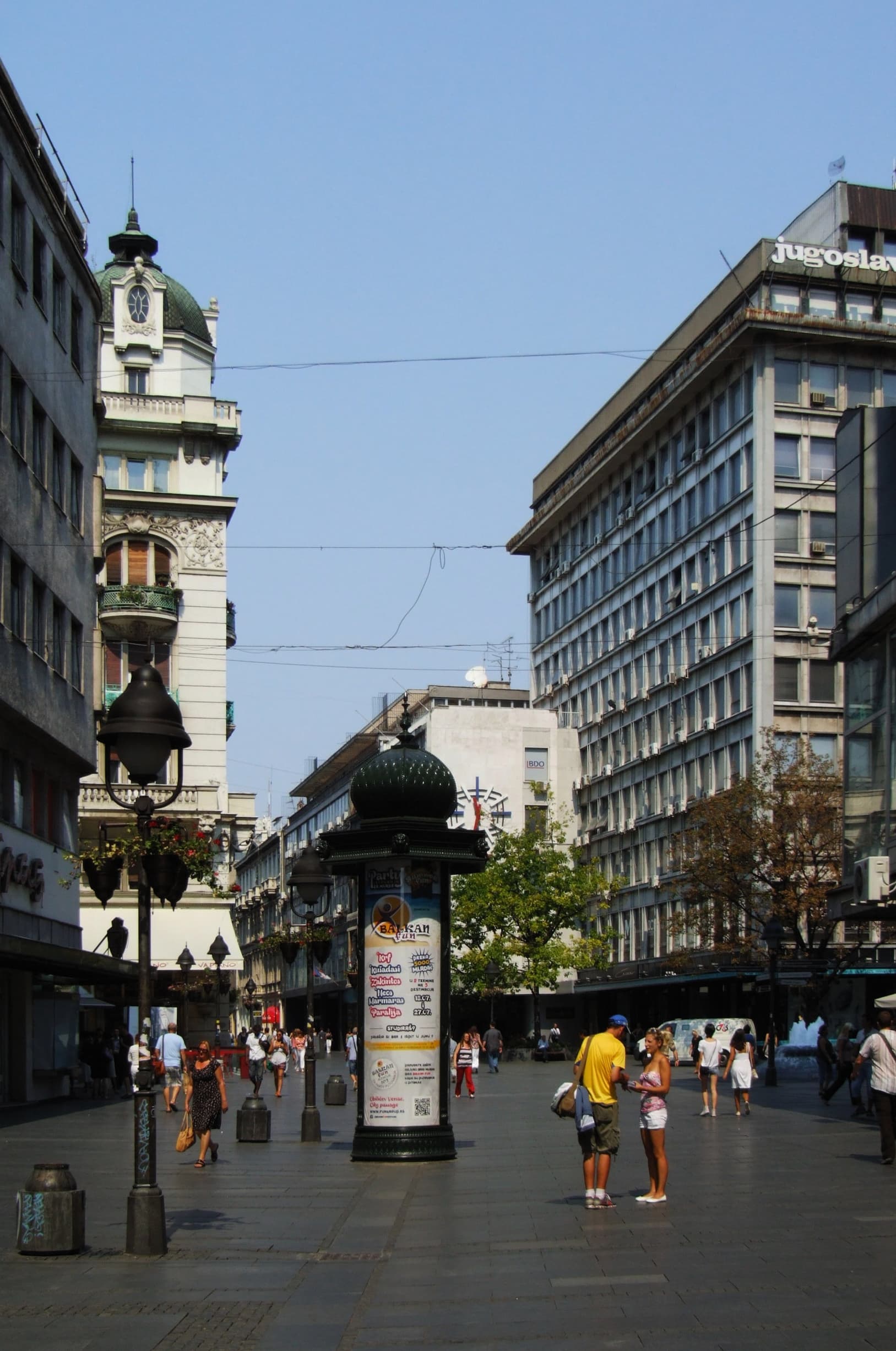 Knez Mihailova StreetBelgrade's main pedestrian and shopping street, running about a kilometre from R11 minutes walk4.9
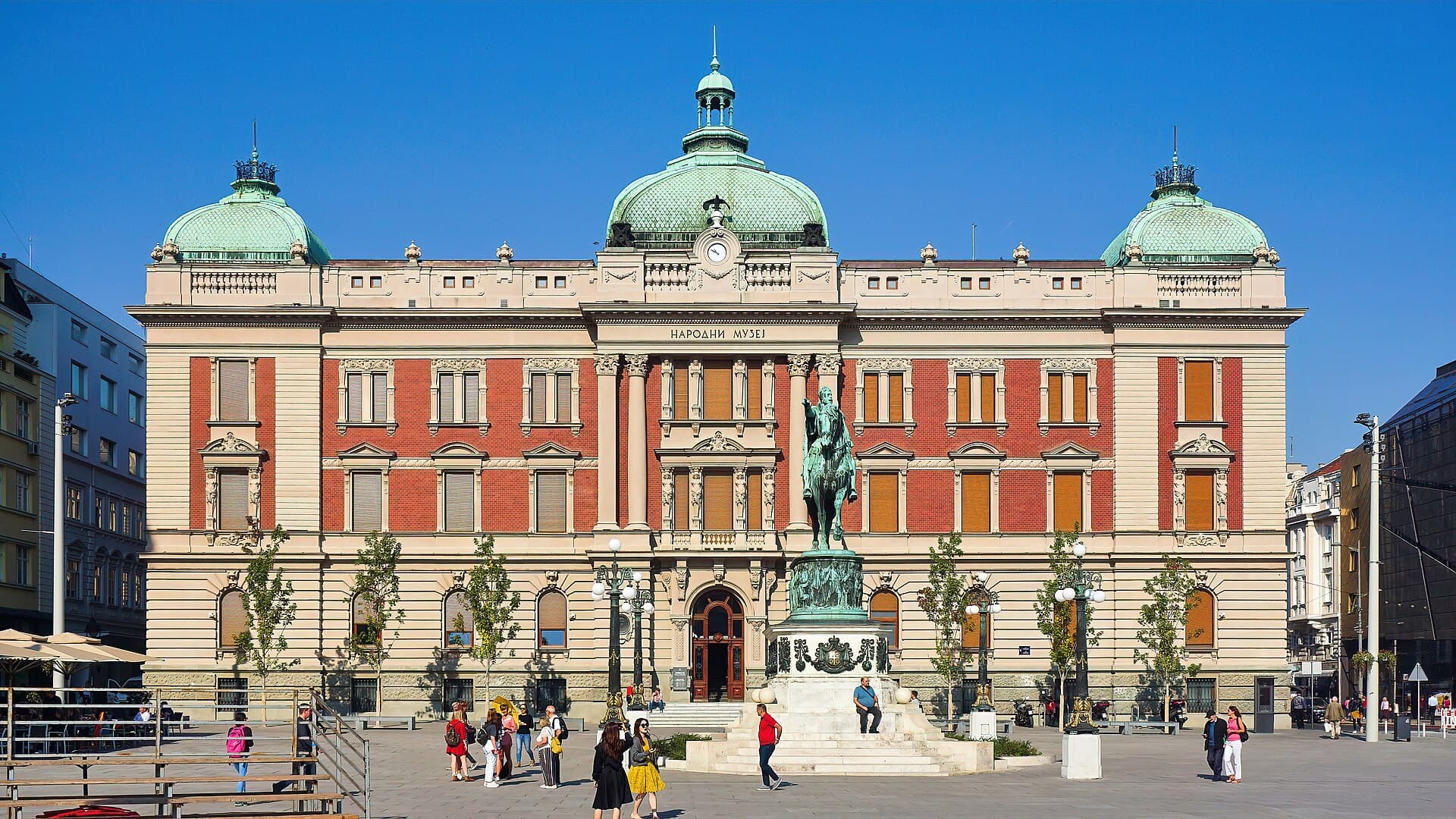 National Museum of SerbiaBelgrade's largest and oldest museum, founded on 10 May 1844, in a grand buildin14 minutes walk4.8
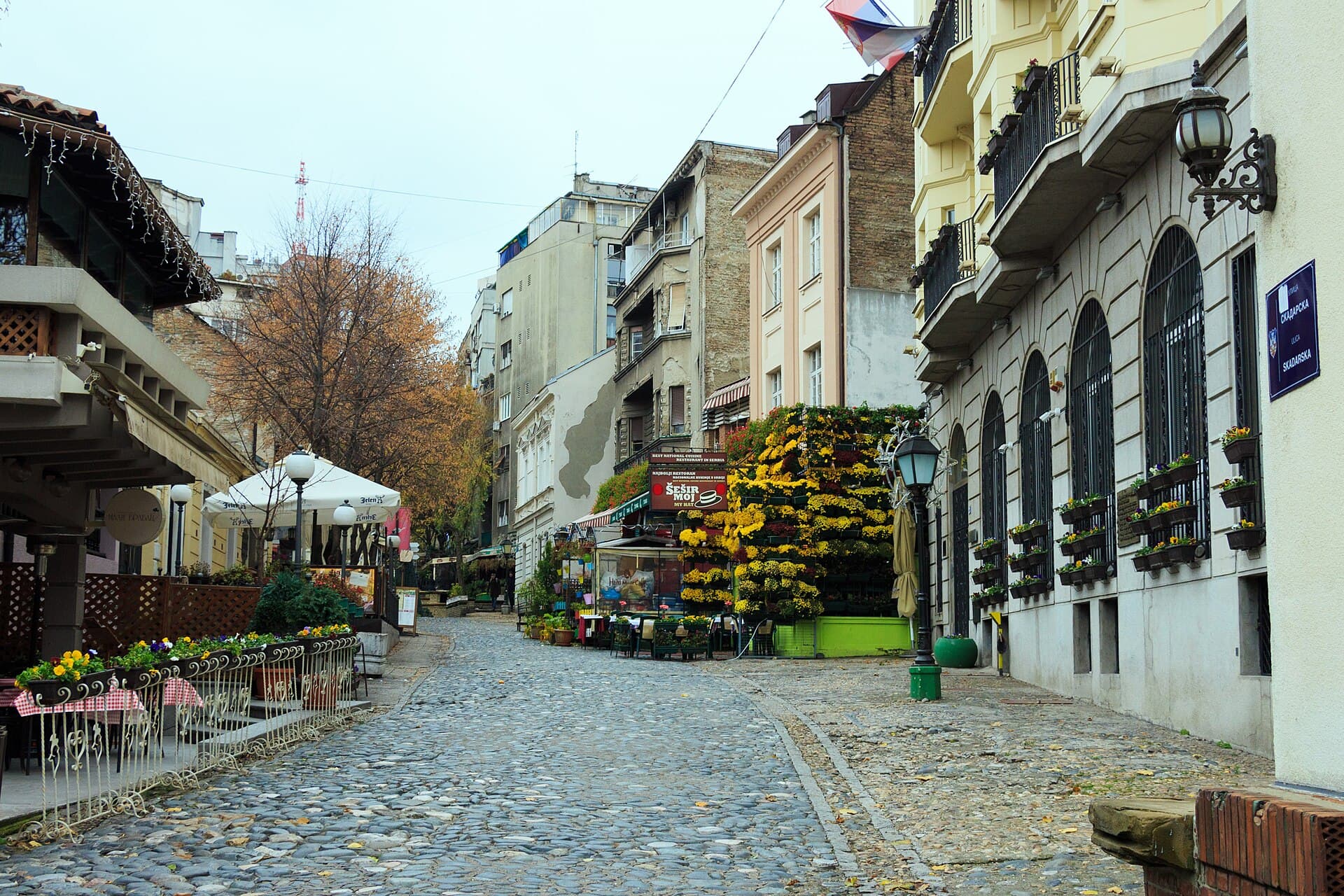 SkadarlijaBelgrade's famous bohemian quarter, often compared to Montmartre in Paris, centr17 minutes walk
Yes, the fortress and Kalemegdan Park are free at all hours; some museums inside charge separately.