
The sacred carp
Thousands of dark carp boil at the water's edge the moment chickpeas hit the surface, and nobody ever catches them.
Anadolu — CC BY-SA 3.0 · Bernard Gagnon — CC BY-SA 3.0 · Dosseman — CC BY-SA 4.0 · Dosseman — CC BY-SA 4.0
Nobody fishes here. Thousands of dark carp crowd a rectangular pool about 150 metres long and 30 wide, fed every day and never touched, because the people of Urfa hold that when Nimrod cast Abraham into the fire, the flames turned to water and the logs to fish. The place explains itself the moment you arrive: the pool lies still as a mirror, arches and columns doubled in it, and families lean over with handfuls of chickpeas until the water boils black with fish. Believe the story or not, the sight alone earns the trip. What surrounds the pool is a working religious complex, not a stage set. At the west end stands the Halil-ur-Rahman Mosque, its stout square minaret Ayyubid work of 1211-12 raised under al-Malik al-Ashraf Musa, Saladin's nephew; the prayer hall was rebuilt under the Ottomans in 1810 and the madrasa beside it added in 1871. Along the north bank runs the arcade of the Ottoman Rızvaniye Mosque, built by Rıdvan Ahmed Pasha, governor of Rakka, and dated by most sources to 1736, its arches stepping right to the water's edge. A few paces south is the smaller Ayn Zeliha pool, said in legend to have been formed by the tears of Nimrod's daughter, who believed in Abraham. Ten minutes on foot to the east lies the Dergâh complex and the Mevlid-i Halil cave, Abraham's traditional birthplace, where Turks come from across the country to pray; many count it the holiest spot in the whole complex. For Gulf and Levantine visitors this is familiar ground: the story is ours, the names are ours, nothing needs decoding. Entry is entirely free, the pool and gardens are a public park open round the clock, the two mosques admit visitors between prayers, and bags of fish food sell for a few lira around the basin. The paths are level and paved, fine for pushchairs, and children are more spellbound here than in any museum; the only thing to plan around is heat, since Urfa passes 40°C in July and August, so save it for late afternoon, when the whole city drifts down to the water and the minarets light up. Treat it as a place to stroll and sit rather than a ticketed attraction: an hour is enough, two if you take the bitter local coffee (mırra) in the cafes over the pool or pray in the Rızvaniye. Fridays, religious holidays and the last ten nights of Ramadan get so crowded that walking is hard. Pair it with the castle on the hill above, the Gümrük Han and coppersmiths' bazaar behind the arcades, and the Şanlıurfa Archaeology Museum a quarter of an hour's walk north, home to the Urfa Man statue and the Göbeklitepe finds.
Thousands of dark carp boil at the water's edge the moment chickpeas hit the surface, and nobody ever catches them.
The Ottoman mosque's arches run the whole north bank and double in the water; the best photograph is from here at dusk.
A smaller, quieter pool to the south, then the Mevlid-i Halil cave to the east where Turks queue to pray in the birthplace of Abraham.
Eyyübiye district, at the foot of the castle hill, Şanlıurfa
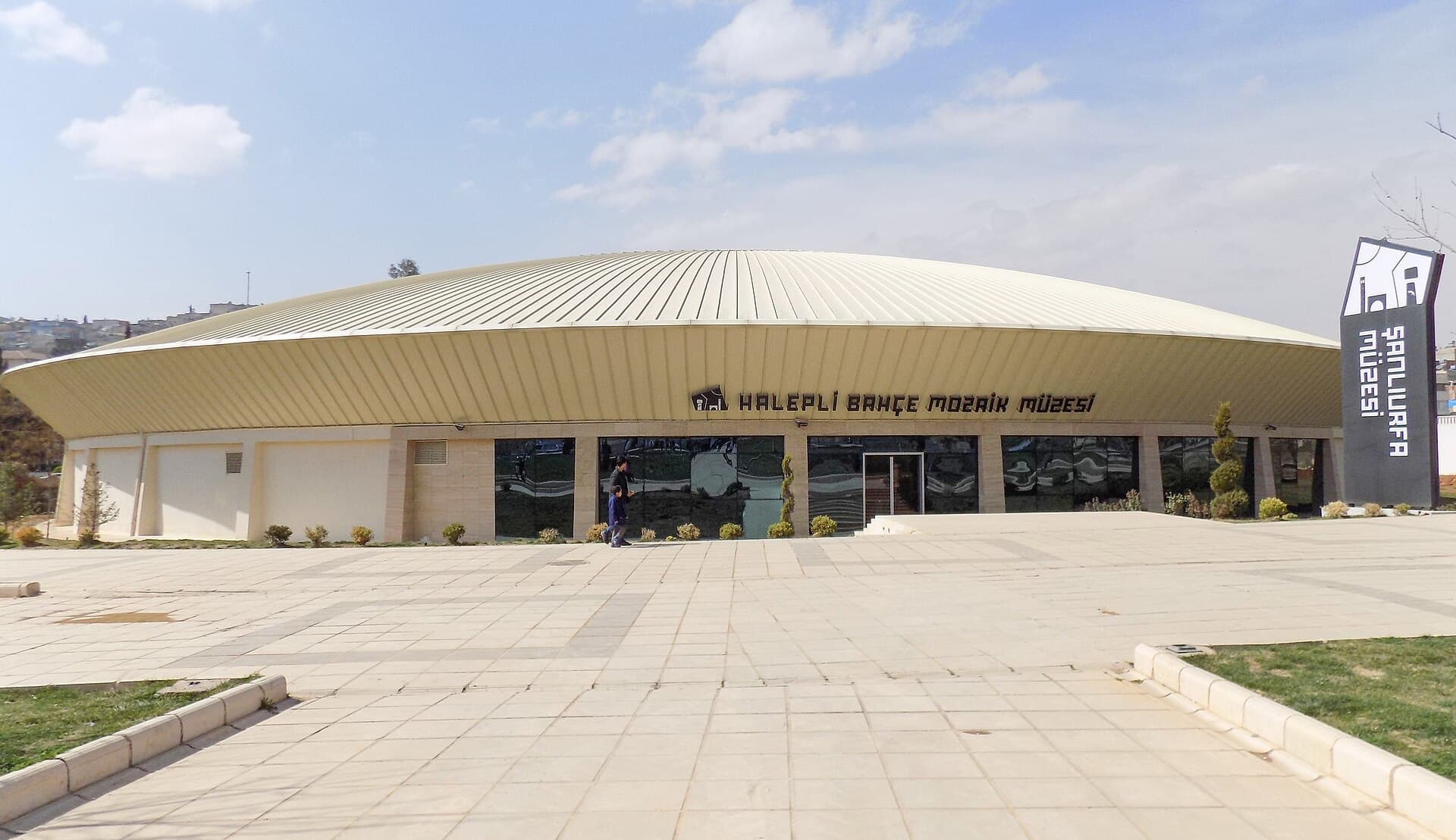 Haleplibahçe Mosaic MuseumIn 2006 the Şanlıurfa municipality was digging to extend a park near the fish la5 minutes walk4.8
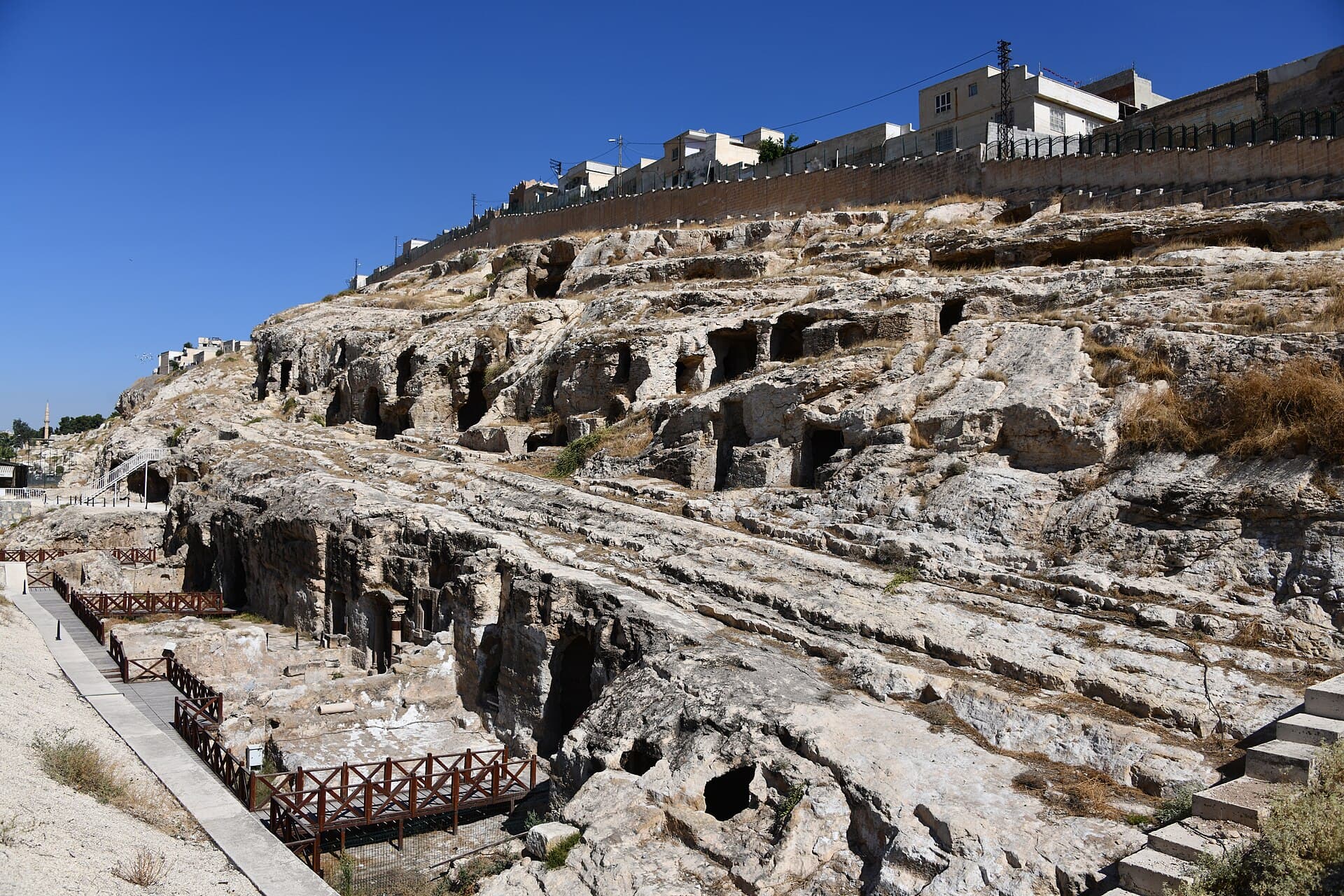 Kızılkoyun NecropolisUntil 2011 these tombs were bedrooms and storerooms. Squatter housing crept up t5 minutes walk4.8
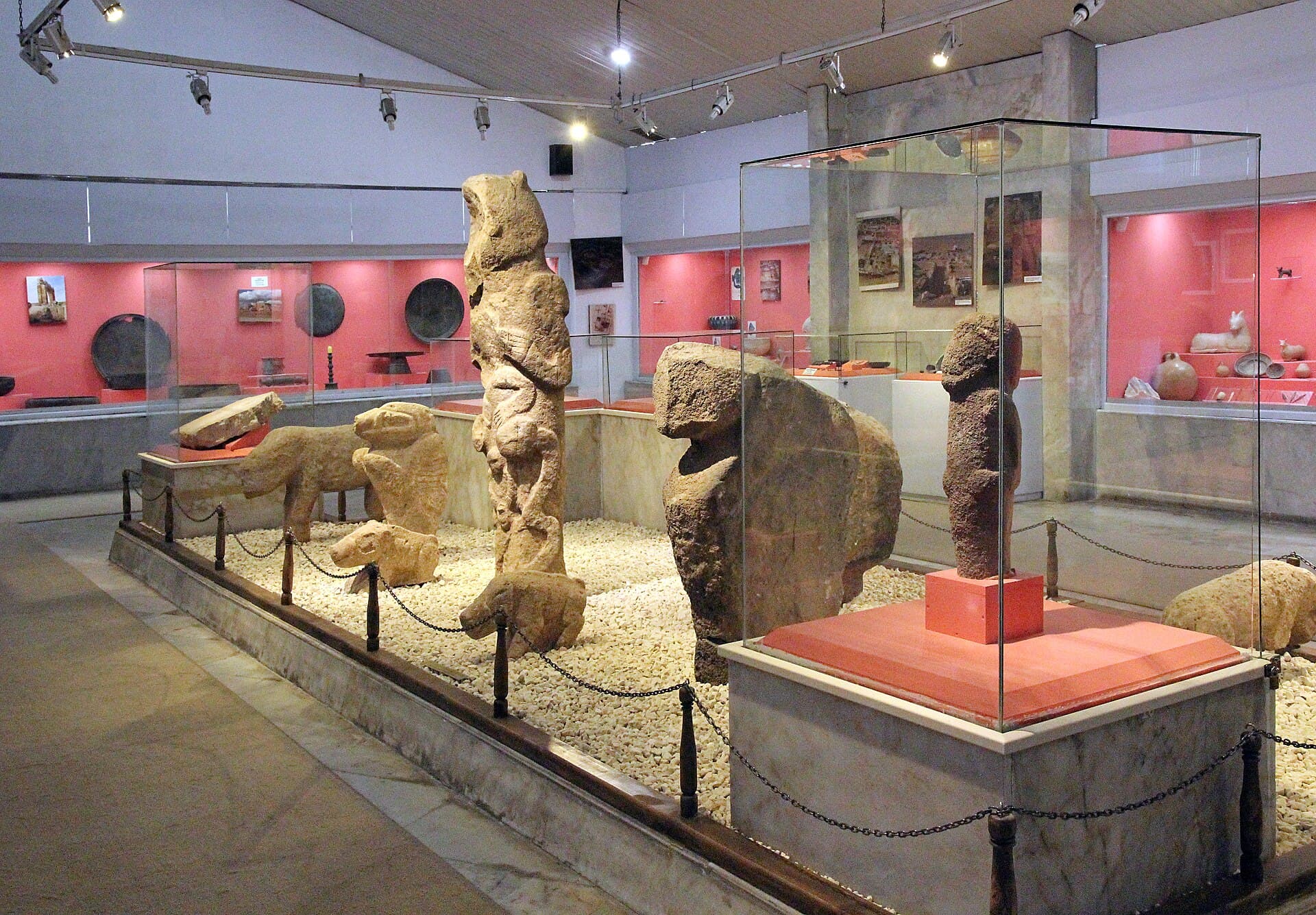 Şanlıurfa Archaeology MuseumThe oldest naturalistic life-size human statue anyone has ever found stands here9 minutes walk4.7
Do not travel for the pool by itself; however much you like it, it is an hour or two of strolling. But together with the Mevlid-i Halil cave, the castle, the han bazaars and the Archaeology Museum it makes an excellent full day, and Göbeklitepe half an hour away by car justifies the overnight completely. Do Göbeklitepe in the morning and finish at the pool at sunset.
Yes, and it is one of the best sites for children in south-eastern Turkey: the paths are level for pushchairs and feeding the fish keeps them busy for a long while. But Urfa passes 40°C in July and August, so do not arrive before late afternoon, carry water, and sit in the shade of the Rızvaniye arcade or the cafes above the pool.