
Bangkok's birthplace
A pillar planted in 1782.
Ahoerstemeier — CC BY-SA 3.0 · กสิณธร ราชโอรส — CC BY-SA 4.0 · กสิณธร ราชโอรส — CC BY-SA 4.0 · กสิณธร ราชโอรส — CC BY-SA 4.0
The place where Bangkok was officially born: when King Rama I founded the new capital in 1782, the city pillar was planted here, a gilded wooden post symbolising the city's heart and protection, from which distances in the city are measured. The shrine stands opposite the eastern corner of the Grand Palace. The small, elegant shrine holds two pillars, the original of cassia wood and a second added under King Rama IV, inside a white building crowned by a gilded Khmer-style tower. Beside it is a shrine to the city's guardian spirits, where residents come daily to offer flowers and pray, and traditional dances are sometimes performed as offerings. Entry is free, and the shrine opens from early morning until half past six in the evening. Modest dress is required, and shoes come off inside. Heat and humidity peak from March to May, and afternoon downpours are heavy from June to October. A short stop of a quarter of an hour, combined with the Grand Palace and Wat Pho on a tour of historic Rattanakosin Island.
A pillar planted in 1782.
Over an elegant white shrine.
Flowers, prayers and dances.
Lak Mueang Road, opposite the Grand Palace, Rattanakosin Island
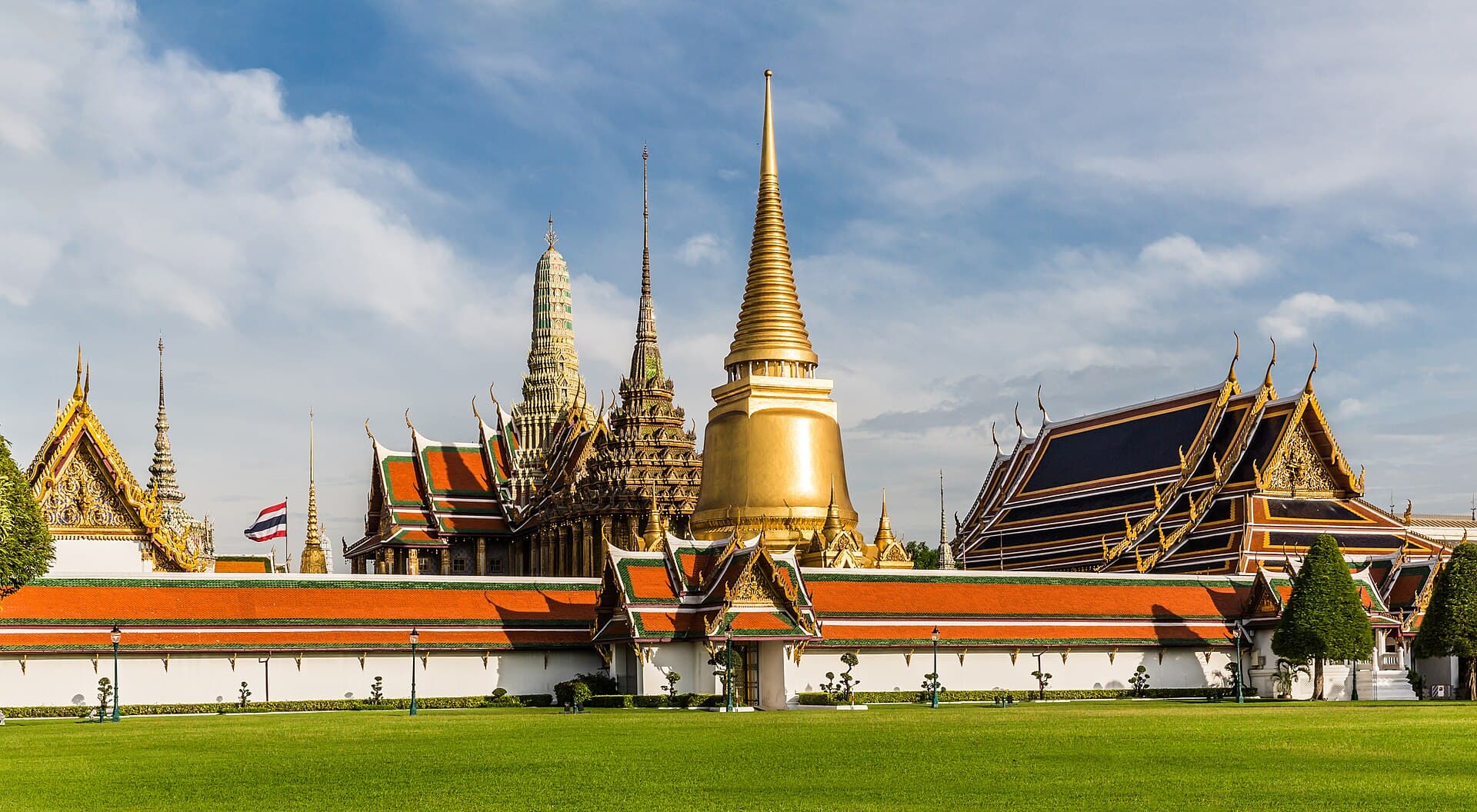 Grand Palace and the Emerald BuddhaThailand's most famous landmark: a lavish royal complex of palaces, halls and te5 minutes walk
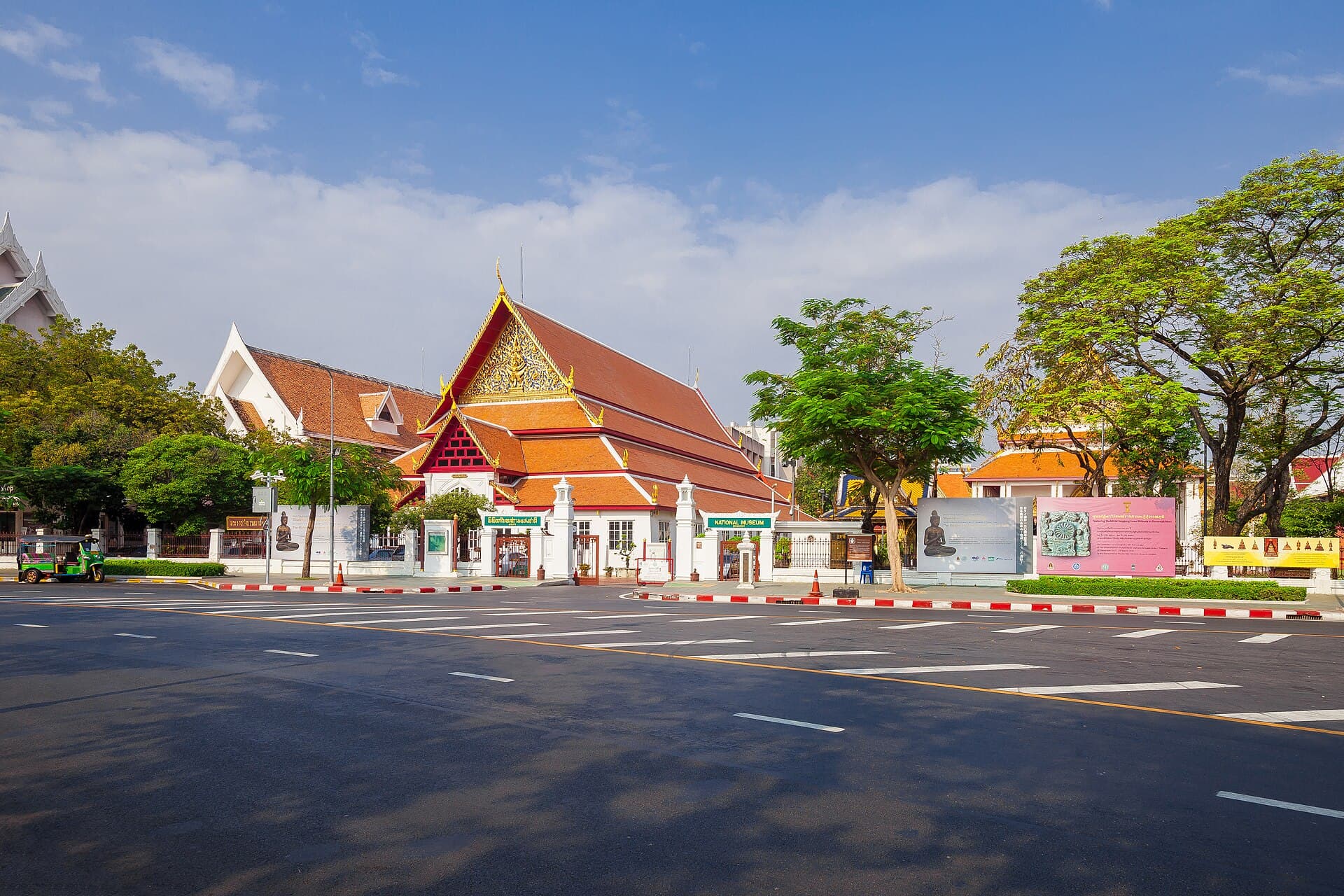 Bangkok National MuseumThailand's main museum and one of the largest in Southeast Asia, occupying the o7 minutes walk
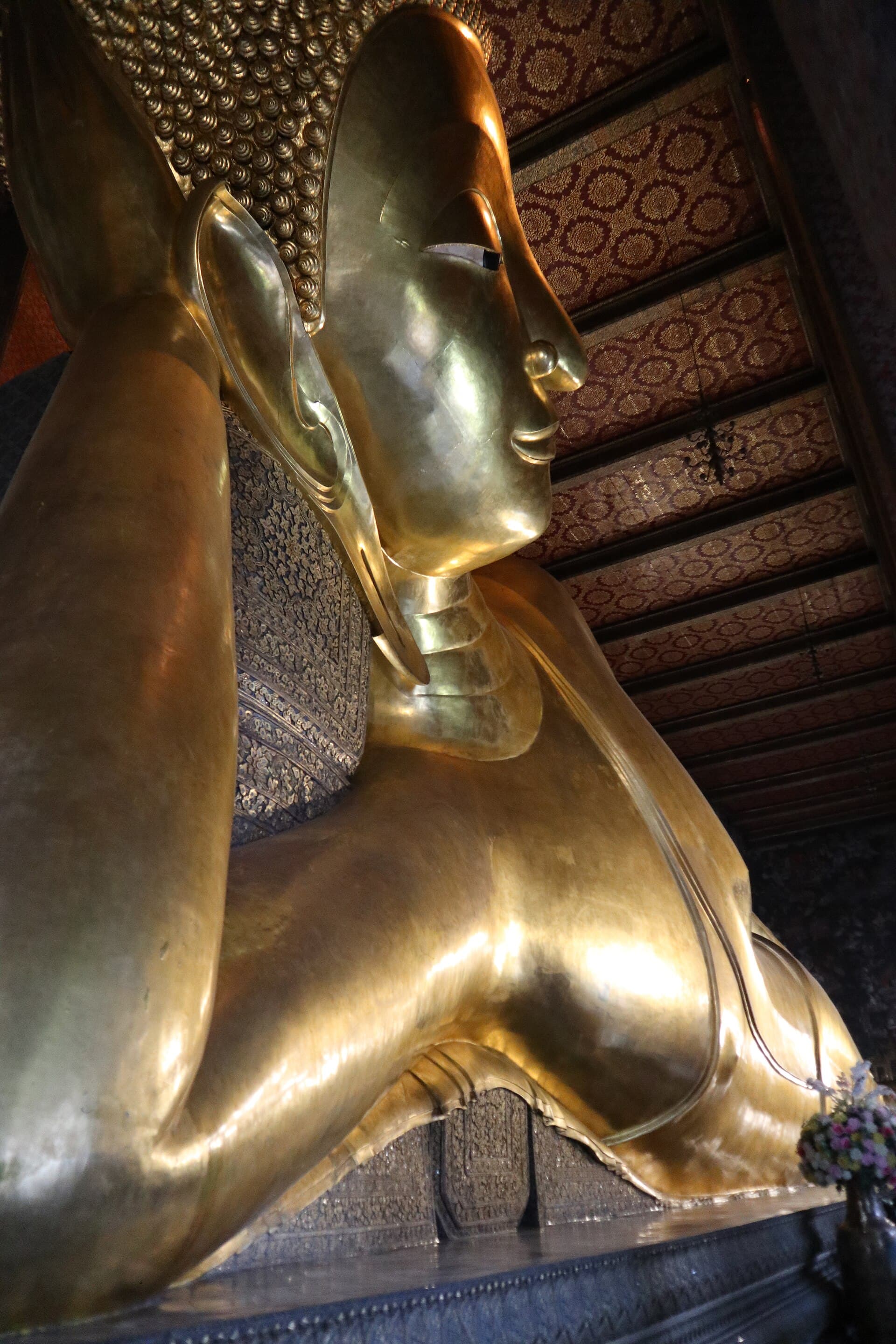 Wat Pho (Temple of the Reclining Buddha)One of Bangkok's oldest and largest temples, directly south of the Grand Palace 9 minutes walk
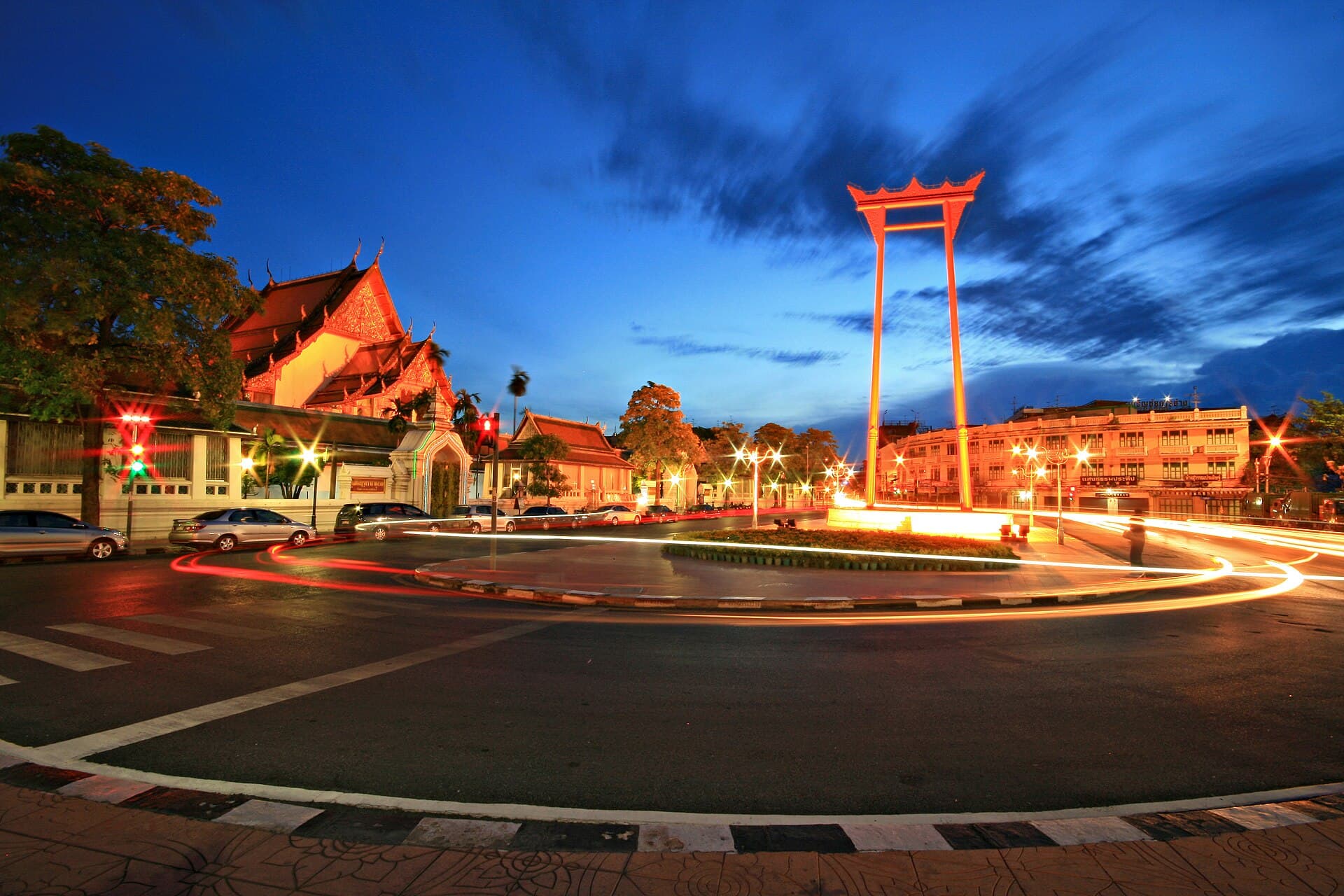 Wat Suthat and the Giant SwingOne of Bangkok's first-class royal temples, begun by King Rama I in 1807, with K10 minutes walk
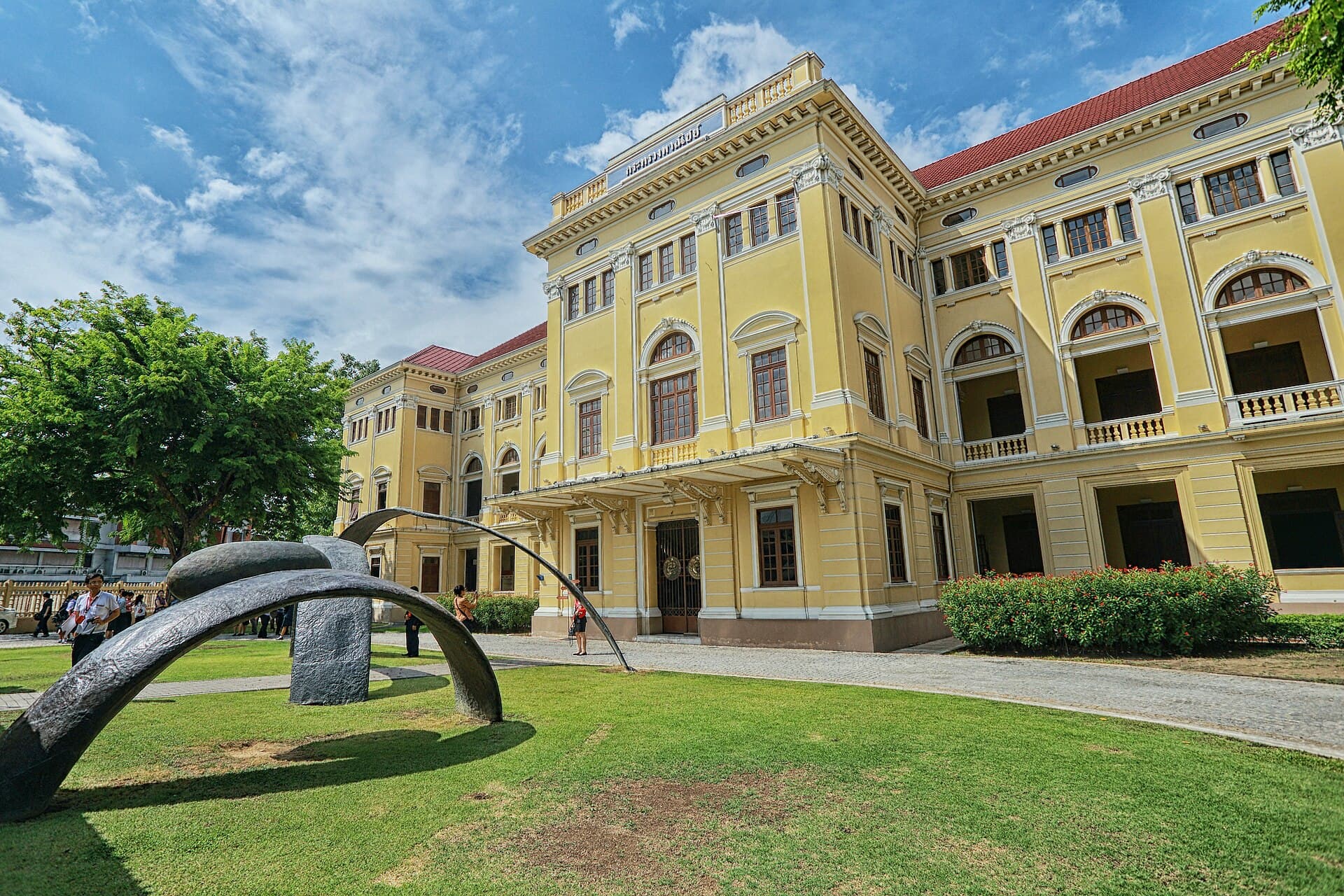 Museum SiamA modern interactive museum opened in 2007 in the old Ministry of Commerce build12 minutes walk
Yes if you are at the Grand Palace: it is steps away, free and quick, and marks the city's founding moment.