
The backpacker street
Since the 1980s.
Marcin Konsek — CC BY-SA 4.0 · Rmunsvila — CC BY-SA 4.0 · Marcin Konsek — CC BY-SA 4.0 · Sharon Hahn Darlin — CC BY 2.0 · Marcin Konsek — CC BY-SA 4.0
A short street of no more than four hundred metres in Banglamphu that has been Asia's best-known backpacker street since the 1980s. Its name means milled rice, as it began as a rice-trading market, then filled with cheap guesthouses, travel agents and cafés, becoming the usual starting point for young travellers crossing South-East Asia. By day it is fairly calm, lined with clothes and souvenir shops, juice stalls and mango sticky rice, and travel desks selling island tours and bus tickets at prices worth haggling over. In the evening it becomes a pedestrian street packed with vendors, loud music and bars spilling onto the pavement, crowded and noisy until late. There is no entry fee. Families will find the daytime far more suitable than the night, when bars and drinking dominate. The street and its surroundings have halal restaurants, including Arab and Turkish places, and the side lanes hold guesthouses and small hotels at fair prices. Mind your wallet in the crowds. It sits steps from Wat Chana Songkhram and about fifteen minutes on foot from the Grand Palace and the Democracy Monument, an easy stop on a day in the old city. Parallel Rambuttri Road is quieter and prettier in the evening.
Since the 1980s.
Juices and mango sticky rice.
The quieter neighbour at night.
Banglamphu, beside the old city, Bangkok
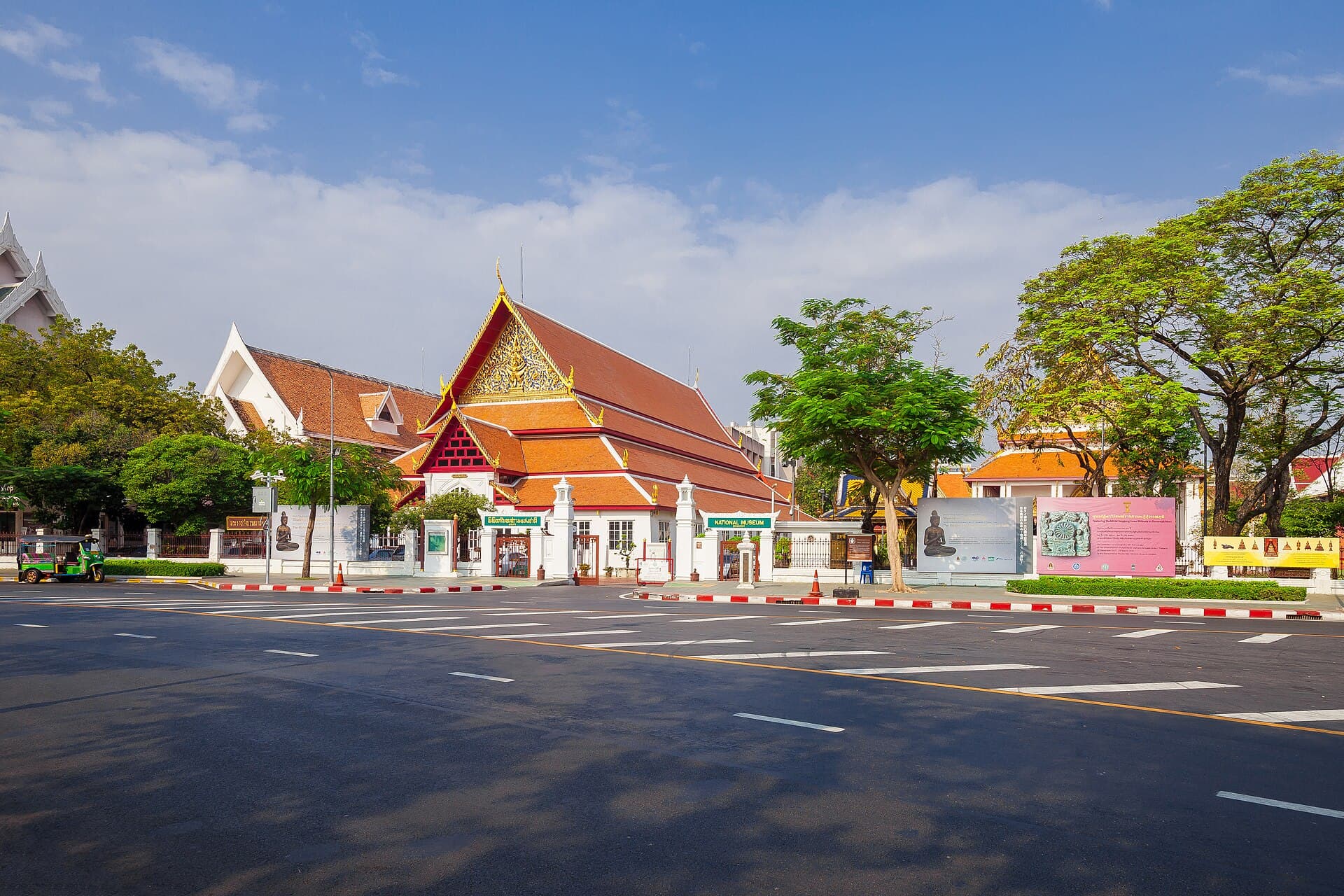 Bangkok National MuseumThailand's main museum and one of the largest in Southeast Asia, occupying the o7 minutes walk
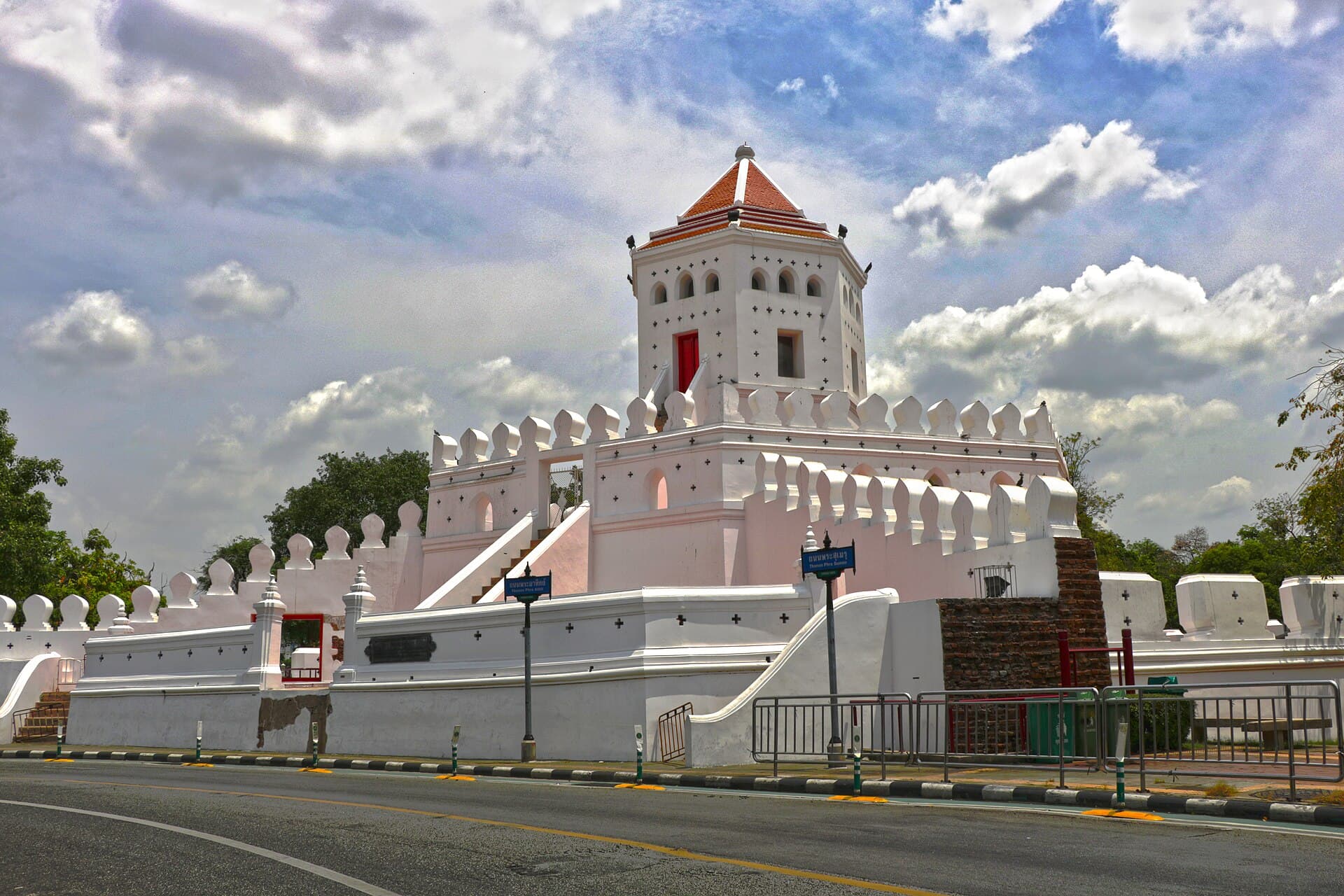 Phra Sumen Fort and Santichaiprakan ParkOne of only two survivors of the fourteen forts King Rama I built in 1783 to gua7 minutes walk
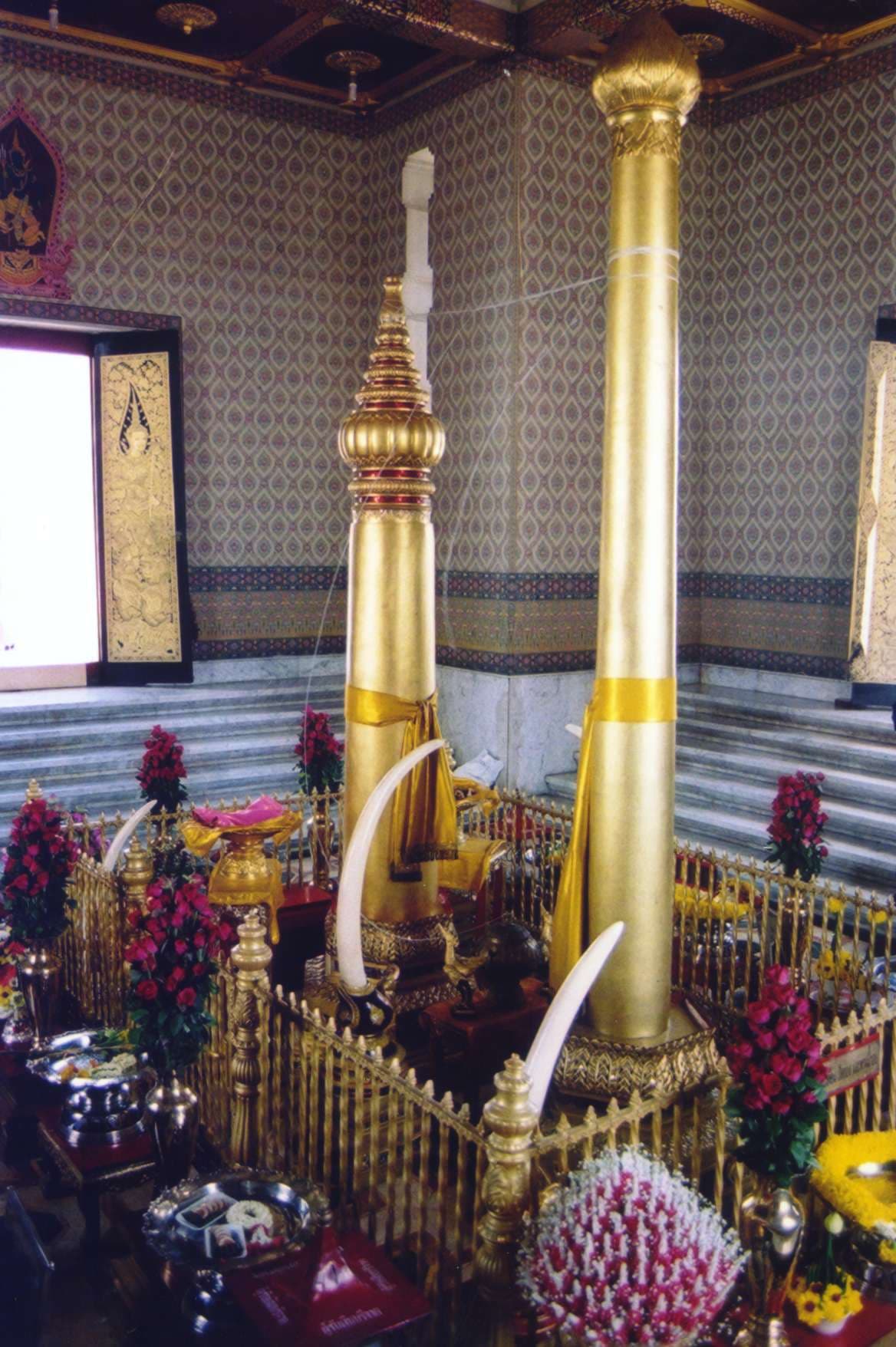 Bangkok City Pillar ShrineThe place where Bangkok was officially born: when King Rama I founded the new ca10 minutes walk
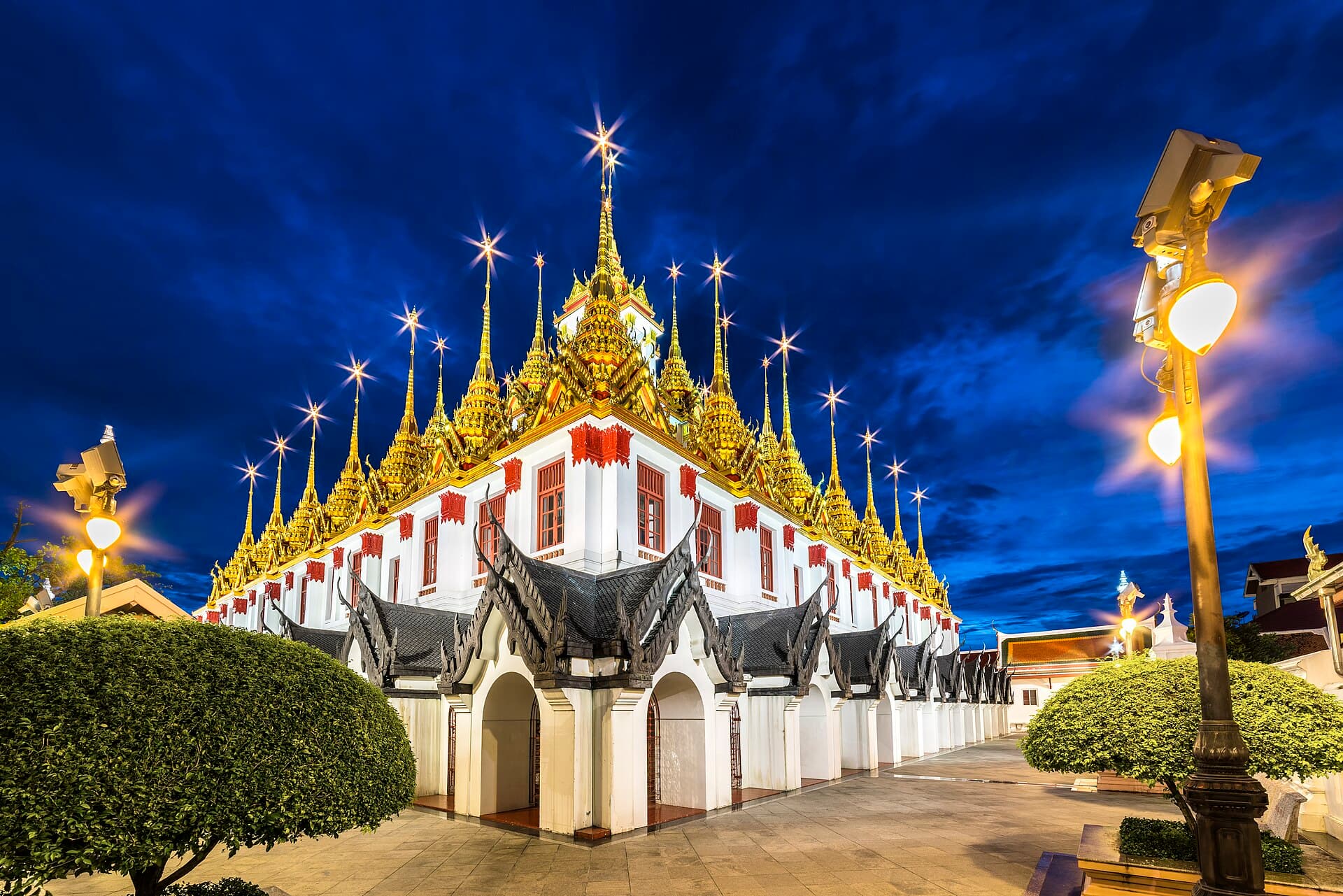 Wat Ratchanatdaram and Loha PrasatA temple in the heart of the old city, on the same road that leads to the Golden11 minutes walk
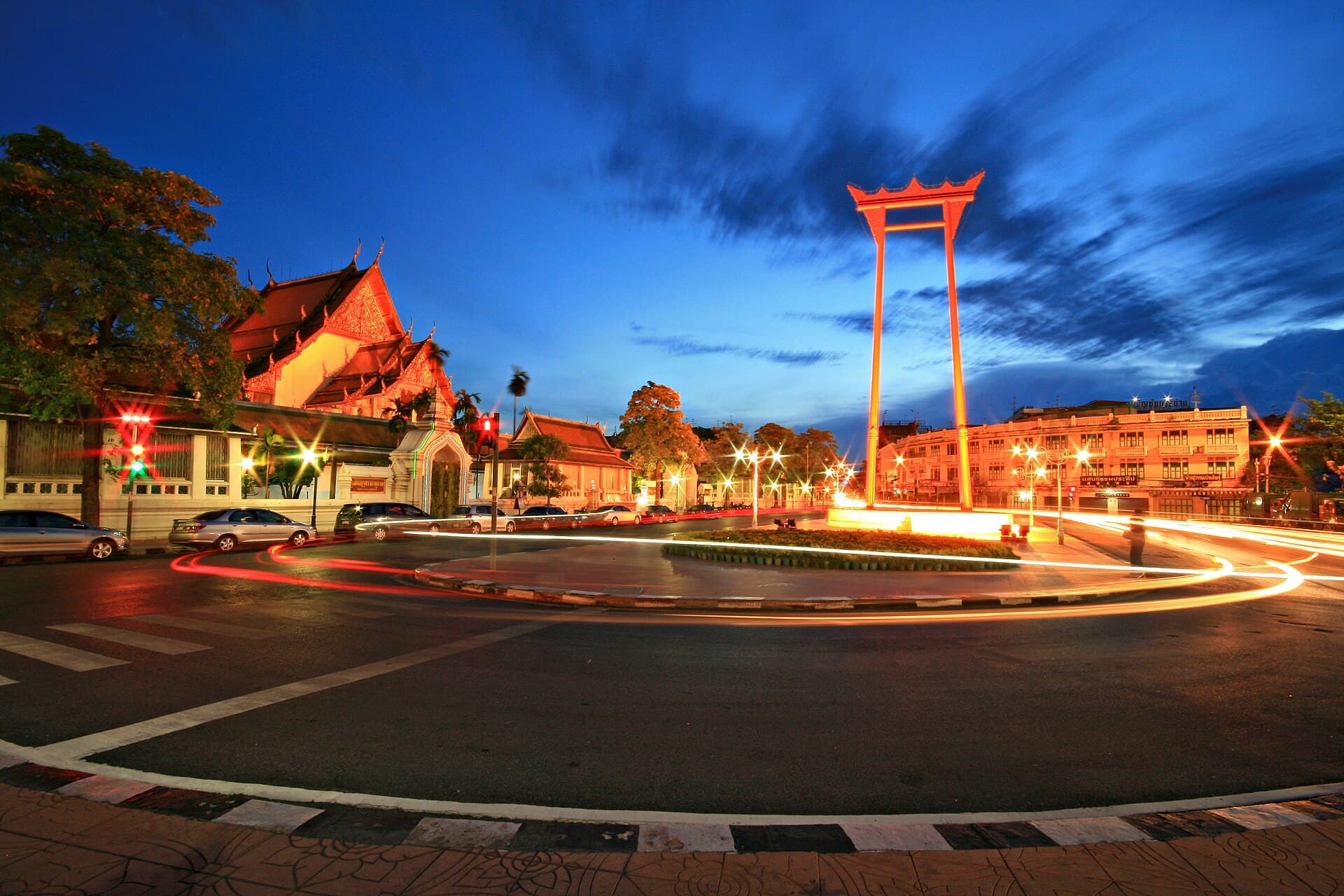 Wat Suthat and the Giant SwingOne of Bangkok's first-class royal temples, begun by King Rama I in 1807, with K12 minutes walk
By day, yes, for shopping and food. In the evening it fills with bars and loud music, so families are better off avoiding it at night.