
The star openings
Light dropping through holes in the vault, the same solution used in bathhouses across the Maghreb and the Levant.
D.Rovchak — CC BY-SA 4.0 · Berthold Werner — CC BY-SA 3.0 · Andy Newton — CC BY 2.0 · JamesNarmer — CC BY-SA 4.0
The remains of an Arab bathhouse in the Judería, found beneath a residential building and opened to visitors after excavation and restoration. The bath is of the type common across Andalusi cities: a sequence of cold, warm and hot rooms under vaults pierced with star-shaped openings that let the light in. Those star openings are the most striking thing about it visually, and they are the same architectural solution you see in bathhouses across the Maghreb and the Levant: light without opening the space to the outside, preserving heat and privacy together. The site is small and the visit very short, and that should be clear before you pay. What you see are architectural remains, not a working bathhouse and not a large museum. Its value is that it completes a picture of daily life in Islamic Córdoba that the mosque alone does not give: the mosque for worship and the bath for ordinary life, and the two together explain the city better than either does by itself.
Light dropping through holes in the vault, the same solution used in bathhouses across the Maghreb and the Levant.
The mosque explains the religion and the bath explains the living — the picture needs both.
This is a different site from the Caliphal Baths by the Alcázar — do not confuse the two.
Calle Velázquez Bosco, Judería, Córdoba
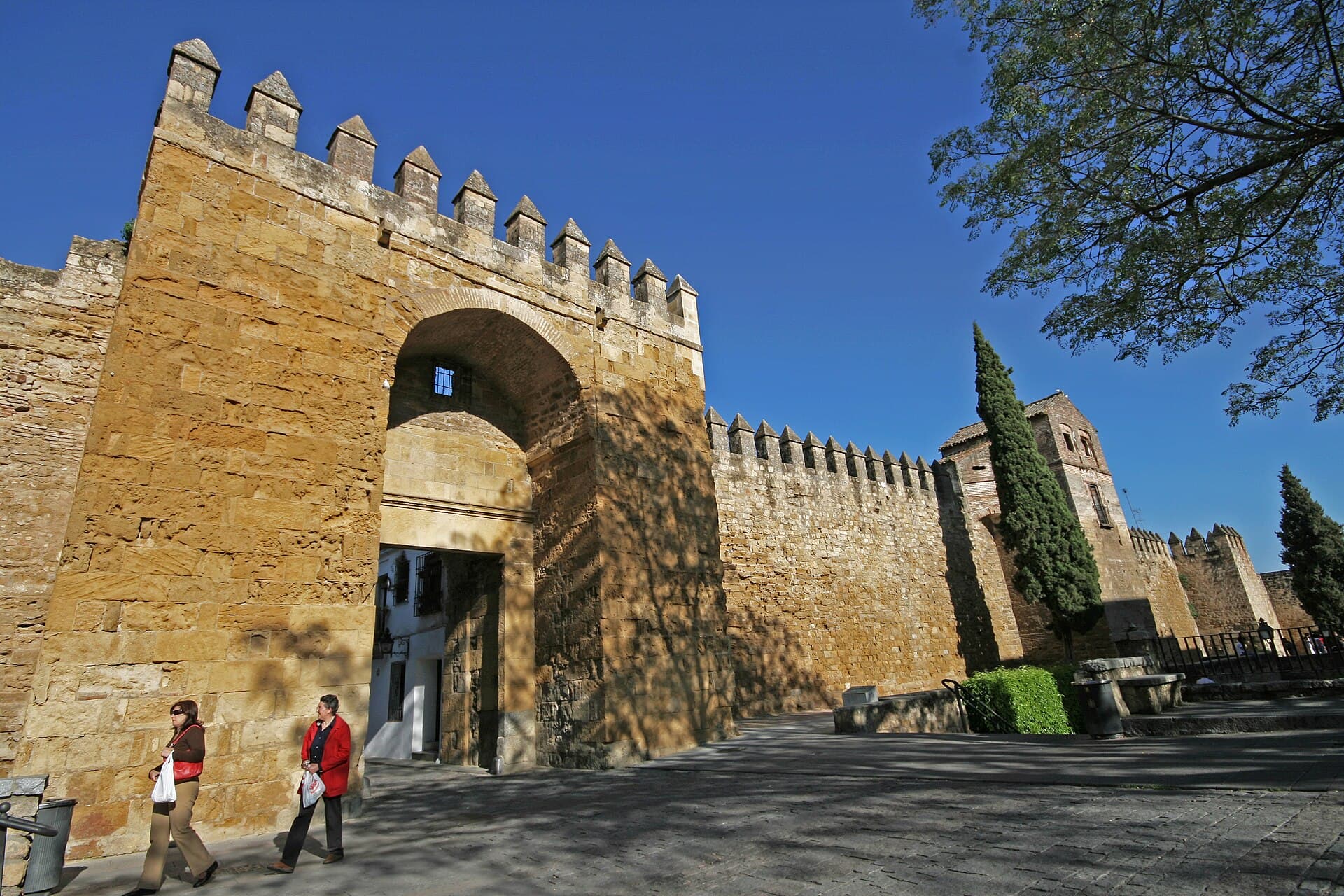 Puerta de AlmodóvarA gate in the western wall of old Córdoba, and the best preserved of the city's 2 minutes walk4.5
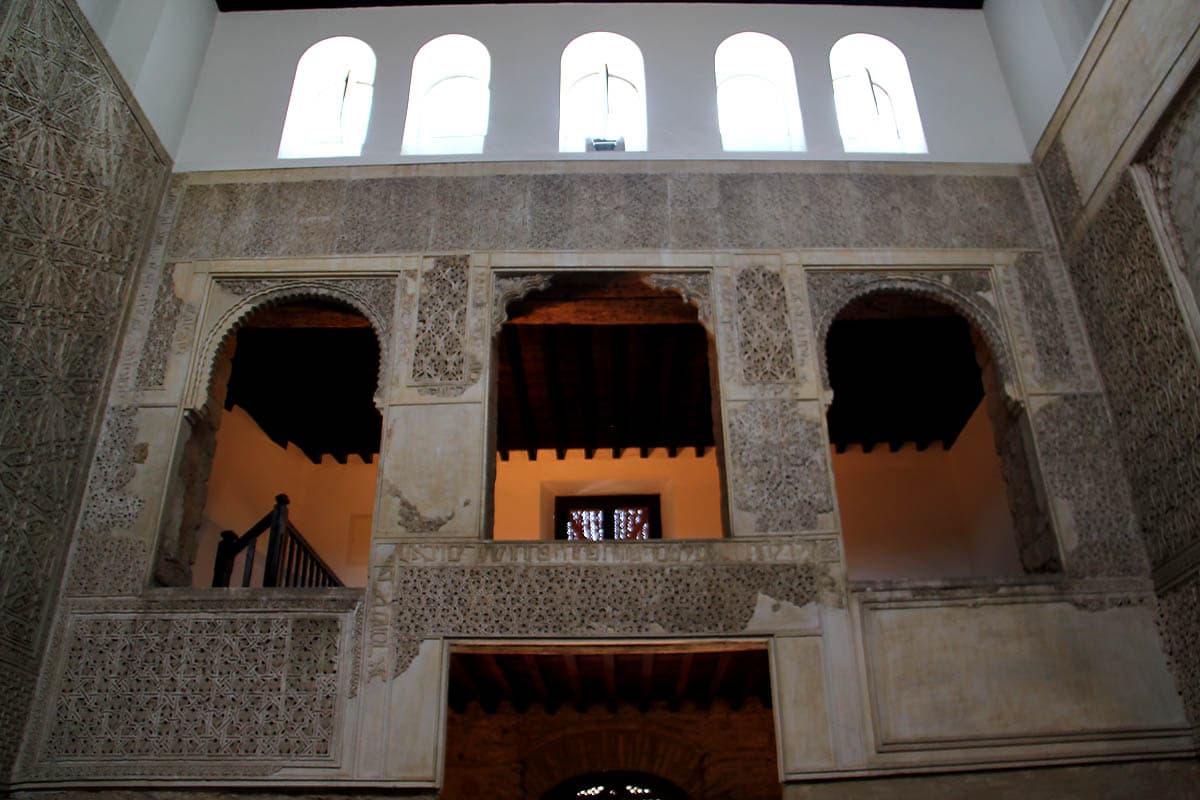 Córdoba SynagogueThe Córdoba Synagogue is one of only three medieval synagogues left in Spain. Bu2 minutes walk4.4
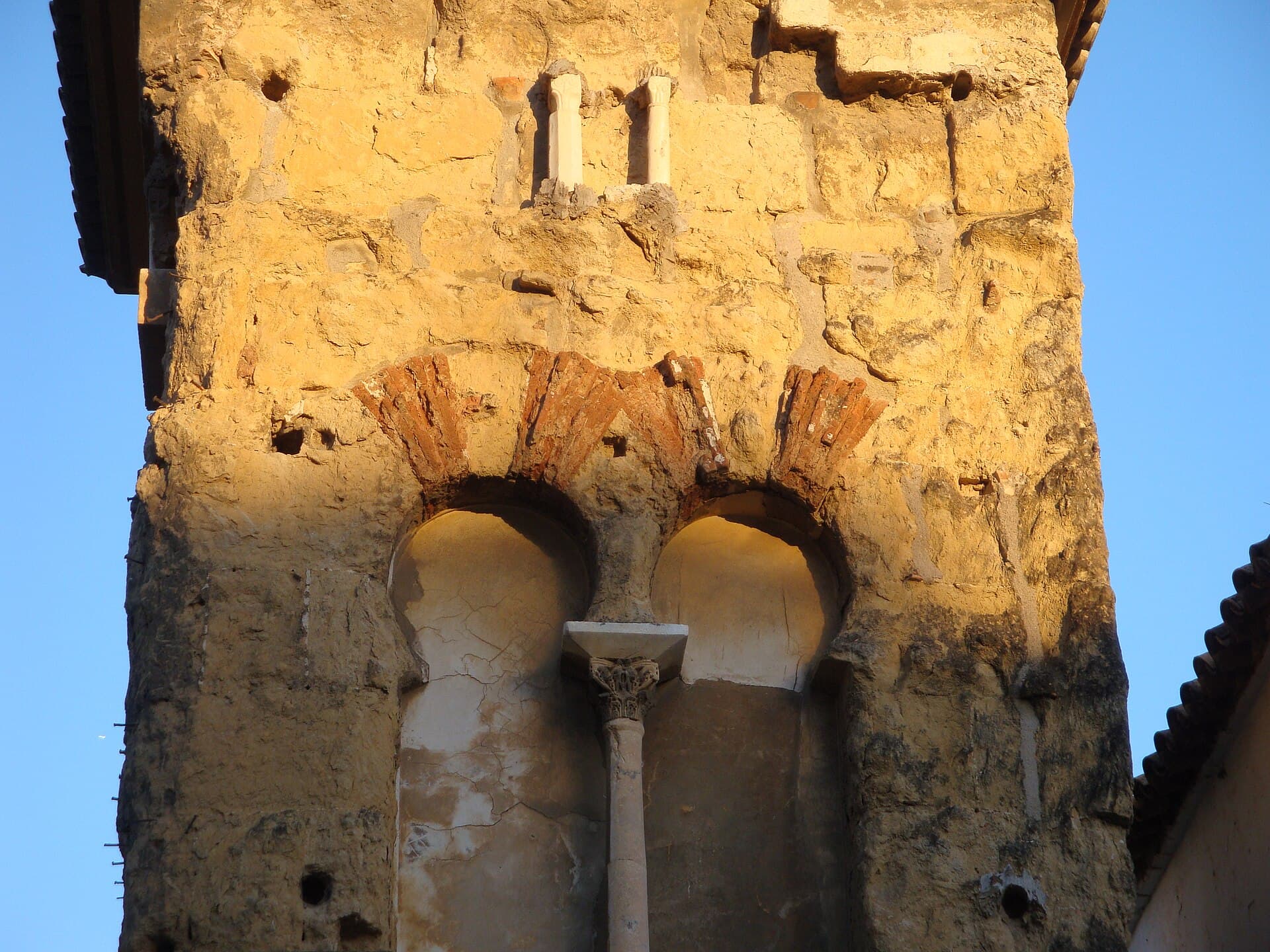 Minaret of San JuanA tenth-century minaret standing today against the church of San Juan de los Cab3 minutes walk4.4
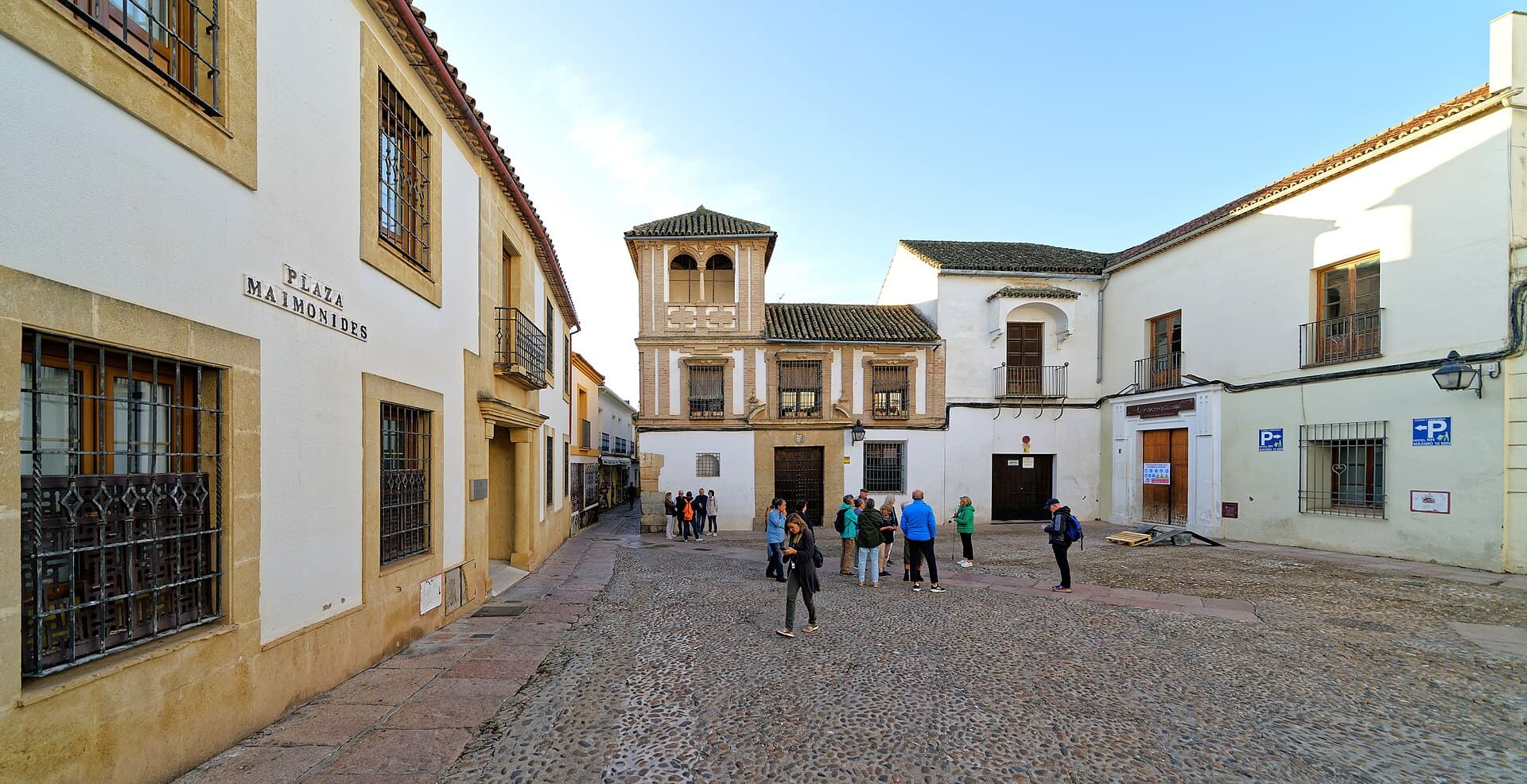 Judería, the Old Jewish QuarterA web of narrow lanes west of the Mosque-Cathedral, the heart of old Córdoba and3 minutes walk4.8
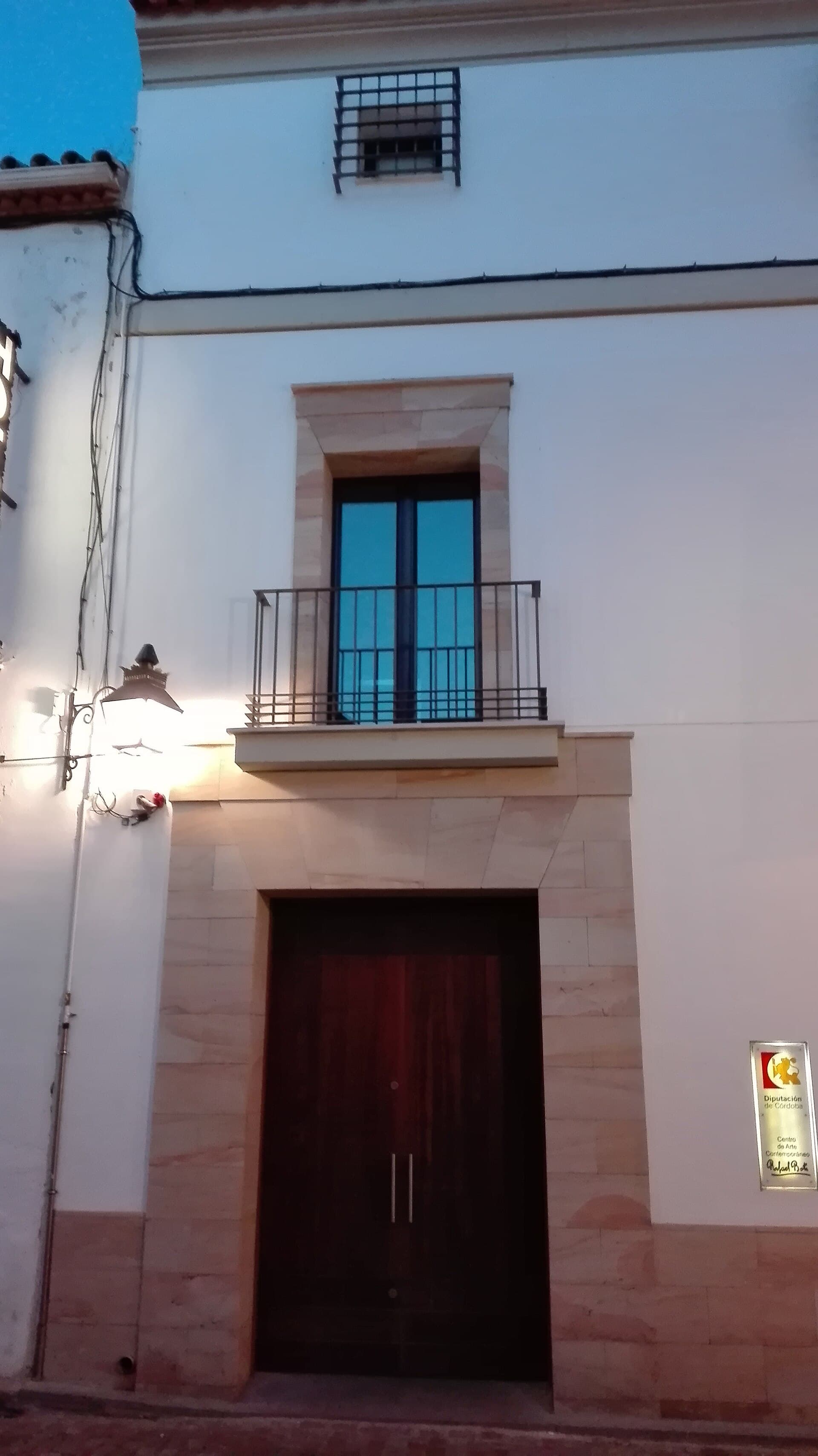 Centro de Arte Rafael BotíAn art centre in central Córdoba named after the painter Rafael Botí, a son of t3 minutes walk4.3
They are two different sites in Córdoba. The Caliphal Baths sit by the Alcázar and served the seat of government, and they are larger and run as a public site. The Santa María bath is inside the Judería and much smaller, a neighbourhood bath rather than a palace one.
If Andalusi architecture interests you, yes, because it gives you a building type that is not often open in Córdoba. If your time is short, the Mosque-Cathedral, the Alcázar and Medina Azahara come first without comparison.