
The Mudéjar plasterwork
Carved plaster in the Islamic manner, made by Muslim craftsmen for a Jewish building — a witness to the Córdoba of its time.
Tulum — CC BY-SA 3.0 · Harvey Barrison from Massapequa, NY, USA — CC BY-SA 2.0 · Ymblanter — CC BY-SA 4.0 · Ymblanter — CC BY-SA 4.0
The Córdoba Synagogue is one of only three medieval synagogues left in Spain. Built in 1315 in the Jewish quarter, it served as a synagogue for barely eighty years before being confiscated after the persecutions of 1391, then became a hospital and later a small church. It is very small — essentially one room. But its walls are covered in Mudéjar plasterwork: an Islamic style, executed by Muslim craftsmen, for a Jewish building in a Christian city. That is precisely what makes it a witness to the Córdoba of its day. Hebrew inscriptions from the Psalms run along the walls, some still clearly legible. Entry is free or for a nominal fee, and the visit is short.
Carved plaster in the Islamic manner, made by Muslim craftsmen for a Jewish building — a witness to the Córdoba of its time.
Verses from the Psalms carved into the walls, some still legible after seven centuries.
The synagogue sits in the heart of the old Judería, with its narrow whitewashed lanes and small squares.
Calle Judíos 20, 14004 Córdoba
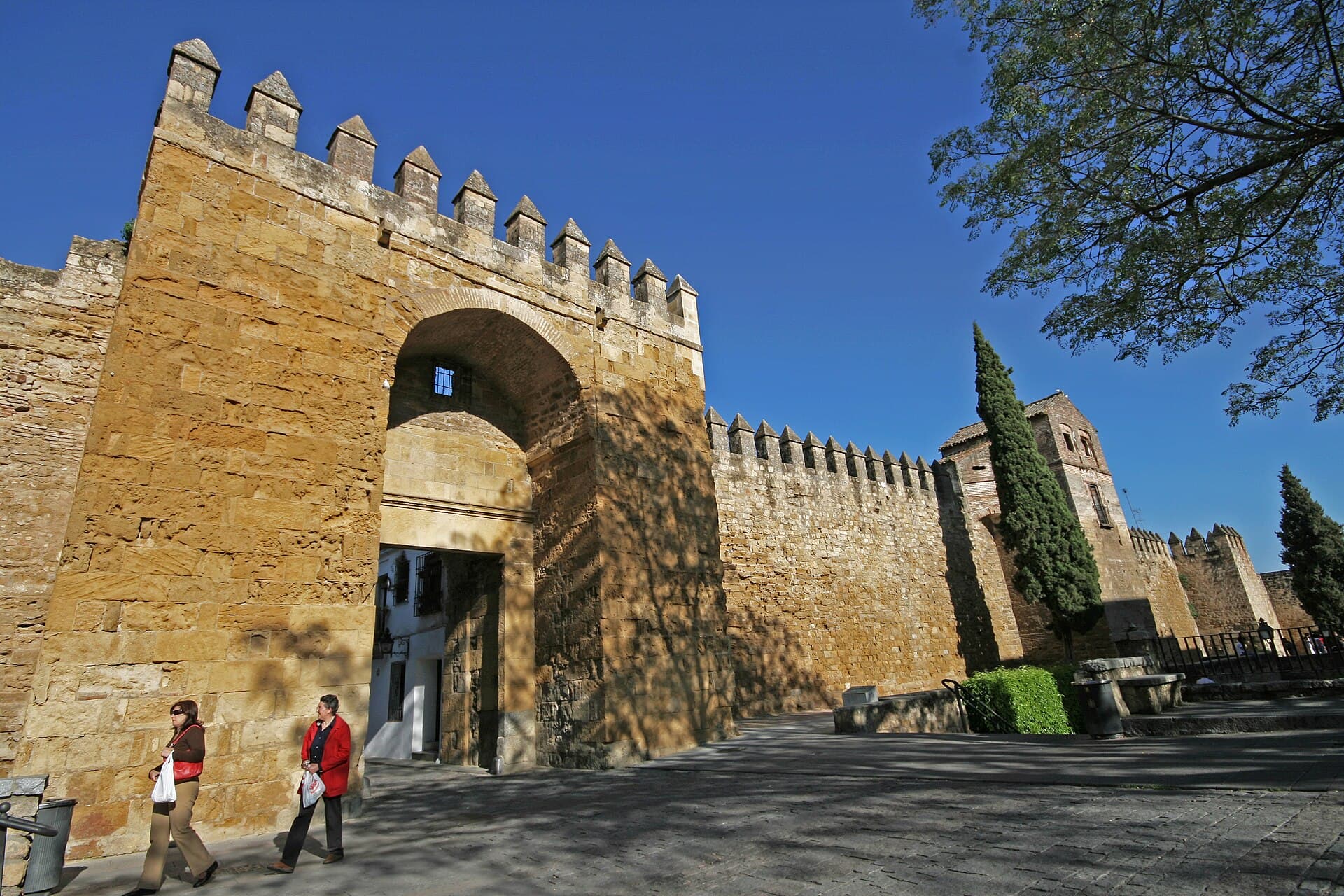 Puerta de AlmodóvarA gate in the western wall of old Córdoba, and the best preserved of the city's 1 minute walk4.5
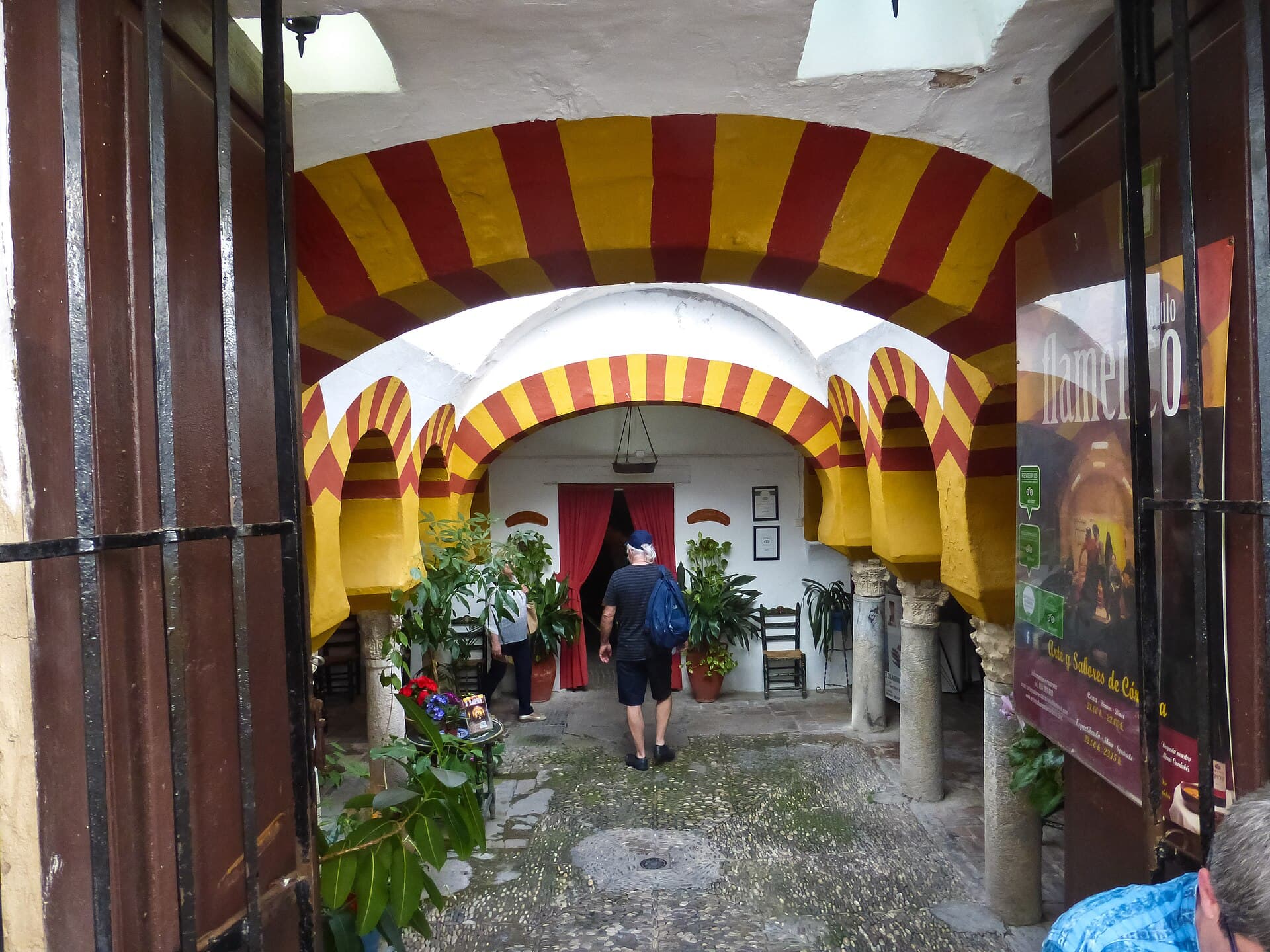 Arab Baths of Santa MaríaThe remains of an Arab bathhouse in the Judería, found beneath a residential bui2 minutes walk4.2
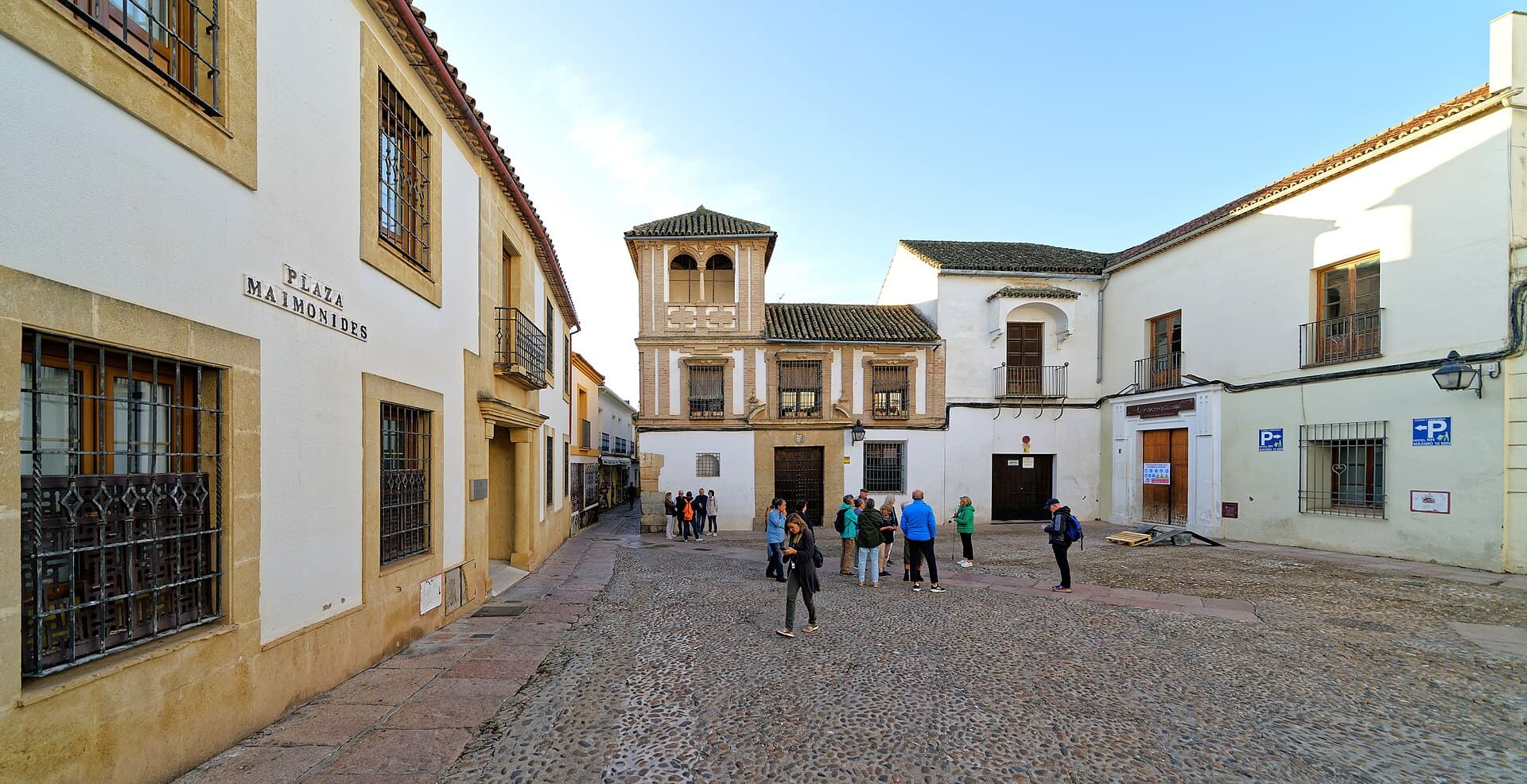 Judería, the Old Jewish QuarterA web of narrow lanes west of the Mosque-Cathedral, the heart of old Córdoba and2 minutes walk4.8
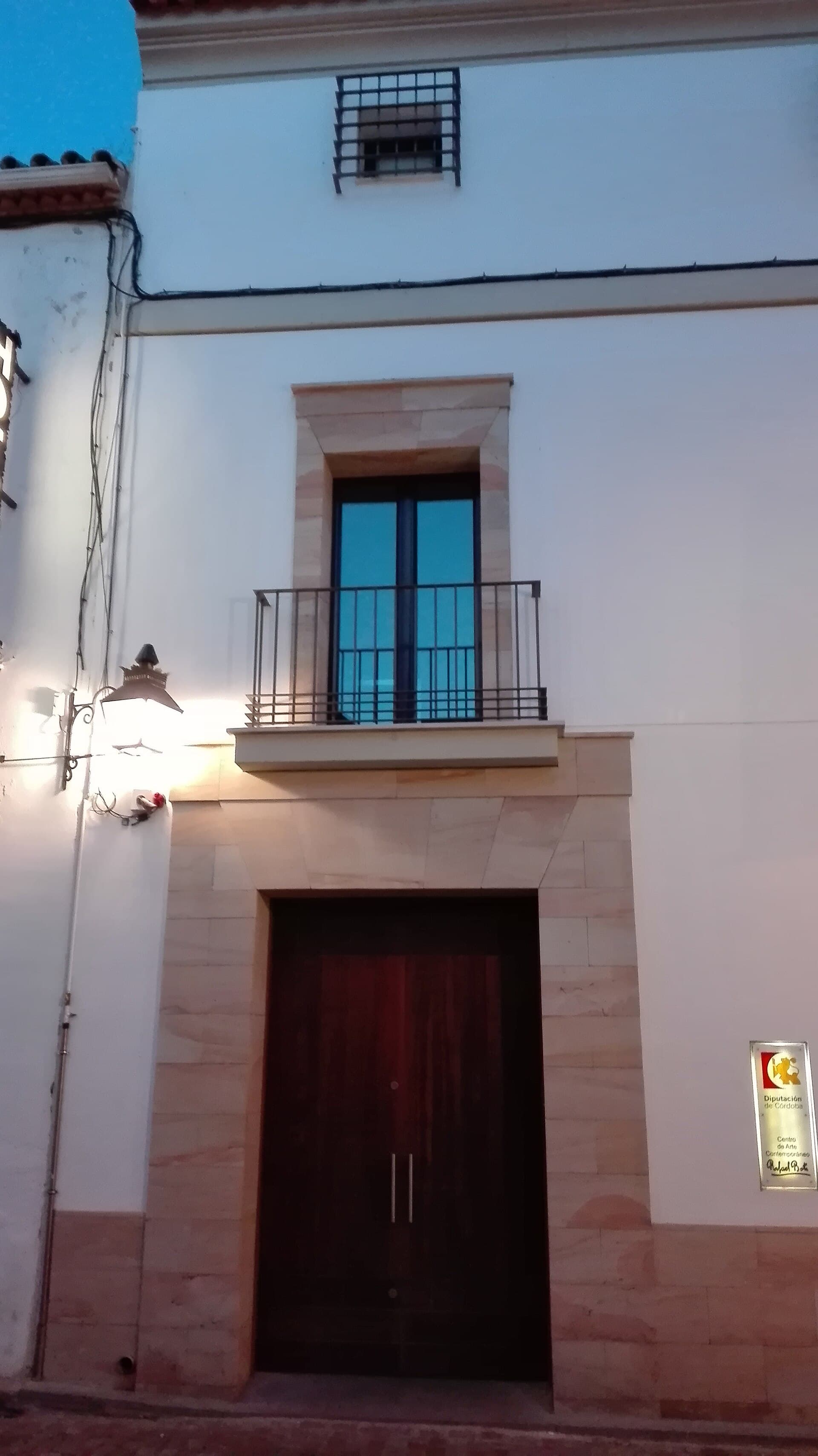 Centro de Arte Rafael BotíAn art centre in central Córdoba named after the painter Rafael Botí, a son of t2 minutes walk4.3
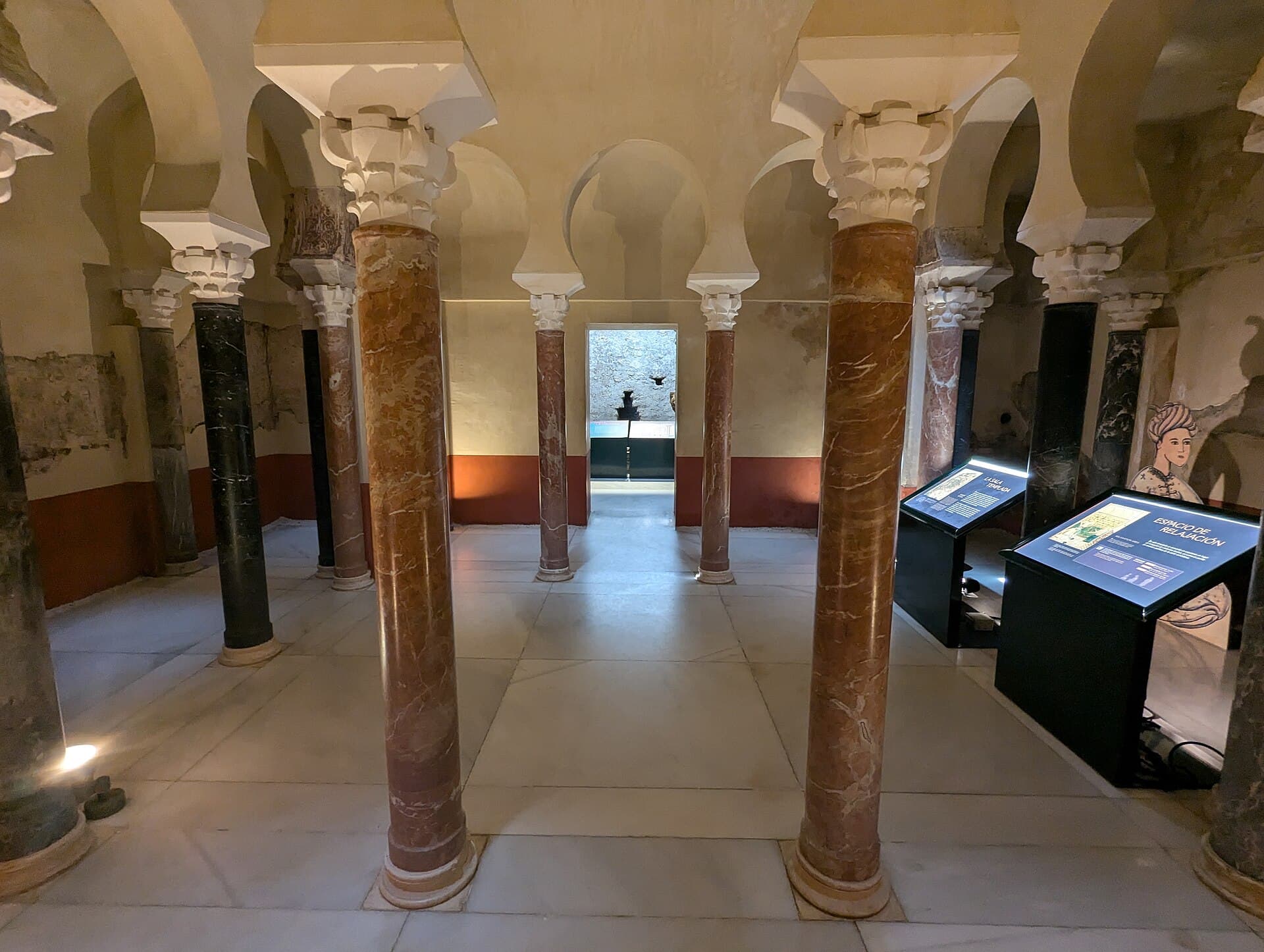 Caliphal BathsThe Caliphal Baths served the palace of the caliphs of Córdoba, and date in orig3 minutes walk4.1
Because it is one of only three medieval synagogues left in Spain — the rest were demolished or wholly altered. And its decoration brings three cultures together in one small building, which is rare and explains Córdoba better than any written account.
Fifteen minutes — it is one room. But make it part of a walk through the Judería, one of Córdoba's loveliest quarters, with its narrow lanes, white houses and flowering courtyards.
The Casa de Sefarad is a few steps away and covers the history of Andalusi Jews, the statue of Maimonides is in a nearby square, and the Mezquita is five minutes off. The whole quarter is a small walking area.