
The Great Hall
An open hearth, a horn-paned window and a table laid as a clerk inventoried it in 1478.
jhartshorn (James Hartshorn) — CC BY-SA 2.0 · Tadeusz Hare — CC BY-SA 4.0 · FrDr — CC BY-SA 4.0 · Malcolmxl5 — CC BY-SA 4.0
For most of the twentieth century nobody paid this house any attention. Its fourteenth-century timber frame sat behind a plain modern front in Coffee Yard, the narrow snickelway between Stonegate and Grape Lane, latterly as a plumber's workshop and showroom; it was only officially recorded as medieval in 1980, and the full extent of the structure emerged in 1984 when the site was sold for redevelopment. York Archaeological Trust bought it in 1987, found barely a third of the original timbers usable, and rebuilt it as it might have looked in 1483. The name has nothing to do with grain: the hall honours Professor Maurice Barley, the Trust's chairman at the time. The house went up in 1360 as a town lodging for the Priors of Nostell, gained its hall range around 1430, and by the 1460s was home to William Snawsell, a goldsmith who became Lord Mayor of York in 1468. What you see inside is a reconstruction based on an inventory written in 1478: a great hall with an open hearth, a window glazed with translucent horn instead of glass (possibly the only one in England), painted cloths on the walls, and a laid table whose plates and jugs you are allowed to pick up. This is not a museum behind glass; it is a house you are invited to wander through. That is why it works so well with children: medieval clothes to dress up in, things to handle, narrow stairs up to the bedchambers. There is no lift, the thresholds are raised and the steps are many, so pushchairs stay at the door, and wheelchair users are taken in by a side entrance to the Great Hall and Steward's Room only (free of charge in that case). After thirty to forty-five minutes you will have seen everything, which is less a flaw than a fact worth knowing before you pay. Be honest with yourself: with two hours in York this is not a priority, because the Minster, the city walls and the Shambles matter more. But on a wet afternoon, or with children who have had enough of walking, or bundled into the Pastport ticket with JORVIK and DIG, it becomes a warm, clever half hour ten minutes on foot from the railway station.
An open hearth, a horn-paned window and a table laid as a clerk inventoried it in 1478.
The plates, jugs and clothes are working replicas, so children dress up and touch everything.
A fourteenth-century timber frame recognised behind a plumber's workshop front in the 1980s and bought by archaeologists in 1987 rather than lost to redevelopment.
Coffee Yard, off Stonegate, York YO1 8AR
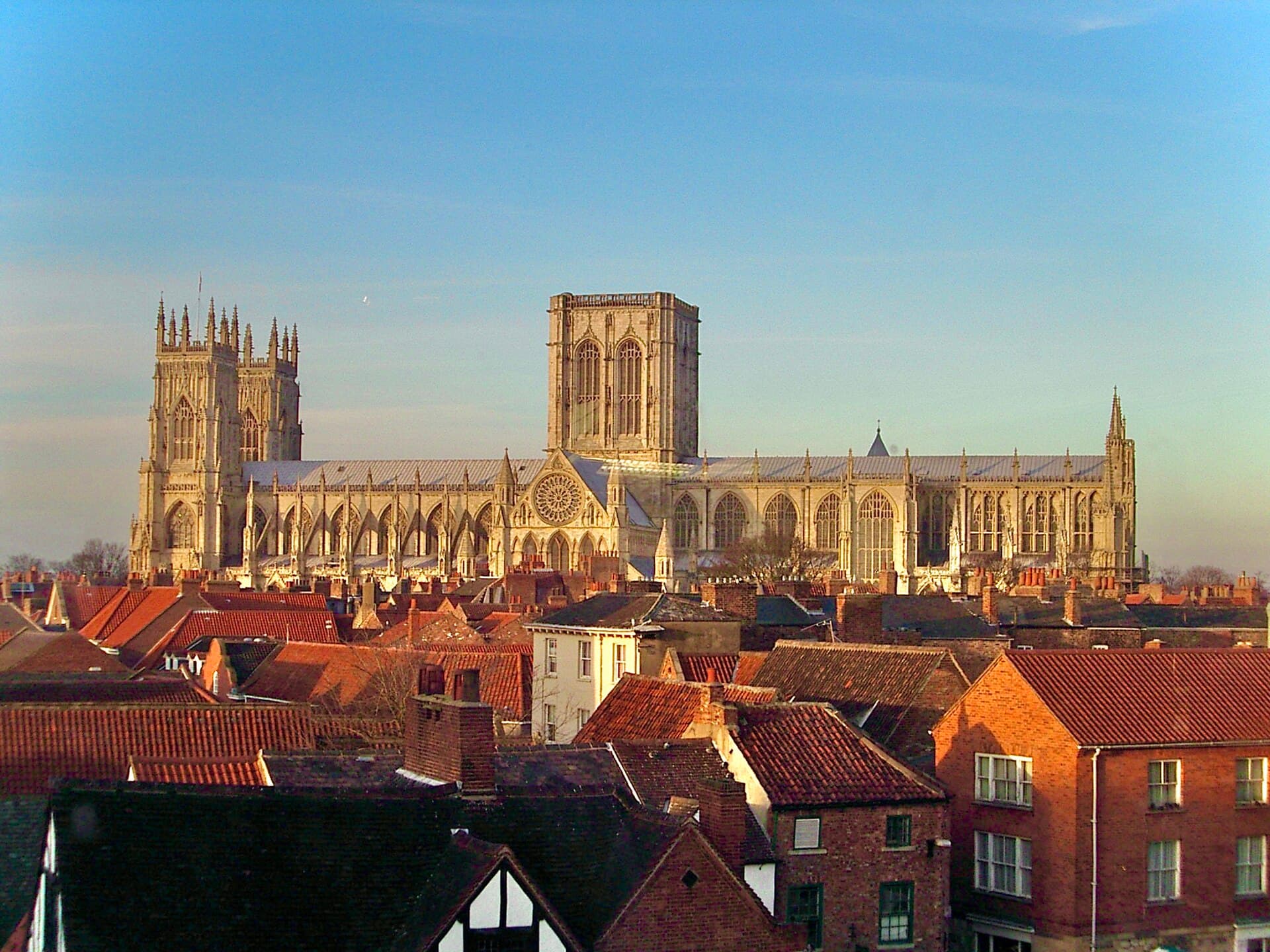 York MinsterThe Great East Window alone is roughly the size of a tennis court: more than thr2 minutes walk4.8
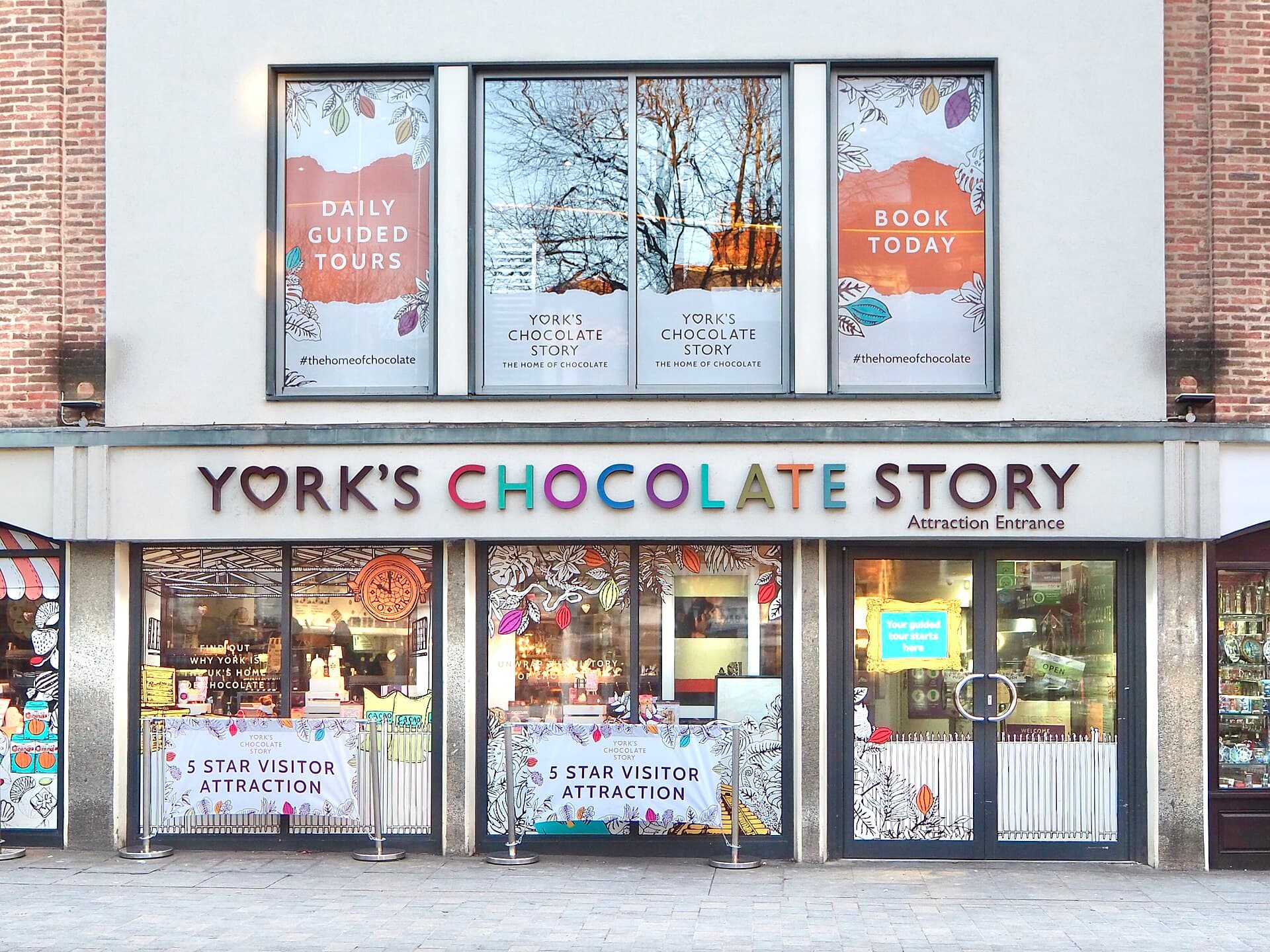 York's Chocolate StoryKit Kat, Aero, Smarties and the Terry's Chocolate Orange were all born in York, 2 minutes walk4.5
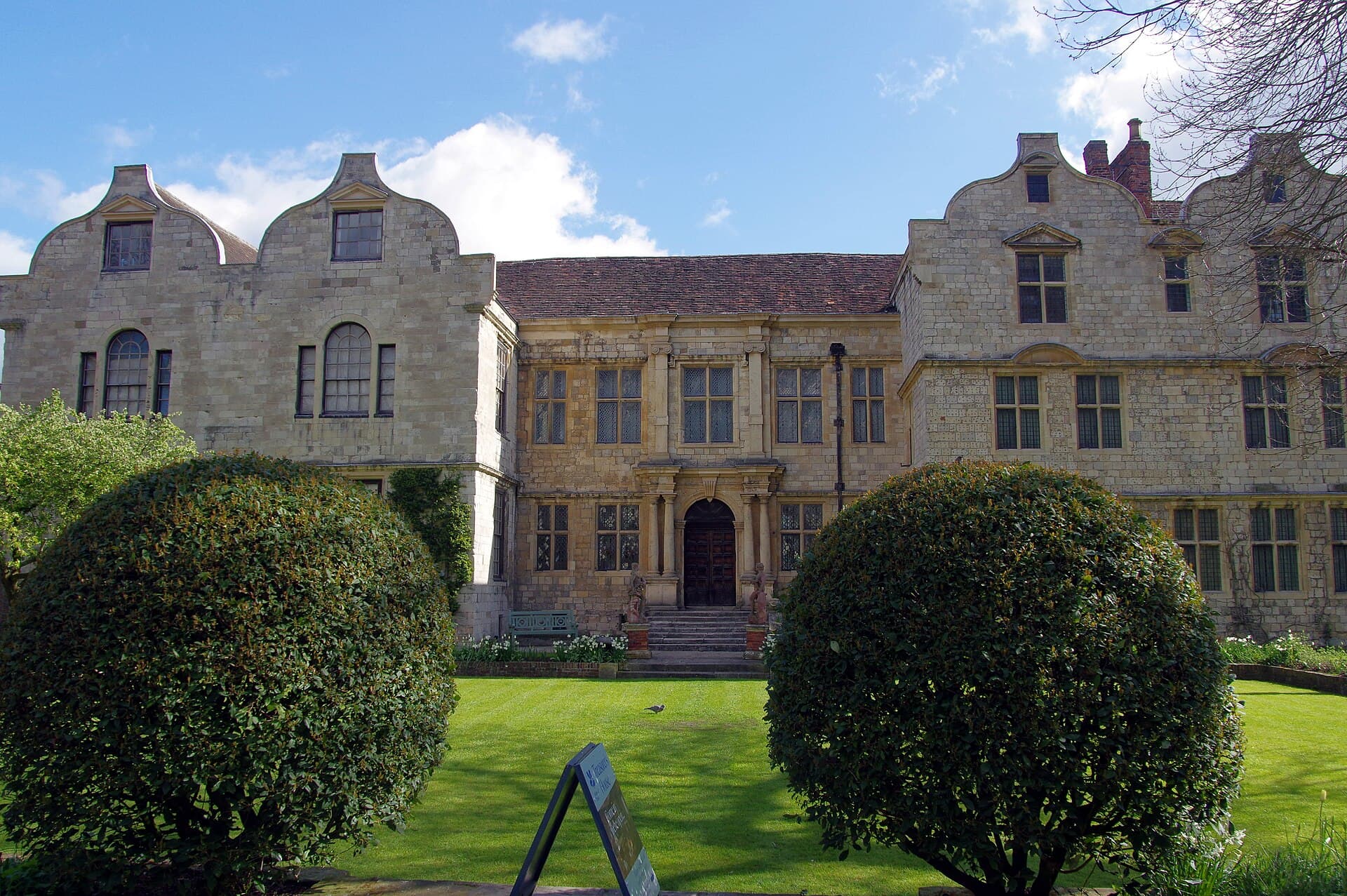 Treasurer's HouseIn 1953 an eighteen-year-old apprentice plumber working in this cellar heard a t3 minutes walk4.5
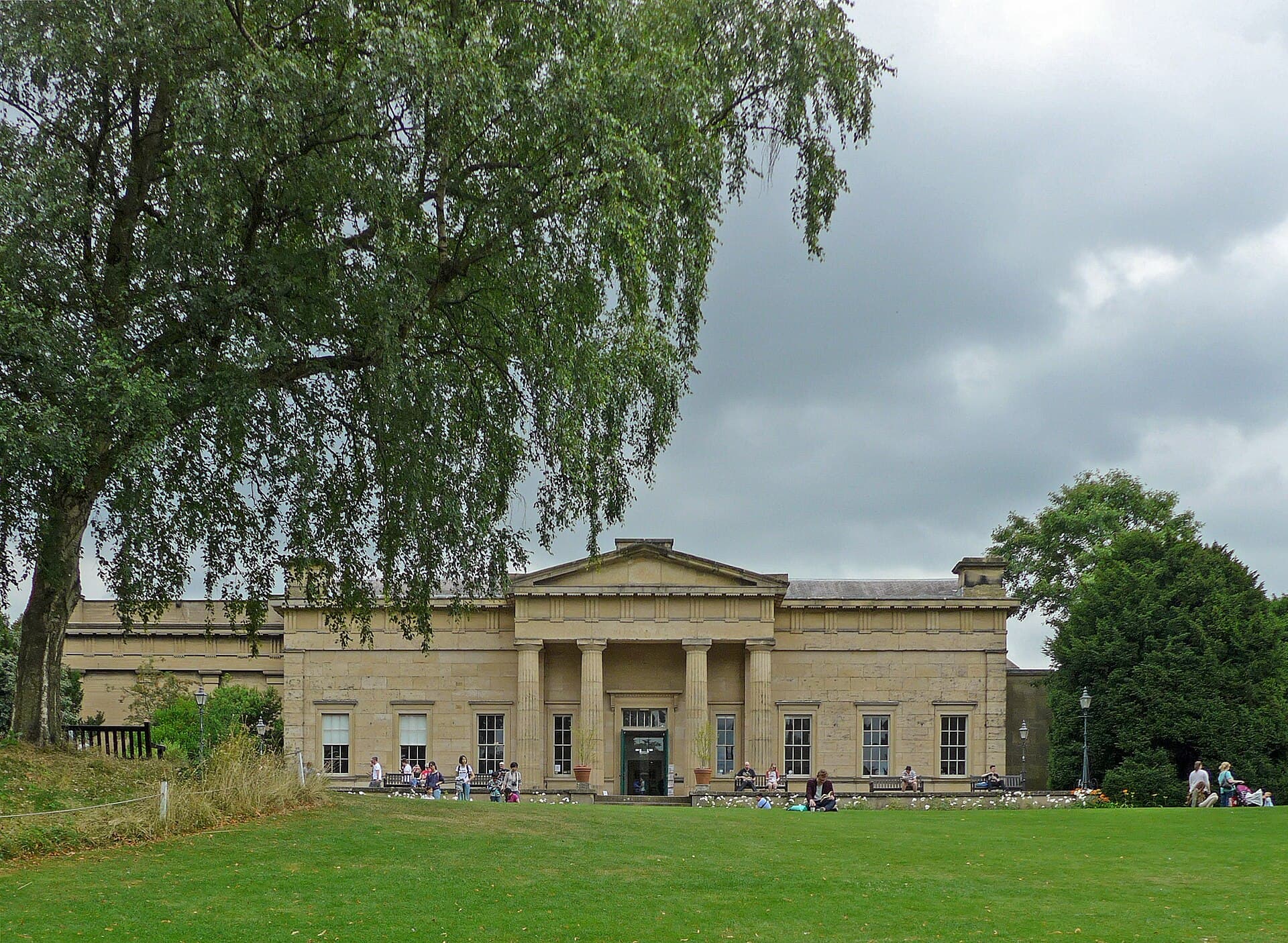 Yorkshire MuseumThe largest hoard of Iron Age metalwork ever found in Britain, more than eight h4 minutes walk4.4
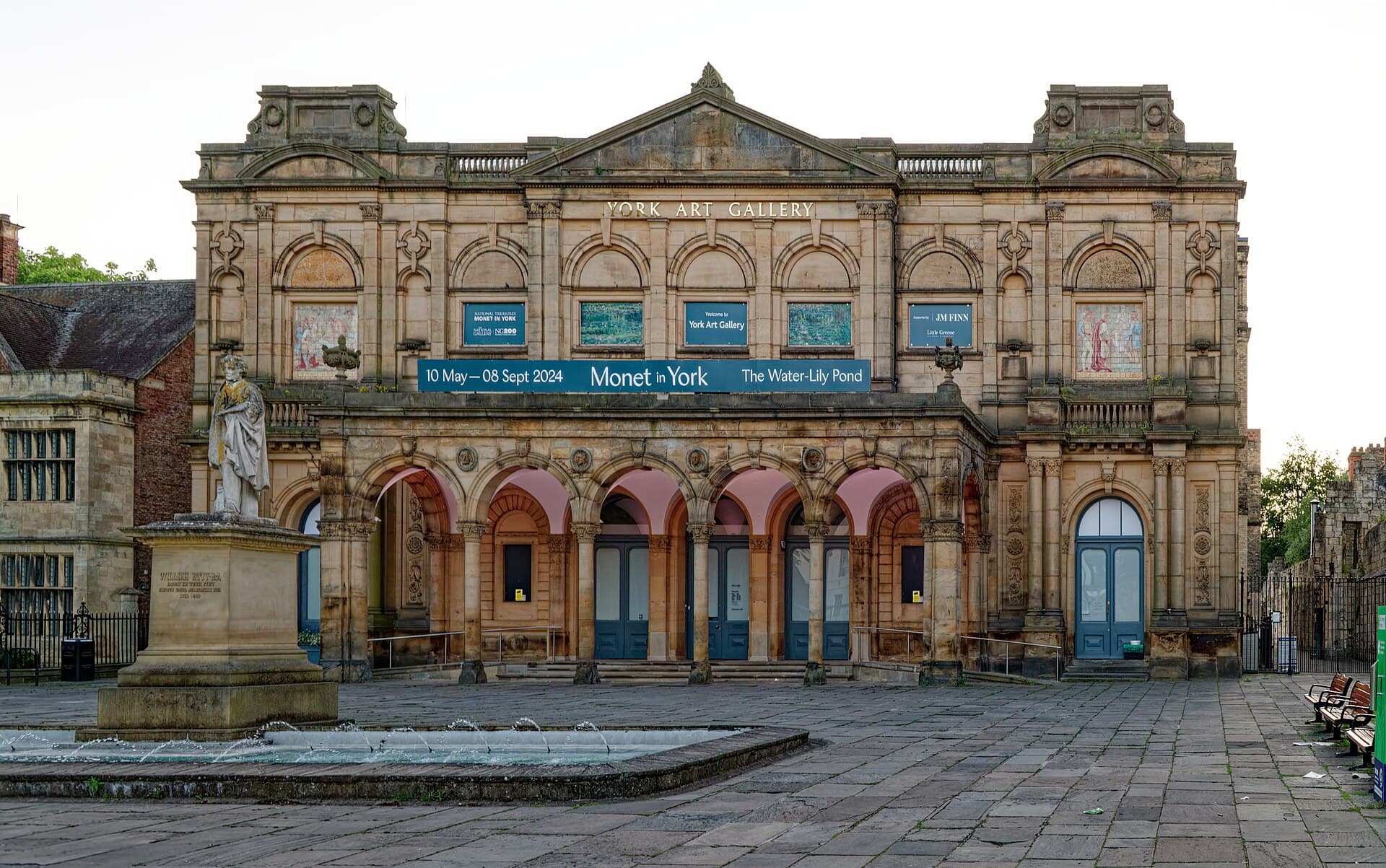 York Art GalleryA seventeen-metre wall stacked with more than a thousand pots, from Roman potter4 minutes walk4.3
If you buy the Pastport combined ticket (GBP 25 adult) the extra cost over JORVIK alone is small and you get three sites, so yes. As a standalone GBP 9.50 ticket for half an hour it is fair value with children and comfortably skippable for adults in a hurry.
Not for pushchairs: narrow stairs, raised thresholds and no lift, so it stays at the entrance. Wheelchair users are taken in by a side entrance to the Great Hall and Steward's Room only, and are admitted free for that reason; the toilets are not accessible either.