
The Melsonby Hoard
Around 160 pieces from a hoard of more than eight hundred Iron Age chariot fittings and cauldrons, on show here only until summer 2027.
Tim Green from Bradford — CC BY 2.0 · Tilman2007 — CC BY-SA 4.0 · Michael Garlick — CC BY-SA 2.0 · Michael Garlick — CC BY-SA 2.0
The largest hoard of Iron Age metalwork ever found in Britain, more than eight hundred pieces of chariot wheels, bronze cauldrons and horse harness, was bought for the museum after a public appeal in 2025, and since May 2026 a first selection of around 160 objects, including the fused 150 kg block that conservators are still excavating, has been on show here, staying until summer 2027. That single fact rewrites the case for visiting: a respectable regional museum has become, for the next year, an appointment with a discovery archaeologists are still working to understand. The building is an exhibit in its own right. Opened in 1830 in the Greek Revival manner, it is one of the oldest purpose-built museums in England and sits in Museum Gardens above the River Ouse, among the ruins of St Mary's Abbey. Three floors run through the centuries: Roman York with its statues, mosaics and the skeleton of the 'Ivory Bangle Lady', proof that the city was multi-ethnic two thousand years ago; the Viking North exhibition, running until 2027, with the celebrated Anglo-Saxon York Helmet and the Vale of York Hoard; medieval York and the gold Middleham Jewel; and Yorkshire's Jurassic World, where marine reptiles and dinosaur bones wait for the children. Adults pay £10, children aged five to sixteen £6, and a family of four £29, every ticket valid for twelve months, so coming back on another wet afternoon costs nothing. Advance booking is optional, but in the summer holidays you may find a short queue at the door that an online ticket lets you skip. The museum is shut on Mondays; the gardens around it are free, with a refreshment kiosk and picnic lawns, so budget half a day rather than an hour. Three honest caveats. Some displays change every year or two, so check the website if you are travelling for a particular object. The basement gallery of carved abbey stonework is easily missed because it lies away from the main stairs, so go down. And the lift has been suffering intermittent faults, so families with pushchairs may need staff help, which is readily given. Accessible toilets and baby changing are inside the museum (the gardens have none); do not count on lockers for large bags.
Around 160 pieces from a hoard of more than eight hundred Iron Age chariot fittings and cauldrons, on show here only until summer 2027.
Mosaics, statues and the 'Ivory Bangle Lady', then the famous York Helmet in the Viking North gallery.
Local marine reptiles and dinosaur bones, the room children head to first and one that works from about age five.
Museum Gardens, Museum Street, York YO1 7FR
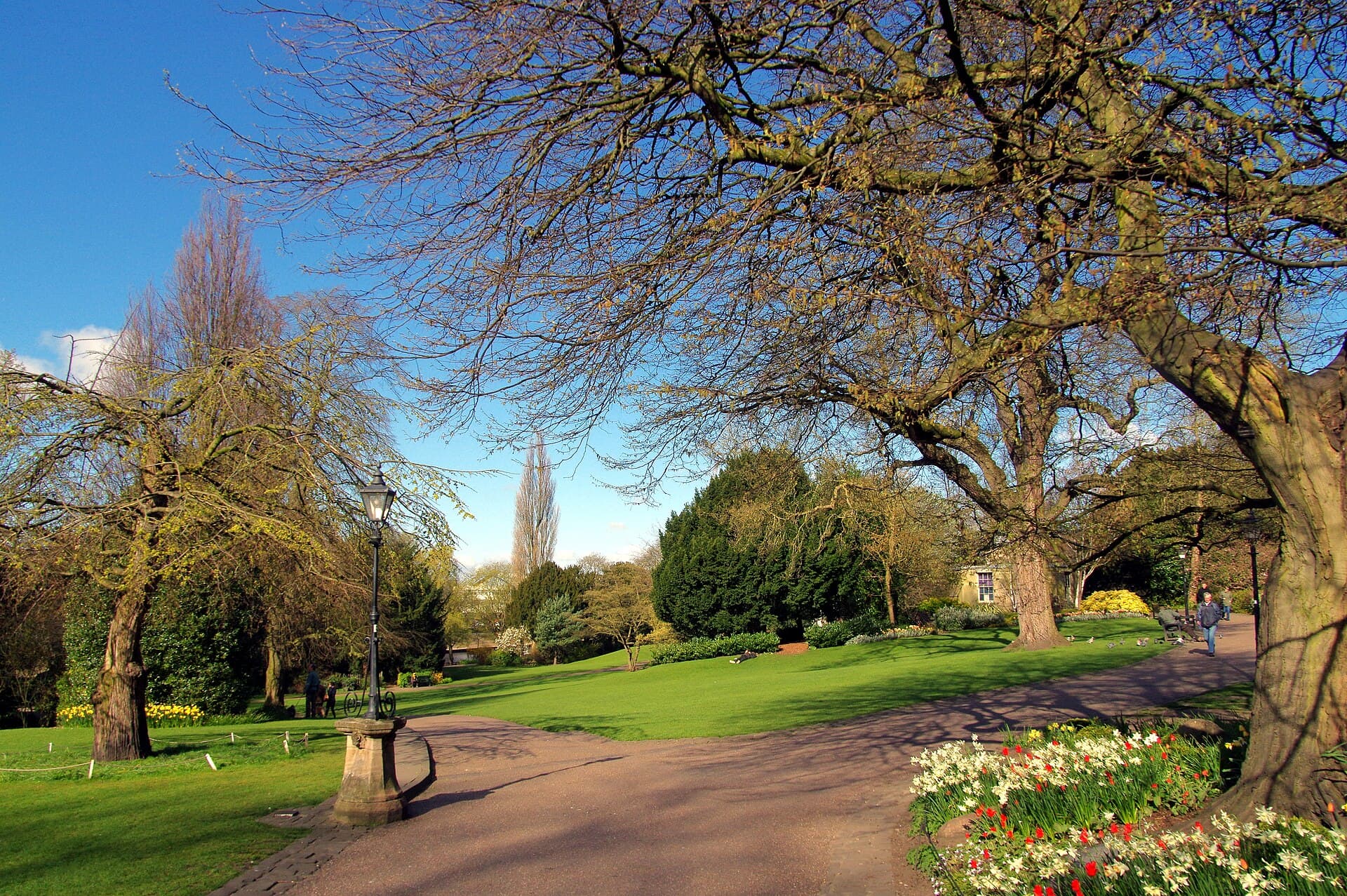 York Museum GardensA vast roofless wall with empty Gothic windows framing the sky stands in ten acr1 minute walk4.6
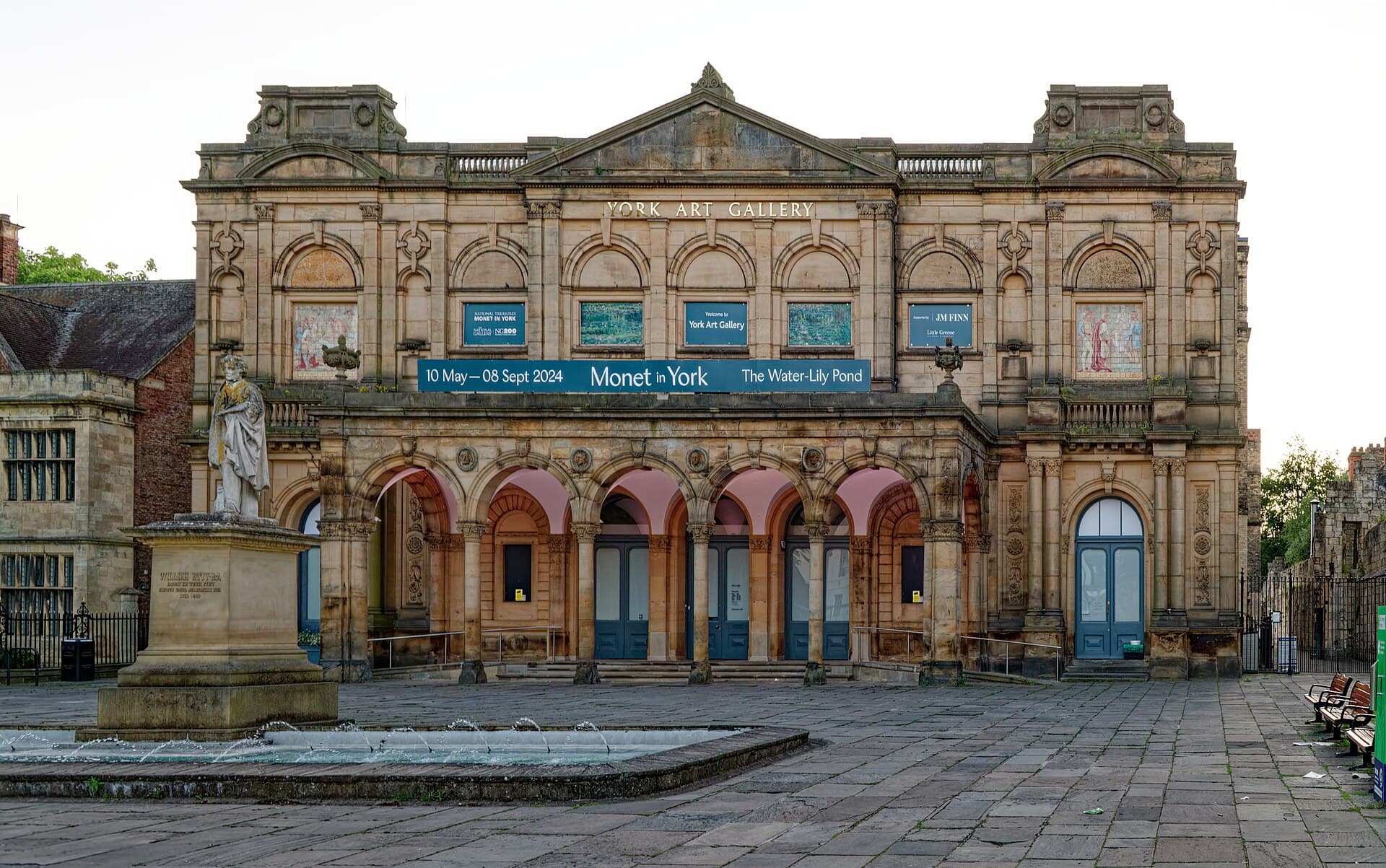 York Art GalleryA seventeen-metre wall stacked with more than a thousand pots, from Roman potter2 minutes walk4.3
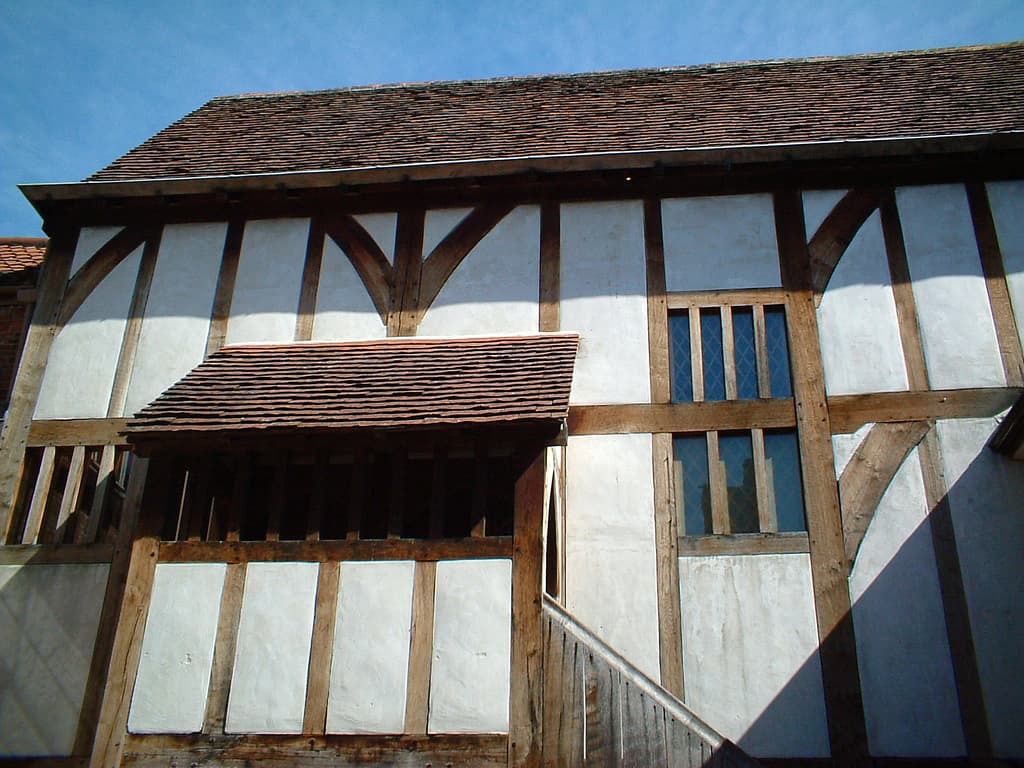 Barley HallFor most of the twentieth century nobody paid this house any attention. Its four4 minutes walk4.5
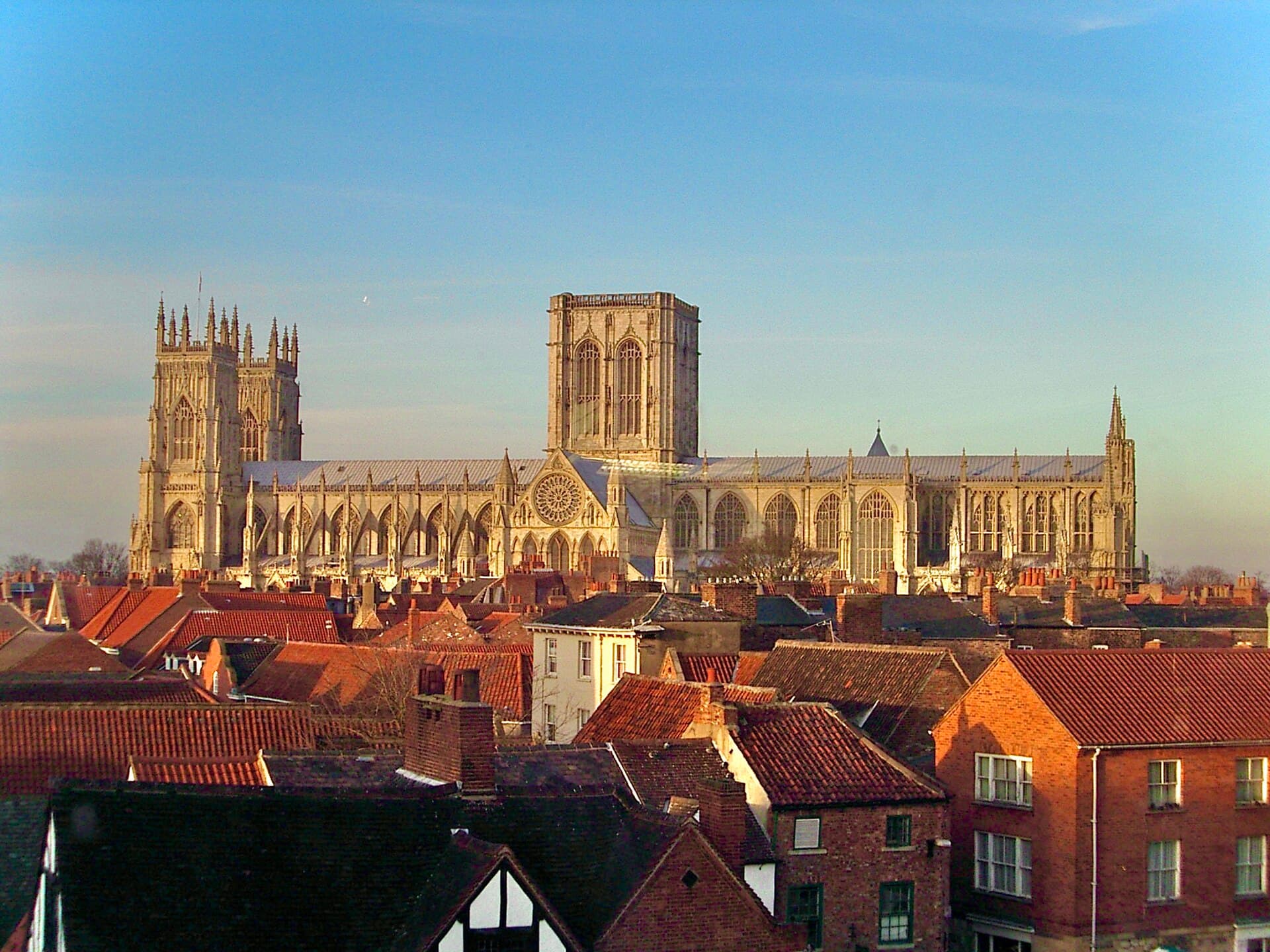 York MinsterThe Great East Window alone is roughly the size of a tennis court: more than thr5 minutes walk4.8
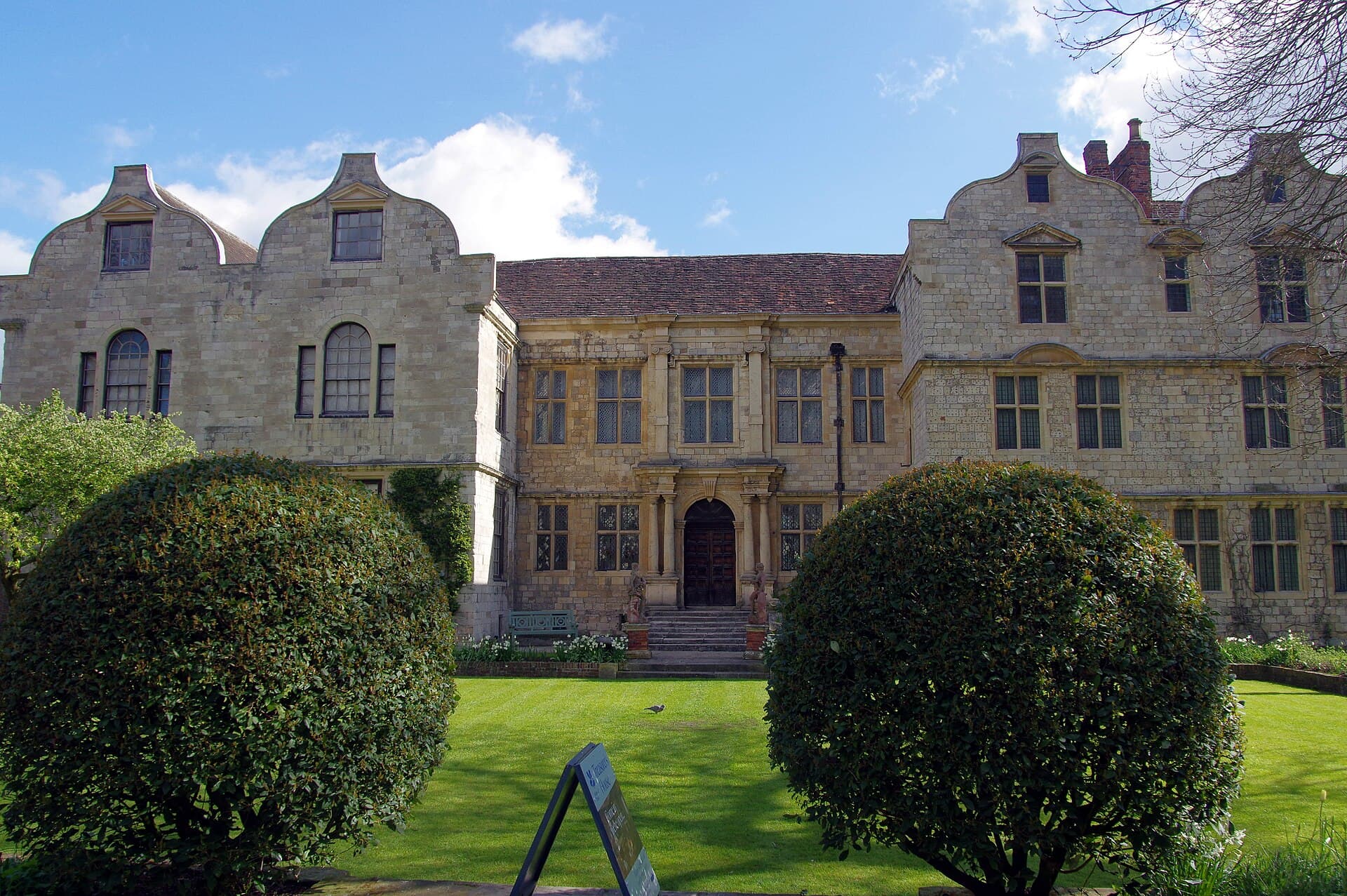 Treasurer's HouseIn 1953 an eighteen-year-old apprentice plumber working in this cellar heard a t6 minutes walk4.5
Jorvik dazzles small children with its ride and its smells, but it takes under an hour and costs more. The Yorkshire Museum is quieter, far richer in genuine objects, suits children from about eight, and the ticket lasts a year. With under-sevens and one day's budget, pick Jorvik; otherwise the two together make an ideal morning in the city centre.
It is not compulsory, but in July and August a queue can form at the door. Booking on the official site costs the same and saves the wait, and Visit York Pass holders must pre-book a free timed slot.