
Pink and gold stucco
Painted ceilings and interlacing plant ornament — Rococo as the building, not its decoration.
Flocci Nivis — CC BY 4.0 · Leonhard Lenz — CC0 · Leonhard Lenz — CC0 · Leonhard Lenz — CC0
A mid-eighteenth-century church in the Wilten district south of central Innsbruck, among the most important Rococo buildings in the Tyrol and arguably in Austria. The exterior is comparatively restrained and suggests little, which is part of the effect: the interior is an explosion of white, pink and gold stucco, with painted ceilings, interlacing plant ornament and angels in every corner. Rococo here is not applied to the building; it is the building. The church was raised around a fourteenth-century statue of the Virgin that had become a pilgrimage object, and that is why it exists: the pilgrims came first and the church was built for them. In the same district stands Wilten Abbey, a Premonstratensian house in place since the twelfth century with its own church. The two adjoin and are seen together, and the tram from central Innsbruck takes minutes. Entry is normally free, which is unusual for a building of this importance.
Painted ceilings and interlacing plant ornament — Rococo as the building, not its decoration.
A fourteenth-century Virgin that drew pilgrims, with the church coming afterwards.
A twelfth-century Premonstratensian house next door — see them together.
Wilten district, south of central Innsbruck
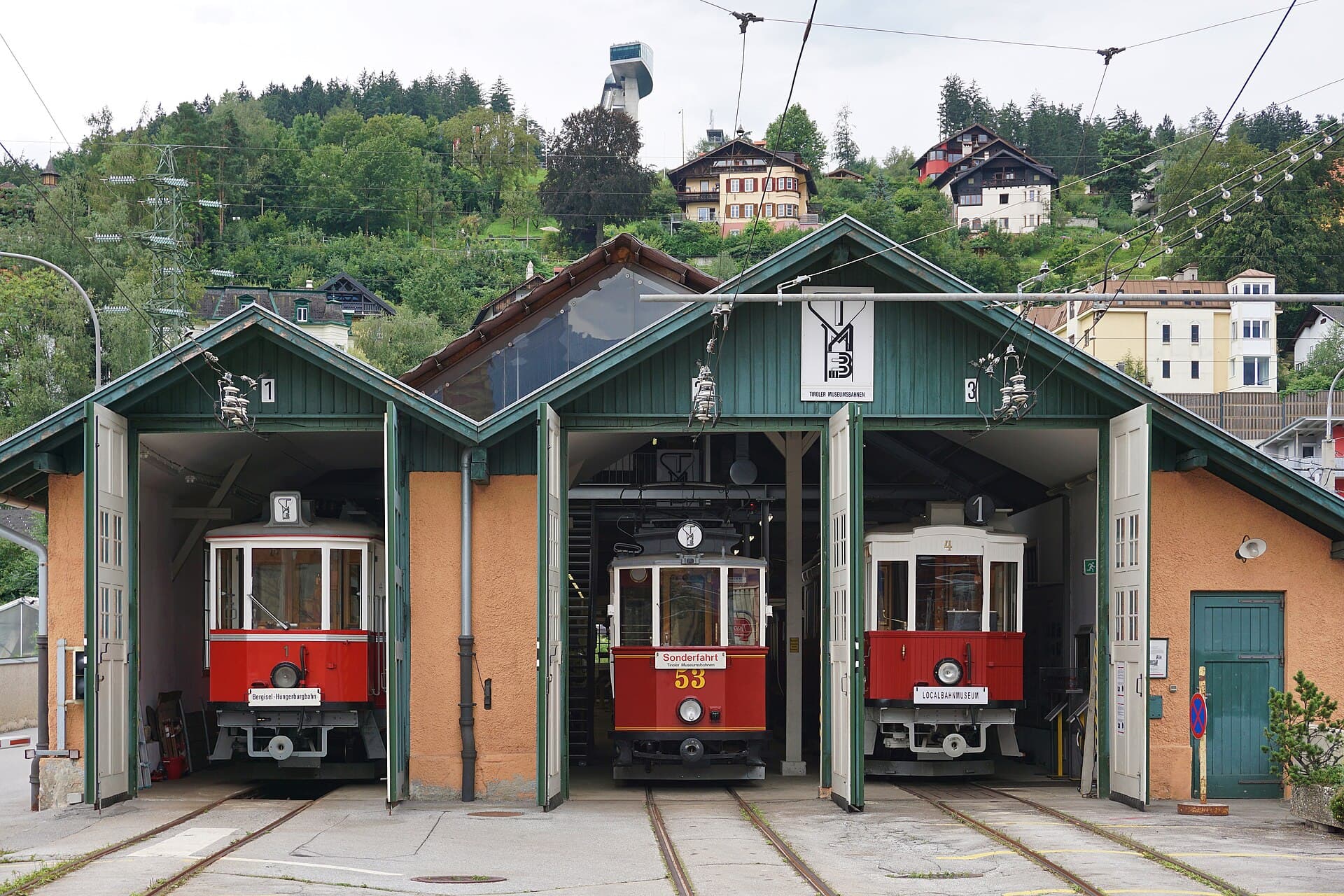 Tyrolean Museum RailwaysA railway museum run by a volunteer association in Innsbruck, preserving tram ca2 minutes walk4.2
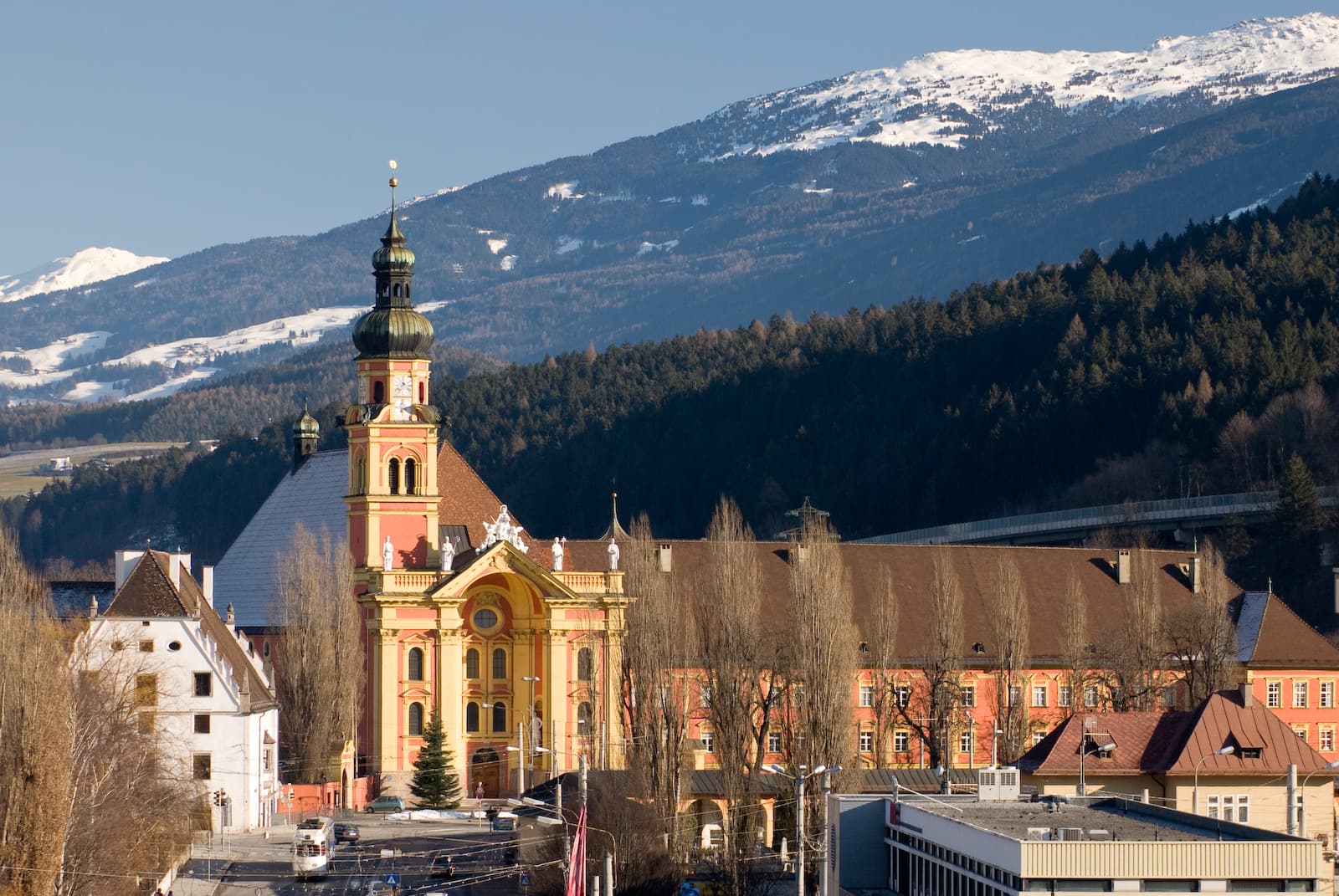 Wilten AbbeyA Premonstratensian abbey in the Wilten district, in place since the twelfth cen2 minutes walk4.7
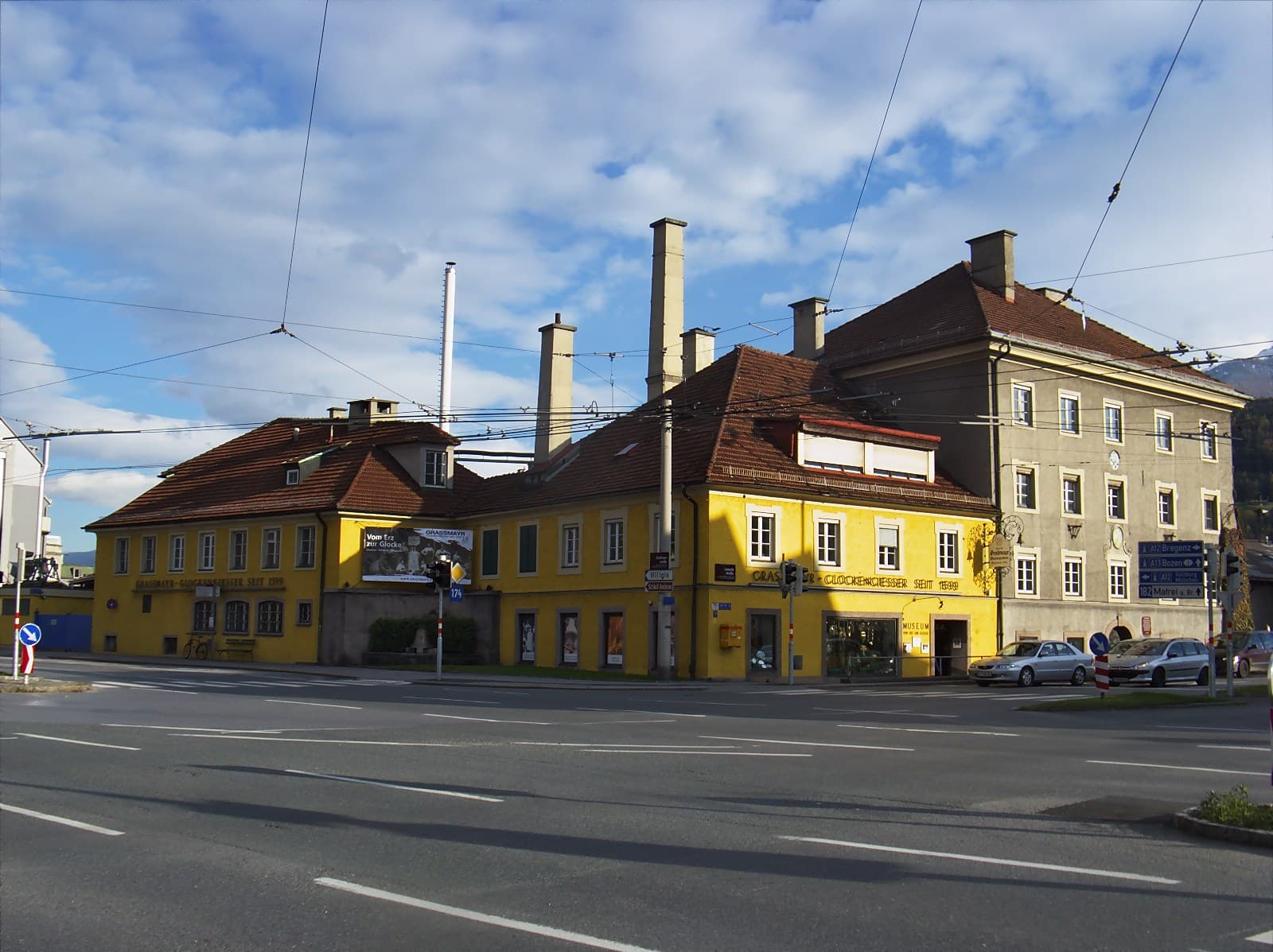 Grassmayr Bell MuseumA museum inside a working bell foundry run by the Grassmayr family since the sev3 minutes walk4.8
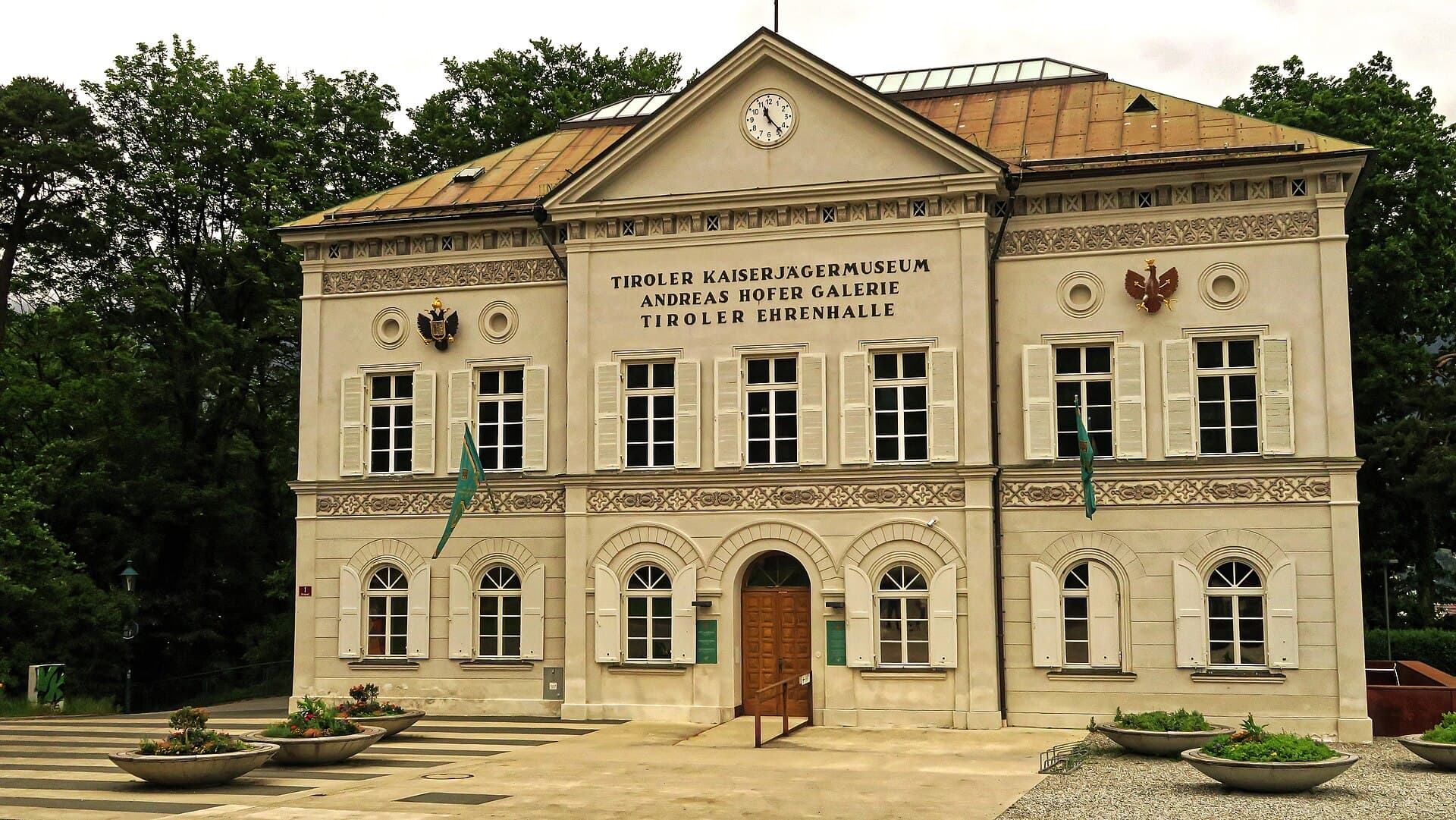 Tyrolean Kaiserjäger MuseumA military museum on the Bergisel hill south of Innsbruck, devoted to the Tyrole5 minutes walk4.4
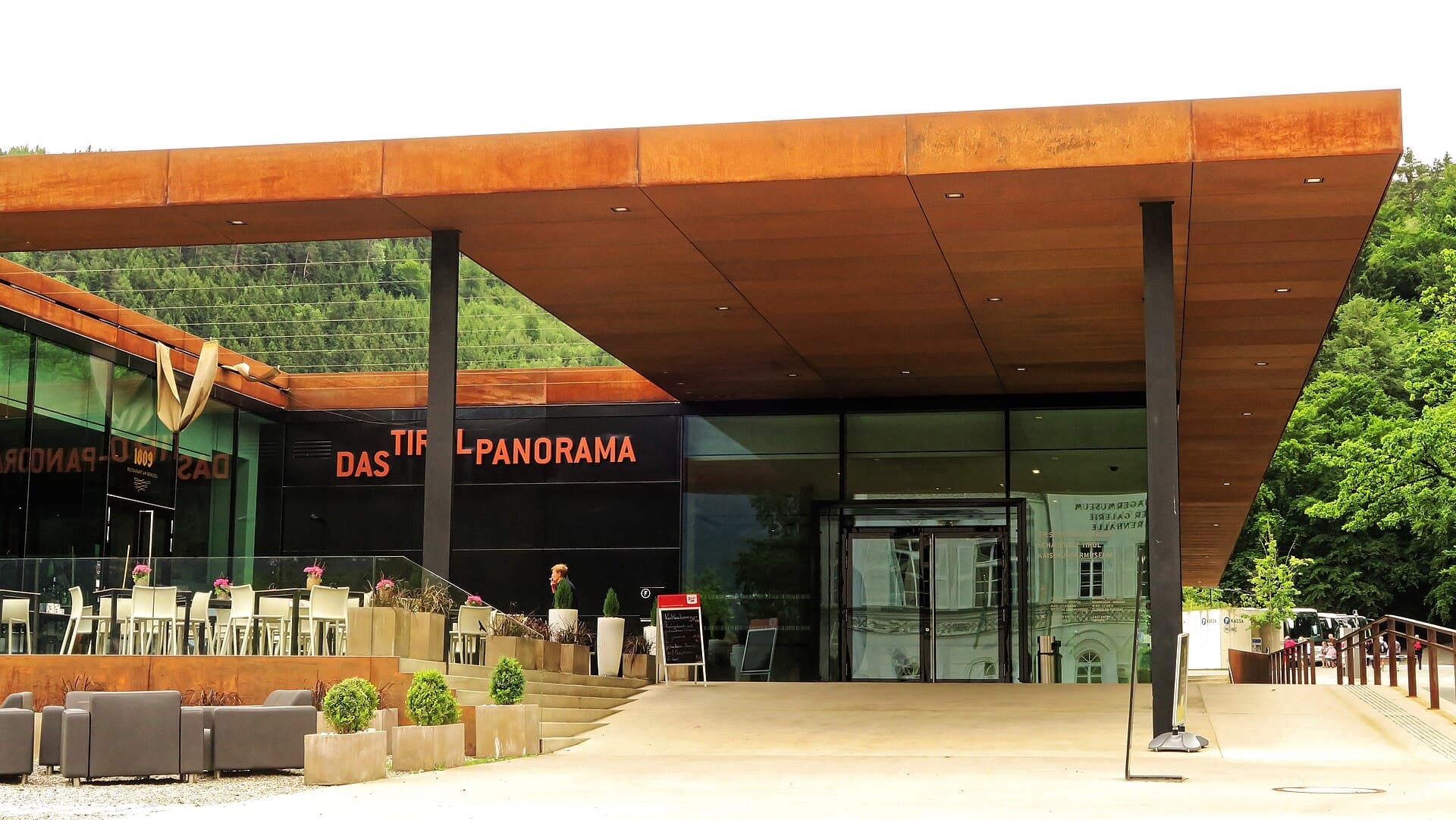 Das Tirol PanoramaDas Tirol Panorama is a modern building on the Bergisel hill south of Innsbruck,6 minutes walk4.7
The basilica is an eighteenth-century Rococo pilgrimage church; the abbey is a monastic house in place since the twelfth century with its own church in a different style. They are separate adjoining buildings and both deserve a stop — the stylistic contrast between them is clear and interesting.
By tram from central Innsbruck in about ten minutes, with a stop near the church. The area is residential and quiet, and it is also walkable from the Bergisel ski jump if you are already there.