
The giant Haymon
A large statue at the entrance, and a local legend every Innsbrucker knows.
Veitmueller — CC BY-SA 3.0 · Dennis G. Jarvis — CC BY-SA 2.0 · Rijksmuseum — CC0 · Smiley.toerist — CC BY-SA 4.0
A Premonstratensian abbey in the Wilten district, in place since the twelfth century and still a working religious community today — not a museum but an institution continuous for eight hundred years. The present buildings date from the seventeenth century after rebuilding, and the abbey church is early Baroque, darker and heavier inside than the pink Wilten Basilica beside it. The comparison between the two is the best thing about visiting this district: barely a century separates them and the styles are entirely different. In front of the church entrance stands a large statue of the giant Haymon, a figure from a local legend holding that he founded the abbey in penance for killing another giant. The legend is part of Wilten's identity and every Innsbrucker knows it. A practical point: the abbey is a working religious institution rather than a visitor site. The church can be seen at set times outside services, and the rest of the complex is closed or visited only by prior arrangement.
A large statue at the entrance, and a local legend every Innsbrucker knows.
A darker, heavier interior than the basilica next door — one century, two styles.
In place since the twelfth century without interruption, which is rare.
Wilten district, south of central Innsbruck
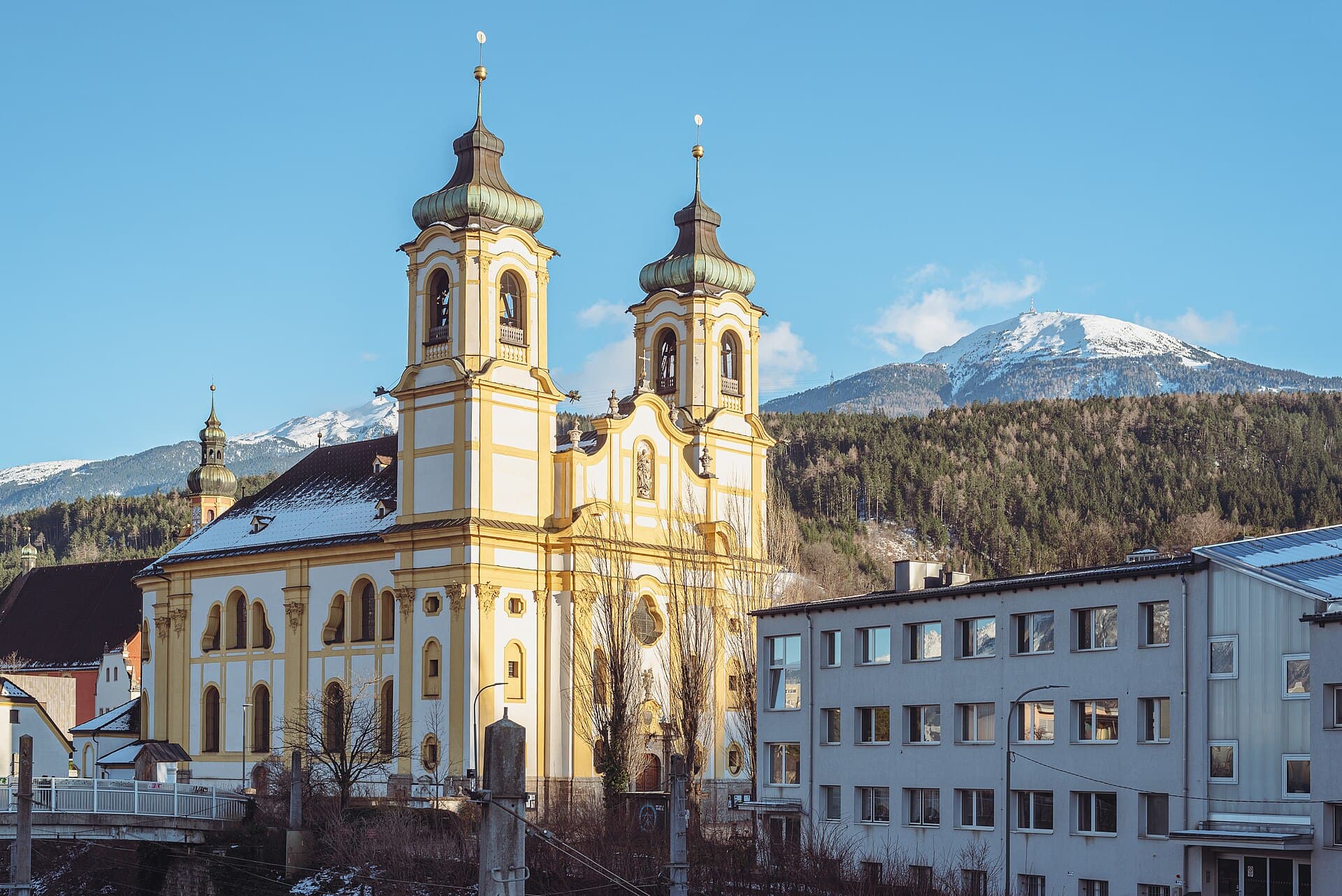 Wilten BasilicaA mid-eighteenth-century church in the Wilten district south of central Innsbruc2 minutes walk4.6
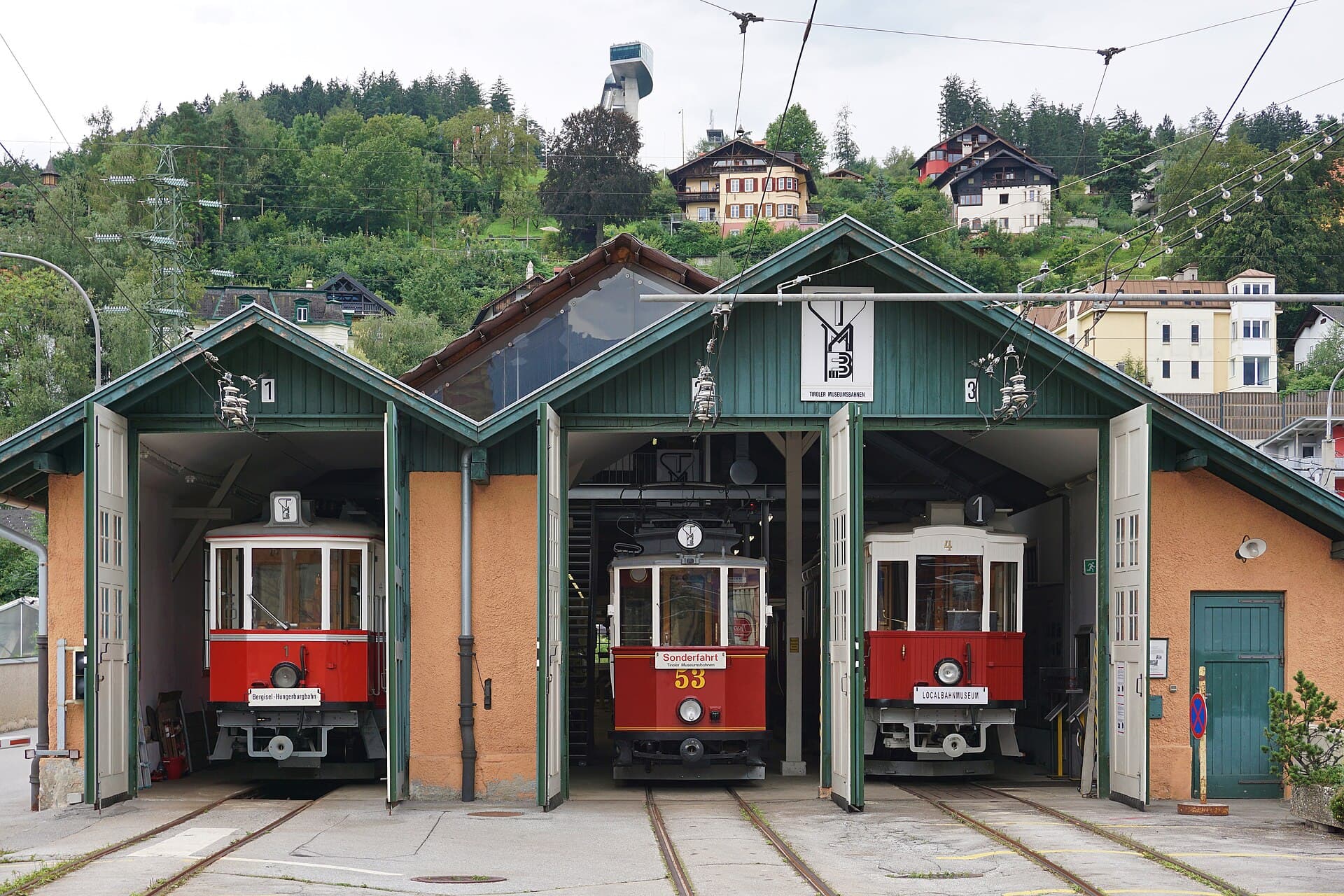 Tyrolean Museum RailwaysA railway museum run by a volunteer association in Innsbruck, preserving tram ca3 minutes walk4.2
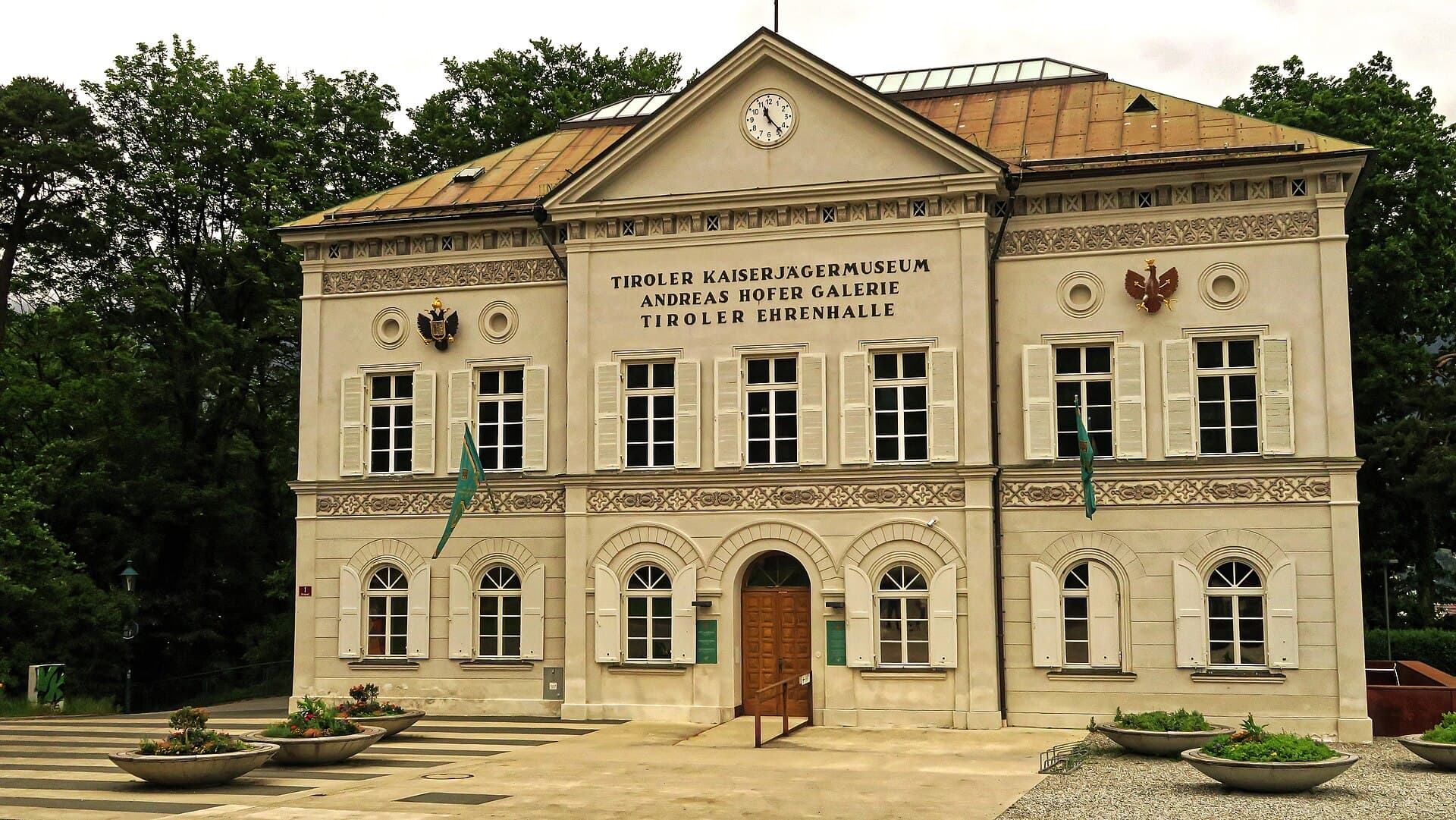 Tyrolean Kaiserjäger MuseumA military museum on the Bergisel hill south of Innsbruck, devoted to the Tyrole4 minutes walk4.4
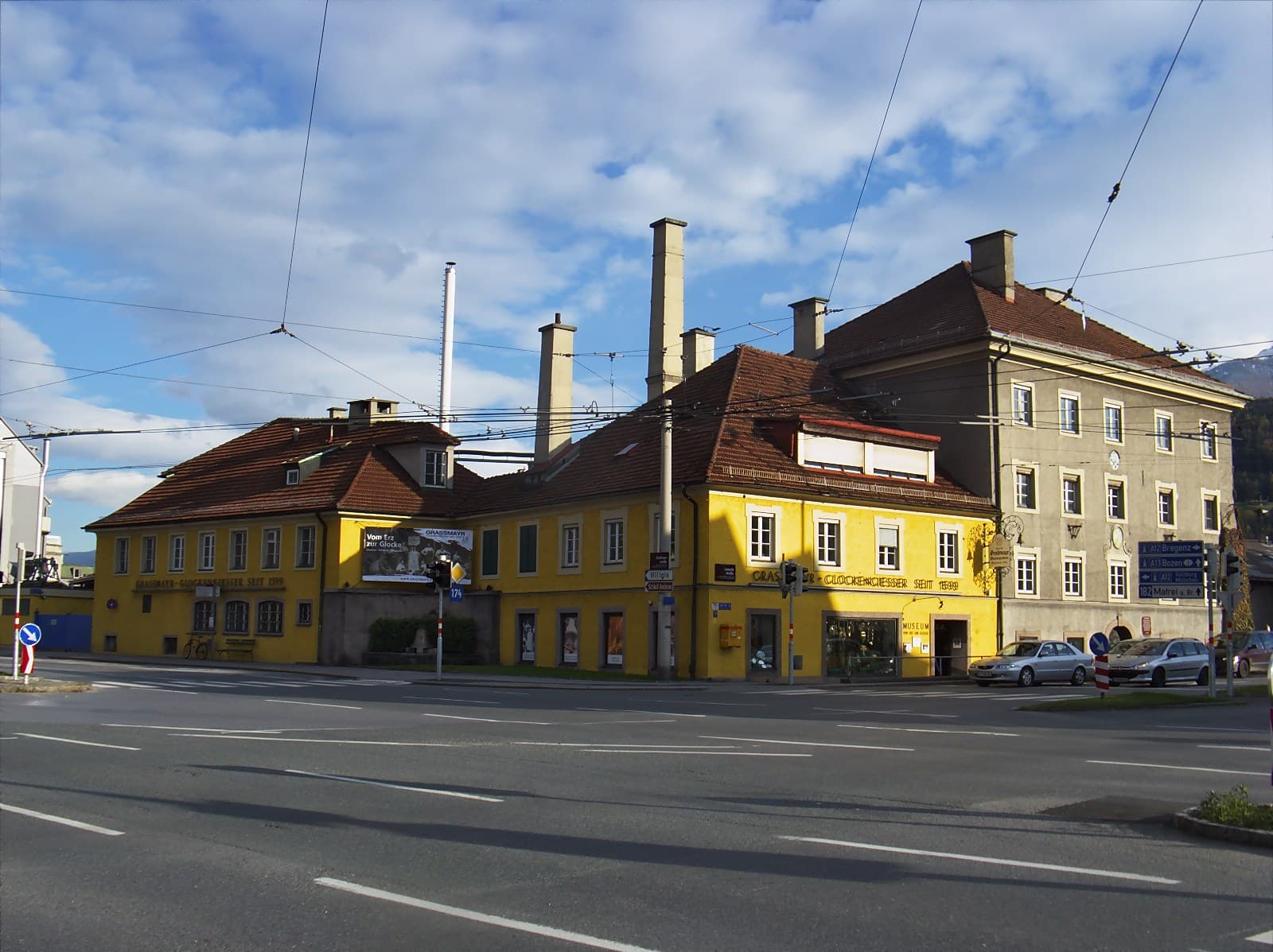 Grassmayr Bell MuseumA museum inside a working bell foundry run by the Grassmayr family since the sev4 minutes walk4.8
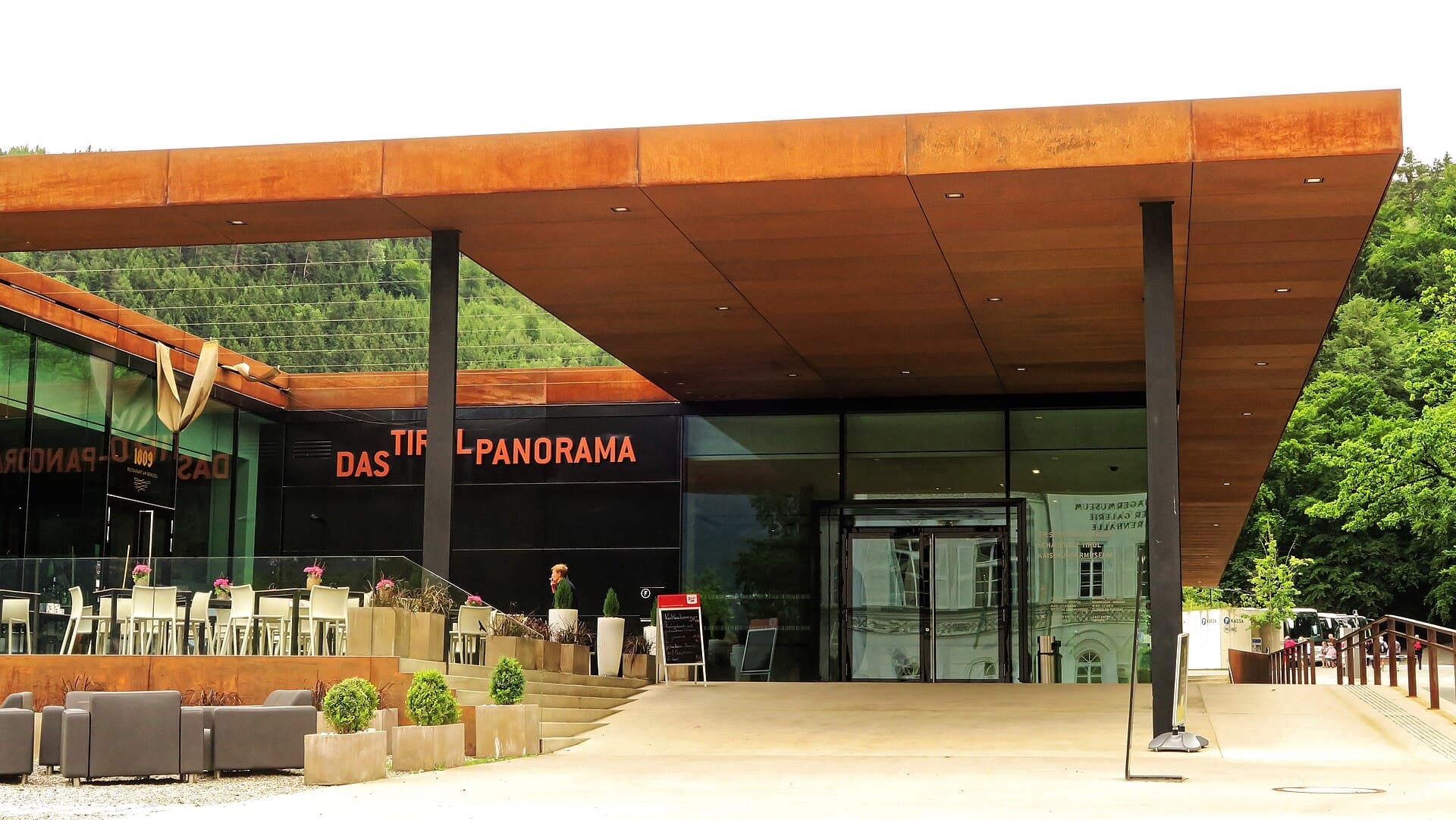 Das Tirol PanoramaDas Tirol Panorama is a modern building on the Bergisel hill south of Innsbruck,5 minutes walk4.7
Usually not. The church is open outside services, but the rest of the complex — the inner cloisters and library — is closed or by prior arrangement only, because the religious community lives there. Do not expect a full tour as at a museum abbey.
Both, since they adjoin and the two together take under an hour. If you must choose, the basilica is more visually striking and better known architecturally, while the abbey matters more historically. Best is to see them in sequence to notice the difference.