
The Oktoberfest story
It began in 1810 as a celebration of the Bavarian crown prince's wedding, and grew into the world's largest folk festival.
Fentriss — CC BY-SA 4.0 · Burkhard Mücke — CC BY-SA 4.0 · Galaxylady1110 — CC BY-SA 3.0 de · Galaxylady1110 — CC BY-SA 3.0 de
The Beer and Oktoberfest Museum is a small museum in one of Munich's oldest houses, the building itself dating from about 1340. It covers two subjects: the history of brewing in Bavaria, and the story of the Oktoberfest from its beginning in 1810 as a celebration of a royal wedding. The displays are simple: old brewing equipment, photographs, prints and festival costumes through the decades. The building is part of the pleasure, with its narrow wooden stair and low ceilings. Note: the museum is small with short opening hours — afternoons only and on limited days — so check before going. A visitor who does not drink alcohol still gets the historical and social side of the festival.
It began in 1810 as a celebration of the Bavarian crown prince's wedding, and grew into the world's largest folk festival.
A house from about 1340 with a narrow wooden stair and low ceilings — among Munich's oldest.
A Bavarian law of 1516 defining what beer may contain — among the world's oldest food-safety rules.
Sterneckerstraße 2, 80331 München
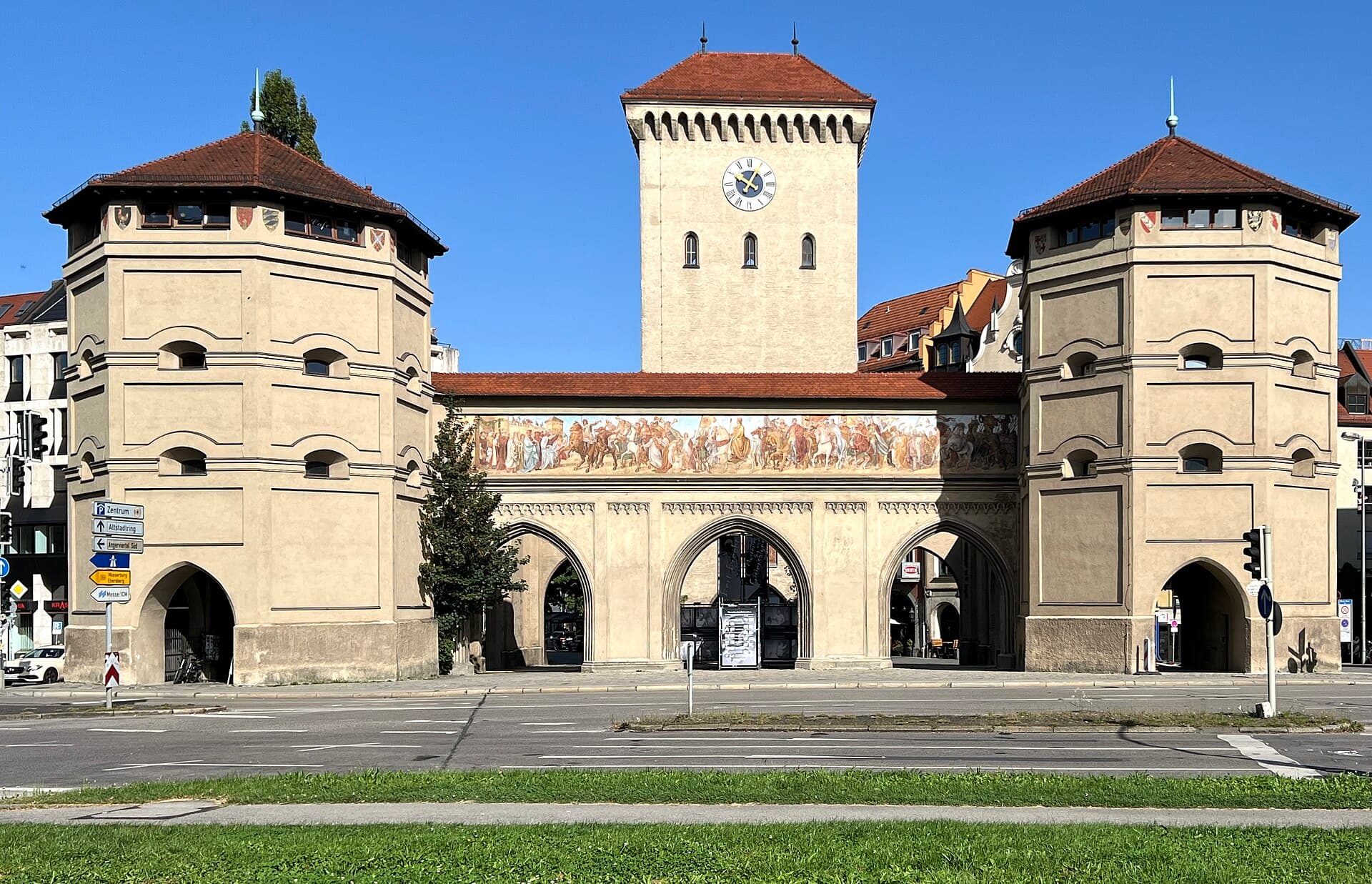 IsartorThe Isartor is the eastern gate of Munich's medieval wall, built in 1337 and the1 minute walk4.6
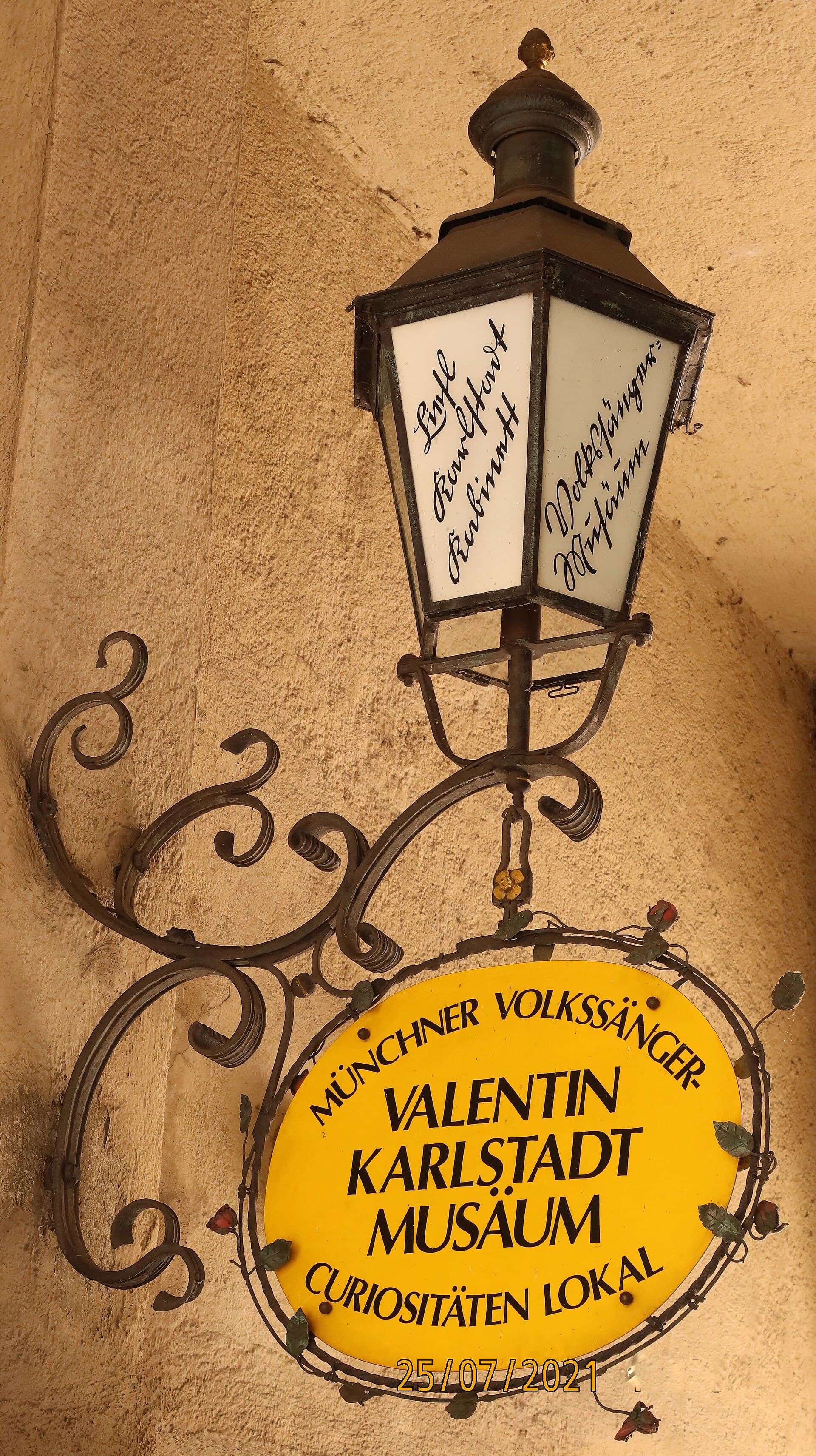 The Valentin-Karlstadt MusaeumThis museum sits inside the Isartor — one of the surviving gates of Munich's med1 minute walk4.7
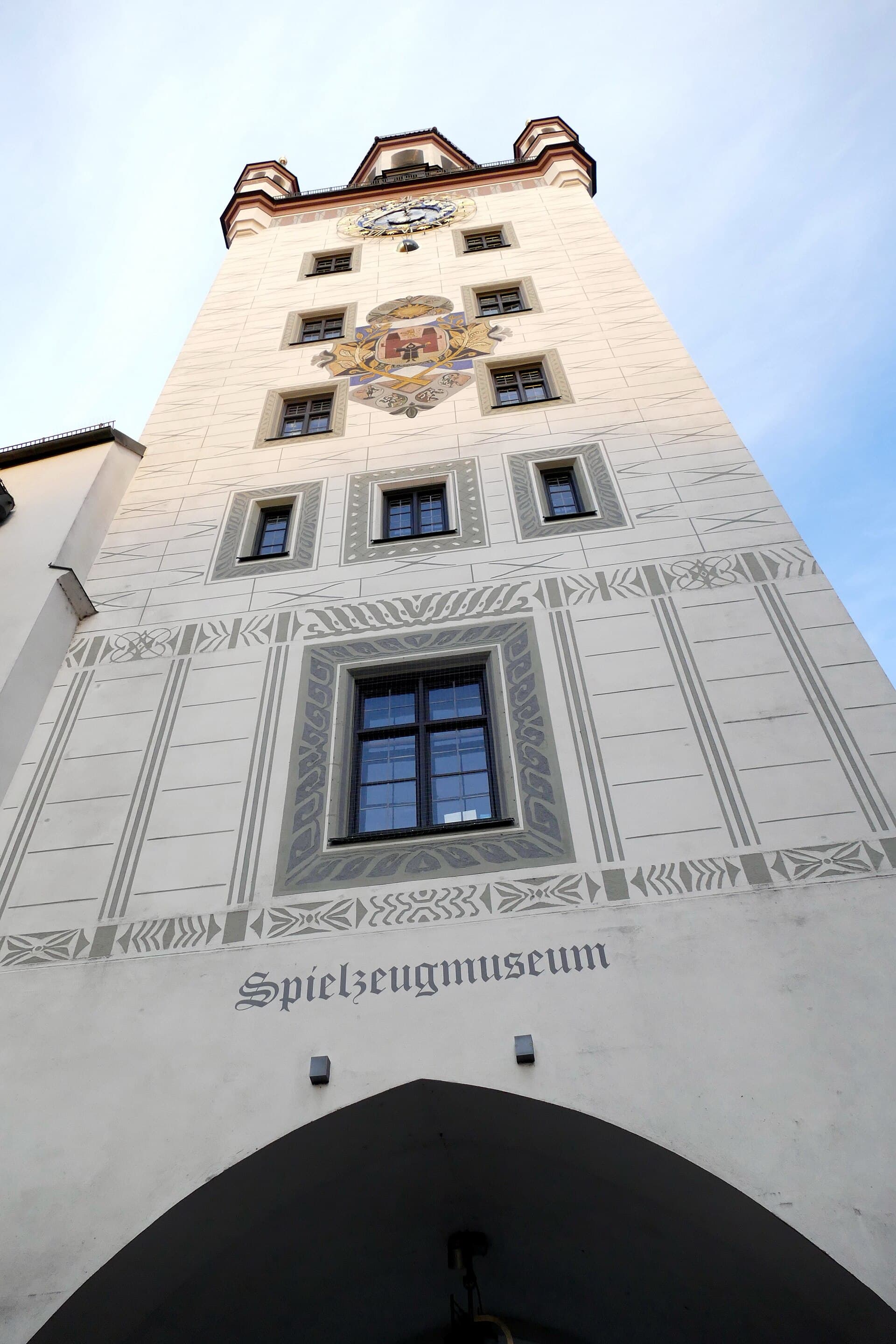 Toy Museum MunichThe Toy Museum is a small museum inside the tower of the Old Town Hall, right on4 minutes walk4.5
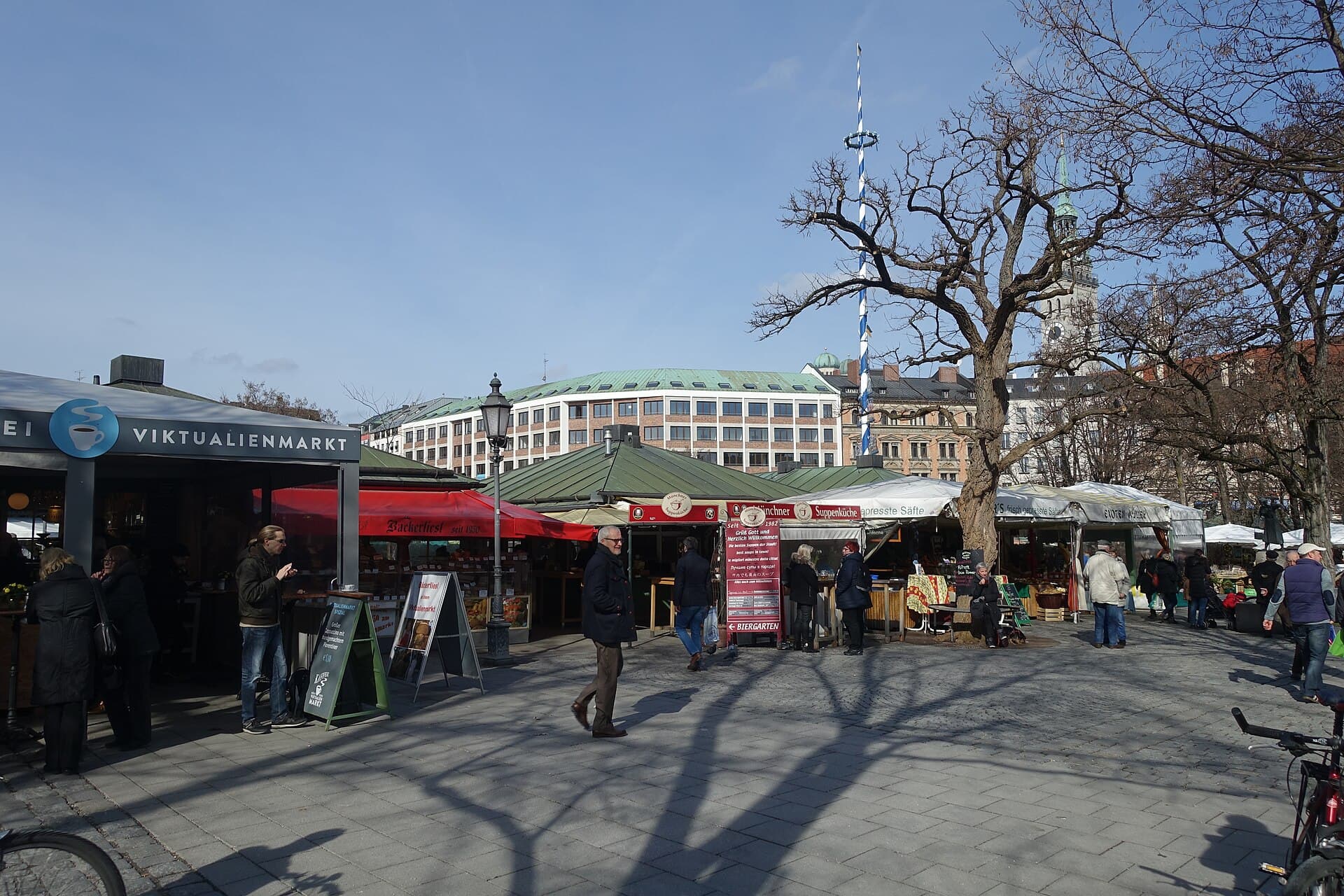 ViktualienmarktThe Viktualienmarkt is a daily open-air food market in the heart of the old town4 minutes walk4.5
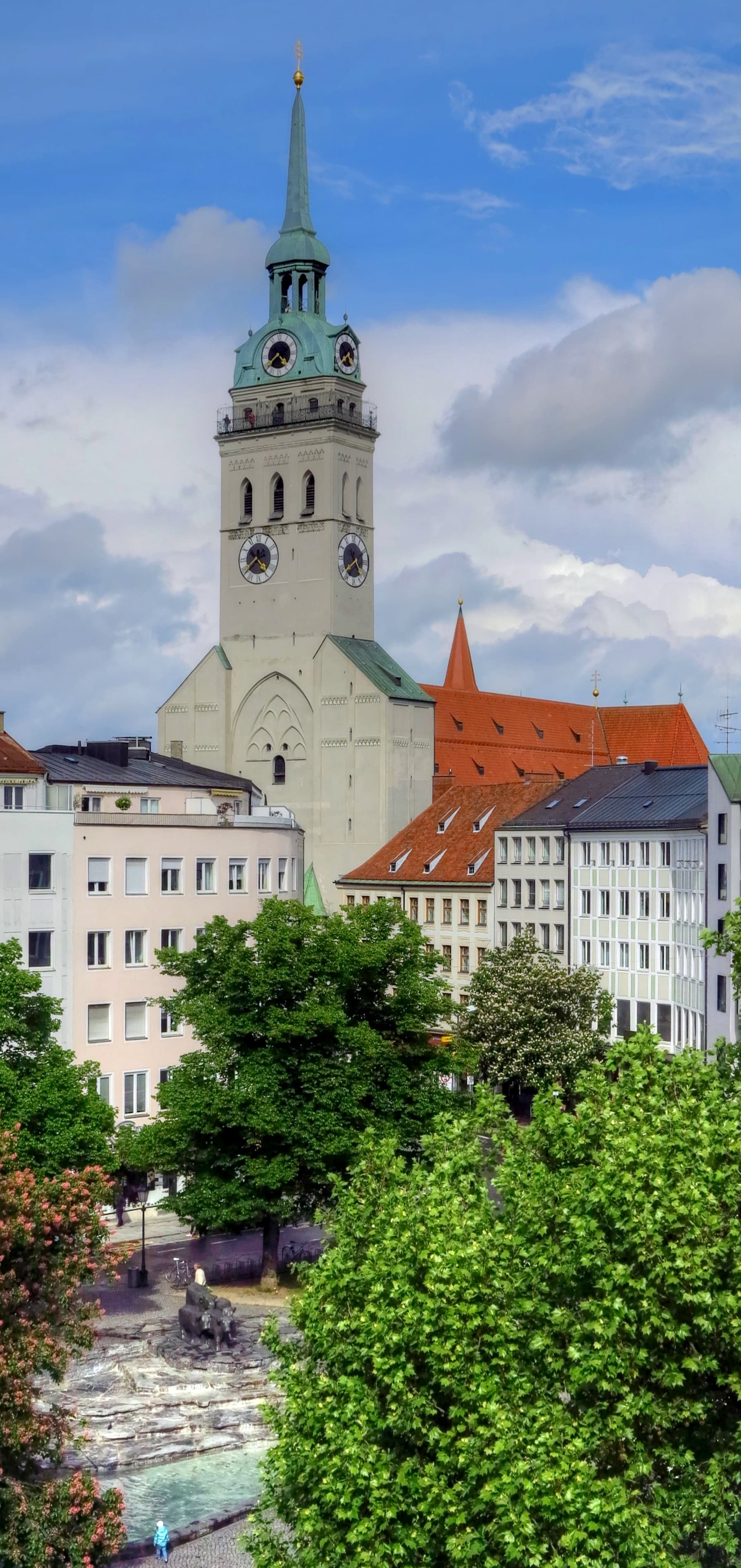 St Peter's ChurchMunicher call it the Alter Peter, Old Peter, and it is the oldest parish church 4 minutes walk4.8
Reasonably yes, since half the museum is about the Oktoberfest as a social event and about the old building itself. The brewing side can be passed through quickly. Nobody expects you to drink, and any tasting is optional and separate.
Not essential, but useful if you are curious about the festival's origins and will not attend it. The festival itself runs only in September and October, while the museum is open year round and gives you the story in an hour.
An hour is plenty. It is small, spread over a few cramped floors. Combine it with nearby Marienplatz and the Alter Hof — all in the old town within minutes.