
The absurd exhibits
Meaningless objects shown in total seriousness.
Burkhard Mücke — CC BY-SA 4.0 · Burkhard Mücke — CC BY-SA 4.0 · Burkhard Mücke — CC BY-SA 4.0 · Burkhard Mücke — CC BY-SA 4.0
This museum sits inside the Isartor — one of the surviving gates of Munich's medieval wall — and is devoted to Karl Valentin and Liesl Karlstadt, the comedy duo who dominated Munich's popular stage between the wars. Valentin in particular is sometimes called the German Chaplin, and later influenced Brecht and Beckett. More to the point, the museum is itself an extended joke: its name is deliberately misspelled (Musaeum, with an extra letter), its opening hours were advertised for decades at absurd times such as 11.01 to 17.29, and its exhibits include meaningless objects presented with total seriousness — a wax sculpture of a melted snowball, an upside-down nail, spectacles for people who do not need spectacles. This is not a museum about comedy but a piece of comedy in itself, built on Valentin's own logic of methodical absurdity. Anyone who knows his work will find it excellent; anyone who does not may find it baffling — and the museum entirely accepts that. A small pre-war style cafe sits up in the tower.
Meaningless objects shown in total seriousness.
Pre-war style inside a medieval gate.
Tal 50, 80331 Munich
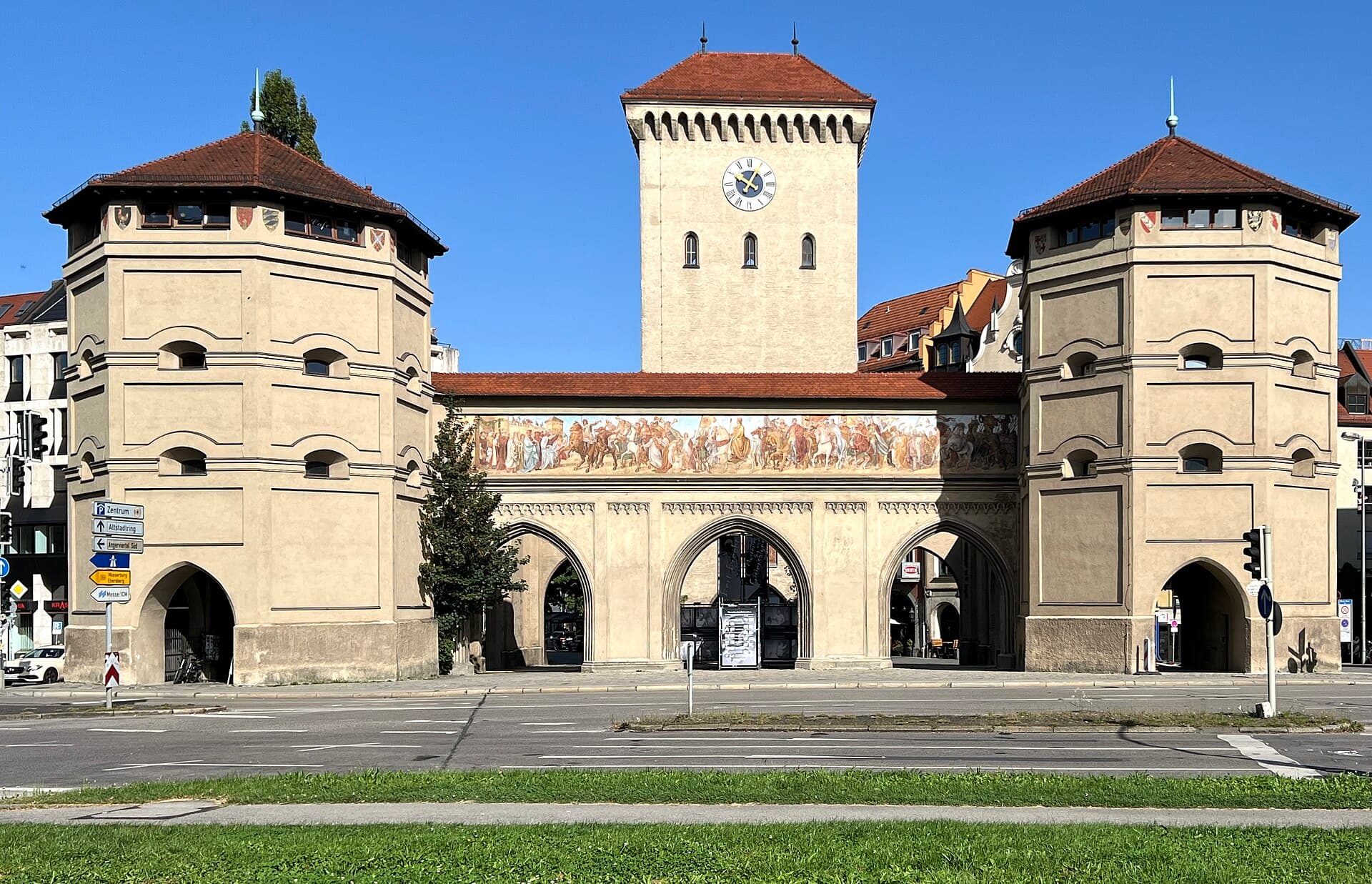 IsartorThe Isartor is the eastern gate of Munich's medieval wall, built in 1337 and the1 minute walk4.6
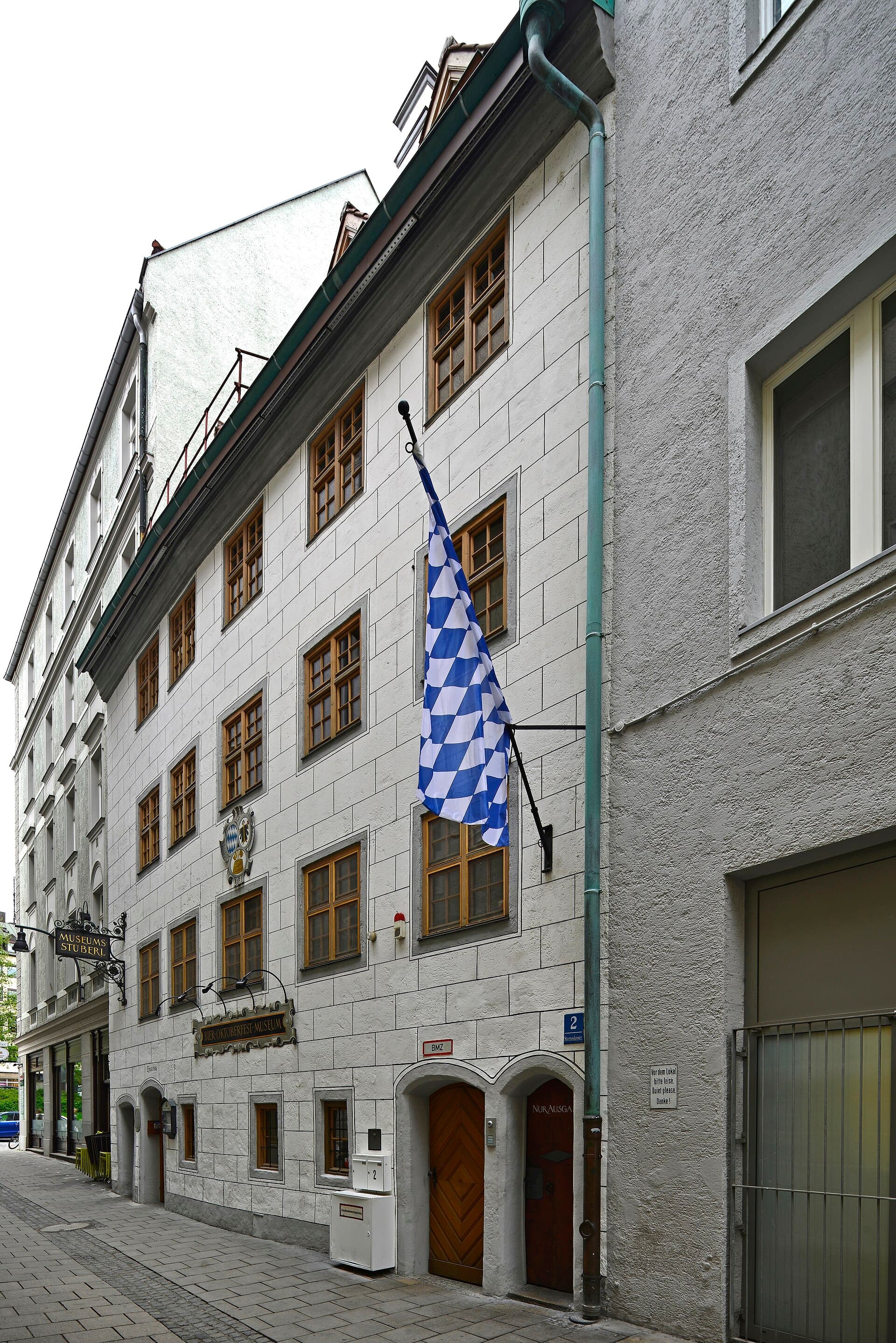 Beer and Oktoberfest MuseumThe Beer and Oktoberfest Museum is a small museum in one of Munich's oldest hous1 minute walk4.4
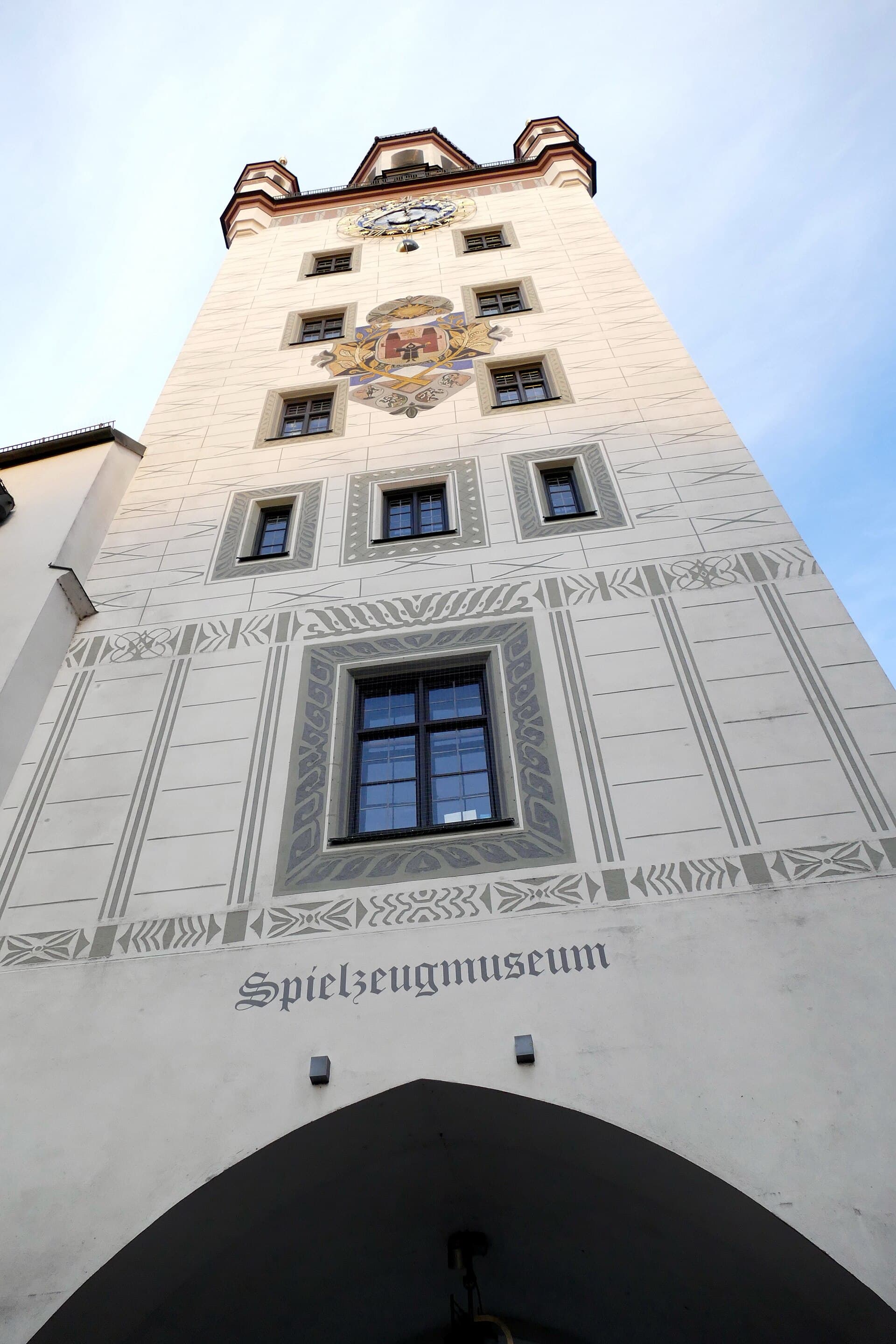 Toy Museum MunichThe Toy Museum is a small museum inside the tower of the Old Town Hall, right on5 minutes walk4.5
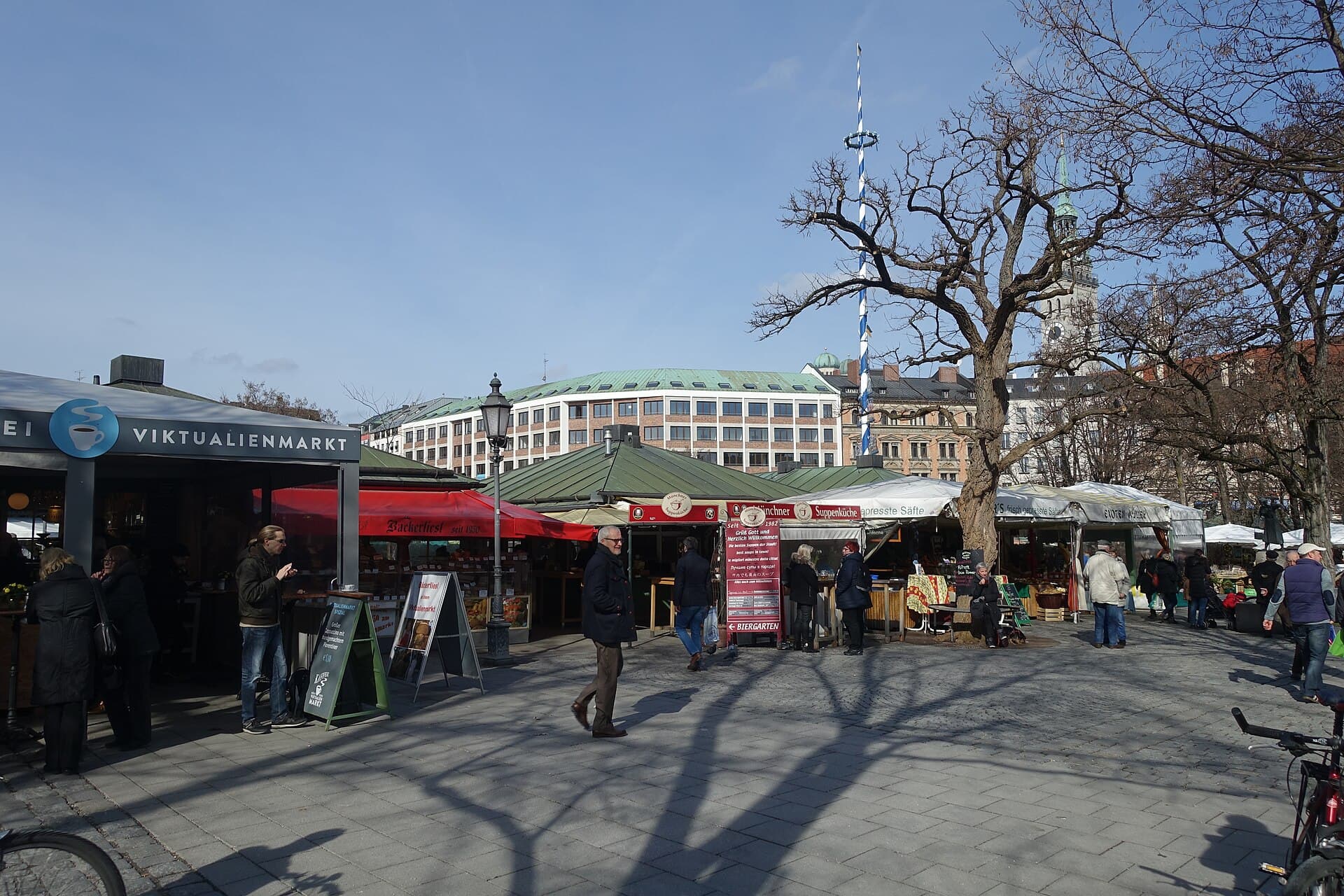 ViktualienmarktThe Viktualienmarkt is a daily open-air food market in the heart of the old town5 minutes walk4.5
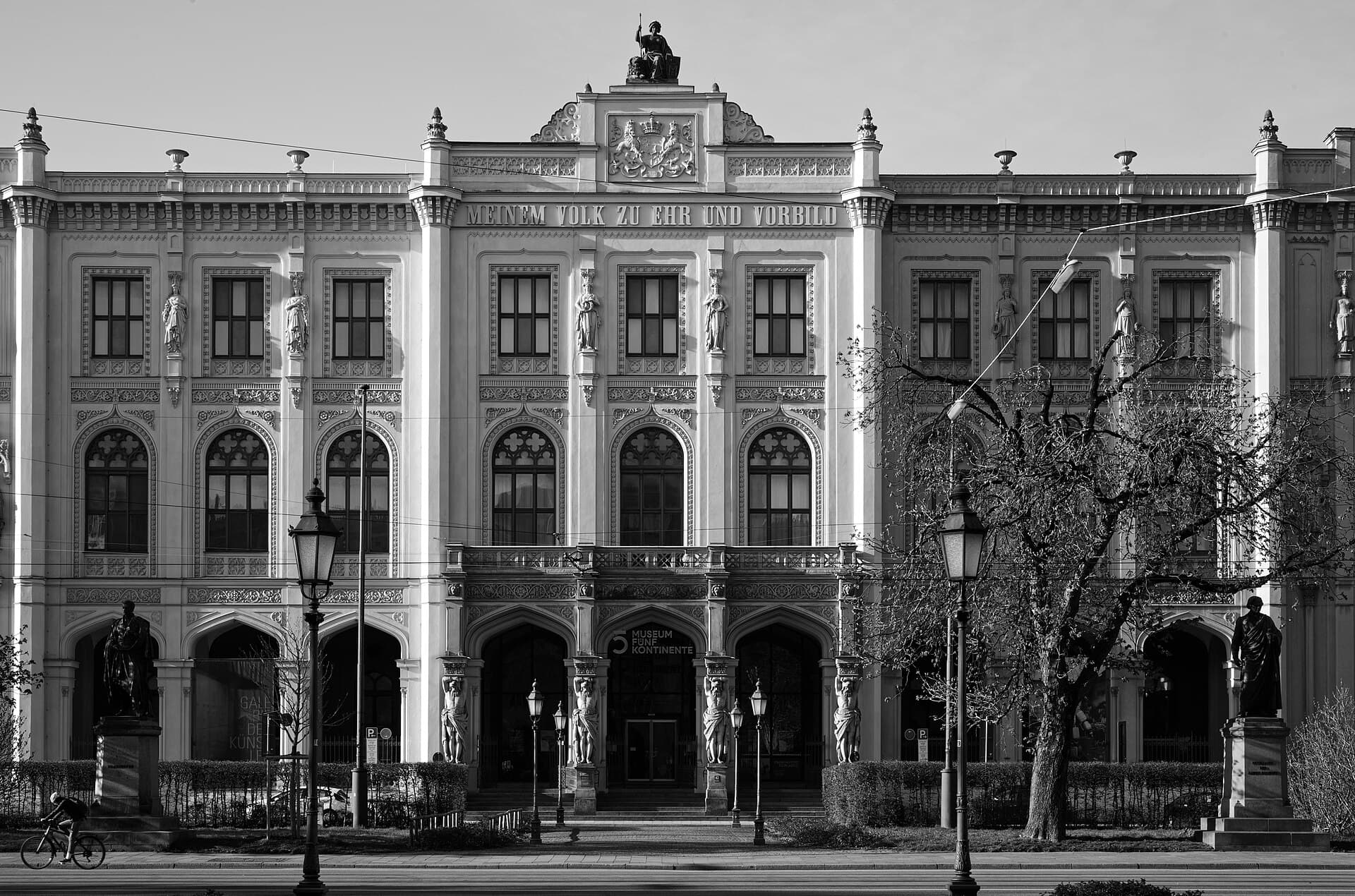 Museum Five ContinentsThe Museum Five Continents is Munich's museum of the world's cultures beyond Eur5 minutes walk4.5
A Munich comedian, director and writer (1882-1948) whose work rested on an absurd linguistic logic: dialogues that collapse under their own excessive precision, and characters who follow rules so literally they arrive at nonsense. He worked with Liesl Karlstadt across thousands of performances and short films. He directly influenced Bertolt Brecht, who worked with him as a young man, and is usually cited as a forerunner of the theatre of the absurd.